Velvet Lip Mud vs Matte Liquid Lipstick: Which Format Should Launch First?
How private label buyers choose between a velvet lip mud and a matte liquid lipstick: texture positioning, applicator systems, shade story and which launch to run first.
Velvet lip mud has moved from a K-beauty curiosity to a category that private label buyers now ask for by name. Sitting between the liquid lipstick many brands already sell and the gloss their customers already own, it raises a practical question: when your line has room for one more lip launch, which format deserves the slot?
A velvet lip mud and a matte liquid lipstick can serve the same shopper, but they are different projects: texture claim, applicator system, shade story and even the compliance file differ. Decide which one carries your first launch, then spec the other as a follow-up, not a compromise.
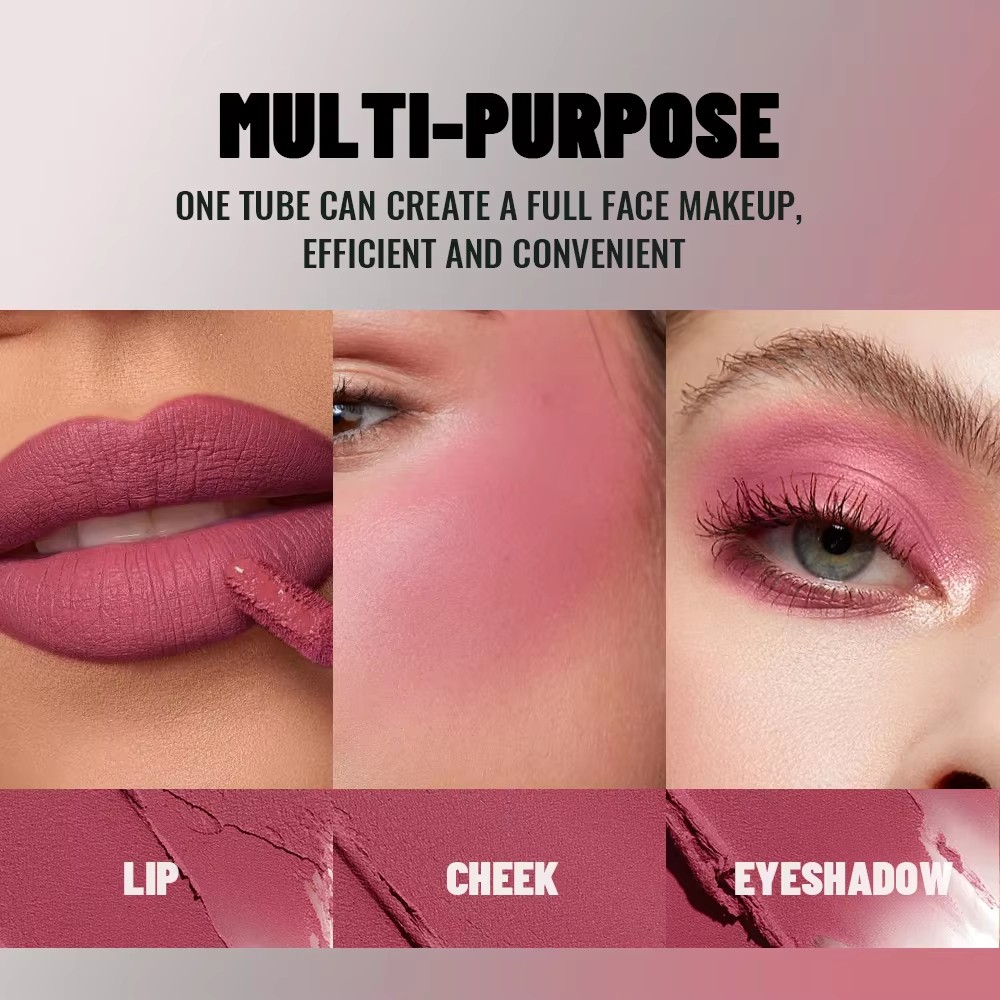
This comparison comes from the buyer's chair, not the makeup chair. The question is not which format is better in the abstract; it is which one fits your line's next launch, your target shopper and the sourcing route you can actually run. Both formats are buildable through private label, and both live or die on the same three decisions: texture positioning, component system and shade story.
What separates a velvet lip mud from a matte liquid lipstick?
A velvet lip mud is a mousse-like color that dries to a soft, blurred matte; a matte liquid lipstick lays down a flatter, higher-pigment film. The mud reads softer on camera and on lips, which is exactly why it became its own category.
A liquid lipstick is engineered for impact: pigment, coverage and a finish that stays put. A velvet lip mud is engineered for diffusion: a mousse-like color direction suited to soft-focus and blurred makeup collections, the finish that dominates short-form beauty video because it flatters rather than masks1. Neither replaces the other; they answer different briefs.
| Dimension | Velvet lip mud | Matte liquid lipstick |
|---|---|---|
| Finish story | Soft, blurred, airbrushed velvet | Flat, high-impact matte |
| Texture on application | Mousse, cushioned, blendable | Liquid film, precise edges |
| Shopper signal | Trend-aware, comfort-first | Longevity-first, statement |
| Typical line role | Halo or trend product that draws attention | Core repeat product that holds revenue |
| Key sourcing risk | Texture drift between batches | Drying time and transfer claims |
The line-role row is the one buyers underrate. A mud is a strong second launch for a lip line that already has its workhorse: it adds a texture story your marketing can film. Leading with a mud makes sense when your brand identity is soft-focus by design; otherwise the safer sequence is core first, texture second.
Which applicator and packaging system does each format need?
Packaging is where the two projects diverge hardest: a mud asks for an applicator and closure that keep the mousse even in the tube, while a liquid lipstick lives on a precision doe-foot. Choose the component system with the formula, because filling behavior changes with both.
Applicators are never an afterthought in this category; they have to be evaluated as one system with the formula, the inner plug and the filling method2. A mousse texture that shears beautifully on a sponge tip can look streaky from a hard doe-foot, and a thin mousse may not hold its shape in an open-well compact. This is why packaging direction and formula direction are approved together rather than in sequence.
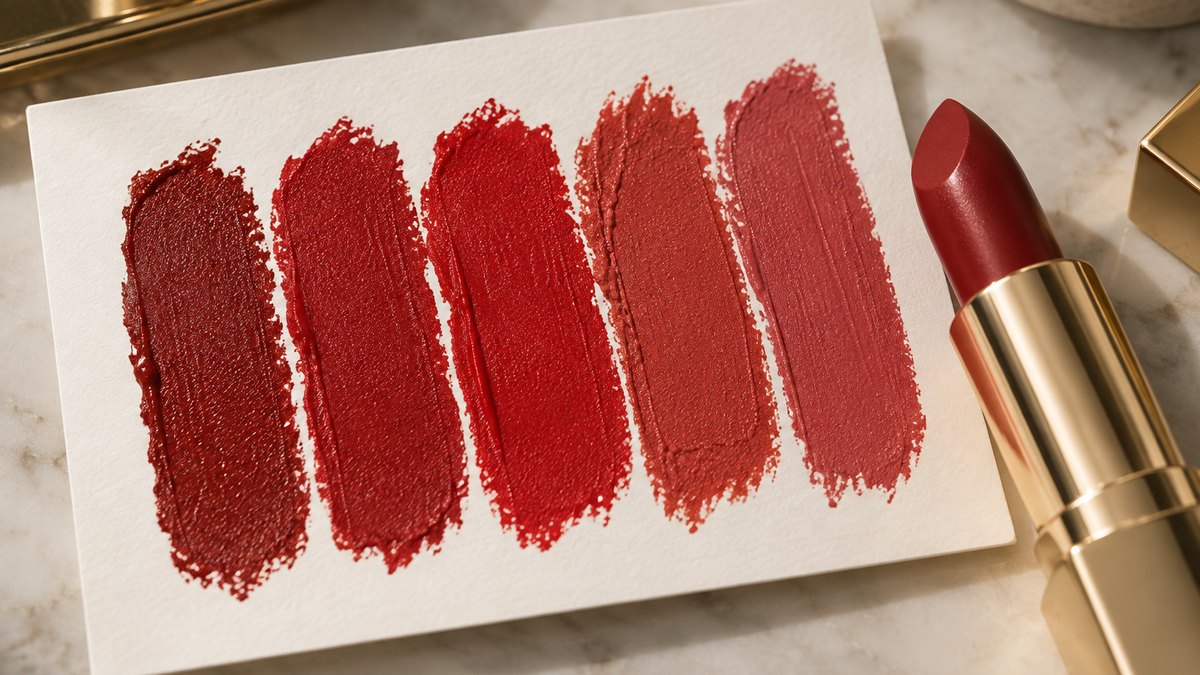
On our side, a velvet lip mud project can be organized into four packaging directions: a twist-up stick, a bottle-style presentation, a compact with mirror and applicator, and a pen-style sponge tip1. The same texture brief expresses itself differently in each: sticks travel, compacts feel premium, pens feel modern. Your choice should follow your shopper's carrying habits and price point, and feasibility is confirmed during the project, because filling suitability is component-specific.
Who is the velvet mud actually for?
The mud earns its slot with three shopper profiles: the short-form video audience that rewards soft-focus texture, the buyer who finds classic matte drying, and the collector who treats lip texture as an accessory to a look. If none of these is your shopper, a mud will look trendy and quiet in your sales data.
Positioning starts with watching how the category is consumed. Velvet and blurred finishes dominate short-form beauty content because they photograph diffusely and flatter on camera; that makes the format a natural fit if your brand sells through social video. The second profile is comfort-driven: shoppers who like the idea of matte but dislike the tightness of a flat liquid film often describe the mud as "the matte that does not hurt". The third profile already owns both formats and buys texture the way they buy finishes, as variety.
Then check the fit against your line architecture. If your lip range is young, a liquid lipstick or a gloss may still be the higher-value first launch because it serves a broader shopper; a mud performs best as the second or third SKU, when your brand has enough of a look for a texture story to make sense. If your range is mature, a mud refreshes the line without cannibalizing the core, and it gives your packaging system something new to say with the same logo family.
How should I decide which one launches first?
Start from your route, not your mood: if you need speed, launch the format you can source close to stock; if you are building a signature texture, plan the custom route with samples and a shade story. Compare like with like before you compare price.
The three routes available for lip products, existing formula, adjusted formula, or custom development, apply to both formats, and each route changes what "first launch" means. An existing or lightly adjusted mousse can move on stock packaging with a fast timeline; a signature velvet texture with your own shade story is a custom project with sampling stages worth planning for3. Misjudging the route is how launches slip: quoting a custom texture against someone else's stock price wastes a week and teaches you nothing.
If you are unsure which formula direction fits, start from the formula library: choosing a base you can try, adjust or develop from is faster than describing a texture from scratch4. Then pressure-test the choice at the sample stage with a written evaluation: texture evenness, scent, application feel, transfer behavior, all recorded against the same checklist you would use for a liquid lipstick5.
What does a velvet lip mud project look like in practice?
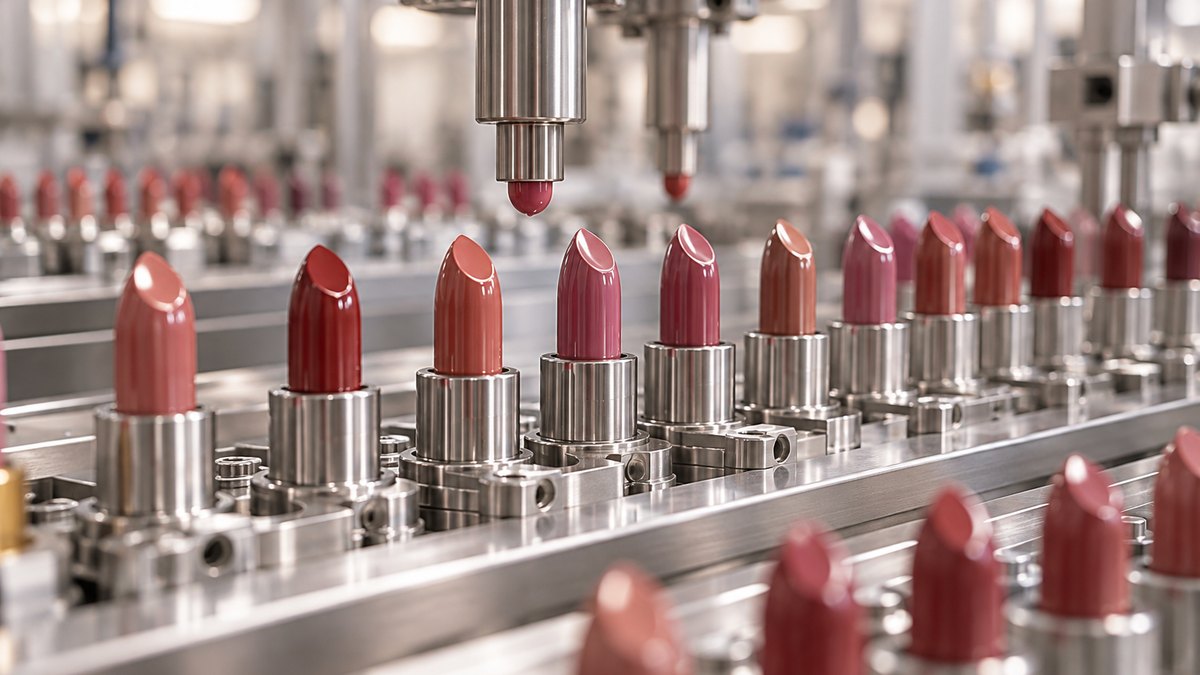
Our velvet lip mud direction, ZONO 2086, runs as a customizable project rather than a fixed retail SKU: formula direction, shades, logo, packaging color and applicator format are organized around your market, and final approval happens on physical samples, not screen charts.
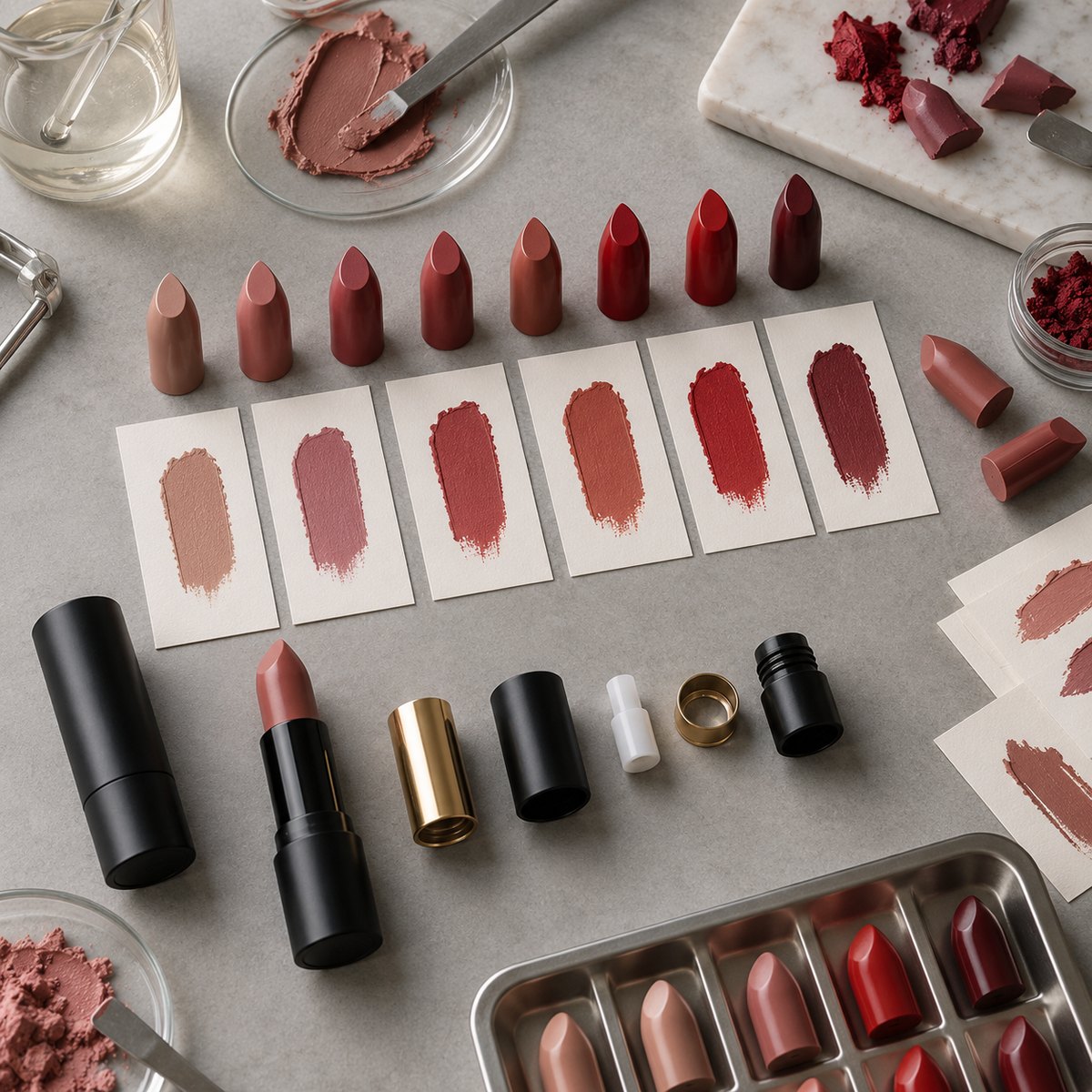
That project structure is worth understanding because it shows what "custom" means at the component level. ZONO 2086 is positioned as a velvet lip mud project: the shade chart you see is a color direction reference, and the final shade count and tone balance are confirmed through physical samples1. A lip-and-cheek or multi-purpose mousse direction can also be discussed when the selected formula, safety assessment, claims and packaging support the intended application areas; final intended use is confirmed before artwork and documentation are finalized1. Multi-use claims are a real opportunity and a real compliance surface, so they are treated as a project decision, never as a default.
On commercial terms, there is no flat minimum that applies to every lip mud project: MOQ, sample cost and tooling are confirmed per project once capacity, applicator, closure direction and target quantity are on the table2. If your launch plan needs the ready-stock route instead, the stock library covers lip, eye and face formats from 12 pieces with 48-hour dispatch, which is a different trade-off: speed for exclusivity6. Both routes are legitimate; they just answer different launch briefs.
Send the format you are considering, the texture and shade direction, the target market and your timeline. ZONO organizes the formula and packaging questions per project and marks what needs physical confirmation before you commit.
Discuss your lip project brief For the full private label route from brief to shipment, see the private label overview.Frequently asked questions
- Can one formula serve lips and cheeks? Possibly; a multi-use direction can be discussed when the selected formula, safety assessment, claims and packaging suit the intended application areas. Confirm final intended use before artwork and documentation are finalized.
- What MOQ applies to a velvet lip mud? There is no flat minimum across projects: MOQ, sample cost and tooling are confirmed per project once the capacity, applicator, closure direction and target quantity are known.
- Is a velvet lip mud suitable for markets like Indonesia? It can be, but market entry runs on the same documentation as any color cosmetic: formula disclosure, free-sale evidence and notification. Start with our BPOM document guide before you commit artwork.
- How many shades should a mud launch with? Fewer than you think; build the shade story around your market and expand after sell-through data. The shades article breaks down the launch-count logic.
- Which packaging direction is fastest? Stock component directions move faster than fully custom ones, and feasibility (filling suitability, compatibility, decoration) is confirmed during the project, which is why packaging and formula are approved together.
Conclusion
Velvet lip mud and matte liquid lipstick are not rivals so much as different launch briefs: one sells soft-focus texture, the other sells staying power. Choose by route and role rather than by trend board, keep packaging and formula approvals in the same meeting, and let physical samples carry every decision that matters. Get those three habits right and either format becomes a clean project; skip them and both become disputes.
Footnotes
ZONO Beauty, "Private Label Velvet Lip Mud" product page: ZONO 2086 velvet lip mud run as a customizable project; stick, bottle, compact and pen-style packaging directions; multi-use direction conditional on formula, assessment, claims and packaging; shade charts as reference only. zonobeauty.com ↩︎
ZONO Beauty, "Lip Gloss Tubes Wholesale: How to Choose Capacity, Applicator and Closure": applicators evaluated as one system with formula, inner plug and filling method; no flat MOQ, confirmed per project. zonobeauty.com ↩︎
ZONO Beauty, "How Does the Private Label Cosmetic Manufacturing Process Work?": the five documented decisions from brief to shipment, including the existing, adjusted and custom route choice. zonobeauty.com ↩︎
ZONO Beauty, "Choosing Lip Makeup Formulas from a Stock Library": how to select an existing, adjusted or custom formula direction before comparing quotes. zonobeauty.com ↩︎
ZONO Beauty, "Lip Makeup Sample Evaluation Checklist": the written pass/fail criteria to record when approving lip product samples. zonobeauty.com ↩︎
ZONO Beauty B2B profile facts: ready-stock coverage across lip, eye and face formats from 12 pieces with 48-hour dispatch; 1,000+ SKU stock library. zonobeauty.com ↩︎