How Does the Private Label Cosmetic Manufacturing Process Work? ZONO's 5-Step Guide
Turn a private label cosmetic brief into a controlled five-step process covering route selection, samples, packaging checks, approvals and order verification.
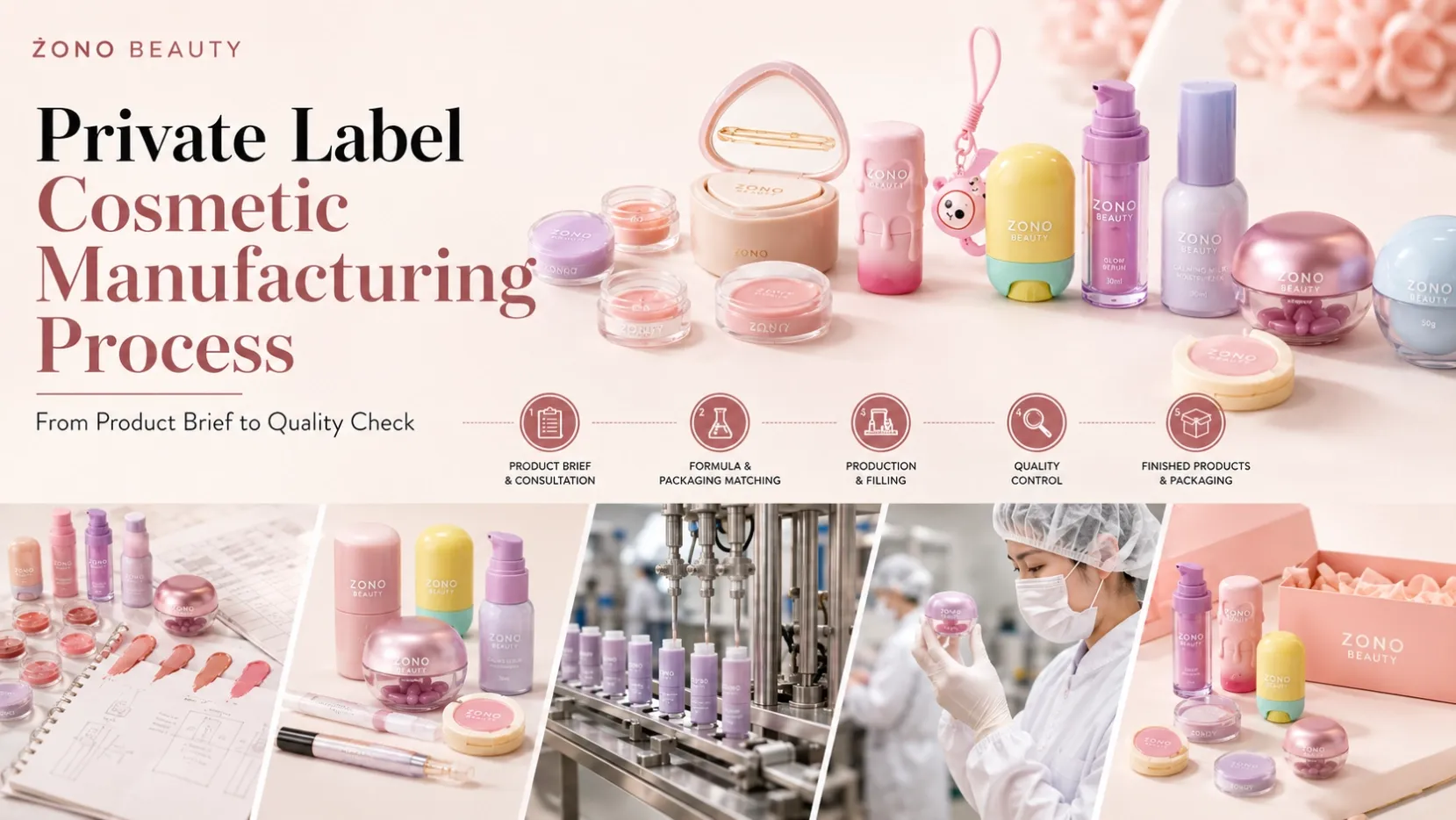
A private label cosmetic project is safest when it moves through five documented decisions: define the brief, select the product route, approve the formula and packaging together, lock the pre-production specification, and verify the finished order against that approved reference.
The exact supplier, formula, sample plan, order quantity, documents and timing are project-specific. The purpose of this process is not to promise a universal route. It is to help a buyer know what must be confirmed before the next commitment.
Private Label Cosmetic Development at a Glance
| Stage | Buyer decision | Evidence to keep |
|---|---|---|
| 1. Product brief | What product, market, customer and launch need are being solved? | One current brief with owner, version and open questions |
| 2. Product route | Should the project assess an existing option, an adjusted option or custom development? | Supplier response, sample scope and confirmed exclusions |
| 3. Formula and packaging | Does the proposed formula work with the selected component and use case? | Approved sample references and applicable compatibility evidence |
| 4. Pre-production approval | Are formula, shade, artwork, packaging and acceptance criteria aligned? | Signed or otherwise traceable approved specification |
| 5. Order verification | What will be checked before release and shipment? | Batch-linked records, inspection scope and shipping instructions |
1. Start With a Buyer-Ready Product Brief
Before requesting samples or prices, define the commercial question. At minimum, record the product type, target market, intended user, formula or finish direction, packaging direction, approximate quantity range, launch target and approval owner. If one of these is unknown, mark it as an open decision instead of filling the gap with an assumption.
A clear brief helps suppliers explain what they can evaluate and which details affect quotation or sampling. It also prevents a reference image from being treated as a complete technical specification.
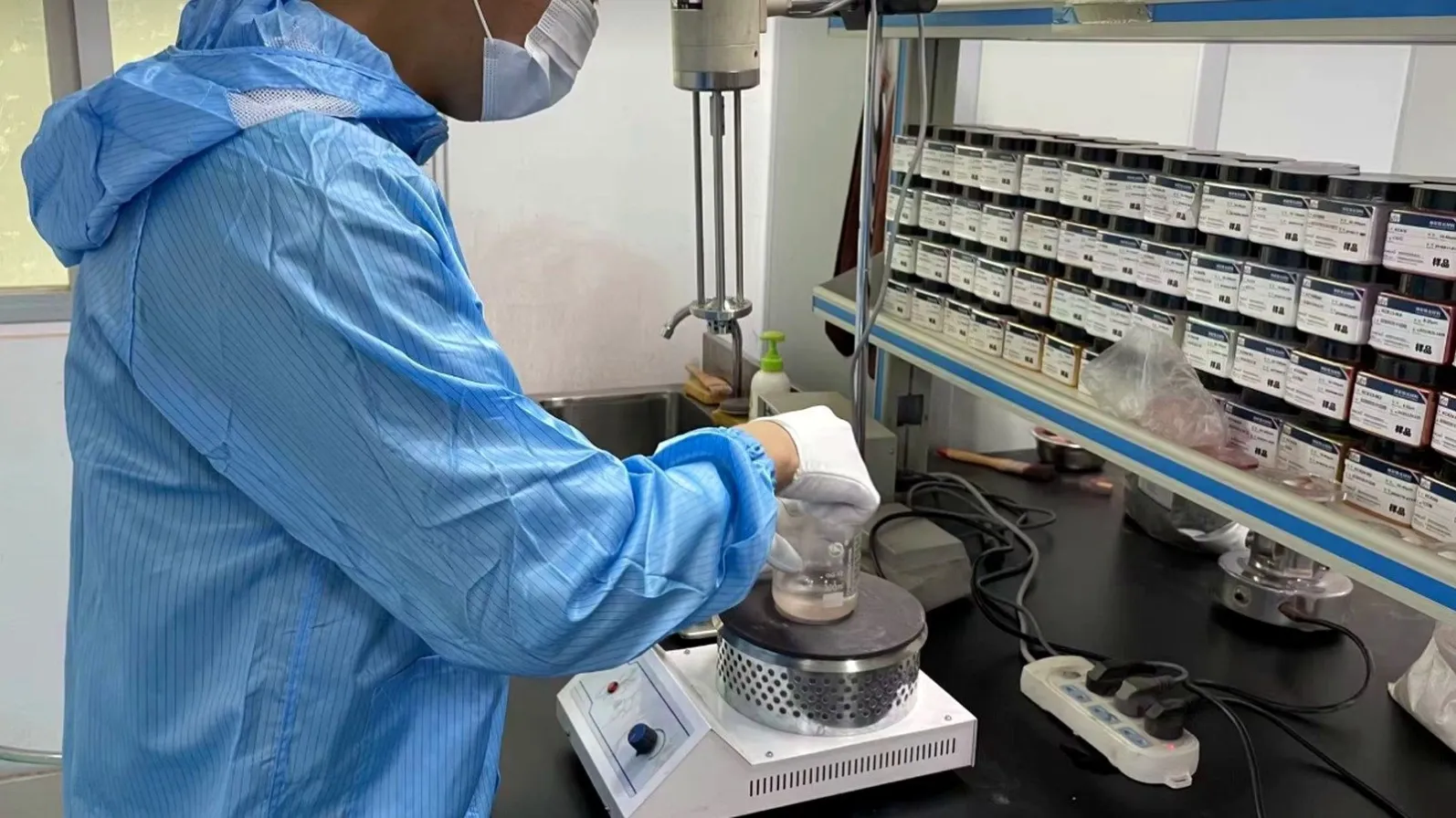
2. Choose the Product Route Before Comparing Quotes
Suppliers may offer existing products, adjustable starting points or custom development. These routes are not interchangeable. They can involve different sample scopes, evidence, packaging choices, commercial conditions and revision work.
Ask each supplier to state the proposed route in writing and identify what is already defined versus what still requires development. Compare quotes only after the route and scope are aligned.
- Existing option: confirm the exact product and what brand or packaging changes are possible.
- Adjusted option: list each requested change and how approval will be judged.
- Custom development: define the development objective, responsibilities, evidence and stop conditions before work begins.
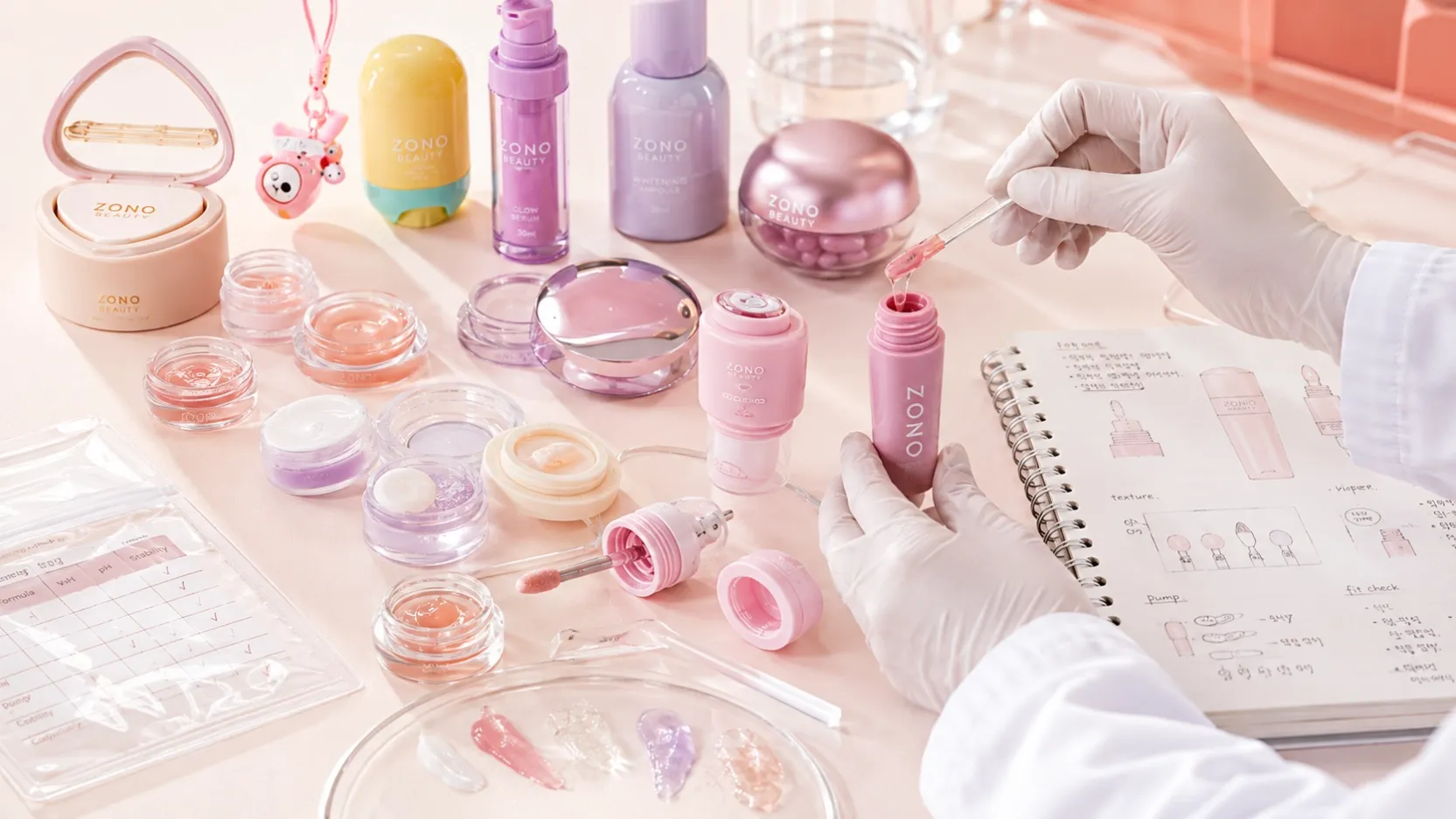
3. Approve Formula and Packaging as One System
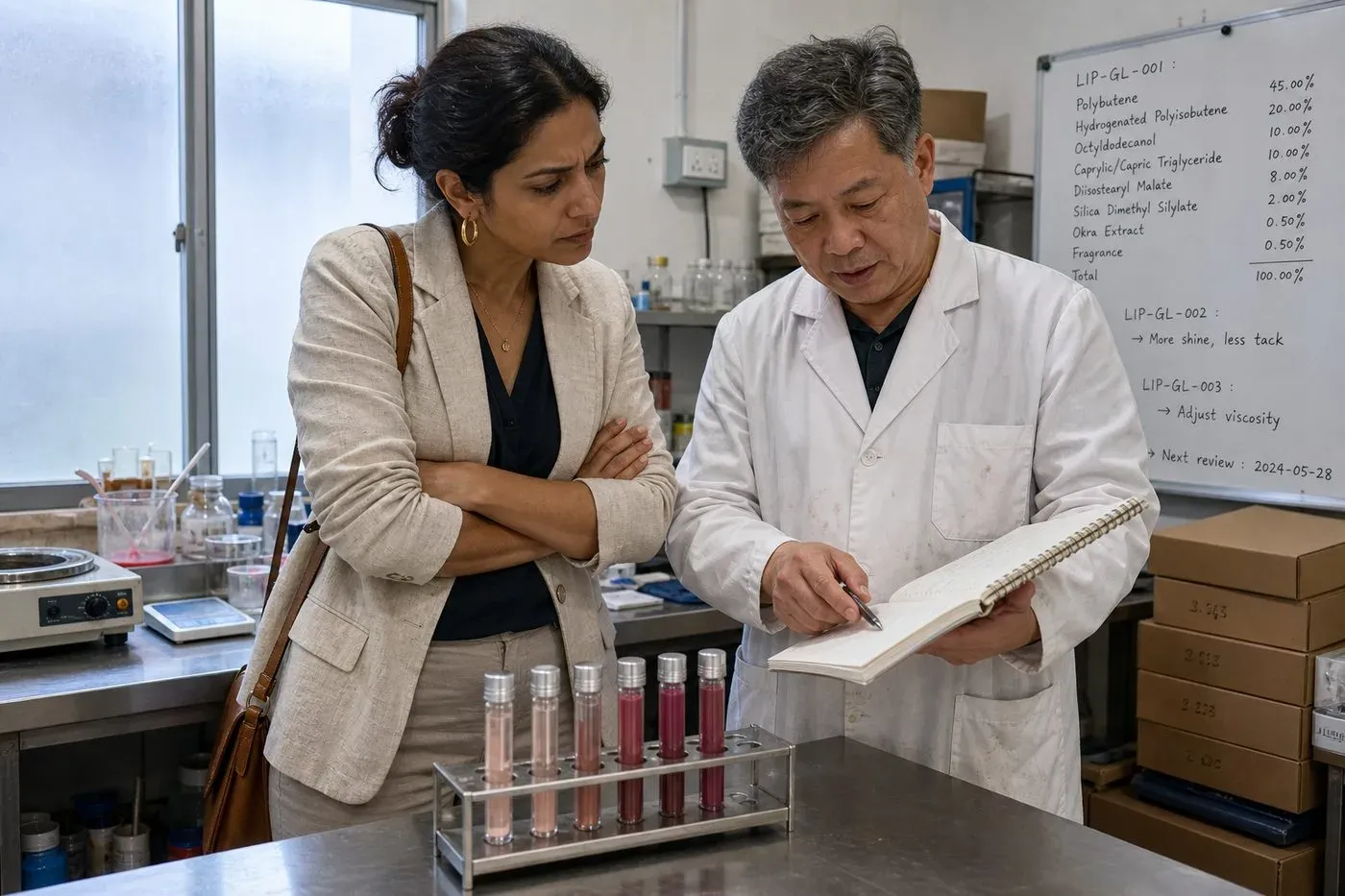
A formula sample and an empty component answer different questions. The buyer should identify the exact formula version, component version, applicator or dispensing parts, decoration and pack-out that will be used together.
Ask what compatibility, functional or stability evidence is relevant to that exact combination and target market. Do not infer a universal test plan or result. The supplier and the responsible regulatory or quality adviser should define the appropriate project checks.
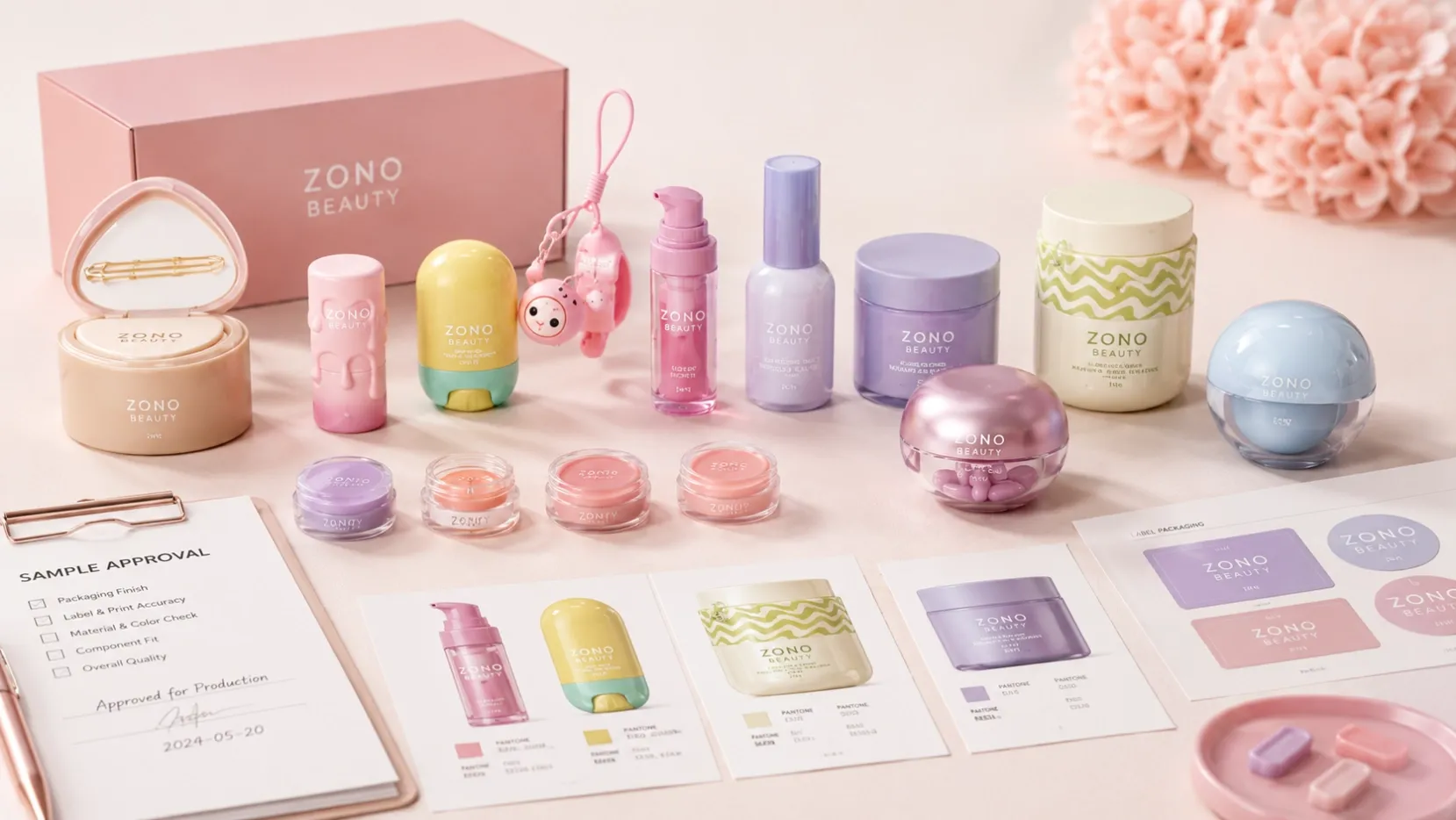
4. Lock the Pre-Production Specification
Before bulk work, consolidate the approved formula or product reference, shades, component versions, artwork, labels, outer packaging, pack-out and acceptance criteria into one controlled record. Record who approved each item and which version applies.
Changes after this point should be documented with their effect on cost, quantity, evidence and schedule. This is safer than relying on scattered messages or an unlabelled sample.
Questions to close before approval
- Which sample or specification is the approval reference?
- Which details are fixed, and which remain open?
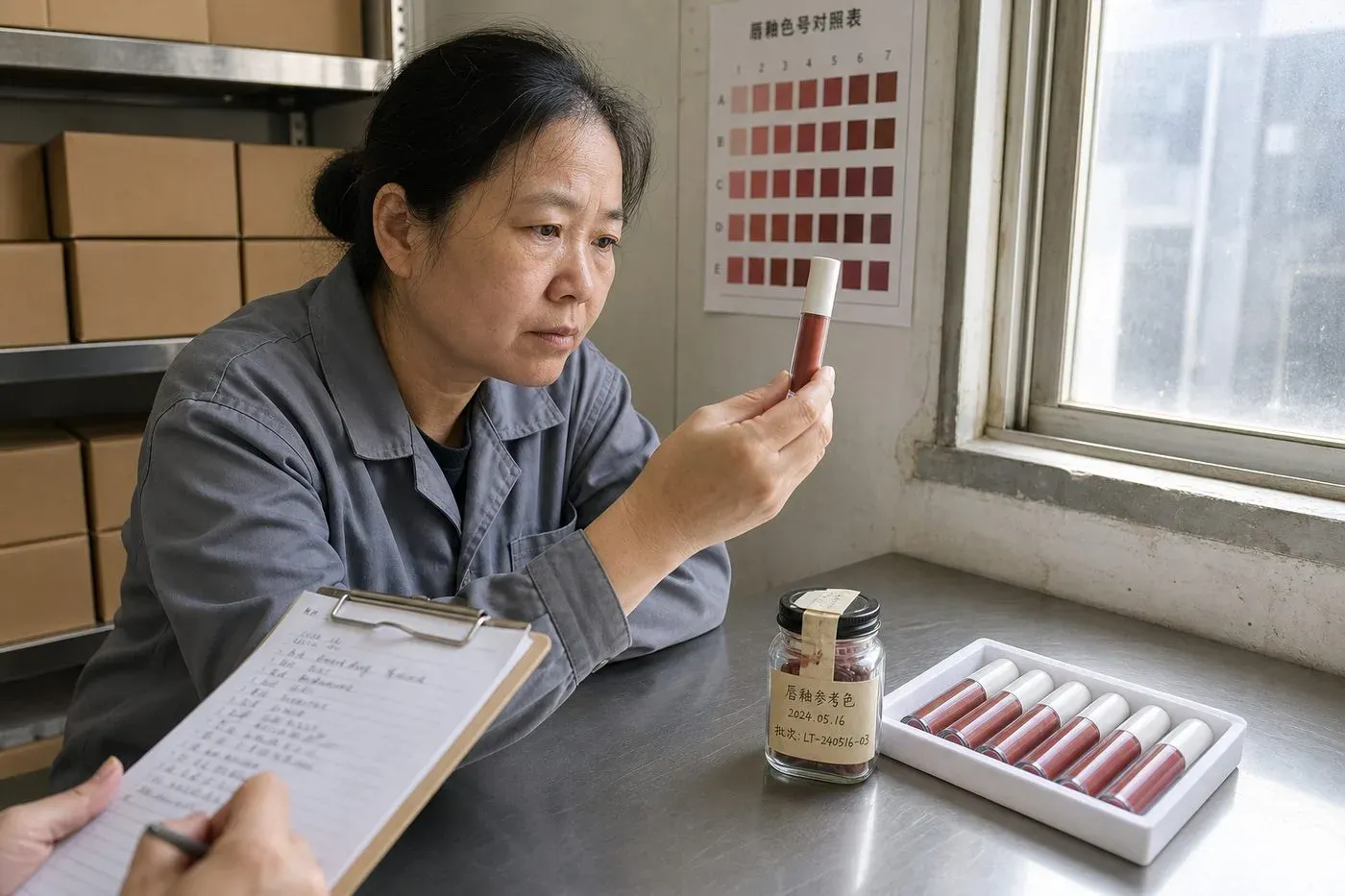
- What constitutes an acceptable shade, finish, function and appearance?
- Which documents or market checks are required, and who verifies them?
- How will a later change be reviewed and recorded?
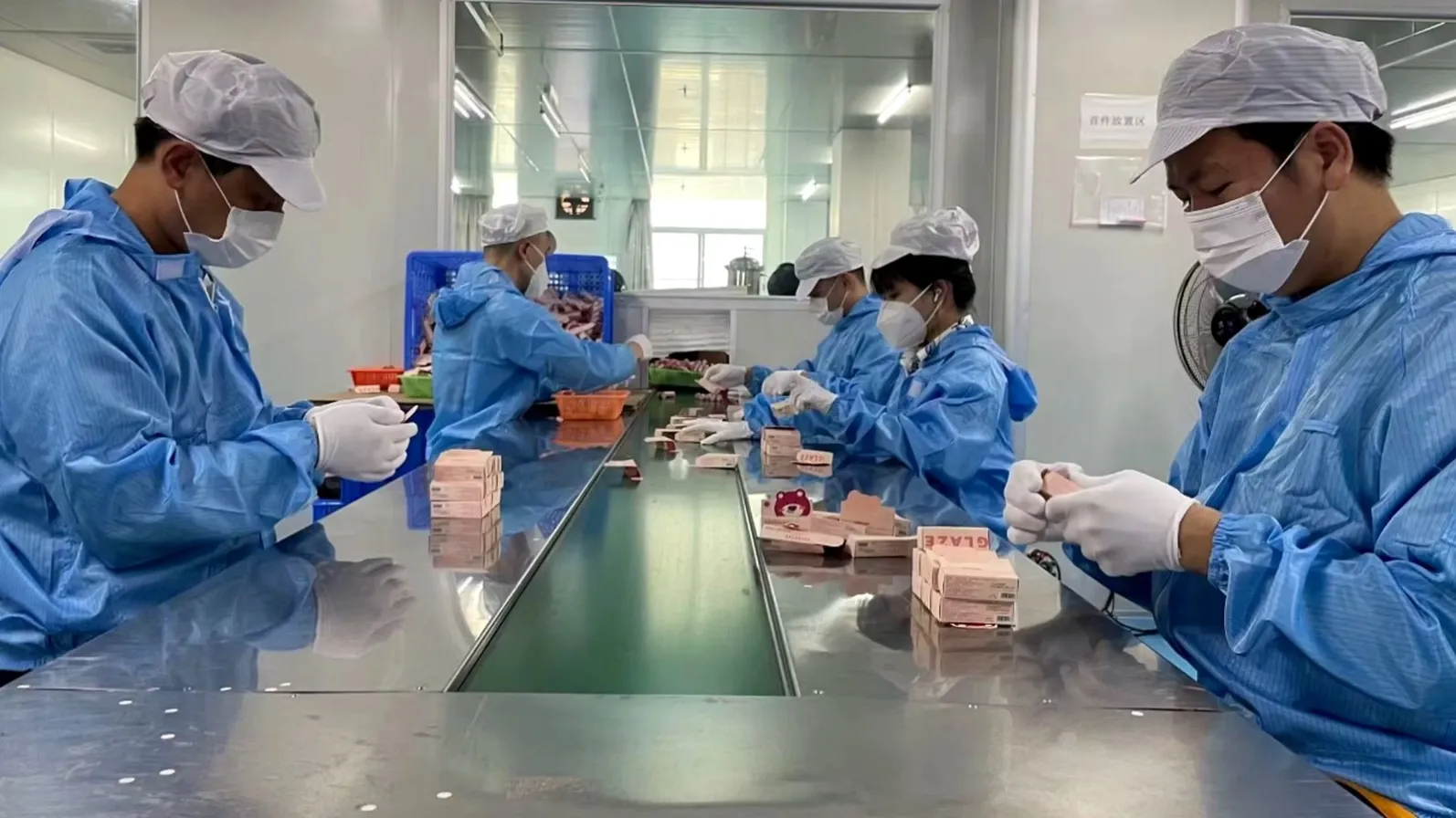
5. Verify the Finished Order Against the Approved Reference
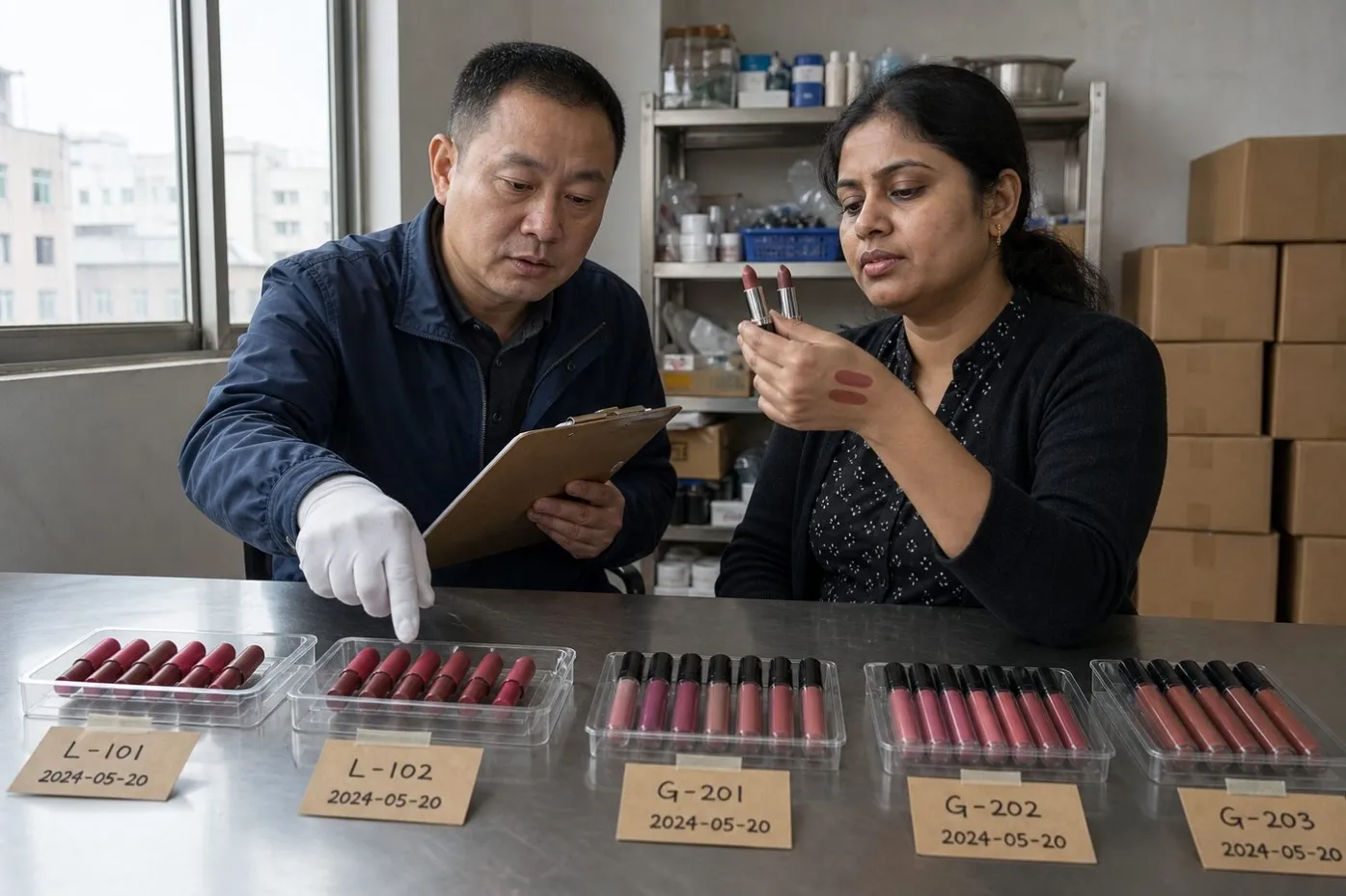
Define the inspection scope before the order reaches its final stage. The plan may cover product identity, appearance, packaging, artwork, quantity, pack-out and any project-specific checks. The buyer should also confirm which batch-linked records or inspection evidence can be supplied and who has authority to release the order.
For a deeper approval framework, use the guide to verify products against an agreed specification. Then model the commercial impact with the landed-cost checklist.
Frequently Asked Questions
Does every project need custom development?
No. The route should match the buyer's product objective and the supplier's confirmed options. An existing or adjusted starting point may be appropriate when it meets the brief; custom development should be scoped only when the project requires it.
Can the supplier decide all required documents?
The supplier can state what it can provide. The buyer remains responsible for confirming the documents, product classification and market requirements with the appropriate adviser for the destination market.
When should price be compared?
After the product route, inclusions, packaging, evidence, trade term and quantity basis are aligned. A lower number is not a better offer if it covers a different scope.
Send ZONO your product type, target market, approximate quantity, packaging direction and current reference. We can help organize the questions that need supplier confirmation.
Discuss your private label cosmetic project