Entry, Mid or Premium: How to Split a First Press-On Nail Budget
A first-order budget split across entry, mid and premium tiers: what each tier actually buys, why one quote cannot cover all three, and how to allocate before you commit.
A first-order budget usually arrives as one number, and it is spent before anyone decides what it is for. Two failures repeat. The first puts the whole budget into premium hand-made samples: the pieces photograph beautifully, the buyer approves them, and there is no money left to place the order or to reorder the two designs that sell. The second puts it all into entry-level sets, gets volume, and discovers in month three that the range has nowhere to go and the margin will not fund a second version.
Neither failure is a judgement problem. Both come from treating a budget as one decision when it is really three, and from treating a tier as an adjective a supplier applies rather than a cost structure the buyer chooses.
Tier is not a quality claim. It is what drives the unit cost, and once you can name the driver you can split a budget in a way that survives the reorder.
What Actually Separates the Three Tiers
The trade uses tier words loosely, which is why they need pinning to cost drivers instead of adjectives.
Tier is a cost structure, not a quality adjective. Once you can name the driver, labour minutes, tooling, rework or batch size, a first-order budget becomes three decisions you can split deliberately, instead of one number spent before anyone decides what it is for.

Entry. Injection-moulded ABS, stock shapes, surface printing, machine packing. The cost driver is material weight plus tooling amortisation. Piece-to-piece variance is low, minimums are low, lead time is short, and that consistency is the selling point. This is the tier that makes a price-led marketplace listing possible at all.
Mid. Hand-formed acrylic or soft gel, hand-painted or lightly embedded decoration, better edge finishing, mixed packing. The cost driver is labour minutes per piece. Variance is higher than entry, the minimum is set by setup rather than by material, and the tier only makes economic sense above a batch size set by setup rather than by material.
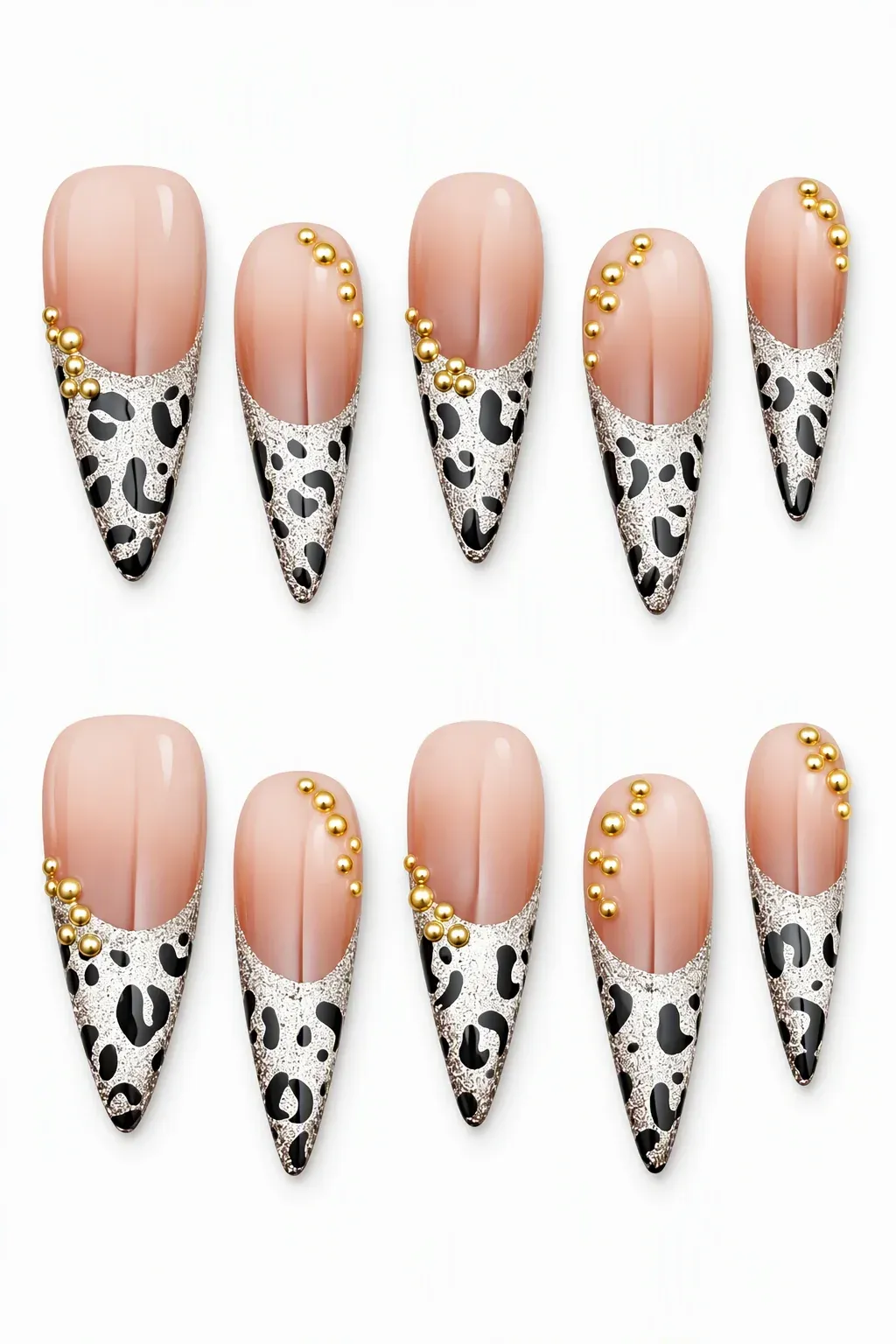
Premium. Fully hand-made, embedded or encapsulated art, per-piece inspection, small batches. The cost driver is artist time plus rework rate plus batch size. Rework is the number buyers forget: a premium tier running an unchecked rework rate is not premium economics, it is mid economics with a premium story attached.
How to choose: name the cost driver in the enquiry, not the adjective. "Premium" means nothing until it is minutes per piece, pieces per batch and a rework allowance.
What Each Tier Buys You
Entry buys volume and cash conversion. Mid buys the margin that funds the next version. Premium buys the price anchor that makes mid look fairly priced.

The anchor is the part buyers under-invest in. A range with no premium piece has no internal price reference, so the customer compares your mid against the cheapest thing on the marketplace instead of against your own top. The premium piece sells the fewest units of the three and it is the one that sets perceived price for everything below it, a merchandising instrument rather than a revenue line.
When to use: premium only if it will actually be shown next to mid. A premium piece nobody sees is expensive inventory with a story attached.
Why One Quote Cannot Cover All Three
Three tiers carry three minimums, three lead times, three variance profiles and three return rates. Averaged into one number, the quote misleads in both directions: the entry tier subsidises the premium and hides the premium's real minimum; the premium inflates the entry and hides that rework is the actual risk.
Mixed quotes also break the sampling loop. Sample approval, tolerance and acceptance criteria are per tier, a tolerance written for moulded ABS will reject good hand-made pieces, and a tolerance written for hand-made work will pass a poor moulding batch. Ask for the tolerance per tier, and test the samples the way a customer will rather than the way a factory does.
Cost impact: a mixed quote makes the cheapest tier look cheaper than it is and the expensive tier look more expensive than it is. Split the quote before you compare it.
Split the budget in units, not in money. Units tell you what you will learn about the design and the supplier; money tells you only what you will spend. The split that survives a reorder is the one with cash deliberately held back for the design that sells out first.
Splitting a First-Order Budget
Allocate by what you need to learn, not by the revenue you hope for.
A workable first split puts most units in entry, most of the margin in mid, and a small deliberate slice in premium as the anchor. The split across the three is deliberately uneven. An even three-way split is the most common way to end up with three tiers that are each under-funded.
There is a second allocation that matters more than the percentage: reserve cash for the reorder. A first order that consumes the entire budget cannot restock the design that sells out, and cash flow gaps are the usual reason a good first range stalls.

Ask one comparable question per tier: unit cost at a stated quantity, minimum, lead time with its trigger, tolerance, and the rework or rejection rate on comparable work. A supplier who recommends premium for a price-led marketplace listing is answering a different question than the one you asked.
How to choose: decide the split in units, not in money. Units tell you what you will learn; money tells you what you will spend, and only one of those compounds.
Where Each Tier Fails
Entry fails when it is sold against a premium promise. The piece is fine; the listing is not. Returns arrive described as "looked cheap" rather than "wrong material", and by the time you have read enough of them the fix costs more than the original margin. If the promise is reuse or salon feel, entry is the wrong tier at any price.
Mid fails when the batch is too small to amortise setup. Below that threshold you are paying premium unit costs for mid-tier pieces, which is the worst of both.
Premium fails on rework and on batch size. A small hand-made batch has more variance per piece, not less, and inspection cost per unit rises as the batch shrinks. It also fails quietly at the sample stage: an approved hand-made sample is a promise about a process, not about a batch, and bulk that does not match the approved sample is the standard complaint.
When to use: entry for price-led volume and promotional sets, mid for the range that has to carry margin, premium for the anchor, and never all three in one purchase order without separate minimums and tolerances.
Send us the channel, the price point you want to hold and the designs you are considering, and we will lay the three tiers out side by side: unit cost, minimum and lead time per tier. We coordinate it with the long-term manufacturing suppliers behind your press-on nail programme.
Plan your budget across tiersFrequently Asked Questions
Is the cheapest tier always wrong for a new brand?
No. Entry is the correct tier whenever the promise is price, volume or a promotional set, and it is the cheapest way to learn how a design performs before committing to a hand-made batch. It becomes wrong only when the listing promises something the material cannot deliver.
How many designs should a first order cover per tier?
Fewer than most buyers expect. Each tier multiplies the design count by its own minimum, and a range that is wide at every tier is thin in cash everywhere. Cover the tier you are testing with a small number of designs and let the reorder tell you where to widen.
Can I mix tiers in one purchase order?
You can, and most first orders do, but each tier needs its own minimum, tolerance and acceptance criteria inside that order. Without them the quote collapses into one average that hides both the premium minimum and the entry-tier volume.
Why is my mid-tier quote almost the same as the premium one?
Almost always because the batch is below the setup threshold, so the mid tier is absorbing the same fixed cost over fewer pieces. Ask what batch size the price is quoted at, and what it becomes one step up.
Does a higher tier mean better materials?
Not necessarily. Tier describes the cost structure, labour minutes, rework, batch size, and material is only one input to it. A hand-finished ABS piece and a moulded acrylic piece sit in different places on the ladder for reasons that have nothing to do with which polymer is better.
What should I compare across three quotes?
Unit cost at the same quantity, minimum, lead time with its trigger, tolerance, and rework or rejection rate on comparable work. Anything else is a comparison of presentation rather than of price.
Do the tiers need different packaging?
Usually yes, and it is the cost buyers forget. A premium piece in an entry-level carton reads as an entry-level product, and the packaging decision can move a unit between tiers on its own. Packaging specifications and any test reports on the materials as supplied are available upon request; labelling and any registration required for your destination market sit with the brand placing the product on that market.
Conclusion
A first-order budget is three decisions, not one. Split the units by what you need to learn, give each tier its own minimum and tolerance, and keep cash back for the reorder. The tier that sells is the one you will need to restock before the range has proven itself.