Press-On Nail Materials: Acrylic, Soft Gel and ABS
Separate nail base material, decorative coating and application method. Use a supplier checklist to compare acrylic, soft gel and ABS press-on options.
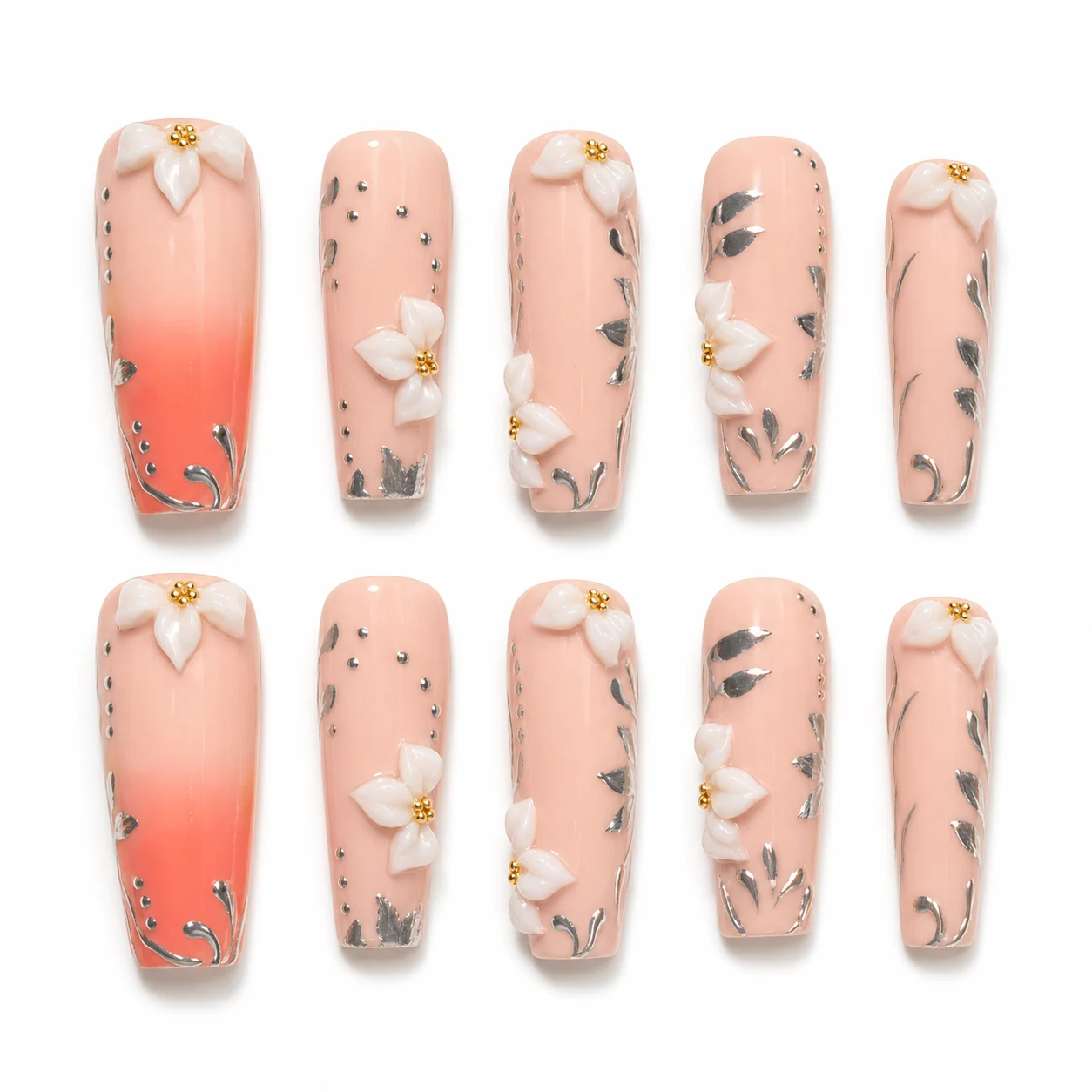
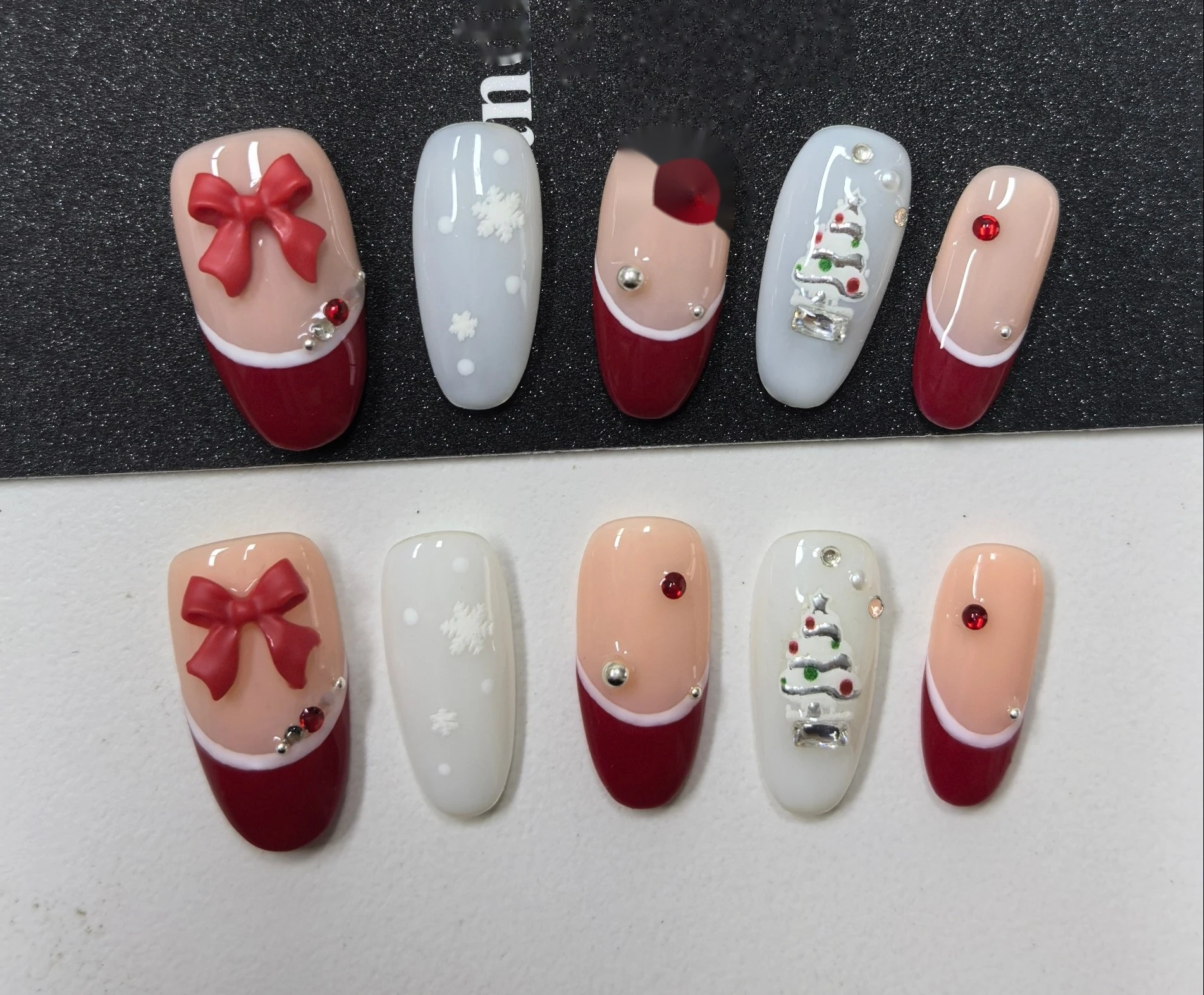
Two suppliers can send similar nail photographs and quote different constructions. For a wholesale buyer, the useful specification separates the nail base, decorative coating and attachment method. Before comparing acrylic, soft gel or ABS options, ask what each name describes and make sure the quoted sample matches the product your customer expects.
A glossy finish does not tell you the material underneath it. A handmade decoration does not establish the base material either. If your brief names only a look and a price target, a supplier may answer a different construction question from the one you intended.
Build the comparison around the finished product, its intended user and the evidence available for that exact item. Material names become useful when they connect to a reproducible specification.
Separate the base, coating and attachment method
Use separate fields for the structure of the nail, its surface treatment and the way it will be attached. Record any accessories supplied with it as well. That prevents a description of the topcoat from being mistaken for a description of the entire nail.
Ask the supplier to complete a construction statement for the quoted model. It should identify the base, any added layers, the decoration and the intended application and removal instructions. If the answer remains “gel nail,” ask which part of the product that term describes.
Keep production method in another field. Hand decoration and machine production concern how an item is made; neither phrase supplies a complete material declaration. Our handmade versus machine-made sourcing guide covers that process decision separately.
Choose a sample only after these fields describe the same item as the quotation. Otherwise, even a well-made sample may answer the wrong brief.
One construction statement should name the base material, every added layer, the decoration process and the intended application and removal method. Four fields, one quoted model, in writing — that is what turns a material word into a specification you can reorder.
Translate the names into questions a supplier can answer
The terms below describe different aspects of a nail product. Treat them as prompts for clarification rather than a ready-made ranking of quality or cost.
| Wording in an offer | What to establish before ordering |
|---|---|
| Acrylic press-on | What construction does “acrylic” mean here, and which component uses it? Ask whether the description concerns the base, an added structure or only an acrylic-style appearance. |
| Soft gel tip | What is the specified tip material, what finish is supplied, and which application system is intended? |
| Gel-X | Is the seller describing an actual Aprés product or using the name loosely for another extension product? |
| ABS nail | Is ABS the declared base material? What coatings and decorations are added to the finished item? |
| Gel finish | Which surface layer is being described, and what is the underlying base? |
| Handmade nail | Which steps are performed by hand, and what base is used before decoration? |
Aprés describes Gel-X as its soft-gel extension system.1 Gel-X is therefore a branded system name, not a separate generic material category alongside soft gel. Naming it accurately avoids implying that an unrelated supplier's product is an Aprés product.
For a request involving liquid-and-powder construction, ask about the actual process and resulting finished nail. CND's liquid and powder system is a useful example of a professional enhancement system that should be distinguished from a box of finished press-ons.2
ABS is a thermoplastic material, as described by materials manufacturer Ensinger3. That classification does not establish the quality or performance of a particular decorated nail. Choose by the declared construction and sample evidence, not by an assumption that one label always wins.
Start with the product your sales channel needs
Specify whether you are buying a finished retail set, undecorated full-cover tips or a professional extension system. These are different purchasing briefs even when the reference photographs share a shape.
For a retail brand, focus on what the customer receives, how the customer selects a fit, and what application instructions belong with the set. For a salon or nail-supply buyer, establish whether the product is a component used within a professional service and what other products that service requires.
Ask for the intended attachment method in writing. If tabs, a separately supplied adhesive or a lamp-based system are proposed, confirm the exact combination and the supplier's instructions for it. Do not transfer instructions between systems simply because the tip shapes look similar.
Your channel brief should also state whether the item is sold decorated, supplied for further decoration or offered as a custom-size order. Choose the construction that fits that product format before negotiating its packaging.
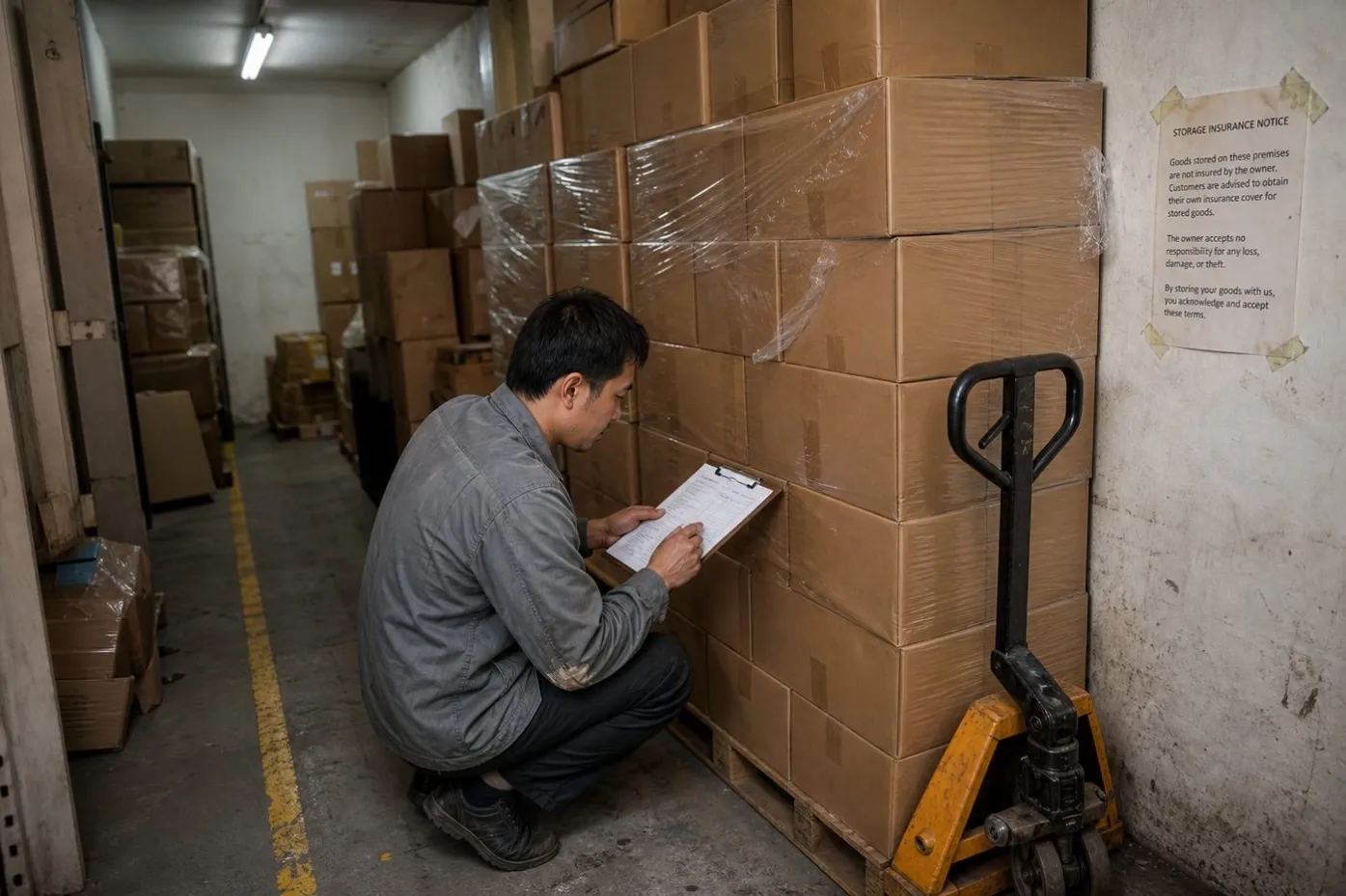
Request evidence tied to the quoted model
A useful material declaration identifies the model and version being quoted. A generic catalogue statement may describe another range, while a sample without an identifier is difficult to connect to a later production run.
Ask for a written construction description, relevant component information and the proposed application and removal instructions. Where testing or other supporting documents are relevant, ask which documents are available upon request and whether their scope covers the actual finished item or only a component.
Review the document's issuer, date and product identification. A photograph of a report cover is not enough to establish what was examined. If the supplier changes the base or coating after quotation, request an updated specification before approving the substitution.
Keep customer-facing claims separate from purchasing shorthand. “Reusable,” a wear-duration statement or a comparison with another material requires evidence for the finished product and its conditions of use. Approve only the claims supported by the item you intend to sell; leave unsupported claims off the packaging.
Approve only the claims your finished product supports. Reusable, wear-duration and material-comparison claims need evidence tied to the model you will sell — a supplier's general brochure is not evidence for your set.
Compare samples through a repeatable inspection
Use samples representing the proposed commercial construction, shape, length and decoration. A plain sample can help establish the base, but it does not answer every question about a heavily decorated finished set.
Create a record for each candidate with the supplier's model identifier, declared material, sample date and agreed specification. Record observations separately from the supplier's explanation of those observations.
| Check | What the comparison should record |
|---|---|
| Construction | Declared base and layers; any differences between the document and supplied sample |
| Profile | Side-view photographs and agreed thickness measurement locations |
| Fit | Width, curve and edge contact against the intended sizing brief |
| Finish | Surface, edges and decoration placement under consistent inspection conditions |
| Instructions | The exact proposed application and removal method for that product |
| Repeat order | Which specification, reference sample and version the supplier will reproduce |
Flexibility or appearance alone should not be used as a material identification result. If identity remains disputed, request appropriate verification instead of treating an informal handling comparison as proof.
Use the wholesale sizing guide to define fit separately. Choose the candidate whose observed construction and fit answer your brief, then retain the approved reference for later comparison.
Compare the complete offer before choosing a material
Ask each supplier to quote against the same construction, shape, finish, pack contents and delivery scope. If one offer changes the base or omits an accessory, identify that difference before calling it cheaper.
Request separate alternatives where they help a decision: a different base, a simpler decoration or another packaging arrangement. Keep the revised specification beside each price. A material substitution should remain visible throughout approval, rather than disappearing into an updated product name.
A substitution that looks cosmetic can change the base, the coating or the attachment system. Keep every revision beside its price so the cheaper offer cannot win by answering a different brief.
For a press-on nail sourcing project, send ZONO Beauty the reference look, required construction, intended application method, target market and expected quantity. ZONO coordinates long-term manufacturing suppliers; the material and availability of a selected option still need confirmation against the project.
Discuss your project with these details and identify which questions must be resolved before you approve samples. Choose the offer only when its material description, supplied sample and commercial scope agree.
Send the reference look, required construction, intended attachment method, target market and quantity. ZONO checks which sourcing route fits and confirms material and availability against the project.
Discuss your construction briefFrequently Asked Questions
Are Gel-X and soft gel two different materials?
Gel-X is Aprés's branded soft-gel extension system. Soft gel is a broader description, so another product using that wording should not automatically be called Gel-X.
Does a gel topcoat mean the nail base is soft gel?
It does not establish the base. Ask for the base material and surface layers in separate fields, tied to the quoted model.
Is ABS automatically a lower-quality choice?
A material name alone is insufficient to judge the finished item. Compare construction, fit, finish and the requirements of your product format before deciding whether an option is suitable.
What should I ask when I specifically want acrylic press-ons?
Describe the construction you mean and ask the supplier to confirm it in writing. Request a matching sample and clarify whether the quoted wording refers to a base, an added structure or an appearance.
Can I promise that a nail is reusable from its material name?
That claim needs support for the finished product, attachment and removal method. Ask for the applicable evidence and conditions before putting the claim on a product page or pack.
Does ZONO offer every material discussed here?
This guide explains purchasing distinctions rather than a confirmed stock list. Send the required construction and intended use so the available sourcing route can be checked for your project.
Conclusion
Name the base, the coating and the attachment method, ask for the construction statement in writing, and keep every claim tied to the model you will sell. Buyers who specify this way get quotations that answer the same brief — and repeat orders that reproduce the sample they approved.
Footnotes
Aprés Nail, “What is Gel-X?”: Gel-X is Aprés's branded soft-gel extension system name, not a generic material category (help.apresnail.com).
CND, liquid and powder enhancement system: a professional service product to be distinguished from finished box press-ons (cnd.com).
Ensinger, ABS thermoplastic material description: classification of the material, not a quality statement about any decorated nail (ensingerplastics.com).