The Best-Selling Press-On Nail Styles for Wholesale Buyers: The Fall 2026 Marketplace Read
Which press-on nail style families are moving right now: how to read Etsy filter chips and best-seller rows, the five families leading Fall 2026, and how to test them in one mixed order.
Most style assortment mistakes are not taste mistakes; they are evidence mistakes. A buyer orders what they personally like, the shipment lands, and the styles nobody searched for are the styles nobody buys. Marketplaces publish the demand data openly, and reading it takes about an hour.
The fastest demand read for a press-on nail buyer is the marketplace itself: Etsy's own filter chips declare what shoppers narrow by, best-seller lists show what actually sells at retail, and both were re-checked for this guide in October 2026. Coquette, Y2K, chrome, cat-eye and 3D character art lead the style families right now.
This is a buyer's read of the marketplace, written for resellers, boutiques and salon buyers building an assortment, not for anyone choosing a single set. Every signal below was observed in October 2026 with the source linked, so you can rerun the check yourself next month and see what moved.
How do you read demand on a press-on nail marketplace?
Start with the platform's own filter chips, because a filter only exists if enough shoppers use it. Etsy's press-on nails search currently exposes Cat, Star, Pumpkin, Pink, Gold, Brown, Coquette, Retro, Y2K, Chrome, Rhinestone, 3D, Fall and Spring as narrowing options, alongside Under $20 and Ships from US.
That chip list is the closest thing press-on nails have to a public demand index: the platform adds and removes filters as shopper behavior shifts, so a theme that earns its own chip has volume behind it. The commerce filters matter just as much for buyers. Under $20 marks where most retail impulse purchases happen, and Ships from US marks the delivery-speed expectation a domestic competitor sets. Listing titles add a second layer of signal: handmade sellers stack search terms into titles, so repeated words across titles, chrome and cat-eye across dozens of them, kawaii and Y2K recurring, are tiny demand polls paid for in real orders1.
Which style families are moving in Fall 2026?
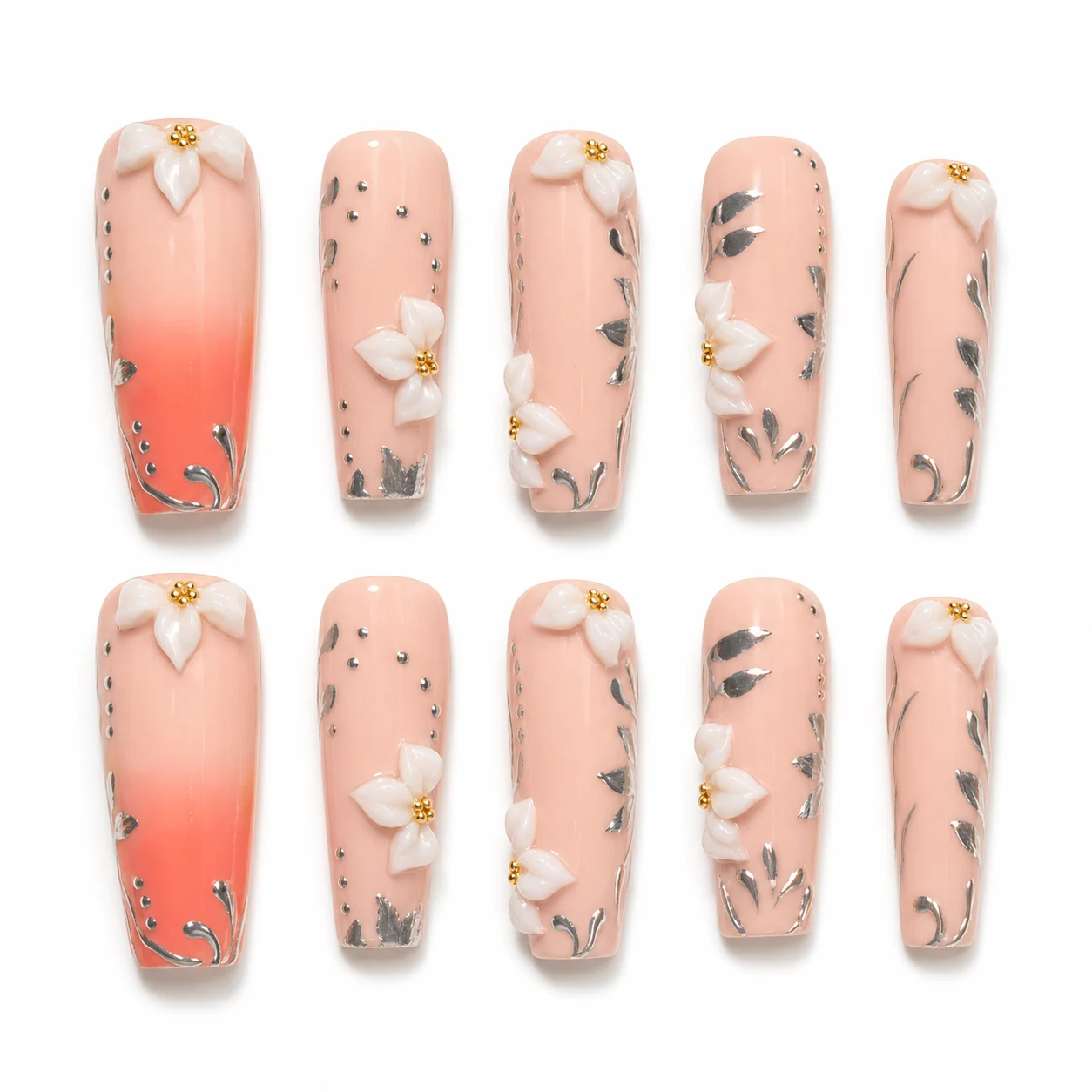
Five families dominate the current marketplace read: coquette bows and pink romance, retro Y2K patterns, chrome and cat-eye finishes, kawaii 3D character art, and a gothic-to-whimsical artsy cluster. Seasonal fall themes ride on top of all five.
| Style family | What it looks like | Signal behind it |
|---|---|---|
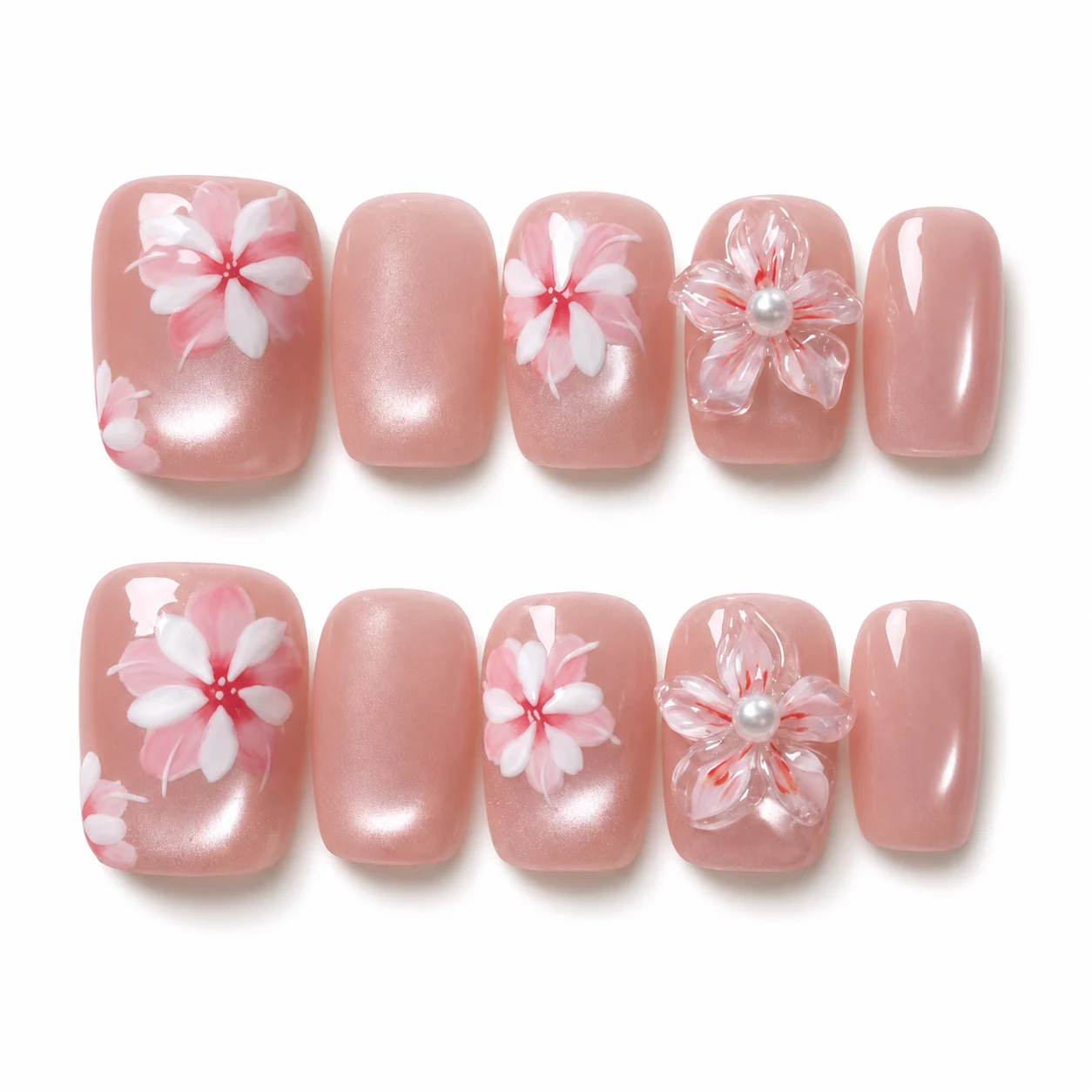
| Coquette romance | Bows, blush pink, pearls, polka dots, gold charms | Coquette and Pink chips; bows across many listing titles |
| Retro Y2K | Tortoiseshell French, zebra and leopard prints, stripes, brown tones | Y2K, Retro and Brown chips; repeated tortoiseshell titles |
| Chrome and cat-eye | Glazed metal finishes, magnetic cat-eye lines, silver French | Chrome chip; cat-eye across numerous independent titles |
| Kawaii 3D | Charms, cartoon-adjacent cute food and animals, pastel donuts, bears | 3D chip plus the kawaii cluster in titles |
| Gothic to whimsical | Gothic crosses, spider webs, stained glass, celestial sun and moon | Fall chip plus a dense artsy cluster in titles |
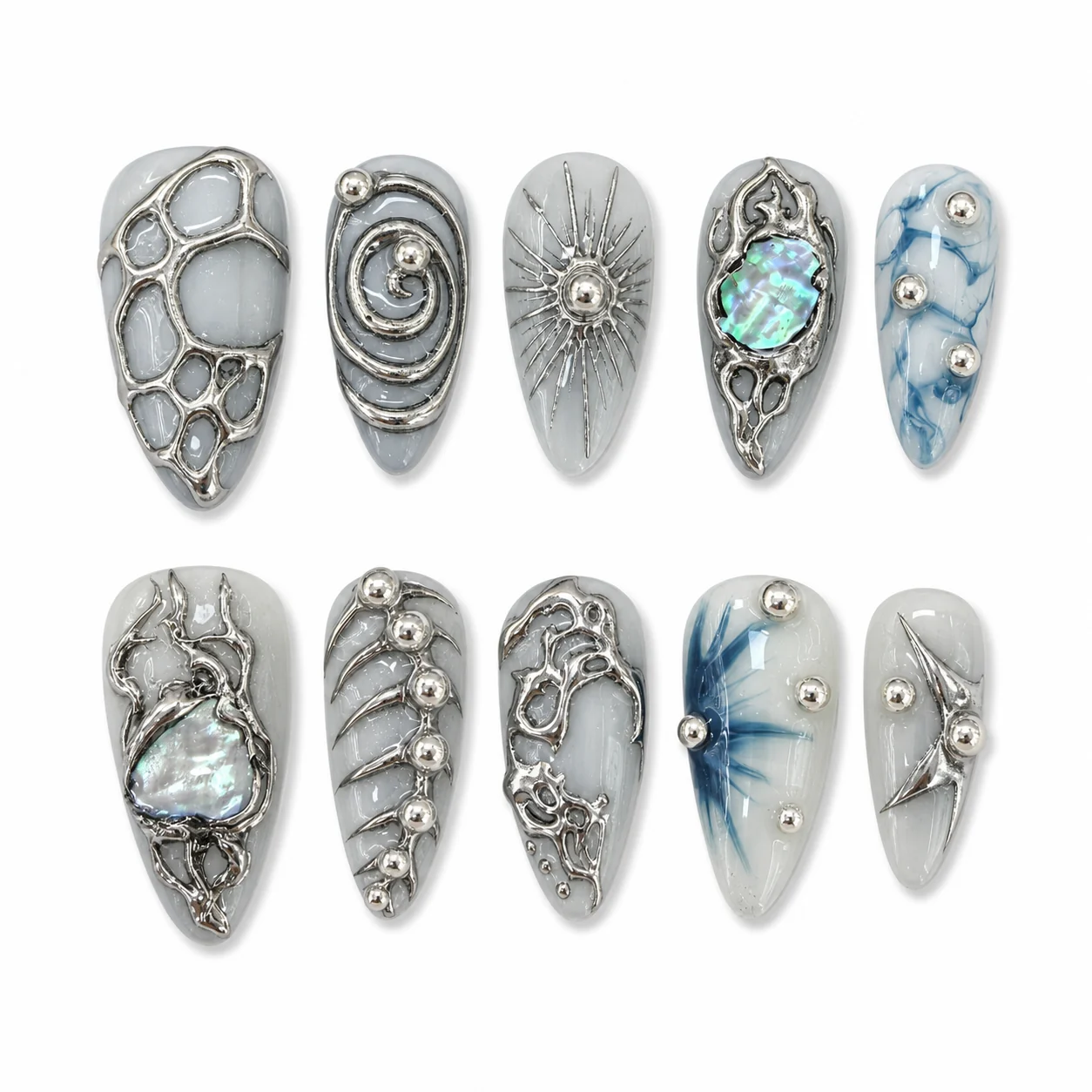
Two cautions belong next to the table. First, the character end of kawaii runs straight into intellectual property: marketplace titles openly include cartoon and game characters, and those designs are the sellers' own licensed or unlicensed territory. A wholesale buyer producing commercially cannot reproduce named characters, which is why original seasonal design development matters more for a brand than copying a hot listing. Second, chip-level demand is demand for that platform's shopper, not automatically for your counter; a salon's client base may skew more cat-eye and French than kawaii. The families are directions, not purchase orders.
It also pays to map the families against price tiers before you shortlist. Chrome, cat-eye and French families travel well across all three shelves because finish reads clearly at every price; kawaii 3D lives mostly in the handmade premium rows where charm labor is priced in; coquette bows and Y2K prints span the middle, which is where most boutique assortments actually sit. A practical rule: if your counter sells above the mass-market shelf, weight the assortment toward the families whose decoration depth justifies the premium, and if you compete near the multipack shelf, finish-led families give you visible difference at lower production depth. That mapping, more than any single hot style, is what keeps an assortment coherent once it lands on a real counter next to real competitors.
What does the mass-market shelf sell right now?
The Amazon best-seller row confirms where the volume sits: short almond and square kits from name brands and multipack boxes dominate, while the handmade premium segment holds clearly above them. Each shelf answers a different buyer question.
Amazon's press-on best sellers currently lead with glossy short almond 24-piece brand kits and bulk multipacks. That is the shelf your retail customers compare against: a boutique set needs a reason to price above it, and the reason is usually construction or decoration depth, handmade 3D work that the mass kits do not carry. The handmade marketplace row lives clearly above that shelf, and the wholesale pricing framework shows how the two rows set the margin space a private label line lives in.
How should a wholesale buyer act on these signals?
Turn the families into a test, not a bet: pick two or three families, order them mixed in one wholesale order, and let sell-through pick the winner. Marketplace evidence lowers the odds of a dead style; your own sales data closes the case.
The mixed ready-style tier exists for exactly this: one order, several designs across the families you shortlisted, enough units per design to read a preference, from 50 sets. Timing matters as much as selection in the fall window; holiday stock needs to land before the selling weeks, and our own seasonal guidance is to order by November 15 to land stock before Black Friday. The seasonal playbooks cover the two live windows in detail: the Christmas wholesale guide, the Halloween channel assortment, and the finishing touch decisions in gift-ready finishes. Sizing closes the loop before any of it ships, because fit complaints, not style complaints, drive returns; the sizing guide for wholesale buyers lists what to confirm.
Re-run the read on a cadence rather than once. The same hour spent on chips and best-seller rows every four to six weeks tells you when a family is peaking, when a new chip appears, and whether your assortment is drifting out of demand while stock sits. Buyers who treat it as a routine check catch trends on the way up; buyers who check only when sales slip are reading the trend after their own shelf already answered it.
Turn the cadence into a one-page routine and it becomes a team habit instead of a research project. List the five families across the top, your current stock designs down the side, and mark where each design sits: strong, thin, or absent. The gaps are your next order, and the marks that show a family thinning across your whole shelf are your earliest warning that demand moved before your inventory did. Ten minutes a month with this sheet, fed by the marketplace read, keeps the assortment aligned with what shoppers are actually filtering for, and it gives every wholesale conversation a concrete starting point: which families you need, in what depth, for which season1.
Frequently asked questions
Which press-on nail styles sell best for resellers right now? The October 2026 marketplace read puts coquette bows, retro Y2K prints, chrome and cat-eye finishes, kawaii 3D charms and a gothic-to-whimsical artsy cluster at the front, with fall themes layered on top1. Treat them as test candidates for a mixed first order rather than a guaranteed lineup.
Can I buy the trending character designs wholesale? Named cartoon and game characters are intellectual property, and commercial production of them is not something a legitimate supplier can offer. Original designs in the same aesthetic family, cute pastel 3D, gothic romance, celestial art, give you the demand without the legal exposure.
How many style families should a first assortment cover? Two or three, mixed in one order from 50 sets. A broader first spread splits your demand signal thinner and delays the reorder decision that actually earns money, as the bulk versus small-batch comparison explains.
Send your market and customer type. ZONO maps the current style families to a mixed trial order, flags what is original and safe to produce, and confirms quantities and timing per project.
Start the conversation For the catalog view, see wholesale press-on nails and OEM sourcing.Conclusion
Assortment risk drops the moment you substitute evidence for instinct. The October 2026 marketplace read hands you the families shoppers are actively filtering for, coquette, Y2K, chrome and cat-eye, kawaii 3D, and the artsy gothic cluster, plus the price shelves they sell against, and the only work left is disciplined testing: two or three families, one mixed order, sell-through as the judge. Read the marketplace again next month; the chips will have moved, and now you know to look.
Footnotes
Etsy press-on nails search results: platform filter chips (Coquette, Retro, Y2K, Chrome, Rhinestone, 3D, Cat, Star, Pumpkin, Pink, Gold, Brown, Fall, Spring, plus Under $20 and Ships from US) and listing-title themes observed October 2026. etsy.com ↩︎