Stock vs. Custom Packaging: Where Wholesale Makeup Margin Really Lives
Custom makeup packaging carries the widest cost range in any wholesale makeup SKU. Compare per-unit cost, tooling, assembly, and freight before you commit.
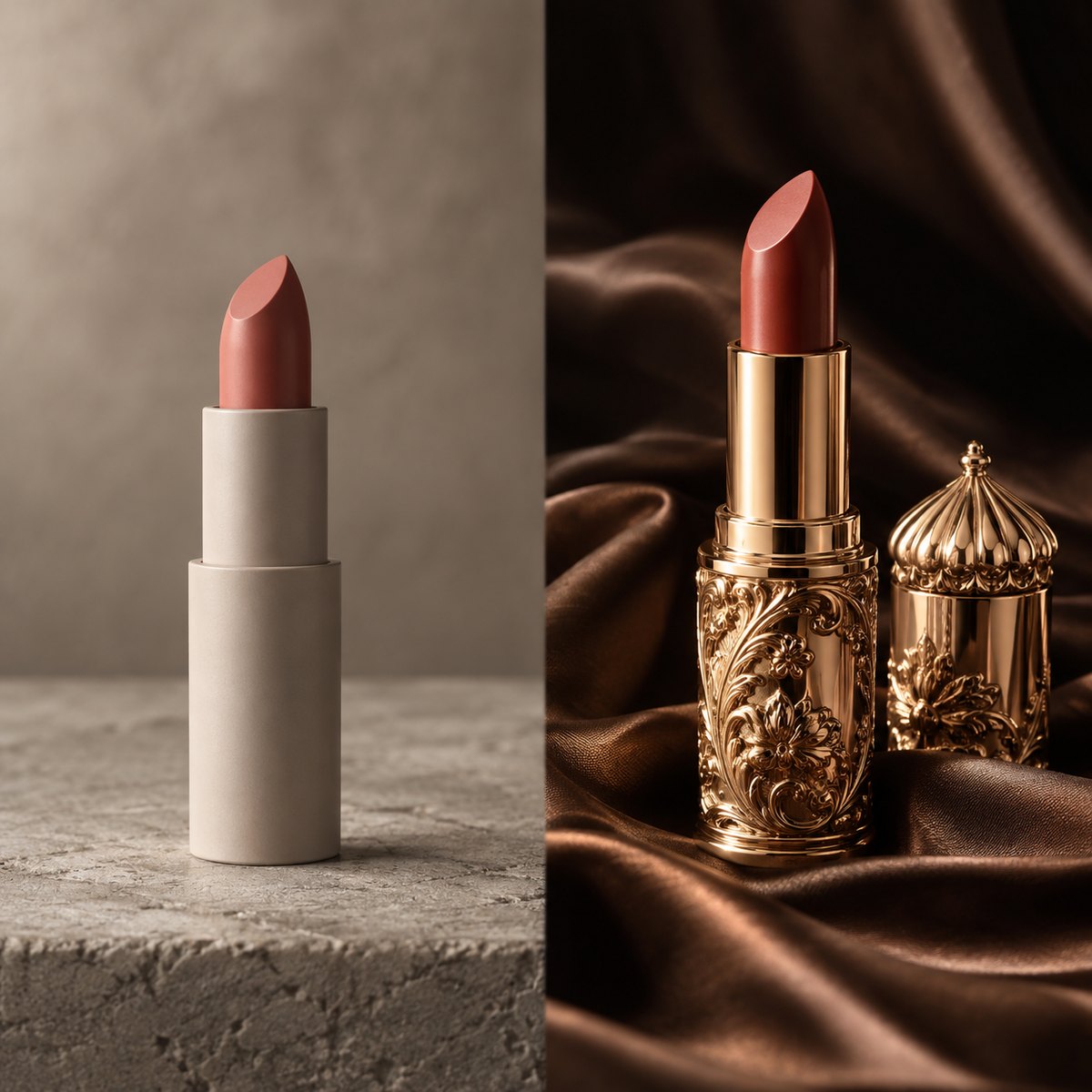
Two brands can sell the same lipstick, the same pigment family, the same finish, even from the same filling line, at different prices. The formula is rarely the difference. Packaging is: it carries the wider cost range and it is the part the customer sees, holds, and photographs.
For a new or growing brand it is the most consequential sourcing decision there is; run it before committing to tooling. A blanket margin promise means nothing until it is set against the channel, the landed cost, and the price that channel can sustain. Any figure quoted without those three numbers is a sales line, not an economics answer.
Why the formula is rarely where the margin lives
Ask a partner factory what it costs to move a formula from adequate to premium, and in most color categories the formula is the smaller lever. Pigments and base ingredients are commodities at volume; packaging is not. Packaging carries the wider cost range, and it is what the customer sees, holds, and photographs.
First-time brands optimize the formula because it is the part they can talk about: texture, finish, shade range. Packaging feels like an afterthought. The economics run the other way.
Pigments and base ingredients are commodities at volume
At wholesale scale, pigments, waxes, oils, and emulsifiers are commodities bought in bulk. Once a formula is stable, making it premium costs a fraction of what goes into the component that holds it. The industry standardizes formulas and differentiates on the container.
When two suppliers quote different prices for "the same" product, the gap is almost never the pigment inside. It is the tube, the cap, the applicator, the printing, and the one-time work that makes those components the brand's own.
Packaging is the part the customer sees, holds, and photographs
A customer never photographs the wax; they photograph the component. The weight of the case, the click of the cap, the reflection off the finish: that is what justifies a higher price in a premium channel, and it is the largest variable cost in the SKU.
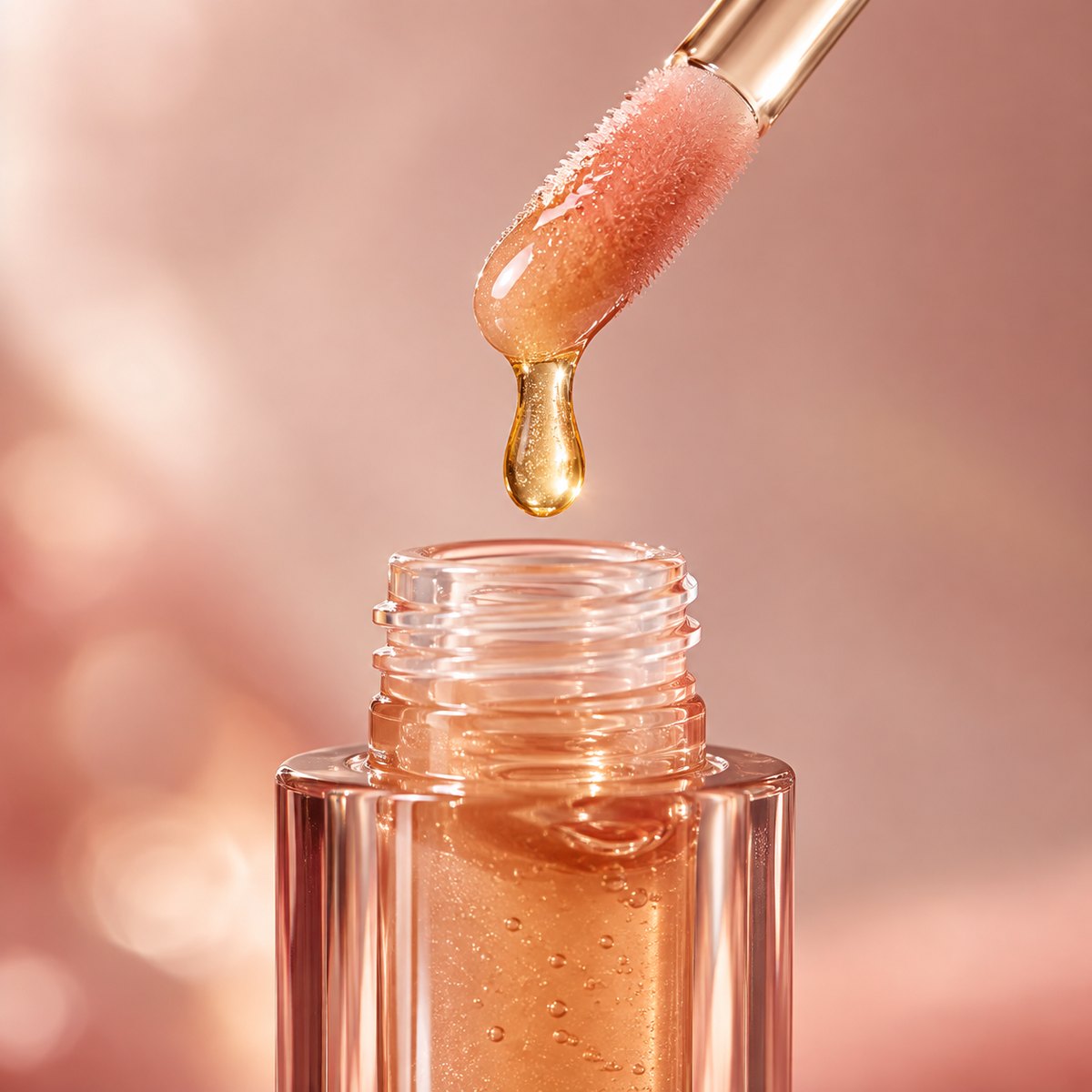
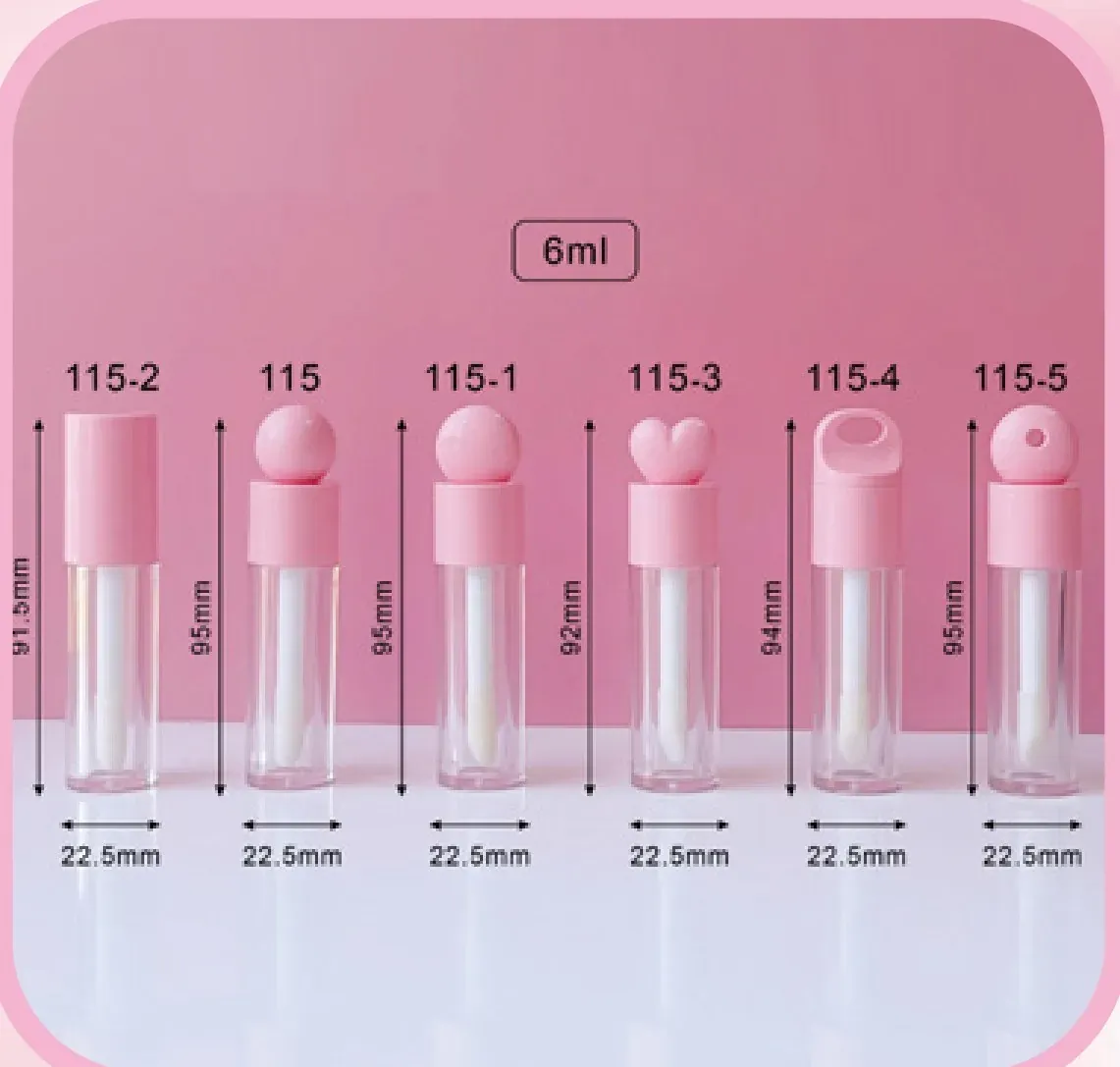
The same lip gloss in a cheap stock tube or an elaborate custom-molded one sits in a different price tier. Same fill, same shade, same shelf performance; the packaging decision alone moves the product between categories.
What do I actually pay for when I go custom?
A packaging quote that shows only a per-unit price cannot be compared against another supplier's. Every packaging decision carries four cost layers: per-unit components, one-time tooling, assembly and filling, and freight plus defect loss. A supplier who hides any one of them is hiding the real price.
Most buyers receive a single per-piece number and treat it as the answer. It is one of four layers; the other three can quietly erase the margin that number appeared to promise.
| Cost layer | What it includes | Where it shows up in the quote | Question to ask |
|---|---|---|---|
| Per-unit component | Tube, case, bottle, cap, applicator, and decoration per piece | The headline unit price | Is printed or labeled decoration included, or billed separately? |
| One-time costs | Molds, tooling, print plates, pre-production samples | A separate line, sometimes a separate quote | Who owns the mold after I pay, and is the fee per design or per SKU? |
| Assembly and filling | Fitting components, filling, sealing, and inline QC | Labor and processing, often bundled | What is included per piece, and how are fit failures handled? |
| Freight and loss | Consolidated shipment, breakage, defect write-off | Freight plus a loss allowance | What defect or breakage allowance is built in, and who absorbs overruns? |
Layer by layer, and why they live in different places
Per-unit cost drops as volume rises, because one-time costs amortize across more pieces. One-time costs do not: they are paid once and disappear into the first run. That is why the first custom order is the expensive one and the repeat is not.
Assembly and filling is where small failures hide. A cap a fraction off its tolerance will fill fine in the sample and leak in the shipment; that cost shows up later as a defect claim, not as a line on the quote.
Freight and loss is the layer buyers forget. Two suppliers can quote the same per-unit packaging cost and deliver different landed costs, because of packing, origin, and breakage allocation. Only a complete quote can be compared; see building a comparable supplier quote and comparing quotes without hidden costs.
Who owns the mold after it is paid for
The most consequential one-time cost is the mold, and the most common oversight is not asking who owns it. Some arrangements transfer ownership; others retain the tool, which makes an exit expensive. It is a contract term, not a quality measure. Confirm in writing before paying:
- Who owns the mold after the tooling fee is paid.
- Where the mold is stored, and who pays for storage.
- Whether the fee is per design or per SKU.
What the pack must legally carry
Packaging must carry information a market legally requires, and that constrains cost. In the EU, a cosmetic needs a Responsible Person and a Product Information File1 and notification through the Cosmetic Products Notification Portal before sale4. In the US, cosmetics are regulated rather than pre-approved and the firm is responsible for safety2; under MoCRA that means facility registration and product listing3, with labelling set by 21 CFR Part 701 and the Fair Packaging and Labeling Act5. Classification as cosmetic or drug follows intended use6 and changes which requirements apply. The consequence: a component that cannot carry the required information at a legible size (a very small tube, a minimalist cap, a decorative-only finish) is legally unsellable in that market, however good it looks.
When does custom packaging eat margin instead of raising it?
Custom packaging earns its cost only when the channel lets a premium package support a premium price. In a discount-driven channel it does not raise the price; it simply consumes margin. Before committing to tooling, confirm the product has a reason to exist at the higher price.
The channel sets the ceiling on what custom can return
In a premium direct-to-consumer or boutique channel, the package does real selling work: it signals the brand, earns the unboxing, justifies the price. In a discount-driven channel (clearance, aggressive marketplace pricing, a price-sensitive importer) it does none of that; the customer buys on price, and an elaborate component is a cost the price cannot recover.
Sanity-check the retail side before committing
Before spending on tooling, run a retail-side test. Does the SKU have a reason to exist at the higher price: a brand story, supporting content, reviews, an audience that already trusts the positioning? If not, the custom package will not create that reason. Three questions, in order:
- What does this channel actually pay for this category?
- What will the customer actually see at the shelf or on the screen?
- Is there evidence the product can hold the higher price?
If the third answer is weak, start in upgraded stock and let the market prove the premium before paying for the mold.
MOQ is two numbers, not one
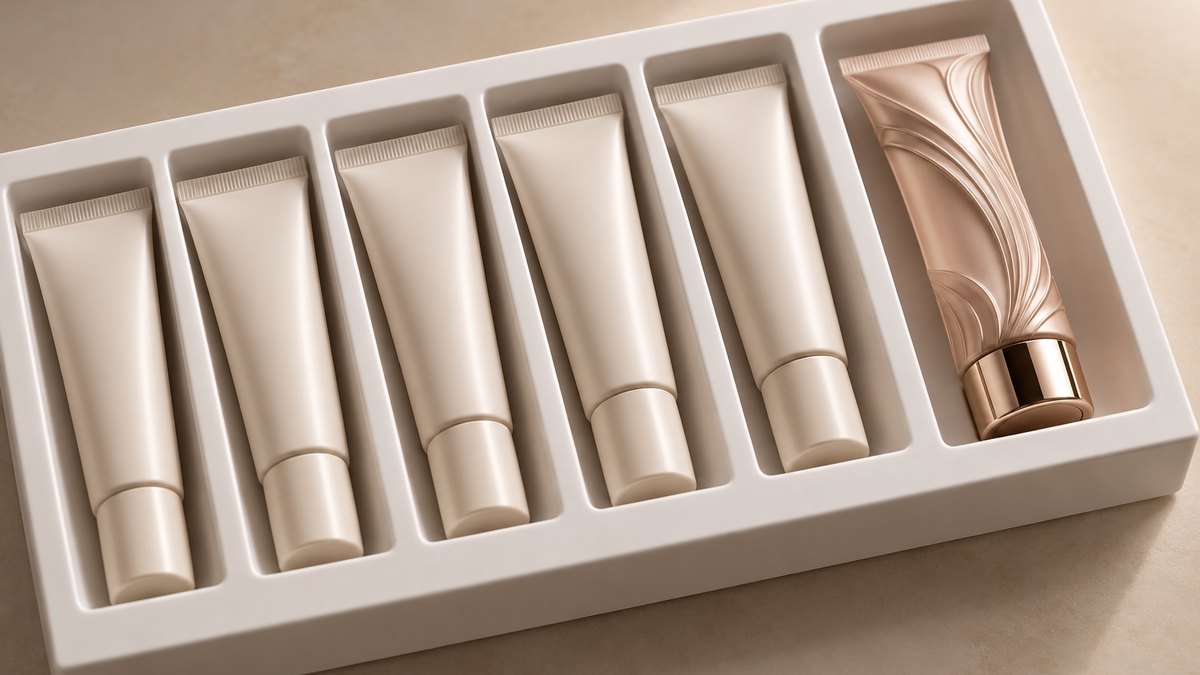
Minimum order quantity is two separate numbers, not one. Component and packaging MOQ, the minimum on tubes, wands, decoration, or print runs, is frequently higher than the filling MOQ for the same formula. A first-order buyer must surface both before committing to either.
For a first-order buyer this is the most practical point in the whole decision, and the one most often discovered too late. A supplier quotes a fill minimum that looks manageable, and the buyer only later learns the custom wand carries its own, higher minimum.
| Number | What it limits | Why it differs | How to surface it |
|---|---|---|---|
| Filling MOQ | The minimum formula or fill run | Set by filling-line batching and changeover | Ask for the fill minimum for the specific formula |
| Component / packaging MOQ | The minimum on custom wands, tubes, caps, decoration, or print runs | Set by tooling amortization and print setup | Ask for a separate minimum, broken out by component |
Component MOQ and filling MOQ are separate
A filling line can run small batches efficiently. A custom component cannot: the mold, the print plates, and the setup are only economical spread across a large run. That is why each custom component carries its own higher minimum, above the fill quantity.
Surface both numbers before signing
Do not accept a single "MOQ" number. Ask for the fill minimum and the packaging minimum separately, by component, and ask whether the packaging minimum applies to the first run only or to every reorder. For tiered pricing, reading tiered pricing across quantities walks through reading those numbers together.
Questions to ask before signing:
- What is the fill minimum for this exact formula?
- What is the packaging minimum for each custom component, and is it separate?
- Does the packaging minimum apply to the first run only, or to every reorder?
- Is the tooling fee per design or per SKU?
Which product should I customize first?
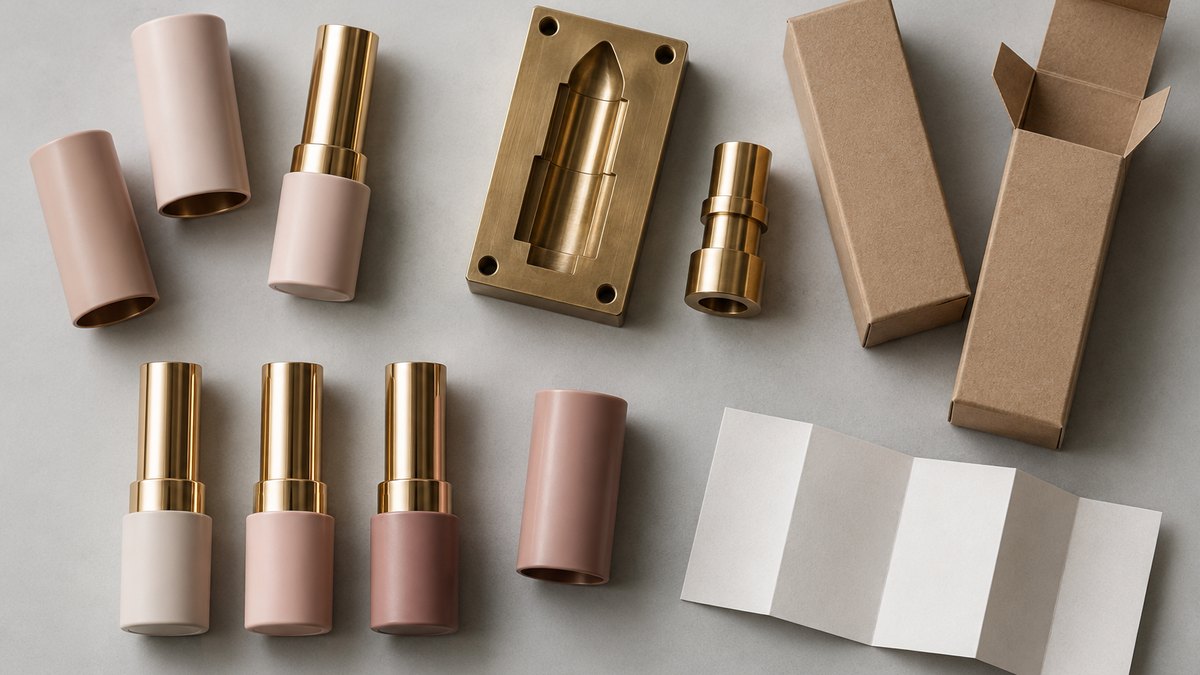
Never customize the whole collection at once. The pattern that works is: launch core sellers in upgraded stock, move the proven hero SKU to full custom, then roll the winning packaging system across the line. Each step risks only what the previous step proved.
The three-step path, in order
- Launch core sellers in upgraded stock: quality components with custom printing or labels only. This keeps capital free and time-to-market short while the market shows what actually sells.
- Move the single proven hero SKU to full custom: mold, finish, and unboxing. A hero has already shown it can carry volume and price on its own; it is the one SKU worth a mold.
- Once the hero's economics are proven, roll the winning packaging system across the rest of the line, reusing mold families, finishes, and print language so each new SKU costs less to add.
This is the staging a coordinated partner supports. ZONO Beauty's three paths, ready-stock, semi-custom, and full OEM/ODM, map onto the ladder: start from a 1,000+ SKU ready-stock library shipping from as few as 12 pieces within 48 hours, then graduate one proven SKU at a time toward full custom.
Why each step risks only what the last step proved
Every step spends money only on a claim already demonstrated. Upgraded stock risks a print run, which is low. Full custom risks a mold, which is high, so it goes only to a SKU that has proven demand. Rolling across the line risks new molds, but only on products sharing a system with a proven winner.
What changes when formula and packaging come from one coordinated chain?
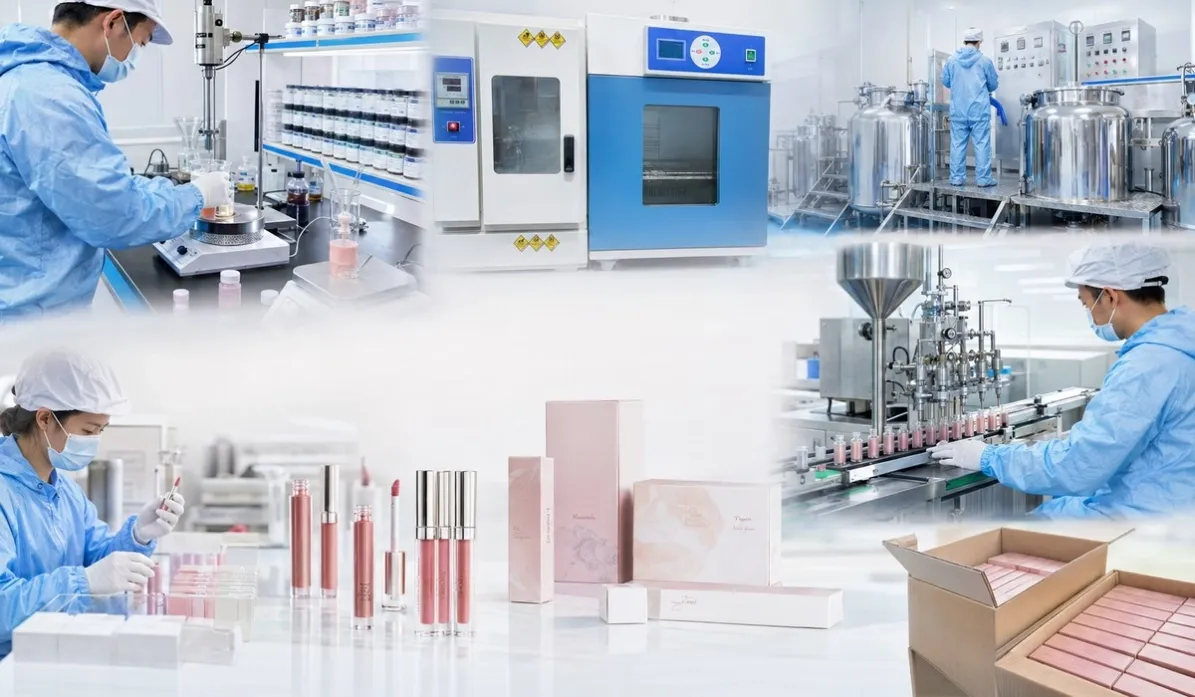
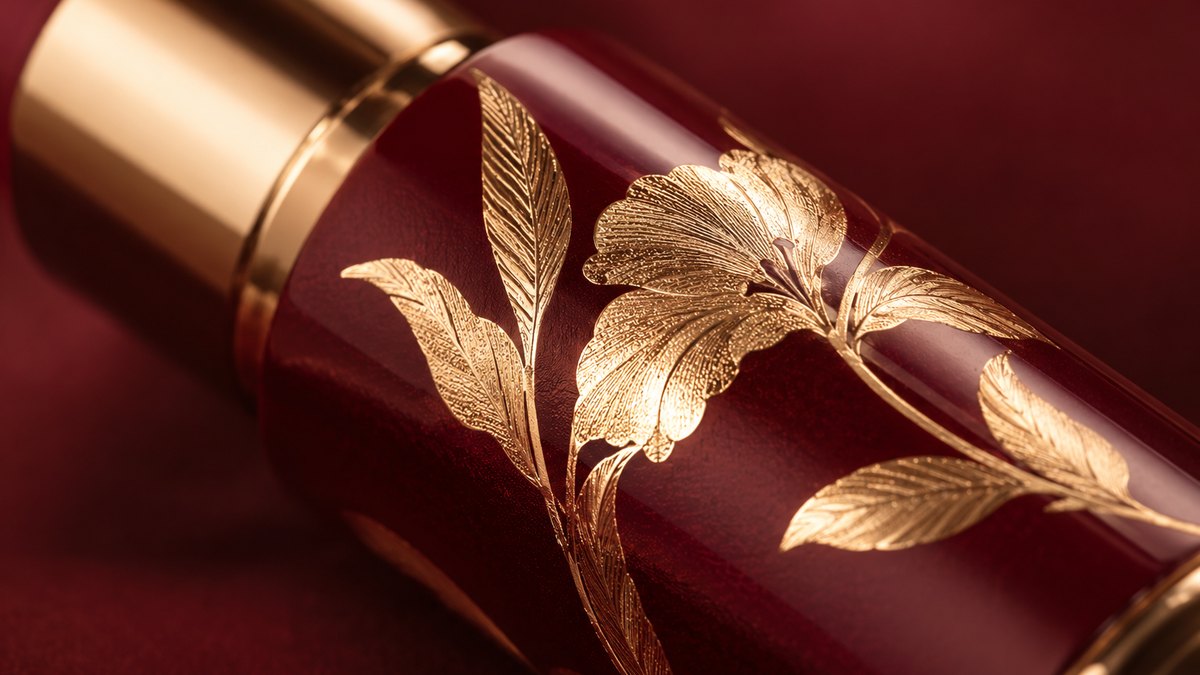
Sourcing formula and packaging through one coordinated chain does not just reduce paperwork. Freight consolidates into one shipment, fit problems get caught before filling instead of in the customer's hands, and restocking accelerates when a partner holds your specification. Ask the operational question in writing.
Fewer handoffs, fewer failure points
One coordinated chain changes three practical outcomes:
- Freight and handling consolidate into a single shipment instead of components and bulk product traveling separately.
- Fit problems, a leaking pump or a misaligned cap, get caught when the filler and the component supplier verify the fit before filling, not after shipping.
- Restocking accelerates when a partner holds the specification and can repeat an order without re-engineering it.
These are directional benefits, not guarantees; a coordinated chain reduces defects and delay only as well as it is actually run.
The question every buyer should ask in writing
One operational question separates a coordinated chain from a marketing claim. Ask every supplier in writing: how do you verify component fit before filling, and who absorbs the cost of a mismatch?
The answer shows whether the supplier coordinates both halves of the product or merely resells them. A concrete pre-fill fit-check and a clear cost allocation mean a coordinated chain; a vague answer means the cost gets passed downstream.
Frequently Asked Questions
- Is stock packaging always cheaper than custom? Usually, but "cheaper" is incomplete. Stock avoids tooling and carries lower minimums; custom can support a higher price in the right channel.
- When should custom packaging come before the formula? When the channel lets the package carry the premium and one hero SKU has proven demand.
- What does MOQ really mean for packaging? Two numbers: the filling minimum and the component minimum. Surface both before committing.
Conclusion
The margin does not live in the formula; it lives in the packaging decision and how well it is executed. Compare the four cost layers, separate the two MOQs, sanity-check the channel, and go custom only where a proven hero justifies it. That is how a packaging decision pays for itself.
ZONO Beauty is a private-label, OEM, and ODM cosmetics partner for beauty startups, content creators, and growing brands. We coordinate long-term manufacturing suppliers; we are not positioned as a single factory. Ten years of experience and a ready-stock library of over 1,000 SKUs support the stock-versus-custom comparison at real, itemized quotes.
The work ends when the four cost layers are on paper, both MOQs are surfaced, and the only SKU going custom is the one that has earned it.
Footnotes
1. Regulation (EC) No 1223/2009 of the European Parliament and of the Council on cosmetic products. EUR-Lex. ↩︎
2. FDA Authority Over Cosmetics: How Cosmetics Are Not FDA-Approved, but Are FDA-Regulated. FDA. ↩︎
3. Cosmetics & U.S. Law. FDA. ↩︎
4. Cosmetics. European Commission. ↩︎
5. Cosmetics Labeling. FDA. ↩︎
6. Is It a Cosmetic, a Drug, or Both? (Or Is It Soap?). FDA. ↩︎
Share the product type, formula route, shade count, packaging direction, target market, and approximate quantity. ZONO can help separate the four cost layers and surface both MOQs.
Discuss your packaging briefTo see how stock, semi-custom, and full OEM/ODM routes are staged across a private label project, explore private label makeup development.