How to Ask a Cosmetic Supplier for a Complete, Comparable Quote
Use this RFQ framework to ask cosmetic suppliers for quotes that clearly separate product, packaging, artwork, documentation and commercial assumptions.
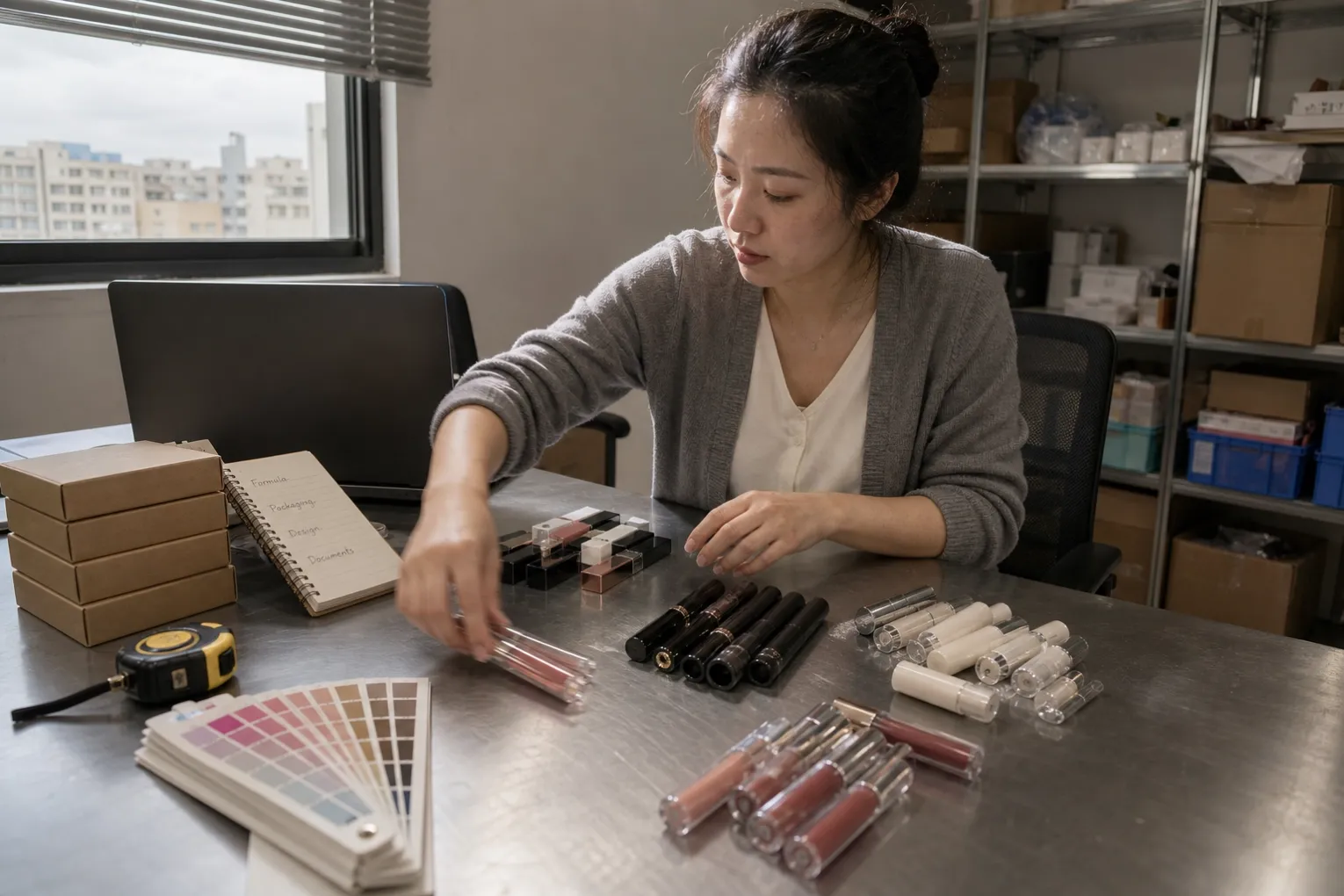
A useful supplier quote starts with a controlled request—not a request for “your best price.” Give every supplier the same brief, state what is known and what still needs confirmation, then ask for each cost and assumption to be shown separately. That makes the next decision clearer: which quote fits the project scope, rather than which number looks lowest in isolation.
What “complete” means in a cosmetic RFQ
For a private-label lip product, a quote is comparable only when it is tied to the same product, component, artwork, destination and commercial basis. If one supplier assumes a stock tube and another assumes a decorated component, their totals are not two answers to the same question.

| RFQ block | Include | Ask the supplier to confirm |
|---|---|---|
| Product | Type, finish direction, target fill, shade count and references | What is sufficient to quote and what needs sampling first |
| Packaging | Component, applicator, outer pack and decoration direction | Which component and decoration assumptions the price uses |
| Artwork | Logo status, copy status, files and approval owner | Files, proofs and approvals needed before printing is locked |
| Market and documents | Target market, intended claims and requested records | What is available for the actual product and what needs separate review |
| Commercial basis | Quantity scenarios, destination and requested trade term | What is included, excluded, one-time and recurring |
Quote formula and packaging as one scope
Formula and packaging may follow different sourcing paths, but the quotation should record how they connect. Ask the supplier to name the component assumptions used in the price: the tube or container reference, applicator or wiper where relevant, decoration method, and proposed fill. If a filled sample or compatibility review is needed before a bulk decision, record it as a separate stage—not as a guarantee hidden inside a unit price.

- Ask what information or sample stage is needed to assess a formula-and-component pairing.
- Ask the supplier to mark every included item, exclusion, dependency and one-time charge.
- Do not treat a concept image, empty component or early texture reference as a final production specification.
Ask for a line-item structure, not a single all-in number
The first comparison is scope versus scope. Request a line-item sheet that distinguishes repeat-order cost from project-specific work.
| Quote line | Why it should be separate |
|---|---|
| Product or formula scope | Shows the fill, finish and shade assumptions behind the figure |
| Primary packaging and applicator | Reveals the component set rather than a generic package line |
| Decoration and print | Makes print method and artwork dependencies visible |
| Outer packaging | Keeps cartons, labels or inserts from disappearing into a total |
| Samples, proofs or development stages | Shows what must happen before bulk approval |
| Tooling or other one-time items | Separates a launch cost from a repeat-order cost |
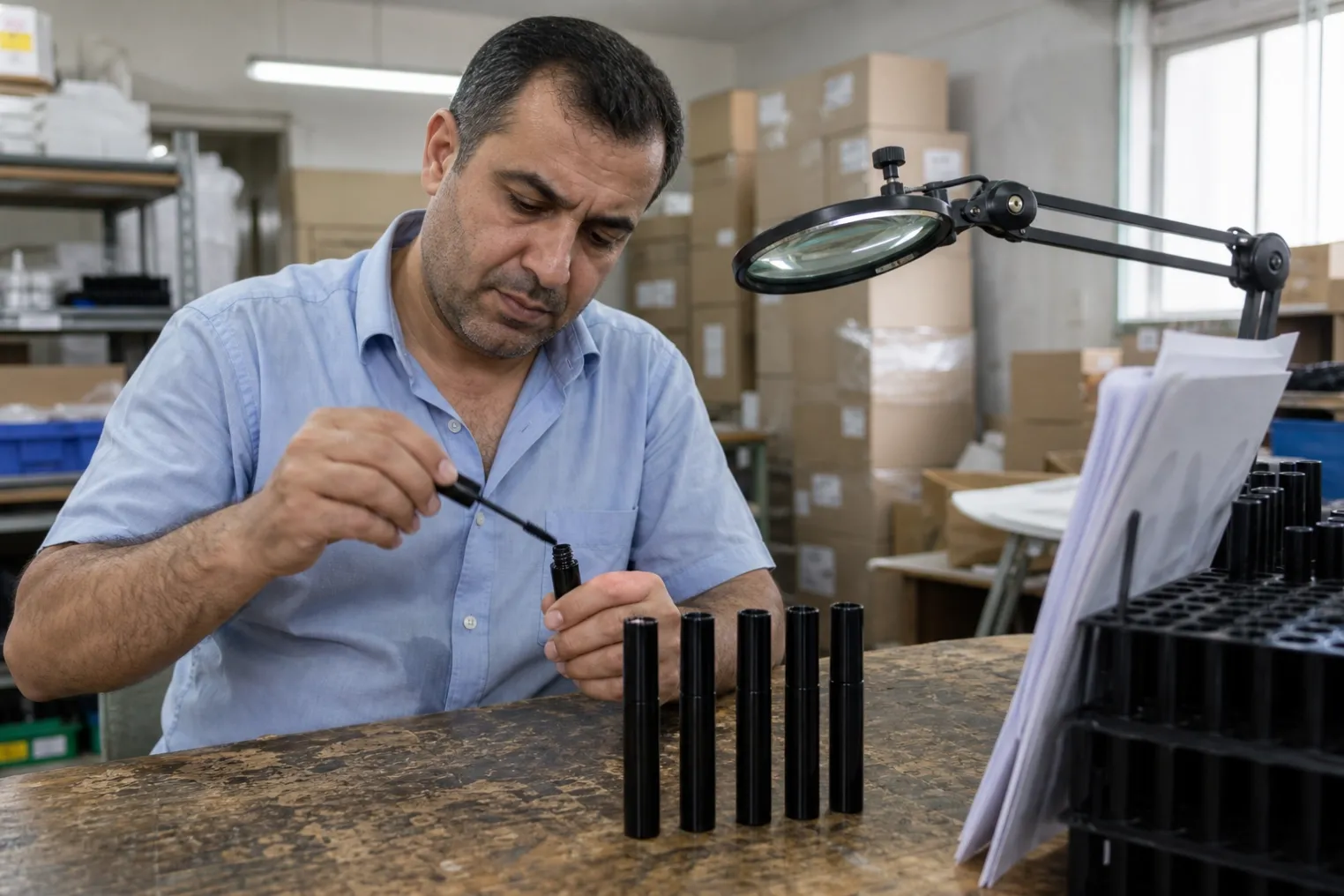
Name the market before the quote turns into artwork
Target market affects the questions a buyer needs to settle, especially for labeling and claims. The U.S. FDA provides a Cosmetics Labeling Guide covering labeling requirements and examples. That is market context, not legal advice and not a transfer of the brand’s responsibility for review.
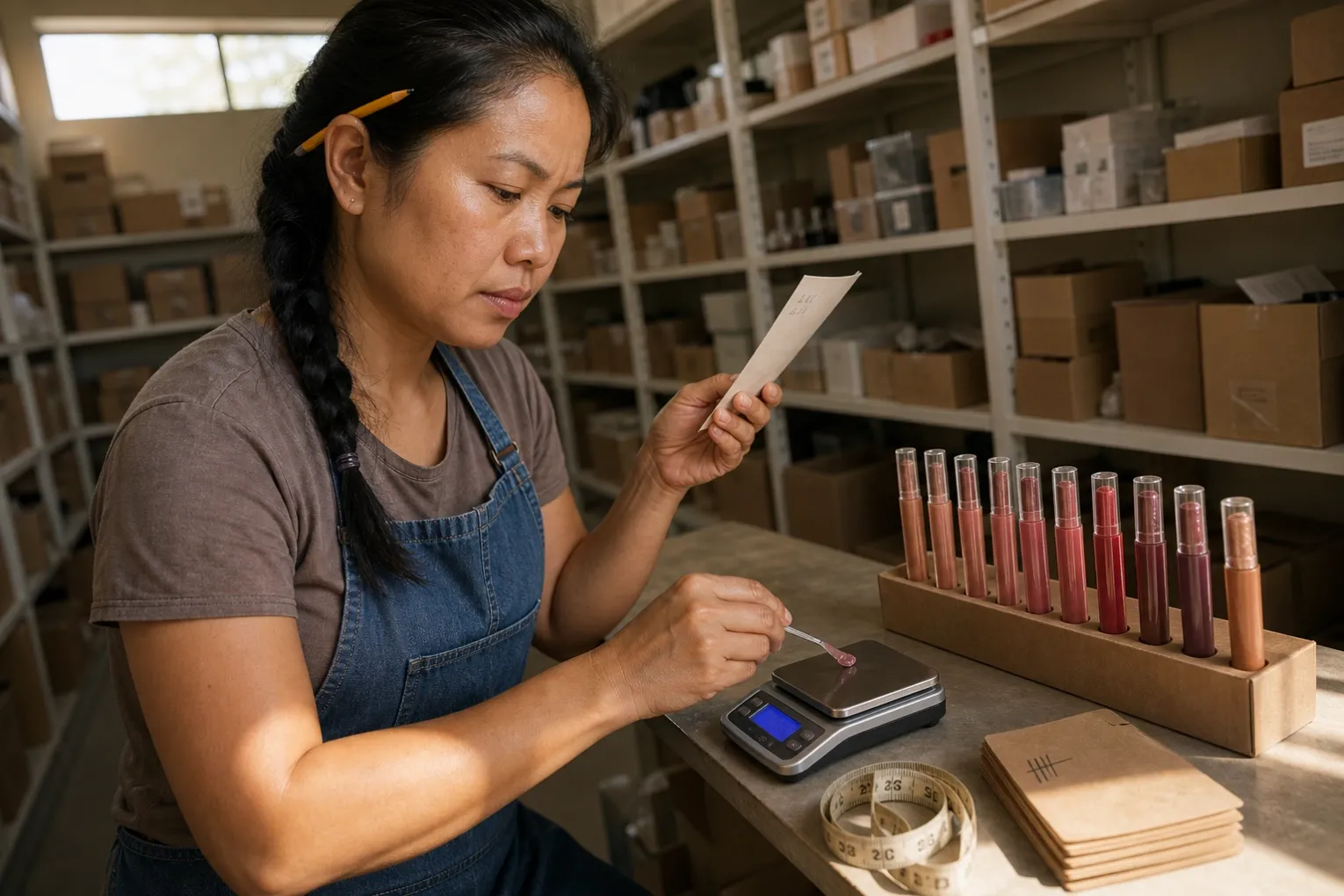
At RFQ stage, request a simple response against each item: available with the quotation; available after product or packaging definition; available only after a sample or production stage; or outside the supplier’s scope.
Copyable RFQ checklist
- What exact product is being quoted, and what is still exploratory?
- What fill, shades, references and exclusions shape the product scope?
- Which packaging components and decoration assumptions are in the request?
- Is the artwork ready, partial or not started—and who approves it?
- Which market, destination and commercial comparison basis should the supplier use?
- Which price items must be separated from one-time project costs?
- Which documents, sample steps or confirmations are requested—not assumed?
Frequently asked questions
Should I ask for a price before I have final artwork?
Yes, if the artwork status is clear. Ask the supplier to identify what the provisional price assumes and which decisions could change it.
Should I send different suppliers different briefs?
Not if you want to compare them. Use one controlled version, then log each supplier’s questions and exceptions separately.
Can a quote confirm compliance or product performance?
No. A quote can identify the requested scope and what still needs confirmation. Regulatory, labeling and product-suitability decisions need appropriate review for the product and market.
Next step
Before asking for quotations, turn your concept into one decision-ready brief: product direction, packaging references, artwork status, quantity scenarios, market and destination. If you would like a second set of eyes on the scope, contact ZONO Beauty To connect the RFQ with a private label development route, explore private label makeup development. with those inputs and the supplier questions you need answered.