How to Source Private Label Nail Polish and Gel: Route, Brush and Compliance
A sourcing guide to private label nail polish and gel: the route and brush to specify, the compliance to clear, and the batch records to verify before your first order.
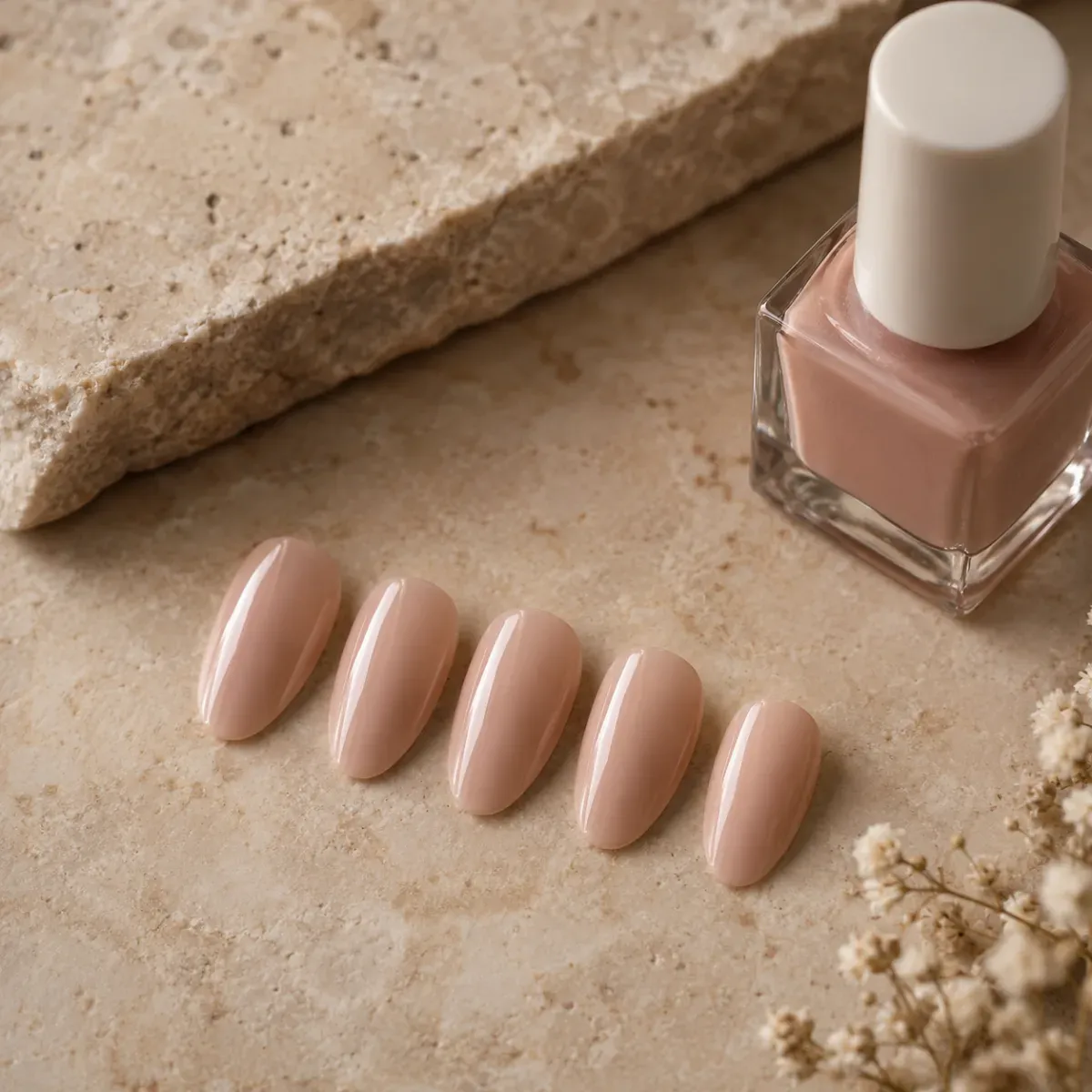
A private label nail colour is won in the route and the brush before it is won on the nail. Lacquer and UV gel are two different chemistries with two different supply chains, and the brush and bottle decide the experience as much as the pigment does. Treat nail polish as a solvent or gel system to specify and verify, not a paint you pour into a bottle once the shade is picked.
Most first-time buyers brief nail colour by colour and a "long wear" claim, and stop there. Those are the surface signals; the decisions that decide whether a run holds are the formula route, the brush and the market compliance, none of which a single swatch reveals. A lacquer can shrink or streak in bulk, and a gel can fail cure or irritate if the chemistry is not controlled, so the return on a bad nail batch is high — the customer sees the defect on her own hand within a day.
ZONO Beauty coordinates long-term manufacturing suppliers from Shantou, Guangdong, across ready-stock, semi-custom and full OEM/ODM routes, and is not positioned as a single factory. This guide covers the route, brush and compliance questions to settle before you order; for the broader colour-compliance picture, the US versus EU compliance guide frames the entry-barrier questions, and the cosmetic ingredient list guide covers why a full INCI matters for registration.
Nail polish is a solvent or gel system with a colour problem attached. Pick the route, the brush and the compliance first, or the bottle sells once.
What should my nail colour specification pin down before I ask for a price?
Conventional lacquer and UV gel are different chemistries with different application, wear and compliance profiles. The colour is the visible output; the route is what decides whether the product suits your customer and your market, and it is the first field a quote should answer.
- Lacquer (solvent): air-dries, no lamp, familiar; sensitive to shrinkage and humidity.
- UV / LED gel: cures under a lamp, longer wear; needs a base, a lamp and compliant chemistry.
- Non-UV "gel-effect": lacquer with a thicker film; the look without the lamp, shorter wear.
- Actives and treatments: strengtheners and oils add a care claim and a separate formula load.
| Route | Application | Compliance weight |
|---|---|---|
| Lacquer | Air-dry, no lamp | Solvent restrictions |
| UV / LED gel | Cure under lamp | Monomer + sensitization rules |
| Non-UV gel-effect | Air-dry, thick film | Solvent restrictions |
| Treatment add-on | With base or oil | Claim-specific rules |
Ask the supplier which route each SKU is, and what application it assumes. A supplier who sells "gel" without stating UV or non-UV is describing a look, not a chemistry you can brief to a customer, and you cannot quote two routes as if they were the same product.
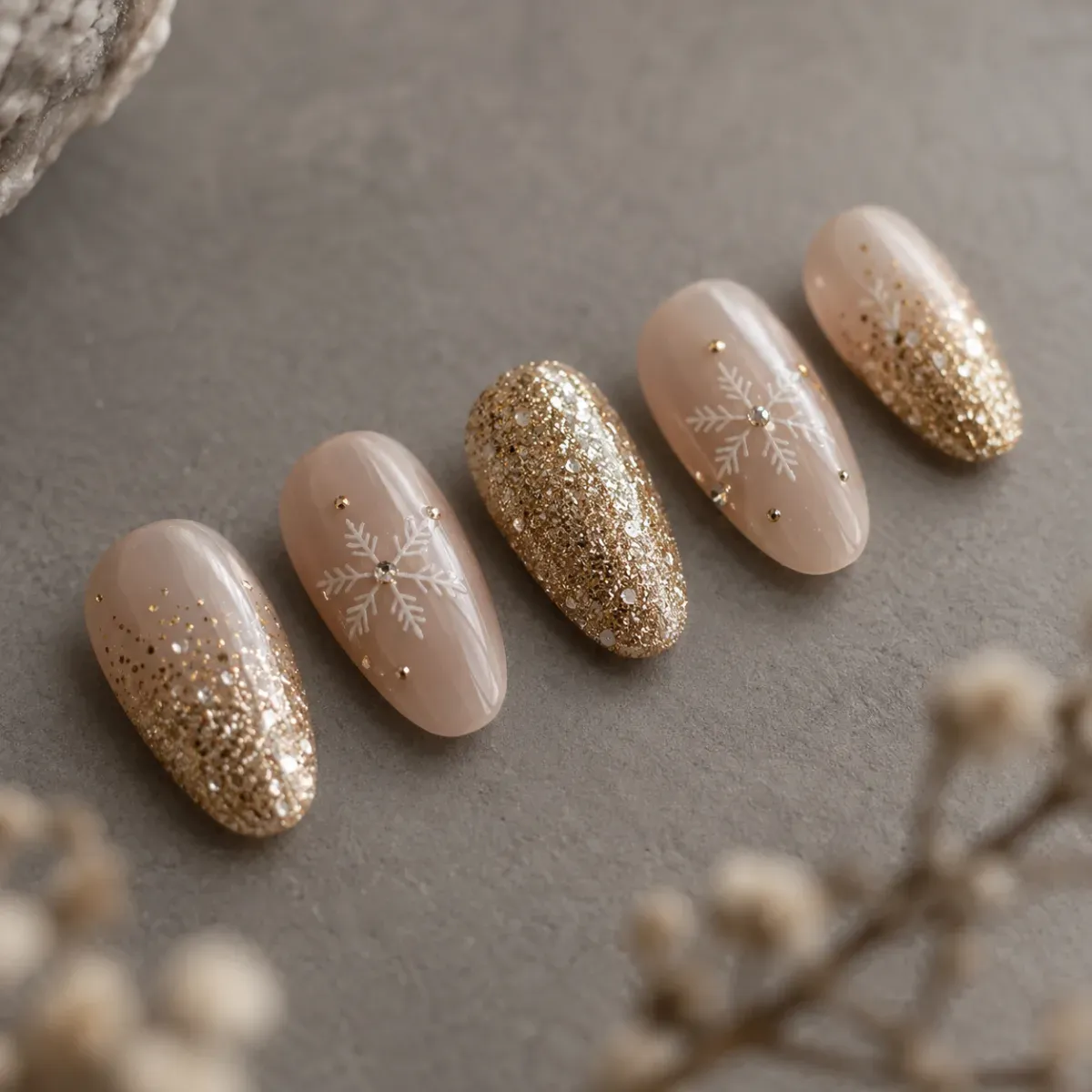
Which nail colour format should a first order carry?
Format and use are two separate axes, and both belong in the order as specifications because they decide the formula route, the bottle and the compliance path. Fix both before you ask for a price, so the supplier quotes the product you intend to sell rather than the nearest stock line.
| Format | Best fit | Buyer trade-off |
|---|---|---|
| Lacquer | Everyday, no-lamp use | Simple, sensitive to climate |
| UV / LED gel | Salon and long-wear | Needs lamp, tighter chemistry rules |
| Gel-effect (non-UV) | Retail, no lamp | Look without cure, shorter wear |
| Top / base coat | System add-on | Separate formula, separate SKU |
For a read on what colour families move in adjacent nail categories, the best-selling press-on nail styles guide shows how marketplace demand signals translate into a range, and the same demand logic applies to polish colour selection. State the hero shades and the grid size you plan, so pigment-lot planning starts before the first sample rather than after the deposit.
How do I specify the brush and bottle so two quotes compare?
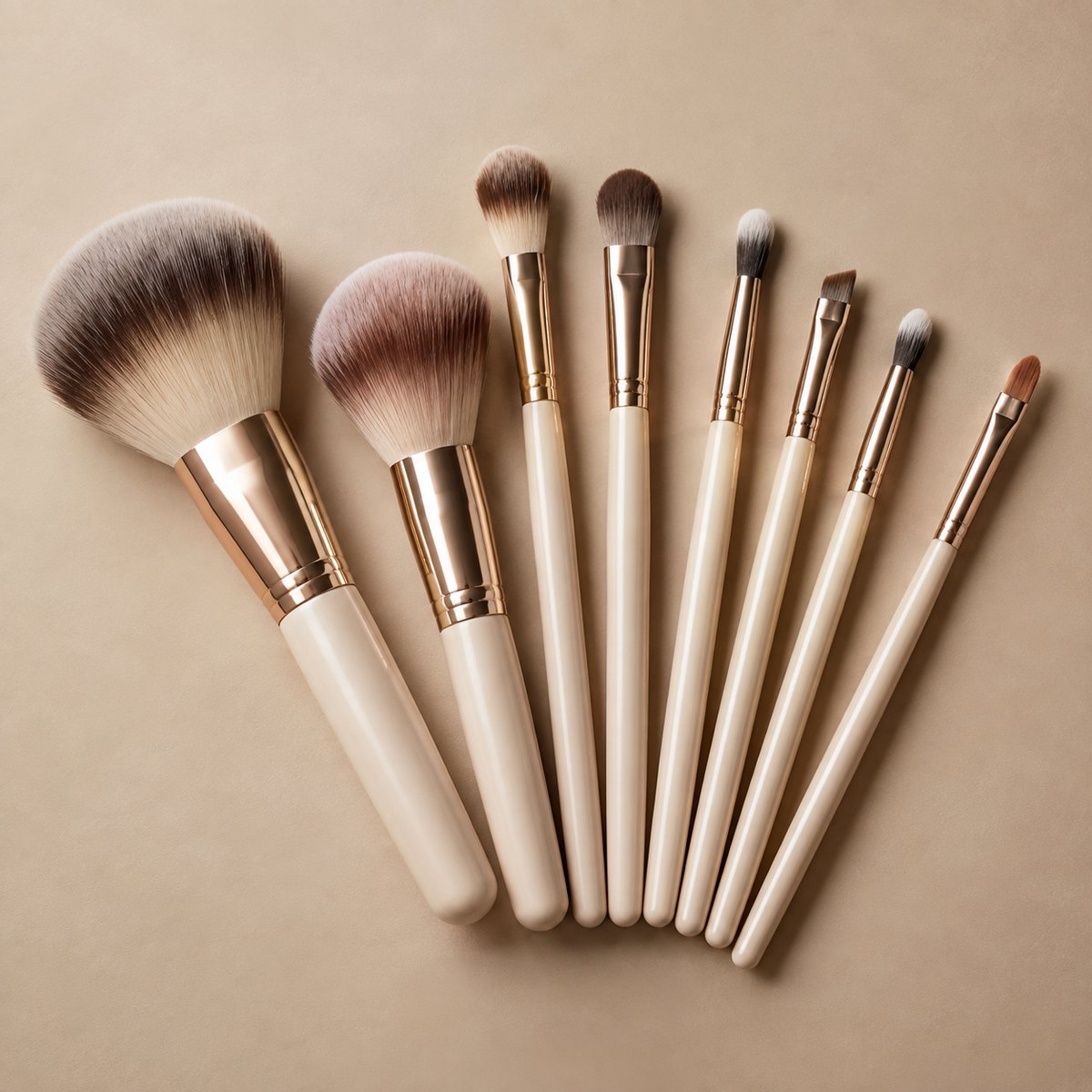
The brush is part of the product, not a closure. Its width, length and stiffness decide how the formula lays down, so it is specified with the formula, not chosen from a catalogue after. The bottle decides fill, stability to light and the shelf look, and both belong in the RFQ so the two quotes cover the same product.
| Brush | Effect | Buyer check |
|---|---|---|
| Wide flat | Fast, even coverage | Seats and wipes consistently |
| Narrow | Precise lines | Can need more coats |
| Soft bristle | Gentle, smooth | Must suit viscosity |
| Stubby fan | Control at cuticle | Good for detail shades |
Confirm the brush seats and wipes consistently, because a brush that looks right loose can change the stripe once it is assembled and filled. The bottle material also matters: some solvent formulas need solvent-safe glass or specific plastics, and some shades need light-blocking to avoid fading on the shelf, so name the material and the light requirement in the brief.
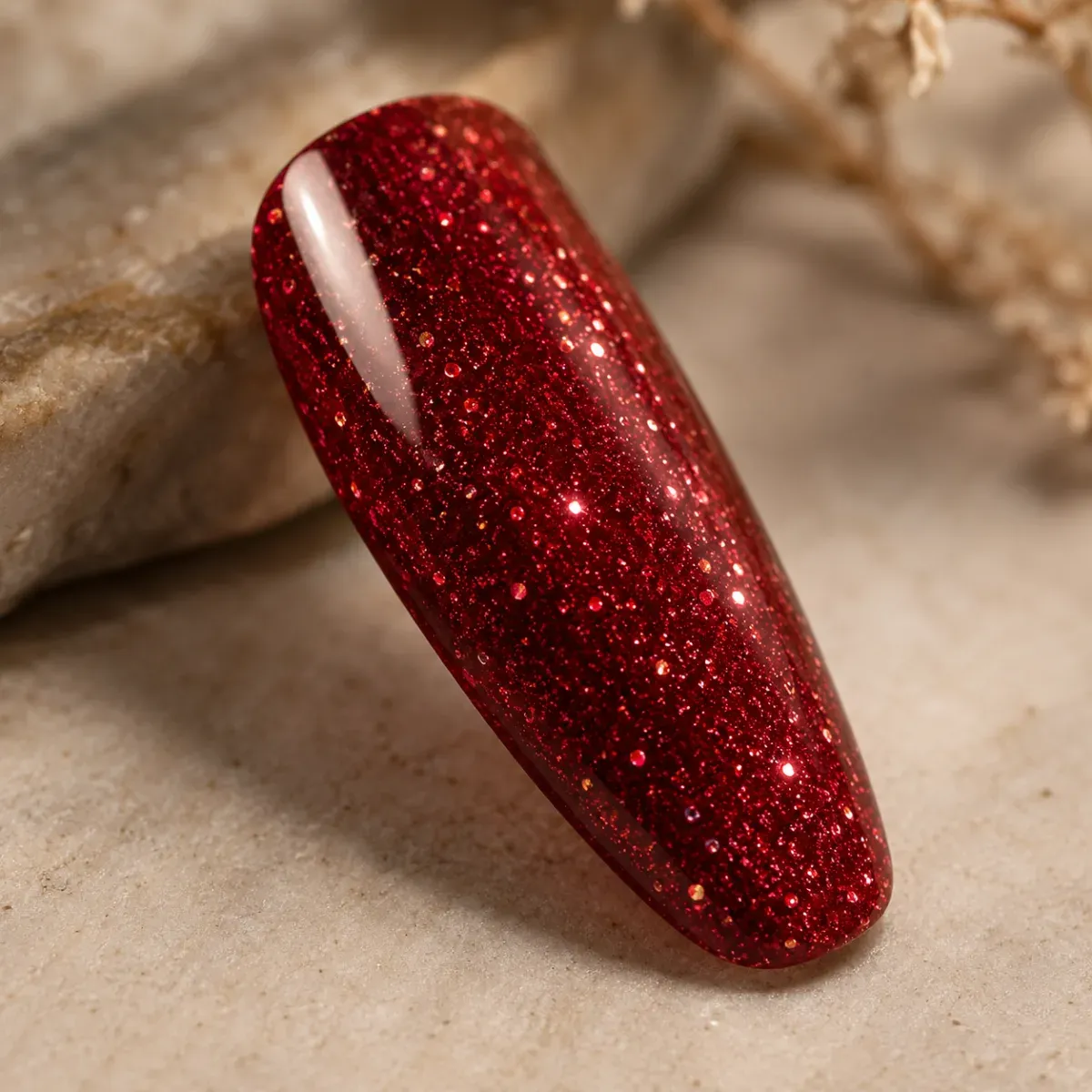
How do I verify colour consistency before I reorder?
Nail colour is judged hard: a shade that shifts between batches is visible on the nail in one coat. Consistency is measurable, and it is where private label nail lines win or lose reorders, so the control is a master standard and measured tolerances you asked for on the first order.
- Master standard per shade: the physical reference every batch is matched against; keep your own retained bottle.
- Viscosity and flow: stated and measured, because both decide stripe and self-level.
- Colour ΔE: under a defined light booth, so "close enough" becomes a number you agreed on.
- Pigment lot control: the same pigment lot or a controlled substitute, recorded per batch.
The approved sample is the master. Bulk is confirmed against it, not against a description, and the keep bulk consistent with approved samples guide gives the step-by-step.
Which compliance terms must clear before the order ships?
Nail formulations carry some of the tighter substance restrictions in cosmetics, and gel chemistry adds sensitization and lamp questions. Compliance is a market-by-market list, not a single global pass, so it belongs in the brief before the carton is printed.
- Substance restrictions: certain solvents and reactive monomers are limited or flagged in the EU and US; confirm the formula against the market list.
- Labelling: a full ingredient list and any required warnings must be on the bottle and the outer carton.
- Gel cautions: UV gel carries skin-sensitization language and lamp guidance in several markets.
- Notification: many markets require a product notification before sale, with the INCI on file.
None of this is a verdict on any one market; it is the set of questions to put to the supplier and your reviewer before the carton is printed. The ingredient-list and registration guide explains why the INCI package must be product-by-product before a notification can be filed, and the compliance sheet is a document to request in writing, not a reassurance.
Questions to send the supplier before you quote
Send these in writing, to every supplier, before any price is discussed. The answers are what let you compare two nail colour quotes on the same basis instead of on two different products.
- Is each SKU lacquer, UV gel or non-UV gel-effect, and what application does it assume?
- Which market's substance restrictions have you checked the formula against, and will you supply a written compliance sheet?
- Which brush and bottle do you supply, and does the brush suit the viscosity you propose?
- What colour ΔE and viscosity tolerance will you hold against a master standard, and under what light?
- Will you supply the full INCI and labelling draft for my market before production?
- How is pigment-lot control handled across the shades in my grid?
- What does the formula route change on a reorder — price, lead time, minimum quantity — and what is fixed?
- Are the brush, bottle and decoration inside your quote scope or billed separately?
Where do first nail polish orders actually go wrong?
Nail colour fails where the shade meets the market and the bulk meets the bottle. The sample looks right; the run and the border are where it breaks, and both are caught by records you already requested.
- Colour shift: a batch that reads different in one coat under store light, visible to the customer immediately.
- Compliance gap: a formula carrying a restricted substance for the target region, caught at the border.
- Brush mismatch: a wand that does not suit the viscosity once the formula is filled and aged.
- Seal leak: an orifice that weeps in transit, discovered as a sticky parcel.
Each is caught by a record or a check you already specified; the failure is approving without it and learning the lesson from a returned order. Colour ΔE and the compliance sheet matter most at scale, because both stay invisible until the customer or the border finds them first.
How do I compare two nail colour quotes on the same basis?
Two nail colour quotes rarely cover the same scope, so the headline unit price is the least useful number in the comparison. Normalise the scope first, then read the price against it.
- Formula route: lacquer, UV gel or non-UV gel-effect, since the route sets the chemistry and the compliance work.
- Brush and bottle: whether the brush, bottle material and light-blocking are included or quoted separately.
- Compliance and INCI: whether the substance check, labelling draft and full INCI are included or billed later.
- Colour grid: the number of shades, and whether each carries its own master standard and ΔE tolerance.
- Trade term and MOQ: ex-works or landed, and the binding minimum per shade and per component.
- Sampling rounds: how many shade iterations are included before the grid is frozen.
Compare on these fields and a "cheaper" quote often turns out to be a narrower one. The useful comparison is the scope you can hold the supplier to, not the price on the first line.
Frequently Asked Questions
- Is gel polish the same as lacquer? No. Lacquer air-dries from solvent; UV gel cures under a lamp and is a different chemistry with tighter substance and labelling rules. "Gel-effect" is a non-UV lacquer that mimics the look without the cure.
- Which brush should a first polish use? A wide, flat, medium-stiffness brush is the safe, consistent start for most lacquers. Validate any narrower or softer brush against the viscosity, because the brush and formula are specified together.
- Why is nail colour compliance stricter? Nail formulas carry some of the tighter substance limits in cosmetics, and UV gel adds sensitization and lamp cautions. Confirm the formula against the market list and keep the full INCI on file before sale.
- How do I keep nail colour consistent across reorders? Lock a master standard per shade with colour ΔE, viscosity and pigment-lot tolerances, and require per-batch records confirming bulk against that master before release.
- Why do two suppliers quote different MOQs for the same shade? Because the minimum is counted against the formula, the bottle and the decoration separately. Ask each to break the floor into those numbers, then compare like with like.
Conclusion
Private label nail colour is a solvent or gel system with a colour problem attached, not a paint in a bottle. Pick the route and state it in the brief, specify the brush and bottle with the formula, hold colour and viscosity to a master standard per batch, and clear the market-specific compliance and labelling before the carton is printed. Send one written brief and the same eight questions to every supplier, and compare quotes on scope rather than the first line. Do that and the thousandth bottle still lays down like the first.
Need a nail polish or gel sourcing brief? Share the format (lacquer, UV gel, non-UV), target colour families, bottle and brush direction, target market and approximate quantity, and ZONO can help turn it into an RFQ that two suppliers quote on the same basis.