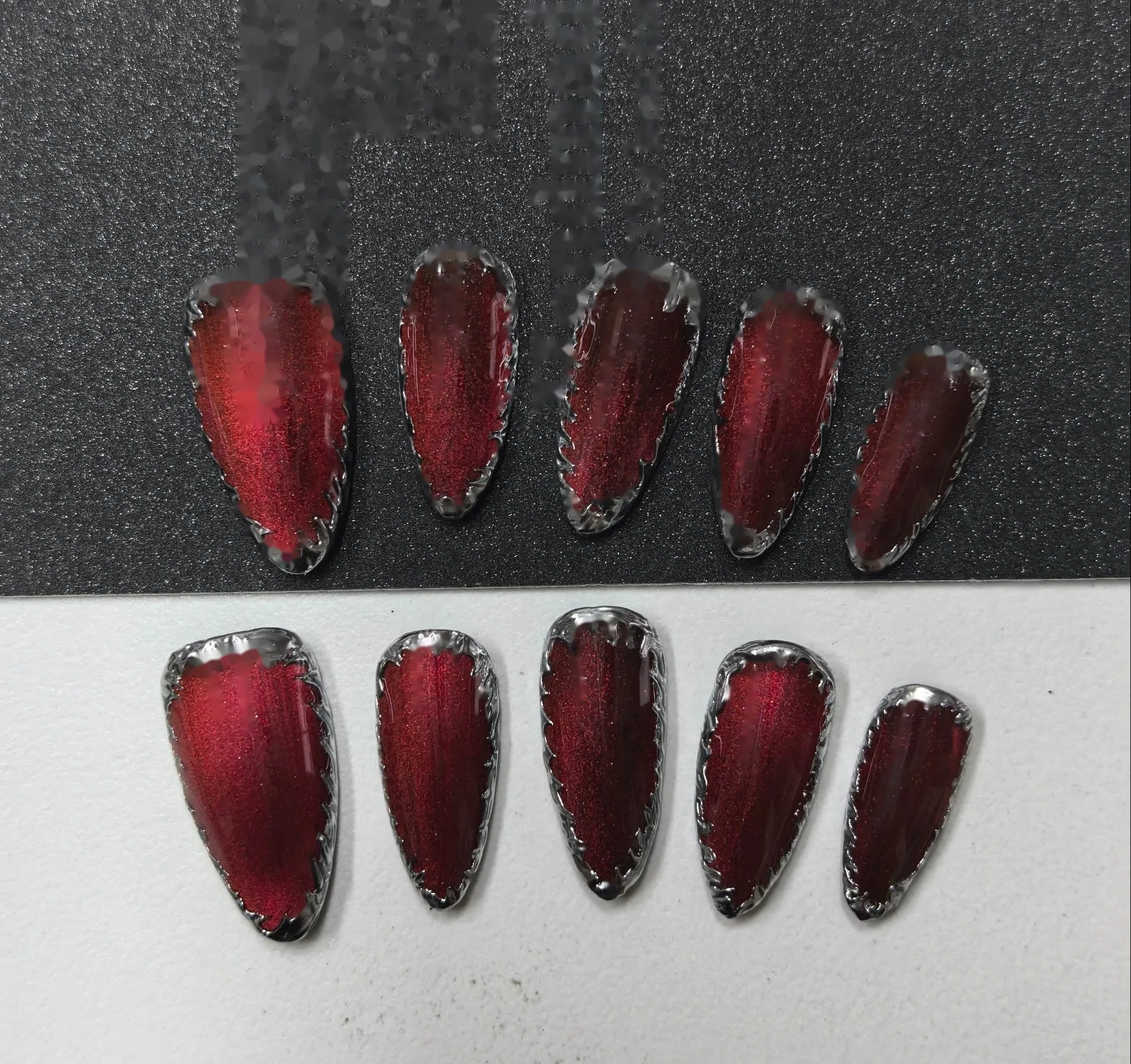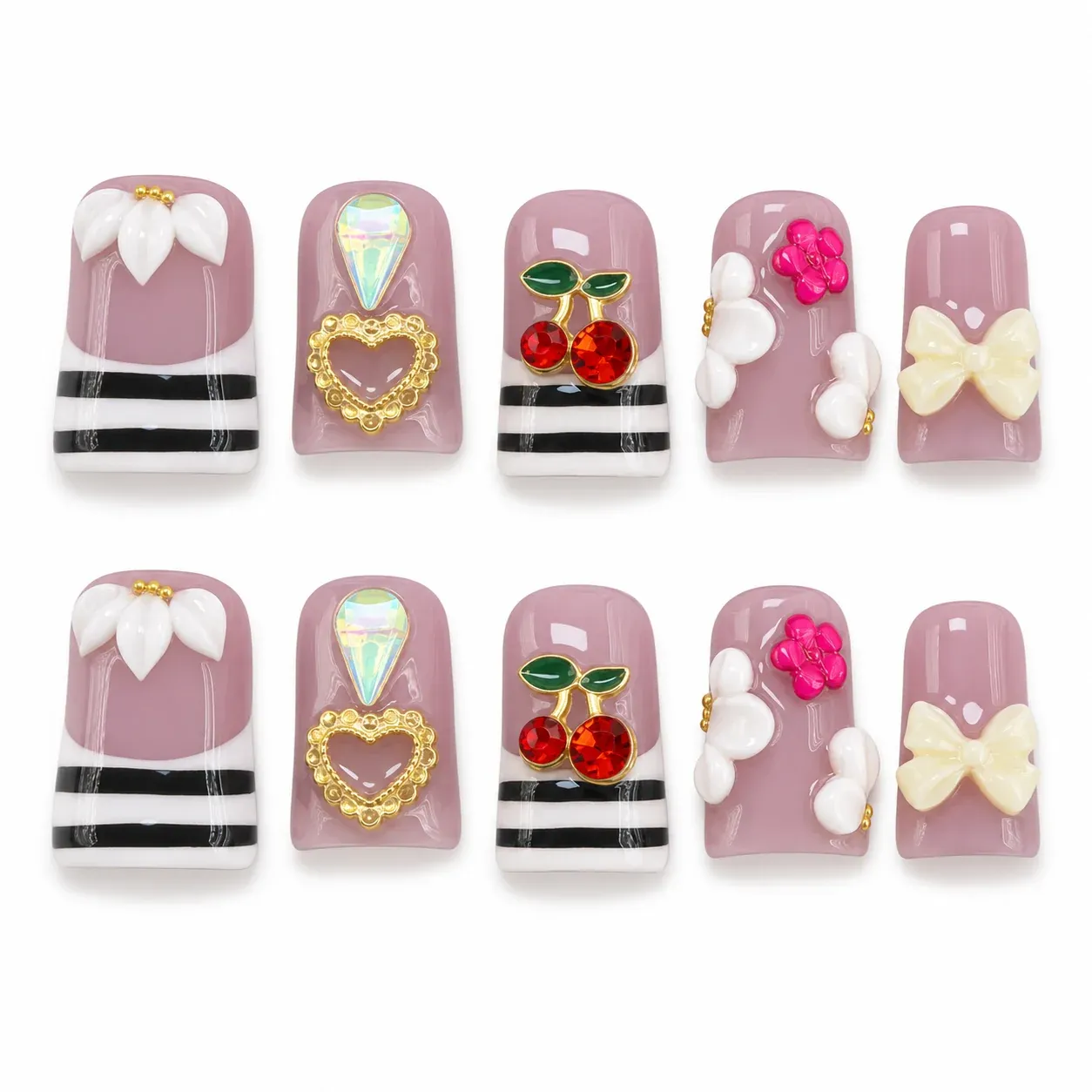
What Are the Entry Barriers and Compliance Costs for Exporting Press-On Nails to US vs Europe?
A buyer we coordinate press-on nail production for lost a full season when her EU launch stalled over missing paperwork. Entry barriers and compliance costs sink shipments faster than tariffs.

A buyer we coordinate press-on nail production for lost a full season when her EU launch stalled over missing paperwork. Entry barriers and compliance costs sink shipments faster than tariffs.
Entry barriers and compliance costs for exporting press-on nails are lower in the US, where no pre-market approval applies, than in the EU, which requires a Responsible Person, Product Information File, safety assessment, and CPNP notification, often adding €1,500–€2,500 in upfront costs per SKU.
The gap between the two markets is real, but it is often misunderstood. Duty rates are not the problem. Documentation is. This article breaks down what each market demands, what it costs, what paperwork to collect from your supplier, and where first-time exporters go wrong.
What compliance certifications do I actually need before selling press-on nails in the US versus the EU?
One European wholesaler recently sent us a compliance checklist longer than her actual purchase order. That contrast between US and EU expectations shows up in nearly every project we scope.
In the US, you need MoCRA facility registration, product listing, and compliant labeling, but no pre-market approval. In the EU, you need an EU Responsible Person, a Product Information File with a signed safety report, CPNP notification, and market-language labeling before your first sale.

Press-on nails sit in a regulatory gray zone. The nail tip alone looks like a plastic accessory. But once you add adhesive, coatings, pigments, and beauty claims, both markets can treat the product as a cosmetic. That classification decides everything that follows.
The US Stack: Reactive by Design
Under FDA cosmetic regulations, most cosmetics do not need government approval before sale. The system is reactive. The FDA acts after a problem appears, such as misbranding or adulteration. MoCRA compliance 1 changed the baseline, though. Manufacturers now face facility registration and product listing obligations, plus tightening oversight on fragrance allergens and PFAS. So "no approval needed" no longer means "no obligations."
The EU Stack: Preventive Before First Sale
The EU flips the model. Before your first unit sells, you need an EU Responsible Person 2 physically based in Europe, a Product Information File, a Cosmetic Product Safety Report signed by a qualified assessor, and a CPNP notification. The safety report is a genuine toxicological risk assessment, not a formality. The EU also prohibits over 1,300 substances, while the FDA historically restricted only 11. Some restrictions are nail-specific: benzoyl peroxide in artificial nail systems carries a professional-use-only restriction at a listed concentration threshold.
| Requirement | US | EU |
|---|---|---|
| Pre-market approval | Not required | Not required, but full file must exist first |
| Registration | MoCRA facility registration and product listing | CPNP notification before sale |
| Local representative | Responsible party can be located anywhere | EU Responsible Person must be in Europe |
| Safety documentation | No mandatory pre-market safety report | Signed CPSR inside the Product Information File |
| Restricted substances | ~11 historically restricted by FDA | 1,300+ prohibited substances |
| Adhesive treatment | Covered under unified cosmetic definition | May fall under REACH/CLP as a chemical |
In our sourcing work, the adhesive is the piece that surprises buyers most. In the EU, press-on nails are often borderline products: the nail is a cosmetic, but the glue may be regulated separately under REACH/CLP, requiring dual documentation.
How do the testing and documentation costs compare between US and European market entry?
Every quote we build for dual-market press-on nail projects weighs one trade-off: pay heavy EU documentation costs upfront, or enter the US cheaply and absorb liability risk later.
EU market entry typically costs €1,500–€2,500 per SKU for safety assessments, stability testing, and CPNP notification, plus Responsible Person fees and translations. US entry costs are markedly lower — mainly labeling review, MoCRA registration, and voluntary testing — but carry higher post-market legal liability.
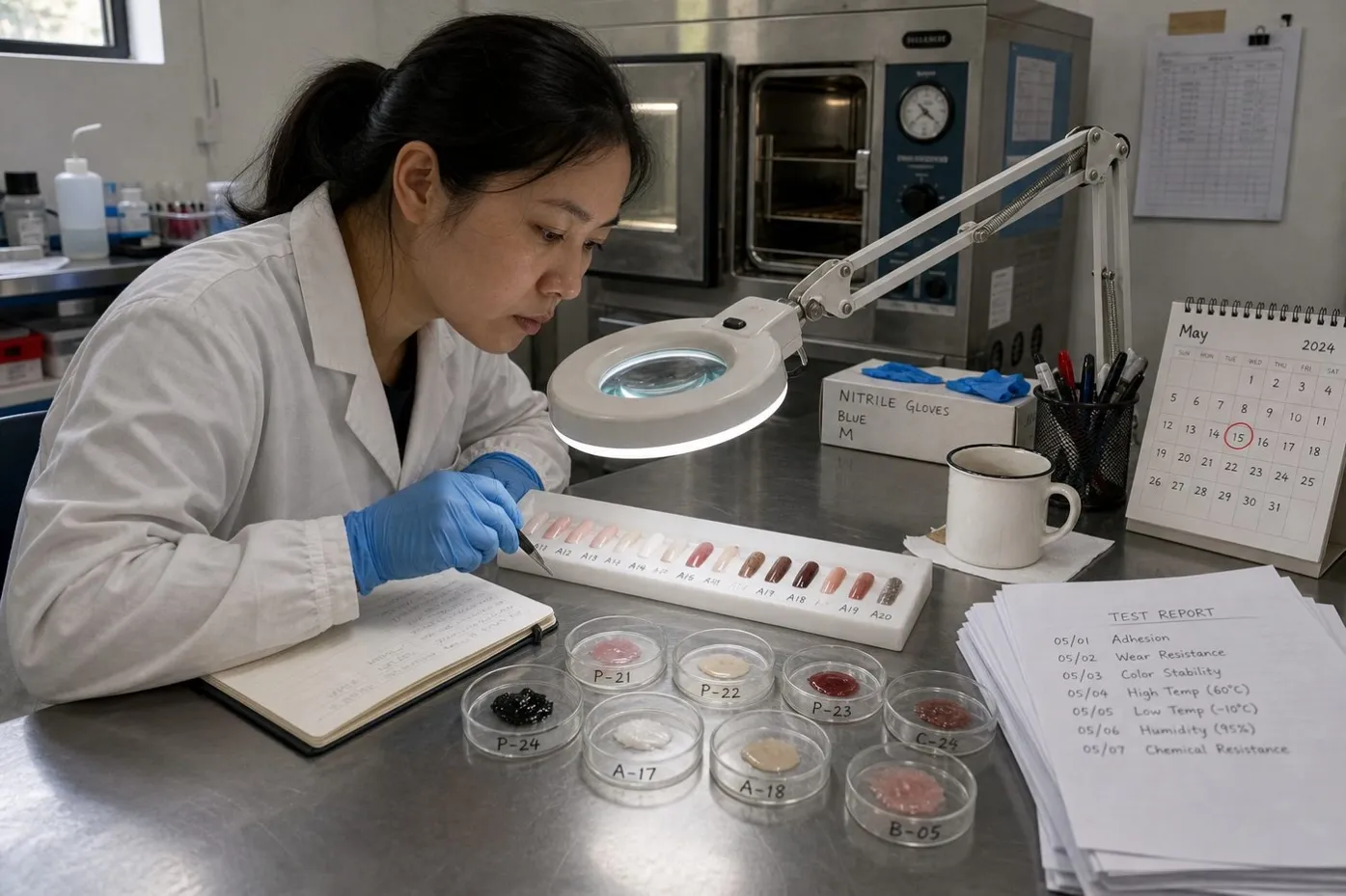
The structure of the costs matters more than the totals. EU costs are front-loaded and fixed per SKU. You pay them before you know whether the product will sell. US costs are lighter upfront but shift risk downstream into recalls, lawsuits, and enforcement.
The Cost Buckets, Line by Line
| Cost Bucket | US Burden | EU Burden |
|---|---|---|
| Lab testing (heavy metal testing, phthalates, VOCs) | Voluntary but increasingly expected by retailers | Effectively required to support the CPSR |
| Safety assessment | None mandated pre-market | CPSR signed by a qualified toxicologist |
| Filings | MoCRA registration and listing | CPNP notification per product |
| Local representation | Flexible responsible party | Paid EU Responsible Person service |
| Labeling | English-language PDP rules | PAO symbol plus multi-language translations |
| Import duties and tariffs | Low to modest by classification | Low to modest by classification |
Notice the last row. Import duties and tariffs can be low or even zero depending on whether customs treats the goods as plastic articles, cosmetics, or a kit with adhesive. Duty is rarely the barrier. Documentation is.
Hidden Reformulation Costs
Two EU-specific triggers can multiply your budget. First, the EU's 2023 microplastics ban 3 hits loose or non-biodegradable glitter, which can force reformulation or removal of popular textured designs. Second, labeling compliance standards differ enough that one packaging design rarely serves both markets. In our experience coordinating packaging and formula together, catching these issues at the sampling stage costs a fraction of fixing them after bulk production. Some buyers standardize one formula for both markets to simplify logistics, but that usually raises formulation and testing costs, because the formula must clear the stricter EU bar everywhere.
What paperwork should I ask my supplier for to prove my nails meet each region's requirements?
During a pre-shipment inspection last year, our team caught a glue bottle missing its Safety Data Sheet reference. That single gap would have blocked the client's entire EU customs clearance.
Ask your supplier for full INCI ingredient lists, Safety Data Sheets for glue and coatings, heavy metal and phthalate test reports, ISO 22716 GMP evidence, batch traceability records, and — for Europe — the raw-material data needed to build a Product Information File and safety report.

Most compliance failures start upstream. If your supplier cannot produce the underlying data, no consultant in the US or Europe can build your file for you. We verify partner-factory documentation before sampling begins for exactly this reason, because chasing paperwork after production is far harder than requesting it before.
The Core Document Checklist
| Document | Why It Matters | US | EU |
|---|---|---|---|
| Full INCI ingredient labeling data | Basis for label copy and formula review | Yes | Yes |
| Safety Data Sheet for adhesive and coatings | Chemical hazard communication; REACH/CLP support | Recommended | Essential |
| Third-party test reports (heavy metals, phthalates) | Proves the product is not adulterated | Increasingly expected | Feeds the CPSR |
| ISO 22716 GMP certificate of the producing factory | Shows cosmetics-grade production discipline | Buyer expectation | Strongly expected |
| Raw material specifications and impurity data | Required inputs for the toxicological risk assessment | Optional | Required for the PIF |
| Batch records and traceability | Supports recalls and inspections | Yes | Yes |
| Declarations of conformity | Confirms restricted substances are absent | Helpful | Helpful |
How to Request It Without Friction
- Ask for the document list at the quoting stage, not after deposit. A supplier's response speed tells you a lot.
- Match every document to the actual batch. A generic report from two years ago proves nothing about your production run.
- Confirm the adhesive has its own file. The nail and the glue are documented separately in the EU.
- Keep copies in your own drive. Your EU Responsible Person will need them to assemble the Product Information File.
One practical note from our coordination work: buyers and distributors now request third-party lab reports and supplier declarations even when law does not strictly require them. Treat the checklist above as a commercial requirement, not just a legal one.
What mistakes do overseas brands most often make when navigating these entry barriers for the first time?
Ten years of coordinating cosmetics exports taught me a hard lesson: brands rarely fail on product quality. They fail on assumptions about what regulators in each market actually require.
The most common mistakes are treating press-on nails as simple accessories, ignoring the adhesive's chemical regulations, skipping EU Responsible Person setup, copying US labels for Europe, overlooking state rules like California Proposition 65, and making unverified clean beauty claims that trigger legal exposure.
Each mistake looks small at the desk. Each one gets expensive at the border or on the shelf. Here is how they play out in practice.
Mistake 1: Assuming the Product Is Just an Accessory
Press-on nails sold as beauty products, applied to nails, generally fall under cosmetic rules. Brands that classify them as plastic novelties skip the entire compliance stack and discover the problem only when a distributor or customs officer asks for the file.
Mistake 2: Forgetting the Glue Has Its Own Rulebook
In the EU, the adhesive can be regulated under REACH/CLP as a chemical even when the nail itself is a cosmetic. We flag this dual-compliance issue early in every EU-bound project, because a compliant nail with a non-compliant glue still fails.
Mistake 3: Copying the US Label onto EU Packaging
US rules govern English-language font size and placement on the Principal Display Panel. EU rules demand the Period After Opening symbol and market-language translations. One label cannot legally serve both. Budget for two packaging versions from the start.
Mistake 4: Ignoring US State-Level Rules
Sellers assume the US is one uniform market. It is not. California's Proposition 65 4 and Maine's PFAS reporting requirements can trigger compliance costs and labeling changes that exceed federal FDA standards. The US is simpler to enter, but it is not risk-free — product liability and adulteration enforcement remain very real.
Mistake 5: Making Claims You Cannot Prove
"Non-toxic" and "eco-friendly" are moving from marketing language to legal risk. The EU's Green Claims Directive requires third-party verification for such labels, while the US relies on FTC substantiation guidelines. Unproven claims now carry consequences in both markets.
Mistake 6: Not Watching What Comes Next
Emerging EU Digital Product Passport requirements will demand scannable QR codes with supply chain transparency and recyclability data. Brands building EU packaging today should leave room for that infrastructure now rather than redesigning later.
Frequently Asked Questions
Do I need FDA approval to sell press-on nails in the US?
No. Most cosmetics in the US do not require pre-market government approval; the system is reactive, and the FDA acts after a problem appears, such as misbranding or adulteration. MoCRA changed the baseline, though: manufacturers now face facility registration and product listing obligations, plus tightening oversight on fragrance allergens and PFAS. So no approval needed no longer means no obligations.
What does the EU require before my first sale?
An EU Responsible Person physically based in Europe, a Product Information File containing a Cosmetic Product Safety Report signed by a qualified assessor, a CPNP notification, and market-language labeling — all before your first unit sells. The safety report is a genuine toxicological risk assessment, not a formality.
Which market costs more to enter?
EU market entry typically costs €1,500–€2,500 per SKU for safety assessments, stability testing, and CPNP notification, plus Responsible Person fees and translations. US entry costs are markedly lower — mainly labeling review, MoCRA registration, and voluntary testing — but carry higher post-market legal liability. The structure matters more than the totals: EU costs are front-loaded and fixed per SKU, paid before you know whether the product will sell, while US costs shift risk downstream into recalls, lawsuits, and enforcement.
Is the glue covered by the same rules as the nails?
Not always. In the EU, press-on nails are often borderline products: the nail is a cosmetic, but the glue may be regulated separately under REACH/CLP as a chemical, requiring dual documentation. A compliant nail with a non-compliant glue still fails.
What paperwork should I ask my supplier for?
Full INCI ingredient labeling data; Safety Data Sheets for adhesive and coatings; third-party test reports for heavy metals and phthalates; ISO 22716 GMP evidence for the producing factory; raw material specifications and impurity data, which are required inputs for the toxicological risk assessment; batch records and traceability; and declarations of conformity. Ask for the document list at the quoting stage rather than after deposit, match every document to the actual batch, confirm the adhesive has its own file, and keep copies in your own drive.
What mistakes sink first-time exporters?
Treating press-on nails as simple plastic accessories and skipping the compliance stack; forgetting the glue has its own rulebook; copying the US label onto EU packaging, since US rules govern English-language font size and placement on the Principal Display Panel while the EU demands the Period After Opening symbol and market-language translations; assuming the US is one uniform market when California's Proposition 65 and Maine's PFAS reporting can exceed federal FDA standards; and making unverified claims, because the EU's Green Claims Directive requires third-party verification while the US relies on FTC substantiation guidelines.
Conclusion
The US opens its door cheaply; Europe charges admission upfront. Budget for testing, documentation, and labeling before tariffs, and verify partner-factory paperwork before you commit to production.
Footnotes
1. Official FDA page explains MoCRA facility registration and product listing obligations for cosmetics. ↩︎
2. European Commission's primary resource for the EU Cosmetic Products Regulation (EC) No 1223/2009 and related safety legislation. ↩︎
3. European Commission page details the EU microplastics restriction affecting cosmetic glitter ingredients. ↩︎
4. Official California government site for Proposition 65, detailing chemical listings and business warning requirements. ↩︎
With compliance mapped, review the press-on nail collection for market-ready styles.
What compliance certifications do I actually need before selling press-on nails in the US versus the EU?
The US Stack: Reactive by Design
The EU Stack: Preventive Before First Sale
Requirement | US | EU |
|---|---|---|
Pre-market approval | Not required | Not required, but full file must exist first |
Registration | MoCRA facility registration and product listing | CPNP notification before sale |
Local representative | Responsible party can be located anywhere | EU Responsible Person must be in Europe |
Safety documentation | No mandatory pre-market safety report | Signed CPSR inside the Product Information File |
Restricted substances | ~11 historically restricted by FDA | 1,300+ prohibited substances |
Adhesive treatment | Covered under unified cosmetic definition | May fall under REACH/CLP as a chemical |
✅ True — The EU requires a Responsible Person physically based in Europe before press-on nails can be sold there EU cosmetics regulation mandates an EU-based Responsible Person to hold the Product Information File and answer to authorities, and no product can be legally placed on the market without one. ❌ False — The US requires FDA approval before press-on nails can be sold Most cosmetics in the US do not require pre-market government approval; the framework is reactive, though MoCRA now adds facility registration and product listing obligations.
How do the testing and documentation costs compare between US and European market entry?
The Cost Buckets, Line by Line
Cost Bucket | US Burden | EU Burden |
|---|---|---|
Lab testing (heavy metal testing, phthalates, VOCs) | Voluntary but increasingly expected by retailers | Effectively required to support the CPSR |
Safety assessment | None mandated pre-market | CPSR signed by a qualified toxicologist |
Filings | MoCRA registration and listing | CPNP notification per product |
Local representation | Flexible responsible party | Paid EU Responsible Person service |
Labeling | English-language PDP rules | PAO symbol plus multi-language translations |
Import duties and tariffs | Low to modest by classification | Low to modest by classification |
Hidden Reformulation Costs
✅ True — Customs duty is usually a smaller cost than testing and documentation for press-on nail exports Duty can be low or zero depending on tariff classification, while EU safety files, testing, and translations create fixed per-SKU costs of roughly €1,500–€2,500 before any sales. ❌ False — A formula that passed US requirements will automatically pass in the EU The EU prohibits over 1,300 substances and adds restrictions like the microplastics glitter ban, so a US-compliant formula can still fail EU review entirely.
What paperwork should I ask my supplier for to prove my nails meet each region's requirements?
The Core Document Checklist
Document | Why It Matters | US | EU |
|---|---|---|---|
Full INCI ingredient labeling data | Basis for label copy and formula review | Yes | Yes |
Safety Data Sheet for adhesive and coatings | Chemical hazard communication; REACH/CLP support | Recommended | Essential |
Third-party test reports (heavy metals, phthalates) | Proves the product is not adulterated | Increasingly expected | Feeds the CPSR |
ISO 22716 GMP certificate of the producing factory | Shows cosmetics-grade production discipline | Buyer expectation | Strongly expected |
Raw material specifications and impurity data | Required inputs for the toxicological risk assessment | Optional | Required for the PIF |
Batch records and traceability | Supports recalls and inspections | Yes | Yes |
Declarations of conformity | Confirms restricted substances are absent | Helpful | Helpful |
How to Request It Without Friction
- Ask for the document list at the quoting stage, not after deposit. A supplier's response speed tells you a lot.
- Match every document to the actual batch. A generic report from two years ago proves nothing about your production run.
- Confirm the adhesive has its own file. The nail and the glue are documented separately in the EU.
- Keep copies in your own drive. Your EU Responsible Person will need them to assemble the Product Information File.
What mistakes do overseas brands most often make when navigating these entry barriers for the first time?
Mistake 1: Assuming the Product Is Just an Accessory
Mistake 2: Forgetting the Glue Has Its Own Rulebook
Mistake 3: Copying the US Label onto EU Packaging
Mistake 4: Ignoring US State-Level Rules
Mistake 5: Making Claims You Cannot Prove
Mistake 6: Not Watching What Comes Next
✅ True — US state laws like California Proposition 65 can impose stricter requirements than federal FDA rules Prop 65 warning obligations and Maine's PFAS reporting operate on top of federal law, and their compliance and labeling costs can exceed baseline FDA cosmetic requirements. ❌ False — Marketing terms like non-toxic are unregulated wording that any brand can use freely The EU's Green Claims Directive requires third-party verification for such claims, and in the US the FTC can act against unsubstantiated claims, making loose wording a legal liability.
Conclusion
Footnotes
- 1. Official FDA page explains MoCRA facility registration and product listing obligations for cosmetics.
- 2. European Commission's primary resource for the EU Cosmetic Products Regulation (EC) No 1223/2009 and related safety legislation.
- 3. European Commission page details the EU microplastics restriction affecting cosmetic glitter ingredients.
- 4. Official California government site for Proposition 65, detailing chemical listings and business warning requirements.