How to Source Private Label Makeup Primer: Base, Finish and Compatibility
A sourcing guide to private label makeup primer: the base and finish to specify, the foundation compatibility to validate, and the questions to send before you quote.
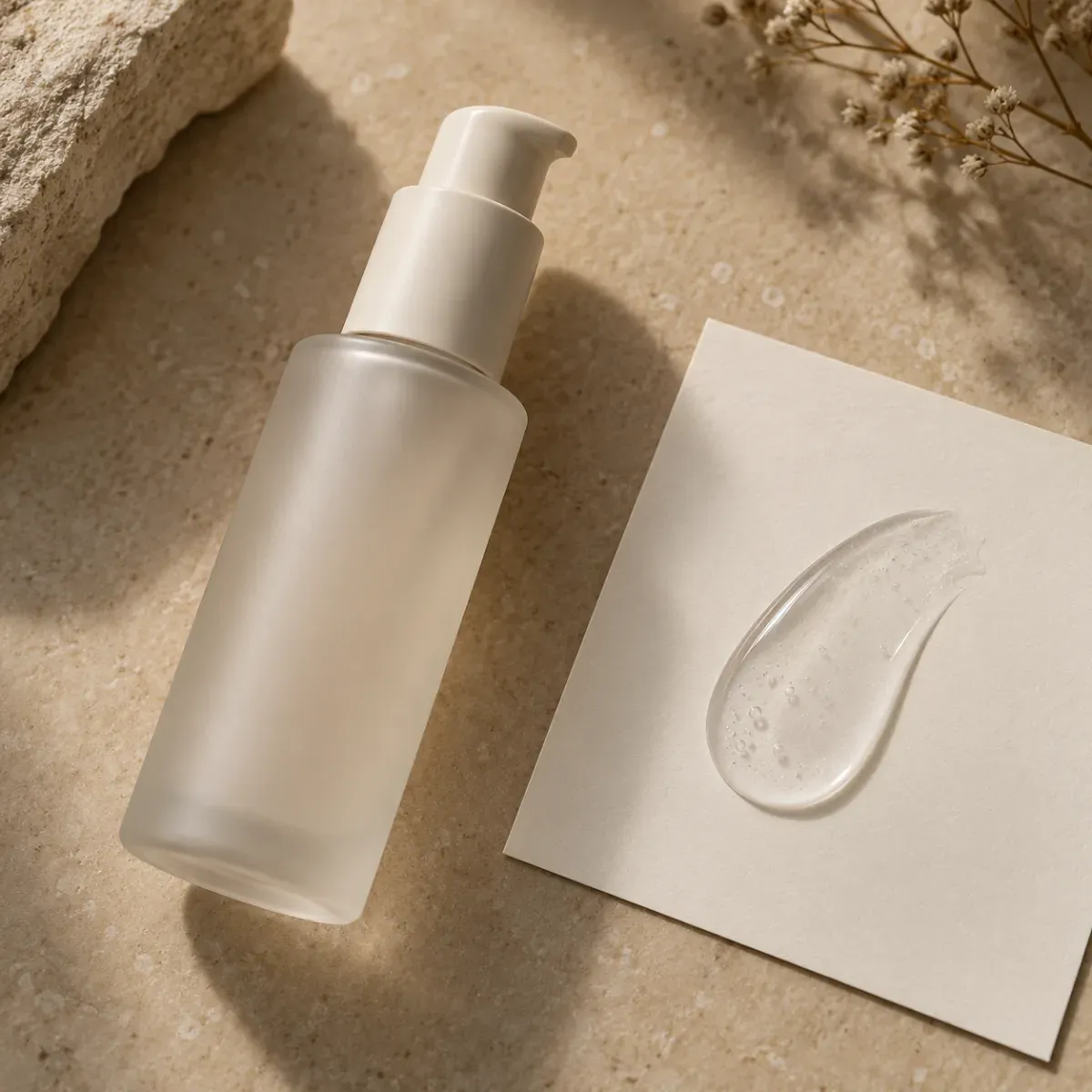
A private label makeup primer is won in the base and the pairing before it is won on the face. The base decides the feel and the finish, the finish decides the claim, and the foundation the primer sits under decides whether it layers cleanly or pills. Treat the primer as a film and a feel system to specify and verify, not a moisturiser you buy and hope layers.
Most first-time buyers brief a primer by "matte" or "hydrating" and stop. Those are the surface signals; the decisions that decide whether it works in bulk are the base chemistry, the finish film and the compatibility with the foundation — none of which a single swatch reveals. A sample can feel silky and a bulk run can still pill, separate or shorten wear, and because the primer is invisible until it fails, the failure shows up as a ruined foundation application that the customer blames on the foundation.
ZONO Beauty coordinates long-term manufacturing suppliers from Shantou, Guangdong, across ready-stock, semi-custom and full OEM/ODM routes, and is not positioned as a single factory. This guide covers the formula, compatibility and evidence questions to settle before you order; for the layer it supports, the concealer shade range sourcing guide covers shade ranges and matching logic, and the face cream jar guide covers the fill and package fields that decide freight.
A primer is a film and a feel system under the makeup, not a moisturiser with a new name. Specify the base and the pairing, or the foundation on top decides the result.
What should my primer specification pin down before I ask for a price?
Primer exists to change how the skin and the foundation behave, so its chemistry decides everything the wearer feels and sees. The finish is the visible output; the base is what decides whether the product layers cleanly or fights the makeup above it, and it is the first field a quote should answer.
- Silicone base: gives slip, blurring and water-resistance; the familiar "primer feel."
- Water base: lighter and more skin-like; less grip, fewer pilling risks with water foundations.
- Hybrid: blends both; balances feel and compatibility but is harder to stabilise.
- Actives load: hydrating or soothing actives add a skincare claim and a stability load.
| Base | Feel | Compatibility note |
|---|---|---|
| Silicone | Silky, blurring | Can roll with water foundations |
| Water | Light, skin-like | Layers with most foundations |
| Hybrid | Balanced | Needs paired testing |
| Actives-rich | Skincare feel | Extra stability and claim load |
Ask the supplier for the base system by INCI, not just the finish. A supplier who names only "matte" or "glow" is describing a look, not a formula that will layer, and a primer described only by finish is a primer you cannot quote against a competitor or hold to on a reorder.
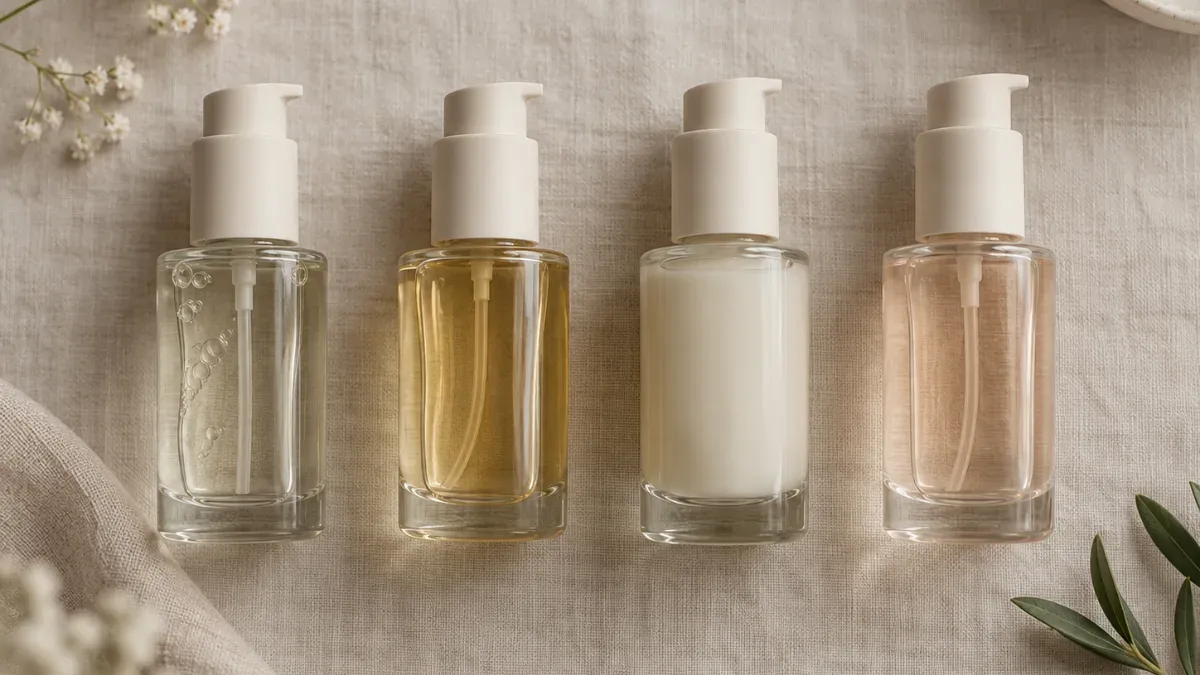
Which finish and claim should a first primer order carry?
Finish and claim are two separate axes, and both belong in the order as specifications because they decide the base route, the packaging and the wear story you can defend. Fix both before you ask for a price, or the supplier will quote the nearest stock configuration instead of the product you intend to sell.
| Finish | Best fit | Buyer trade-off |
|---|---|---|
| Matte / pore-blur | Oily, large-pore skin | Silicone-heavy, can pill with some bases |
| Hydrating / dewy | Dry, mature skin | Comfort, less oil control |
| Grip / long-wear | All-day wear positioning | Strong hold, can feel heavy |
| Colour-correct | Redness or tone issues | Narrower claim, specific use |
The finish you choose also sets the compatibility test: a matte silicone primer and a water-based foundation can separate on the skin, so the pairing is part of the specification, not an afterthought. State the intended foundation base in the brief so the compatibility check is run against the right product before a price is agreed.
How do I verify compatibility with the foundation before bulk?
Primer fails most often not on its own but under the foundation a customer already wears. Compatibility is a measurable check, not a hope, and it belongs in the brief as a named pairing before bulk rather than a discovery on a customer's face.
- Layering test: apply primer, then the target foundation, and watch for pilling or rolling.
- Wear test: record hours to breakdown under the wear claim you intend to print.
- Base match: state the foundation base (silicone or water) the primer is validated against.
- Separation check: note any patchiness where primer and foundation reject each other.
None of these is adversarial; a real supplier answers with a method and a result. The pairing that is not tested is the pairing that fails on a customer's face, and the returned product is the primer's fault even when the foundation takes the blame. Put the named foundation base into the RFQ so the compatibility check is a quoted deliverable, not a favour.
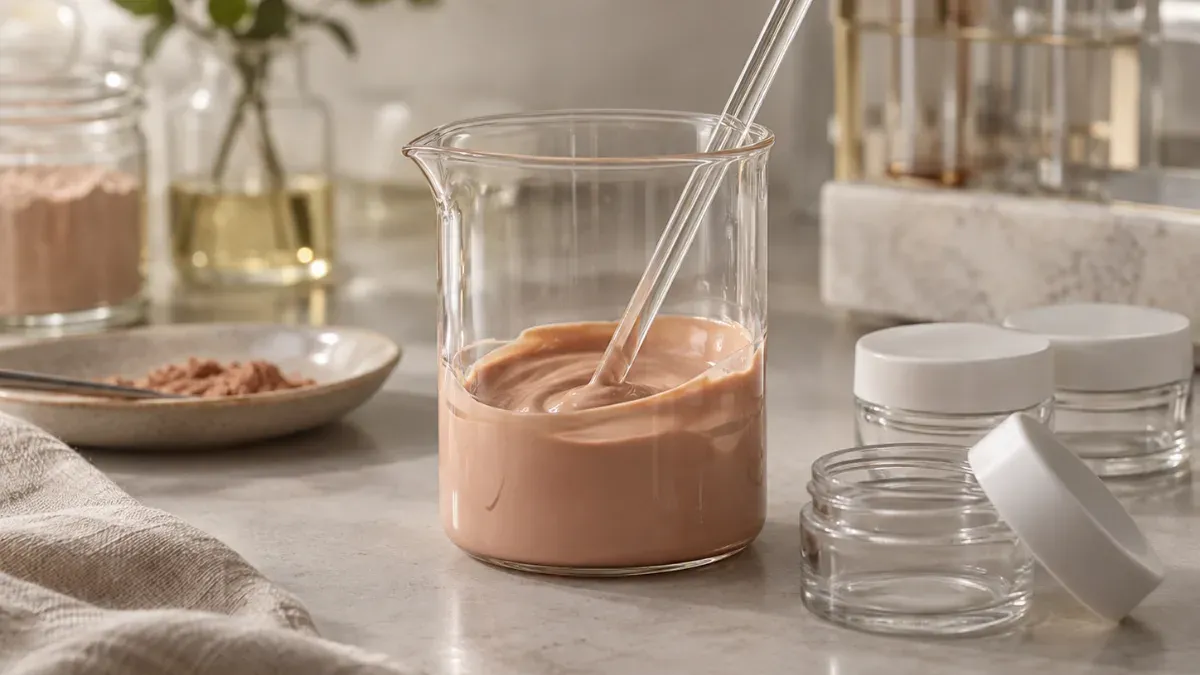
What stability and evidence must bulk show before I approve the order?
Primer is often a silicone or emulsion system that must stay uniform and dose cleanly. Stability is the difference between a sample that impressed you and a bulk run that reaches the shelf unchanged, and the evidence should be in the file before the deposit.
- Separation: oil, silicone and water phases must not split under heat or shelf age.
- Viscosity drift: the slip must not thicken or thin, because both change the dose and the feel.
- Clarity or colour: a clear or tinted primer must not haze or shift over the claim period.
- Preservation: any water phase carries microbial risk; request the microbial limit result for the market.
Alongside the stability data, request the documents that travel with the order: the formula and INCI under NDA with the base system named, the compatibility method naming the foundation base, the stability data itself, the pump or tube orifice verification, and the heavy-metal and microbial test reports for the target market. A stability failure in a primer shows up the first time it is pumped, so the heat-cycle and shelf-age result belongs in the file before the deposit, not after the return.
How do I verify batch consistency before I reorder?
Primer drift is quiet and fatal to reorders: a thicker batch, a less blurring batch, or a finish that reads different under retail light. The control is a master standard and measured tolerances you asked for on the first order, not a second sample that looks close.
- Master standard per SKU: the physical reference every batch is matched against; keep your own retained unit.
- Viscosity and slip: stated and measured, because both decide feel and layering.
- Finish ΔE: under a defined light booth, so "close enough" becomes a number you agreed on.
- Compatibility re-check: the primer is retested against the named foundation per batch.
The approved sample is the master. Bulk is confirmed against it, not against a description, and the keep bulk consistent with approved samples guide gives the step-by-step.
Questions to send the supplier before you quote
Send these in writing, to every supplier, before any price is discussed. The answers are what let you compare two primer quotes on the same basis instead of on two different products.
- Which base system do you propose, named by INCI — silicone, water, hybrid or actives-rich?
- Which foundation base will you validate the primer against, and what is the compatibility method?
- What stability data will you provide — separation, viscosity and finish over the claim period?
- Will you run the compatibility check against a named foundation before quoting, or after?
- Which pump, tube or jar do you supply, and does the orifice suit the viscosity you propose?
- What microbial limit result and heavy-metal reports come with the order for my market?
- What colour or finish ΔE limit will you hold against a master standard, and under what light?
- What changes on a reorder — price, lead time, minimum quantity — and what is fixed?
Where do first primer orders actually go wrong?
Primer fails most often where it is invisible: under the foundation. The sample feels fine alone, and the pilling appears only when the customer applies her usual base, which is why compatibility is the first check, not the last. All four failures below are caught by checks you already specified in the brief.
- Compatibility gap: a silicone primer paired with a water foundation, never tested together before bulk.
- Viscosity drift: a thicker batch that pills on application and is blamed on the foundation, not the primer.
- Claim overreach: a wear claim printed without a wear test behind it, discovered by a customer complaint.
- Orifice mismatch: a dose that changes because the closure was not verified against the viscosity.
Compatibility is the one most often assumed and least often tested, which is why it belongs in the brief as a named pairing rather than a hopeful match between two products that were never applied together.
How do I compare two primer quotes on the same basis?
Two primer quotes rarely cover the same scope, so the headline unit price is the least useful number in the comparison. Normalise the scope first, then read the price against it.
- Base route: silicone, water or hybrid, because the base decides the feel and the compatibility work.
- Compatibility testing: whether the pairing test against the named foundation is included, or billed later.
- Stability and microbial evidence: whether the price includes the heat-cycle, shelf-age and microbial results.
- Packaging and dose: the pump, tube or jar and the orifice verification, not just the pack size.
- Trade term and MOQ: ex-works or landed, and the binding minimum.
- Sampling rounds: how many iterations are included before the formula is frozen.
Line the two quotes up field by field and the cheaper one often stops being cheaper, because the scope you cannot name is the scope you cannot enforce. Compare on these fields and the real cost surfaces before the deposit, not after the first batch.
Frequently Asked Questions
- Is primer just a light moisturiser? No. It is a base system — often silicone — built to change slip, blur and wear under makeup. The base decides how it layers, and a moisturiser reused as primer can pill or shorten wear.
- Which finish should a first primer use? Match the finish to the skin need: matte for oily or large-pore skin, hydrating for dry skin, grip for all-day wear. State the finish as a spec, because it sets the base and the compatibility test.
- Why does foundation compatibility matter? A silicone primer can separate from a water foundation on the skin. Validate the primer against the foundation base you intend to pair it with, or the result can pill on the customer.
- How do I keep a primer consistent across reorders? Lock a master standard per SKU with viscosity, finish and compatibility tolerances, and require per-batch records confirming bulk against that master before release.
Conclusion
A private label primer is a film and a feel system under the makeup, not a moisturiser with a new name. Name the base by INCI, fix finish and claim as two axes, and validate compatibility against the foundation the primer must support before a price is agreed. Put stability and microbial evidence in the file before the deposit, and hold viscosity, finish and compatibility to a master standard per batch. Send one written brief and the same eight questions to every supplier, and the order either layers cleanly at the thousandth bottle or shows where it breaks before the bulk does.
Need a primer sourcing brief? Share the finish direction (matte, hydrating, grip, colour-correct), target skin type, foundation base to pair with and approximate quantity, and ZONO can help turn it into an RFQ that two suppliers quote on the same basis.