
What Is a Reasonable Defect Allowance on Handmade Press-On Orders?
Agree the defect definition, sampling method, allowance line and remedy ladder before production. A signed annex turns borderline cartons into arithmetic, not arguments.

The most expensive sentence in handmade sourcing is one nobody said: "I assumed we agreed on what counts as defective." A buyer once rejected a full carton over gem placement she described as sloppy, while the workshop's own standard, which existed only in the artisan's head, considered the same carton among their better work. Both were sincere. Neither had signed anything.
A defect allowance is the number and the definition both sides sign before production: which deviations count as defects, how the batch will be sampled and counted, and what happens above the agreed line. Handmade work needs one not because quality is loose, but because two honest parties will grade the same carton differently.
This guide covers why the allowance belongs in the brief rather than the dispute, how to define defective precisely enough to count, how the sampling and counting actually runs, and what happens when a batch lands above the line you both signed. Allowance values themselves are confirmed per project; this guide deliberately prescribes no industry-wide figure, because none exists that applies to every design's detail level.
Why should a defect allowance be agreed before production at all?
Buyers sometimes resist the conversation, as if naming a defect rate invites one. The workshops I trust see it the opposite way: the allowance is the buyer saying "I understand what handmade means, and here is exactly where my line sits inside it."
The allowance belongs in the brief because it converts quality from a mood into arithmetic: a signed definition of defective, a sampling method, and a remedy trigger. Without it, every borderline carton becomes a negotiation between two sincere people with different rulers, and sincerity does not scale across cycles.
The definition question comes first, because a percentage without a definition is a random number generator. Is a gem one millimetre off placement a defect? Is a shade one step outside your memory of the sample? The spec answers before production: colour tolerance by agreed swatch, placement by the approved sample's own photograph, cure by feel-and-flex criteria written down, sizing by the banded range, and pack-out by a kit list. The discrepancy guide provides the variation-versus-defect decision table this annex grows from, and the consistency guide supplies the golden sample discipline the whole annex references.
What the allowance annex contains
| Annex item | Written as | What it prevents |
|---|---|---|
| Defect definition per zone | Colour, placement, cure, size, pack-out criteria | Grading by mood at receiving |
| Sampling method | Random units across cartons and run stages | Top-layer flattery passing as proof |
| Allowance value | The number both sides sign, per design detail level | Post-hoc rate arguments |
| Remedy trigger | What happens above the line, staged by severity | Improvised remedies mid-dispute |
How do you define "defective" precisely enough to count it?
Vague standards fail in a predictable direction: toward whichever side inspects last. The definitions that survive a dispute share a property, they can be checked by someone who was not in the room when the order was placed.
Write each defect definition so a stranger could verify it: colour against the agreed swatch, placement against a photograph of the approved sample, cure by a flex test, size against the banded range, and pack-out against a named kit list. If a definition needs the artisan's intention to interpret, it is a preference, not a standard.
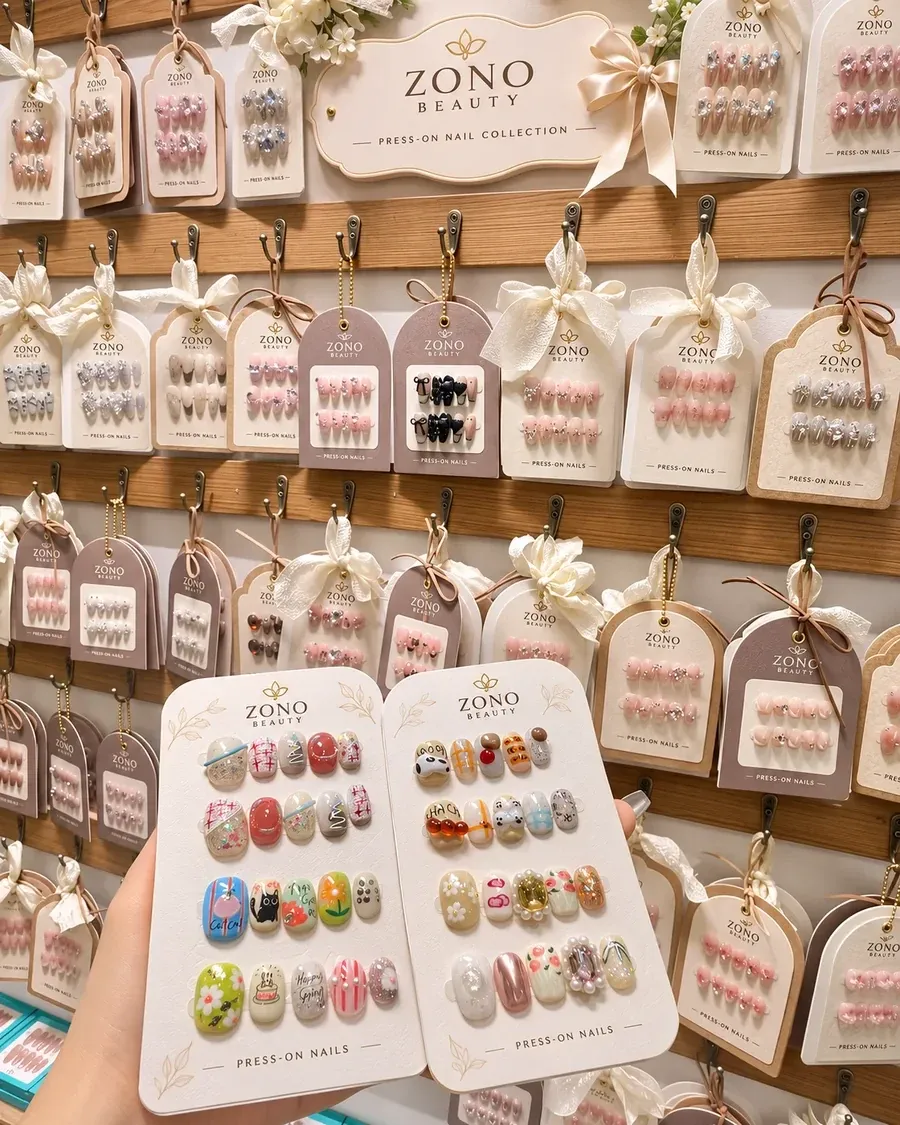
Zone-by-zone is the workable granularity. Colour: outside the agreed swatch step, not outside your recollection. Placement: beyond the tolerance band measured against the approved sample's photograph, not against taste. Cure: fails a written flex-and-tack test, not a first impression. Size: outside the banded range, full stop; sizing is the one zone with no honest grey, which is why the sizing and fit guide deserves a read before the annex is drafted. Pack-out: any missing kit item from the named list, where the wholesale buying guide's kit section gives the standard contents to name.
Stranger-testable definitions, zone by zone
| Zone | Definition written as | Checked against |
|---|---|---|
| Colour | Shade beyond the agreed swatch step | Signed swatch chart |
| Placement | Element beyond tolerance band on the sample photo | Approved sample photograph |
| Cure | Fails the written flex-and-tack test | The test procedure in the annex |
| Size | Outside the banded range | Size bands on the spec sheet |
| Pack-out | Any item missing from the named kit list | The kit list in the annex |
How is the allowance actually sampled and counted?
An allowance is only as honest as its sampling. Count the top layer of the first carton and any rate can be proven, which is precisely how rate arguments start.
Count on a random sample pulled across cartons and run stages, graded against the annex by someone with the swatches and the sample photograph in front of them, with the sorted counts in the same four-part record every arrival uses. The allowance applies to the sampled rate projected across the batch, not to whoever complained loudest.
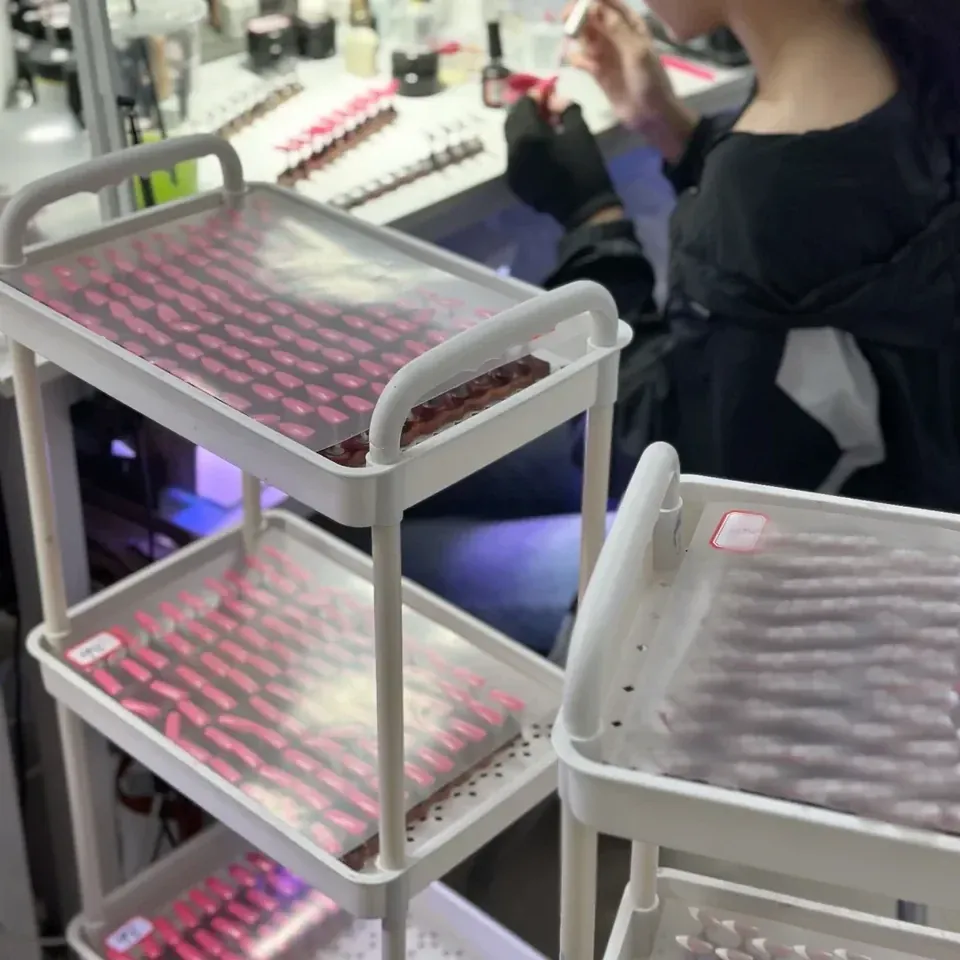
Structure the count as the inspection record's spine: usable, borderline, unacceptable, per zone, with photographs under consistent lighting and the annex clause each unacceptable unit violates. Illustratively, and only as arithmetic structure rather than an observed industry rate: if a buyer and workshop signed a three-unit-in-a-hundred line for a given detail level, then a sample showing five would trigger the annex remedy while a sample showing two would not, whatever that signed line turns out to be. The actual number is per-project business, set by detail level and price tier, and workshops will often propose one themselves once the definitions exist, because a named line is easier to produce against than an imagined one. Where inspection timing is the open question, checking at packing catches problems at correction cost; the inspection guide covers the five-zone checklist either way.
The counting procedure, in order
| Step | Done as | Why it holds up |
|---|---|---|
| Sample pull | Random, across cartons and run stages | Defeats top-layer packing bias |
| Grading | Against annex, swatches and photo in hand | Removes mood from the verdict |
| Sorting | Usable, borderline, unacceptable per zone | Sizes the remedy to real damage |
| Recording | Four-part record with clause references | Makes the count enforceable later |
What happens when a batch lands above the agreed line?
Above-line batches are where the annex earns its keep, because the remedy conversation starts from a number both parties already accepted instead of a position invented that morning.
The remedy is staged by the record: units in the unacceptable pile get replaced or reworked, a borderline-heavy batch prices as a partial credit, and a mixed lot with a usable majority resolves as credit against the next order plus the corrective plan that stops a repeat. Payment staged per the annex keeps every conversation factual.

The corrective plan deserves as much attention as the credit, because it is what protects your next cycle: a material batch change, an untrained second artist, a curing lamp drifting, each has a different fix and a different watch-point on reorder one. And the escalation rhythm from the claim workflow applies unchanged, written notice fast, evidence attached, remedy with a deadline, because the annex did not replace the claim process; it gave the claim process a ruler. For buyers running two sources, the same annex and record format at both workshops is what keeps remedies comparable, which the order-splitting guide builds on directly.
Remedies staged by what the record shows
| Record finding | Proportionate remedy | Closing step |
|---|---|---|
| Unacceptable units confirmed | Replacement or rework of affected units | Ships before balance releases |
| Borderline-heavy sample | Partial credit on the lot | Rate re-checked at next cycle |
| Mixed lot, usable majority | Credit plus corrective plan | Plan watched at reorder one |
Conclusion
A defect allowance is not pessimism; it is the handshake that lets both sides be honest about handmade variation. Define defective so a stranger could verify it, count it on a sample neither side packed, sign the line before production, and stage the remedies by what the record shows. The batch that would have become a war becomes a work order, and the relationship survives its arithmetic.
Drafting a brief for a handmade order and want the allowance annex structure? Send your design detail level and target quantity, and we will come back with the annex skeleton: zones, definitions, sampling method and remedy triggers, all confirmed per project.
Send your styles and detail level. We will return an allowance annex skeleton with the zones, definitions and remedy triggers both sides can sign, everything confirmed per project.
Start the conversationFootnotes
- Overview of acceptance sampling practice in production quality: Wikipedia. en.wikipedia.org ↩︎
- Quality assurance in manufacturing and trade, an overview resource: Wikipedia. en.wikipedia.org ↩︎