How to Buy Press-On Nails Wholesale: MOQ, Mixing and Sampling
How to buy press-on nails wholesale: the four decisions to fix before a deposit, MOQ tiers explained, how many designs to mix, what to sample, and how reorders stay consistent.
Most first-order problems with wholesale press-on nails trace back to the same four decisions, made too late: the minimum order, the number of designs mixed into it, what gets sampled, and how reorders stay consistent with what you approved. Settle those four in writing before you pay a deposit and almost every other detail falls into place.
Buying press-on nails wholesale runs on four decisions: the MOQ tier you start at, how many designs you mix into one order, what you sample before bulk production, and how each batch is held against your approved sample. Buyers who fix these in writing before the deposit avoid most first-order disputes.
This guide walks those decisions in the order a buyer meets them. It is written for boutique owners, salon buyers and reseller brands, not for anyone choosing a set for themselves. Where numbers appear, they are market references observed in October 2026, with the source noted, so you can re-check them before you rely on them.
Where do buyers actually source wholesale press-on nails?
Wholesale press-on nails reach retail buyers through two routes: marketplace platforms that aggregate many small vendors, and direct supplier relationships with the workshops that produce the sets. The route changes your price basis, your mixing rules and who answers when a batch goes wrong.
Marketplaces such as Faire, Alibaba and Made-in-China gather hundreds of press-on vendors behind one checkout, which keeps first orders small and comparison easy. The trade-off sits one layer down: the platform hosts the vendor, so quality claims belong to whoever made the set, not to the platform that sold it. Direct suppliers invert that trade. You talk to the producing side from the first message, minimums are quoted from real stock and production conditions, and the same party that quotes your price also answers for the batch1. A practical middle path many buyers take is to shortlist styles on a marketplace, then move the repeat business to a direct supplier once a style proves itself; if you want the direct-route view first, start with the wholesale and OEM sourcing overview and the supplier questions worth real answers.
What does MOQ actually mean for press-on nails?
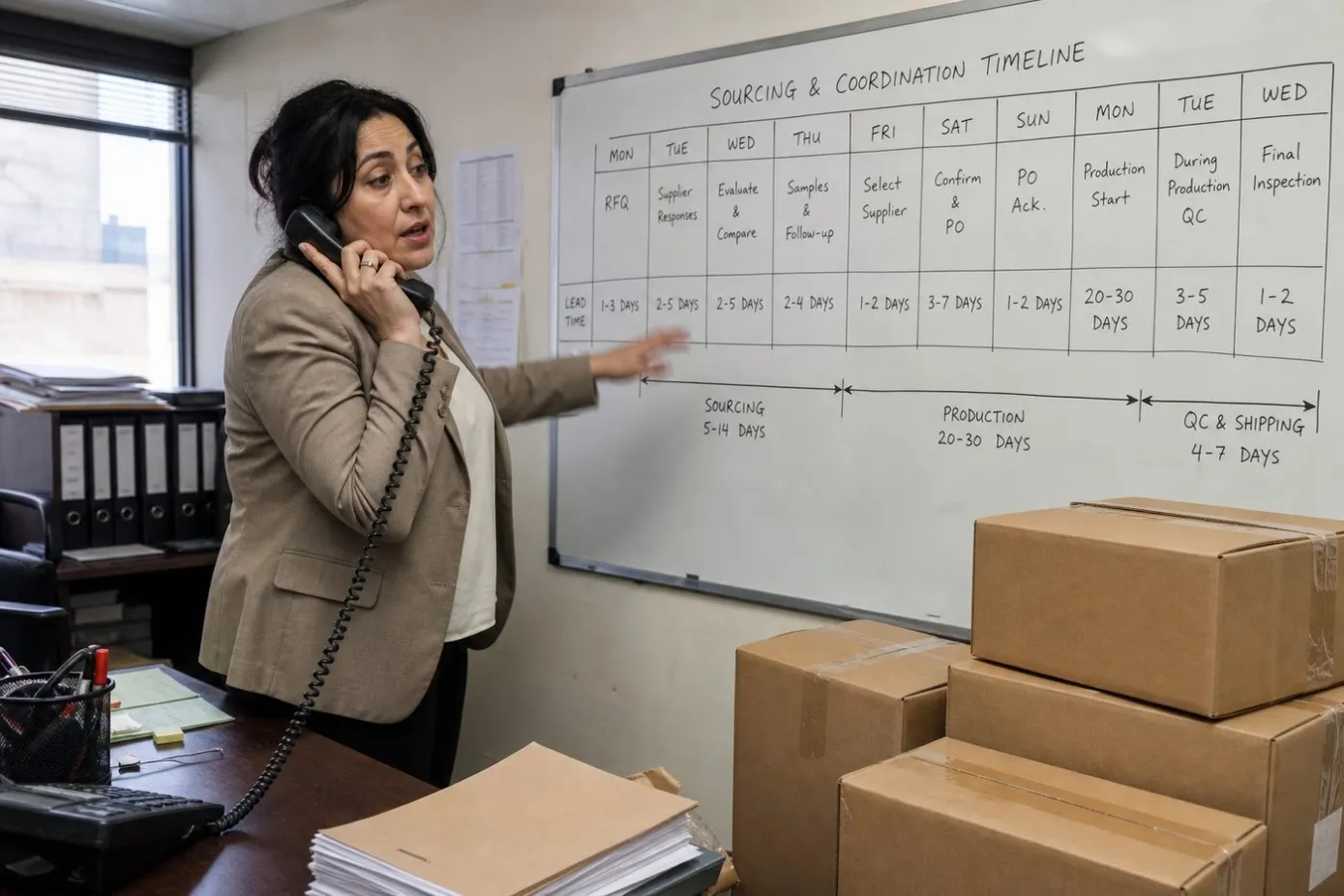
MOQ is not one number but a ladder that matches order size to how much customization you need. Small trials sit at the bottom, mixed ready-stock orders in the middle, custom design development above that, and volume programmes are quoted per project rather than per set.
The tier structure most direct suppliers run looks like this:
| Tier | What it buys | What to confirm before paying |
|---|---|---|
| 20 sets | Sample trial on selected styles | Which styles qualify and what the per-set price is at trial size |
| 50 sets | Ready styles, mixed | How many designs you may combine in one order |
| 100 sets | Custom design development | What is included: sizing, packaging, logo application |
| Volume | Project-based production | Lead times, batch schedule and price breaks in writing |
Marketplace norms sit lower than custom development because stock risk stays with the vendor: published wholesale programs keep entry minimums low, some as low as 20 mixed sets, with per-set pricing that steps down as quantity rises1. Handmade decoration changes that math, because per-set labor is priced into every unit; quotes for handmade work sit apart from stock-tier programs, and comparing the two as if they were the same product misleads both sides. Treat any published tier as a conversation opener rather than a fixed price, because decoration depth and packaging move both. The more useful discipline is testing whether a quoted MOQ survives contact with detail: how to judge whether a press-on nail MOQ is reasonable, how MOQ logic differs between factories and trading companies, and how mixed-container orders allocate MOQ across designs cover the three cases buyers meet most.
How many designs should a first wholesale order mix?
First orders should buy evidence, not inventory. A mixed order of ready styles across several designs tells you what your customers actually pick, and the reorder pattern, not the first order, is what deserves the volume budget.
The mixing question is an inventory question in disguise. Every additional design in a first order splits your demand signal thinner and commits cash to styles nobody has tested. The mixed ready-style tier exists precisely for this: one order, several designs, enough units per design to read a preference. Buyers who later scale a winning style do it from reorder data, which is why the bulk versus small-batch comparison treats the first purchase as a paid test rather than a price negotiation. Set a reorder trigger before the first order lands, so the decision is made by sell-through instead of by optimism.
What should you sample before placing the bulk order?
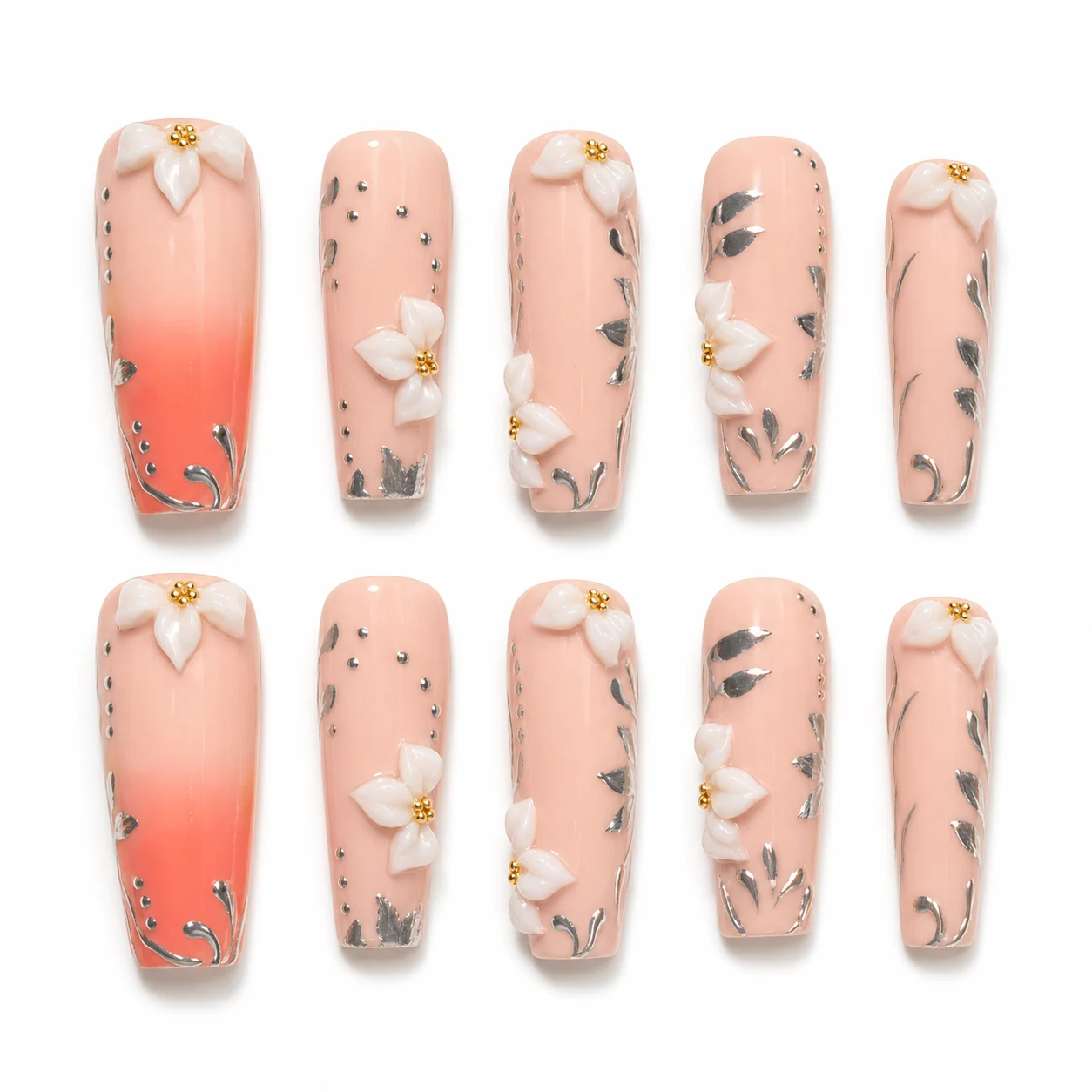
Sample three things in this order: the physical set, the size range, and the packaging you plan to sell in. A photo sample approves a look; only a physical sample approves the wear, the fit and the finish a customer will notice in the first hour.
Physical sampling catches what photography cannot: how the glue holds, whether the 3D charm survives a handbag, and how the size curve fits the hands you actually sell to. Sizing deserves its own check because returns cluster there; the sizing guide for wholesale buyers explains the size-curve question to ask each supplier, and the sample testing checklist turns the physical set into a repeatable test rather than an impression. Sample fees vary between suppliers and the free-sample versus paid-prototype trade is usually worth taking in the supplier's favor: paid samples buy honest production conditions, not showroom pieces. Packaging is the third sample because it has its own minimums, separate from the nail MOQ, as the packaging MOQ guide details.
How do you keep reorders consistent with the approved sample?
Batch consistency is a process you can verify, not a promise you have to trust. The supplier produces against a pre-production sample you approve, and finished batches are checked against that same sample before shipment, which is what makes reorder number three match order number one.
The mechanism matters more for press-on nails than for many products because handmade decoration varies by operator and by day. Ask each supplier to describe their own version of the loop: approved sample, batch production against it, pre-shipment check against it. Then keep your side of the loop: retain the approved sample, log the design version you signed off, and compare the bulk against it on arrival. When a discrepancy still appears, the batch consistency guide shows how to document it so the claim is undeniable, and the sample-versus-bulk discrepancy walkthrough covers the conversation that follows. Suppliers with a real QC loop expect these questions; the ones without one are the reason the questions exist.
Which freight terms should you settle before the deposit?
Freight terms decide who owns the shipment while it is in transit, and with it the customs paperwork, the duties and the risk. Decide between shipped-at-your-risk and delivered-duty-paid terms before the deposit, not at the port.
The choice is between DDU-style terms, where the goods are yours once handed to the carrier and you clear import on your side, and DDP-style terms, where the supplier carries the shipment to your door with duties included. Neither is universally cheaper; what matters is that the quote states which one it is, because a price that looks higher on DDP terms is often lower once duties and broker fees land. The DDP versus DDU walkthrough breaks the two down with worked examples for nail orders.
Frequently asked questions
Can I mix different designs in my first wholesale order? On the mixed ready-style tier, yes: combining in-stock designs in one order is what the tier is for, typically from 50 sets. Confirm the design count and per-design quantity when you ask for the quote, since mixing rules follow current stock.
What MOQ should I expect from a press-on nail supplier? Expect a ladder rather than one number: trial quantities from 20 sets on selected styles, mixed ready-style orders from 50 sets, custom design from 100 sets, and project-based terms for volume. Marketplace vendors may publish lower entry points on stock styles; direct suppliers publish tiers1.
How do I keep my third order consistent with my first? Keep the approved pre-production sample, reference it in every reorder, and ask for the pre-shipment check against it in writing. Suppliers who run that loop answer without hesitation; the checklist in the batch consistency guide mirrors the questions they expect.
Send the styles you like, your quantity and your market. ZONO confirms which designs are ready to mix, what a trial looks like, and how each batch is checked against your approved sample, with every number marked confirmed per project.
Start the conversation For the catalog view, see wholesale press-on nails and OEM sourcing.Conclusion
Wholesale buying rewards the buyer who writes things down. The four decisions in this guide, MOQ tier, mix, sampling and batch consistency, are all confirmable before money moves, which makes them the cheapest quality control you will ever buy. Marketplaces lower the entry price of a first test; direct suppliers lower the cost of every order after it. Start where your evidence is thinnest, buy the smallest mixed order that produces a real signal, and let reorders, not optimism, decide which styles earn volume.
Footnotes
Nailystal wholesale program page: published wholesale tiers from 20 mixed sets with mix-style rules and quantity-based pricing; price figures intentionally omitted here, so request current quotes when comparing suppliers. Observed October 2026. nailystal.com ↩︎