What Does Design Exclusivity Actually Cover on a Wholesale Press-On Order?
Exclusivity splits into five separable rights: artwork, tooling, shade formula, territory and duration. Learn what each covers and how to get all five written down.
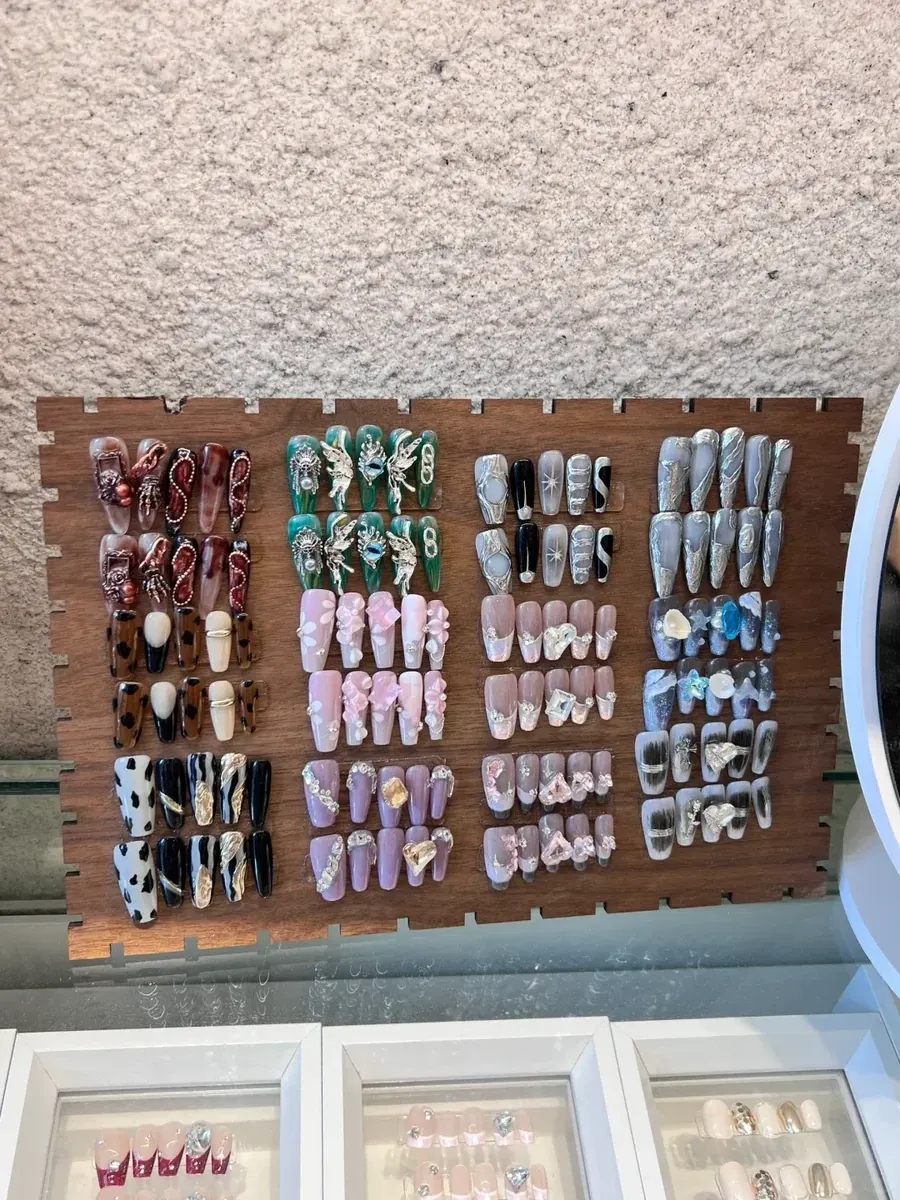
"Can we make this design exclusive to us?" It is the question I most enjoy receiving, because it usually means a buyer has found something worth protecting. It is also the question with the most expensive misunderstanding attached: buyers who hear yes and assume the yes covers everything, then discover a near-identical design on another shelf eighteen months later.
Exclusivity is not one switch; it is a bundle of separable rights: the design file, the physical tooling, the shade formula, the market or channel it is protected in, and how long the protection lasts. Each can be granted, priced and renewed, so an exclusivity request is only real once all five are written down.
This guide unpacks the five parts of an exclusivity arrangement on a wholesale press-on order, explains who owns the artwork and the tooling at each stage, shows how to write the request so a workshop can quote it, and lists what to check before money moves. Terms and pricing for any exclusivity element are confirmed per project; nothing here describes a standard package, because there isn't one.
What can exclusivity on a press-on design actually cover?
The first exclusivity conversation I coordinated collapsed in one sentence: the buyer thought she was buying the design, the workshop thought it was selling her the first run. Both were being honest. The word exclusive simply meant different bundles to each side.
Treat exclusivity as five separable elements: the design artwork, the physical tooling or molds, the shade or colour formula, the territory or channel where the design is protected, and the duration of that protection. A quote that says exclusive without splitting these five is quoting a feeling, not a right.
The five elements separate because they live in different hands. The artwork lives with whoever drew it. The tooling lives in the workshop that cut it. The colour formula lives in the mixing bench that weighed it. Territory and duration live only in a contract. A workshop can genuinely grant you one element and honestly sell the others elsewhere, which is why the near-identical-shelf-surprise happens without anyone lying: the buyer owned the file, the workshop kept the mold, and the mold is what a competitor actually bought.
The five elements and where each lives
| Element | Who holds it by default | What granting it means |
|---|---|---|
| Design artwork | The designer or workshop studio | Nobody else reproduces the drawing or its derivatives |
| Physical tooling or molds | The workshop | The mold runs only for your orders |
| Shade or colour formula | The mixing bench | The recipe is not mixed for other buyers |
| Territory or channel | Nobody; open by default | Protected sales region or channel, defined |
| Duration and renewal | Nobody; open by default | How long the bundle lasts and how it renews |
Who owns the artwork and the tooling on a custom design?
Ownership questions sound legalistic until the day a buyer wants to move a design to a second workshop and discovers the mold does not travel. That day converts an abstract clause into a very concrete bill.
Default ownership follows the maker: a workshop-owned design stays with the workshop and licenses to you by order; buyer artwork commissioned at 100 sets per design is yours as artwork, while the tooling cut to produce it typically stays with the workshop unless ownership of the tool itself is written and priced into the agreement.
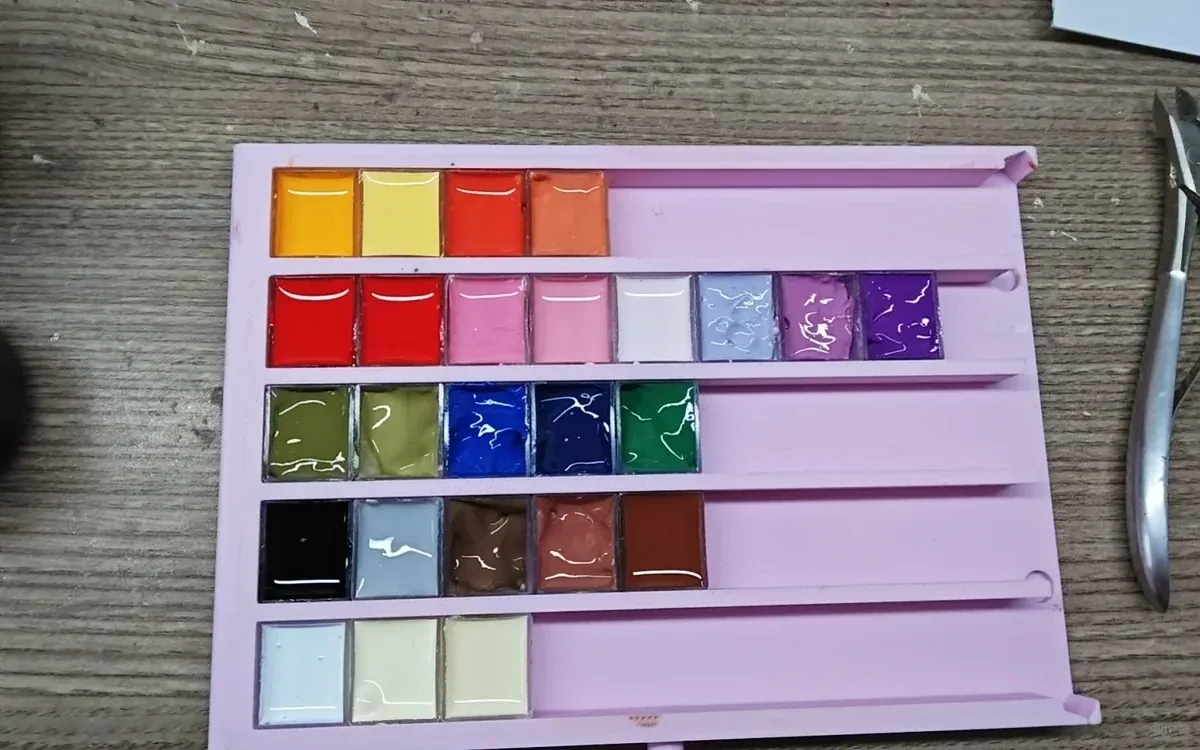
Our standing programme gives the practical baseline: buyer artwork runs at 100 sets per design, and that commission makes the artwork yours. The physical production layer is where clarity pays. If a custom design needs dedicated tooling, ask two questions before approving the quote: does this design need a dedicated mold at all, and if yes, who owns the mold when the agreement ends? A workshop that answers both without flinching is telling you how it handles every other clause. The stock versus custom mold comparison walks through when a dedicated mold is worth cutting at all.
Ownership at each layer of a custom design
| Layer | Default after commissioning | What to confirm in writing |
|---|---|---|
| Artwork file | Yours, at buyer-artwork commission | File handover and derivative rights |
| Dedicated mold | Workshop's, unless written otherwise | Ownership or buy-out terms, end-of-agreement fate |
| Colour recipe | Bench's working recipe | Exclusivity of the recipe, record custody |
| Approved sample | Yours to keep, the golden reference | Sealed duplicate held by both sides |
The buyer objection here is fair: "Why would I pay for a design I cannot move to another workshop?" Sometimes the honest answer is that you should not; stock or lightly modified designs travel freely and need no exclusivity at all. Exclusivity earns its cost on designs central to your brand story, and the portability question belongs in the same conversation as the price, not after it.
How do you write an exclusivity request a workshop can quote?
A vague exclusivity request gets a vague markup: workshops price the unknown by padding it. The requests that come back with clean numbers are the ones that hand the workshop a table instead of a paragraph.
Write the request as five rows: element, scope, territory, duration and renewal. Send it with your artwork and target quantity, and ask which rows change the price and by how much, with everything confirmed per project. A workshop that can price each row separately is a workshop that understands what it is selling.
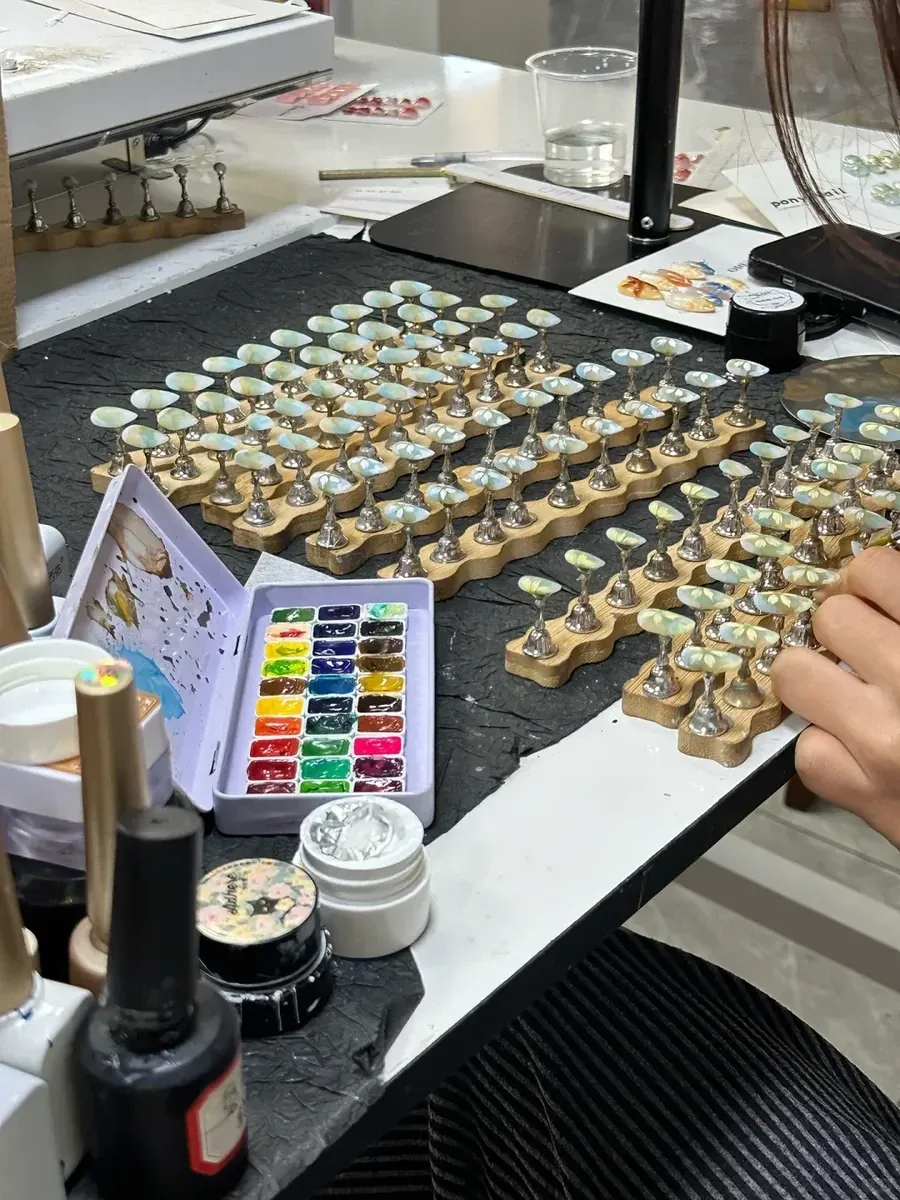
Scope language matters more than enthusiasm. Protect the design, not the vibe: name the artwork file version, the shade codes it uses, and whether near-variants fall inside the fence. Ask for the workshop's own definition of a breach and its remedy; a workshop that has thought about remedies has thought about enforcement, which is the part most buyers forget until they need it. For the production side of the brief, the bulk consistency guide shows how the approved sample anchors whatever protection you agree.
The five-row exclusivity request
| Row | Write it as | Why workshops need it to quote |
|---|---|---|
| Element | Artwork / mold / shade recipe / all three | Each is a different asset with a different price |
| Scope | File version, shade codes, near-variant rule | Determines what the fence actually encloses |
| Territory | Named markets or channel | Protection radius drives the price |
| Duration | Term length in months or seasons | Longer fences cost more to hold open |
| Renewal and remedy | Renewal trigger, breach definition | Tells the workshop you plan to enforce |
What should you check before money moves on an exclusive design?
The final check takes one hour and saves seasons: read the arrangement as a competitor would, looking for the door they would walk through.
Before paying: confirm the five rows appear verbatim in the agreement, check who keeps the artwork file and recipe records, ask what happens to the mold and the shelf stock when the term ends, and make sure the golden sample is sealed on both sides as the enforcement reference. Then pay, and diarise the renewal date.
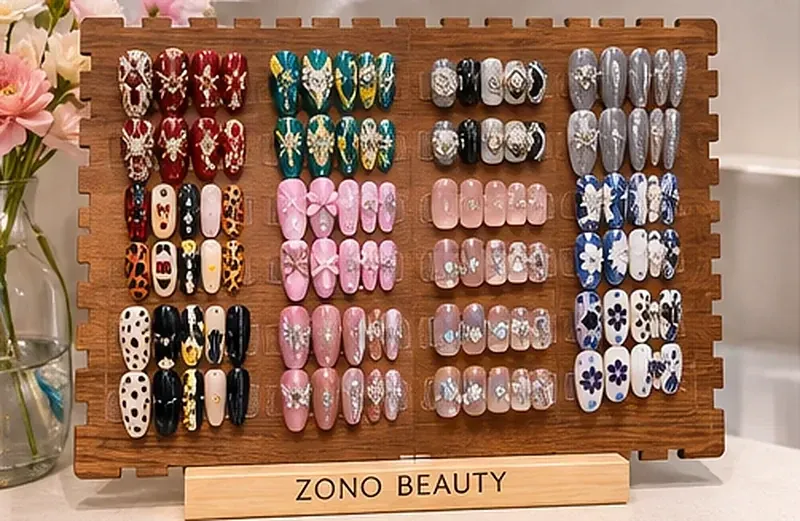
End-of-term mechanics are where buyers get quietly surprised. When an exclusivity term lapses, what becomes of the mold, the remaining stock, the shade recipe and the artwork licence? The cleanest arrangements answer all four in one paragraph: stock sells through, the mold retires or converts to open use, the recipe record returns to the bench with a note, and the artwork licence reverts or renews. Ten minutes of that conversation is worth more than a year of vigilance afterwards, and the whole production standard the protection rests on lives in the approved sample discipline anyway.
The pre-payment checklist
| Check | What closes the door | Evidence to hold |
|---|---|---|
| Five rows verbatim | Interpretation gaps | Signed agreement page |
| File and recipe custody | Lost artwork at renewal | Your copy of files and records |
| End-of-term mechanics | Surprise reuse after expiry | Written wind-down paragraph |
| Sealed golden sample | Unenforceable standards | Duplicates signed on both sides |
Conclusion
Exclusivity is five rights in a trench coat: artwork, tooling, recipe, territory and time. Ask for them row by row, learn which layer travels with you and which stays with the workshop, price each fence separately, and read the agreement once as a competitor looking for a door. Do that, and the word exclusive on your invoice finally describes something a shelf can prove.
Found a design worth protecting? Send the artwork, target quantity and the rows you want fenced, and we will bring back a per-element answer: what can be granted, what it affects, and what stays confirmed per project.
Send your artwork file, target markets and quantity plan. We will return the five exclusivity rows with what is grantable, what moves the price and what stays confirmed per project.
Start the conversationFootnotes
- Overview of exclusivity arrangements in distribution and supply agreements: Wikipedia. en.wikipedia.org ↩︎
- Intellectual property resources for small businesses in trade: World Intellectual Property Organization. wipo.int ↩︎