Sep 14, 2026Press-On Nails
How Do MOQs and Costs Affect Custom Packaging for Private-Label Press-On Nails?
Custom packaging for private-label press-on nails carries separate MOQs and steep price breaks; learn the ranges and how to avoid costly launch mismatches.
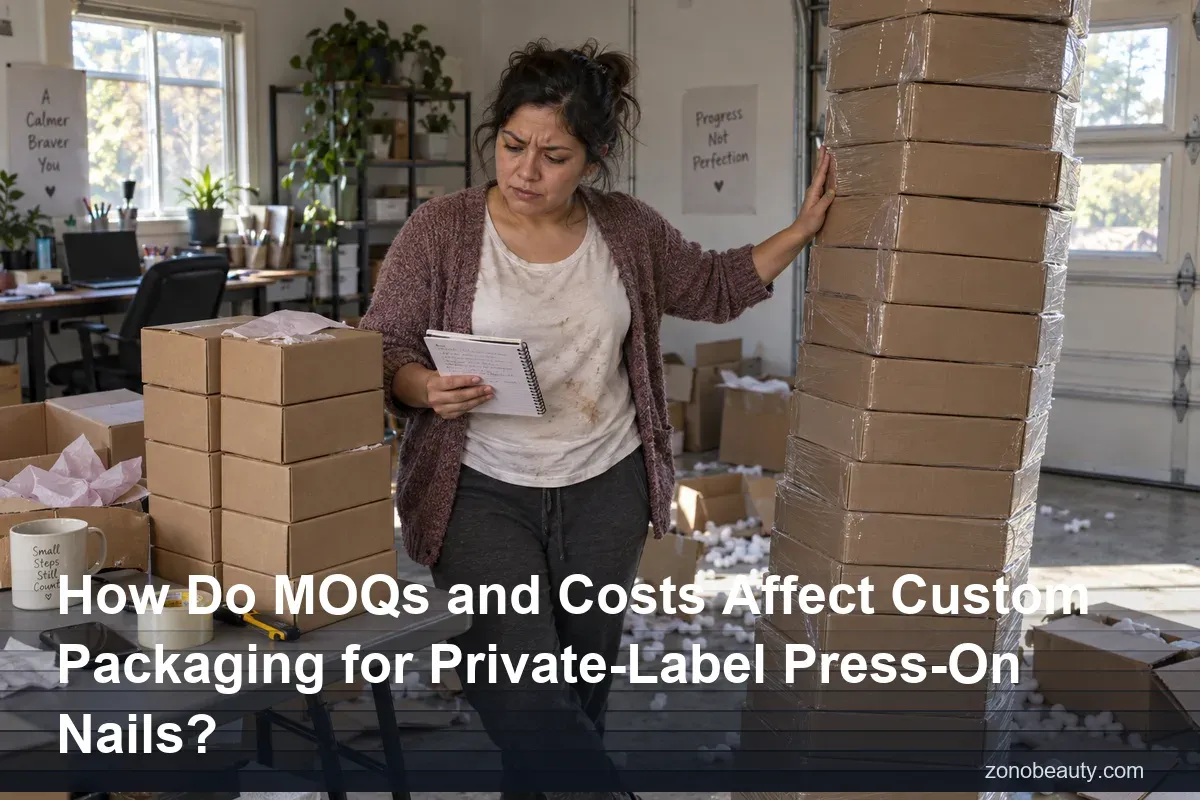
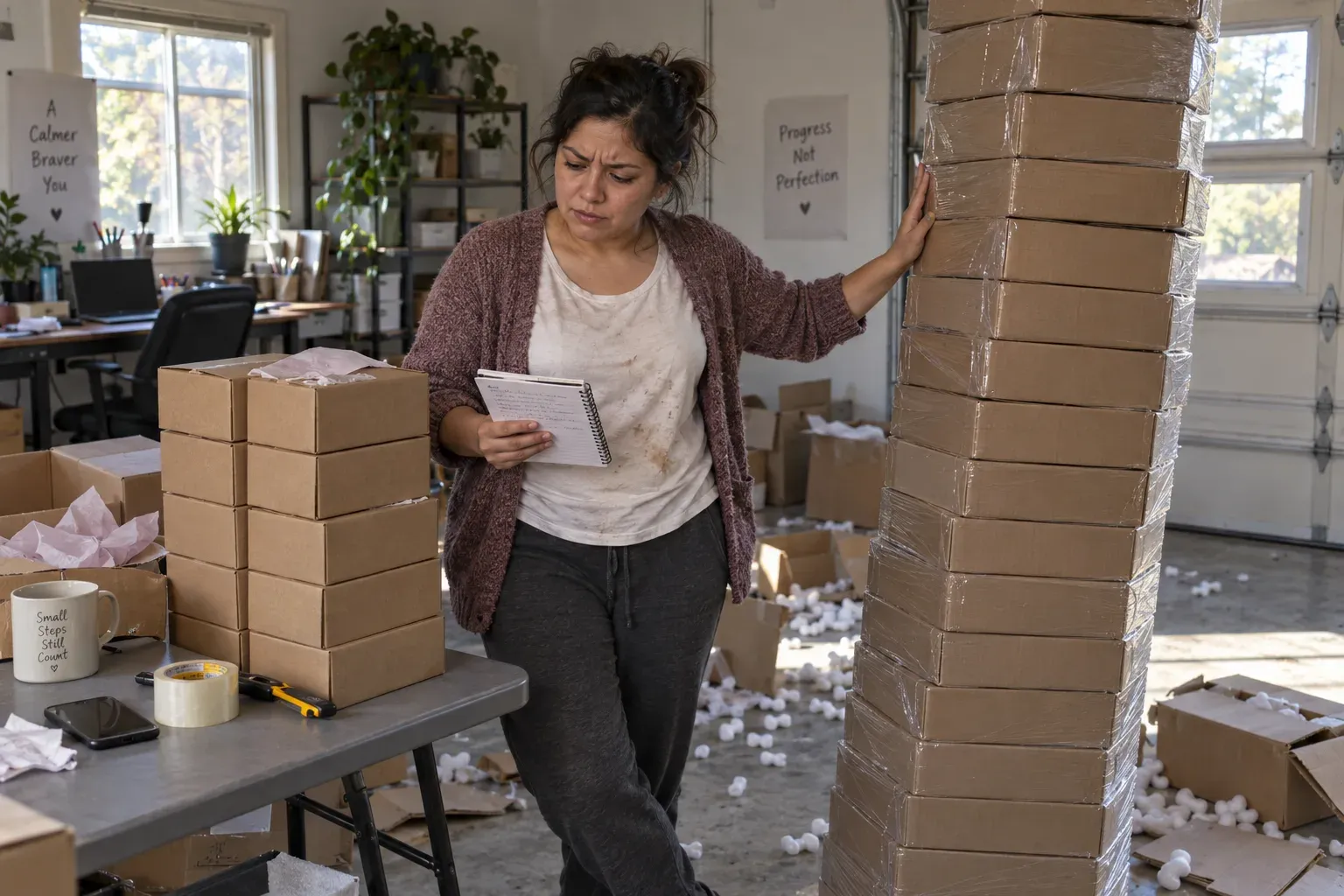
Custom packaging for private-label press-on nails often costs more than the nails themselves. Coordinating projects from Shantou, we watch this two-layer MOQ trap stall launches, drain cash, and kill margins.
MOQs and costs shape custom packaging for private-label press-on nails in two ways: packaging often carries a separate, higher minimum than the nail sets, and per-unit price drops sharply with volume. Semi-custom sleeves and rigid boxes are quoted at their own minimums, which are usually higher than the nail-set MOQ — always request both numbers separately.
Those two numbers decide most of your launch budget, but they hide a lot of moving parts. This guide breaks down where the minimums come from, why costs swing so widely, how bulk production mismatches happen, and exactly what to ask a supplier before you commit money.
ZONO confirmed terms (for reference)
- Sample sets: US$15 per set, credited against your first bulk order.
- Bulk production: around US$7 per set, quoted per design.
- Minimum order quantity: 50 sets per design.
- Compliance documentation: available upon request; final compliance responsibility rests with the brand owner.
- Markets served: Southeast Asia, North America, and South America.
Any other figures in this article are general industry context, not a ZONO quotation. Confirm current terms in writing before ordering.
What MOQ should I expect when ordering custom packaging for private-label press-on nails?
A buyer in Texas once approved her nail samples, then discovered her box supplier wanted six times the quantity. That call reshaped how we scope every packaging quote today.
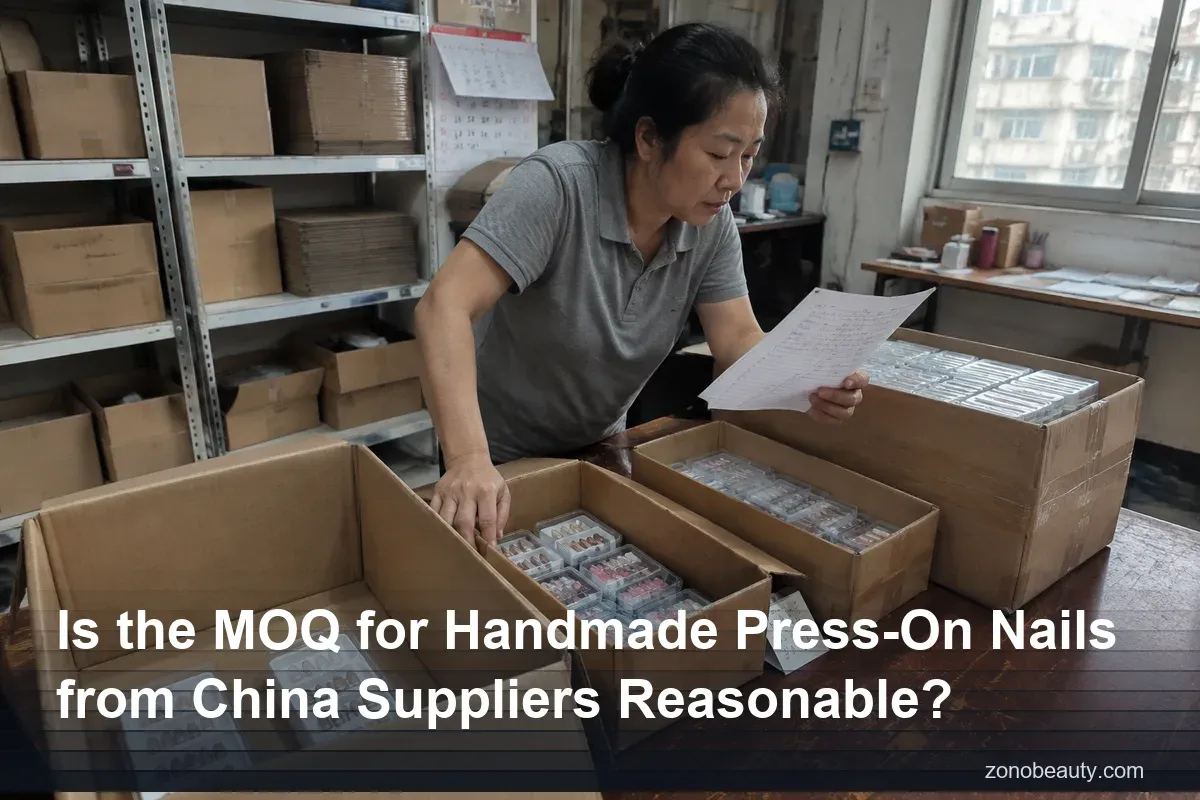
Expect a product MOQ quoted per design for custom decoration, with standard private-label and OEM runs at higher tiers. Confirm each tier in writing. Packaging is quoted separately: custom printed boxes can require 3,000 units or more, even when your nail MOQ is already met.
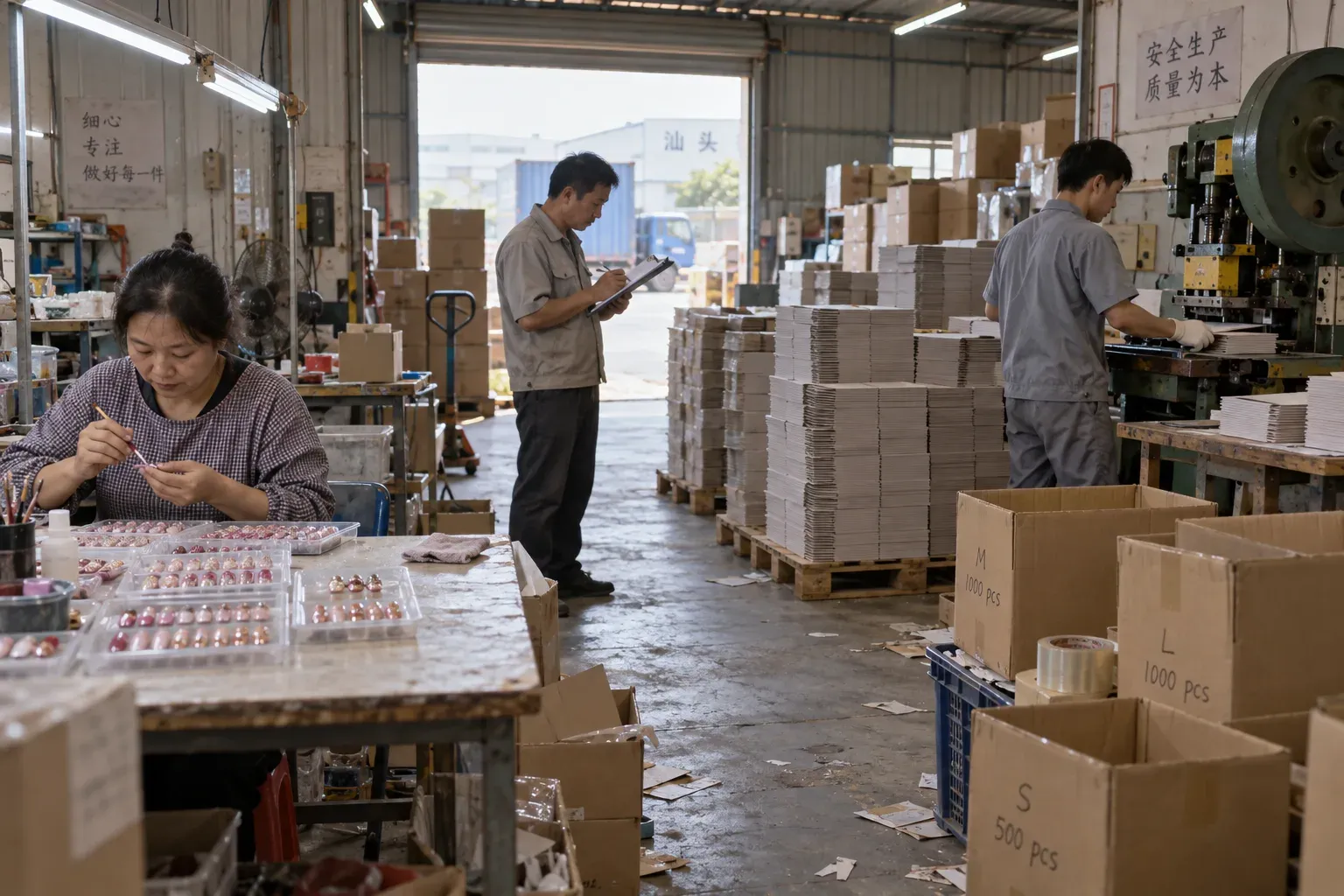
The single most expensive misunderstanding in this category is treating the nail MOQ and the packaging MOQ as one number. They are two different production disciplines. Wholesale nail suppliers press and decorate nail tips. Box factories run printing presses and die-cutting machines. Each side sets its own minimum based on its own economics.
Typical MOQ Tiers at a Glance
Order type | Typical MOQ | What it means for you |
|---|---|---|
Sample or test order | 10–50 sets | Highest unit price per set <sup id="ref-1"><a href="#footnote-1" class="footnote-ref">1</a></sup>; useful for fit checks |
Custom decoration, private label | a per-design minimum | Existing molds, your art and colors |
Standard private-label run | a higher per-design minimum | The most common tier quoted to new brands |
OEM manufacturing run | the highest per-design minimum | Fully custom shapes, new molds, new tooling |
Custom printed boxes | Often 3,000+ units | Separate plates and dies drive the minimum |
Why Private Label Lowers the Entry Barrier
Private label lets you start with existing nail styles and add branding and logo design through the packaging, instead of funding full OEM manufacturing from day one. Industry startup budgets for a <a href="https://intracen.org/" target="_blank" rel="noopener noreferrer">private-label press-on nail brand</a> <sup id="ref-2"><a href="#footnote-2" class="footnote-ref">2</a></sup> sit around $1,000–$5,000, depending on customization level and order size. Low-MOQ launch options are also becoming a competitive feature. Some suppliers now advertise packaging minimums as low as 100–500 units for simpler formats like logo-printed sleeves. In our sourcing work, we treat those low-MOQ formats as the sensible first step. They keep inventory management simple while you learn what actually sells.
✔ Packaging often has a higher MOQ than the nail sets it holds TrueCustom box printing requires plates, dies, and machine setup that only pay off at volume, so one supplier may accept 500 nail sets while its box partner requires 3,000 printed boxes.✘ Meeting the nail MOQ automatically covers the packaging order FalsePackaging is quoted and produced separately from the nails, so a brand can fully satisfy its nail MOQ and still fall thousands of units short of the box minimum.
Why does my per-unit cost change so much based on packaging material and design complexity?
Every quote we assemble balances the same trade-off: richer materials and finishes lift perceived value, but each upgrade adds tooling, setup, and calibration costs that only large runs can absorb.
Per-unit cost swings because fixed setup fees — printing plates, die-cutting, foil stamping calibration — are amortized across your run. Digital printing enables low MOQs at higher unit prices; offset printing rewards bulk. Material shifts from folding cartons to rigid boxes also raise base cost, weight, and shipping fees.
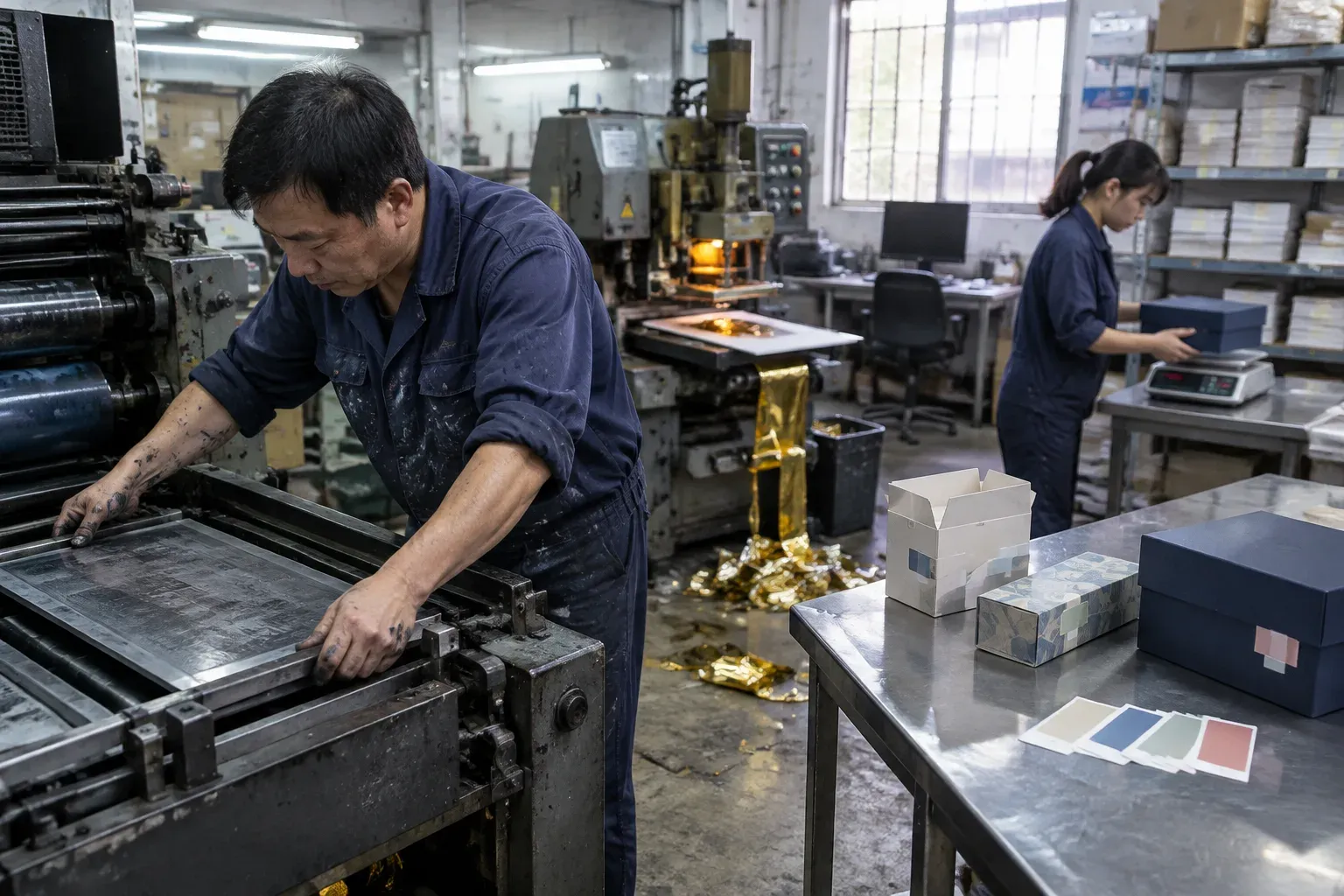
Think of every packaging quote as two buckets: <a href="https://en.wikipedia.org/wiki/Fixed_cost" target="_blank" rel="noopener noreferrer">fixed costs</a> <sup id="ref-3"><a href="#footnote-3" class="footnote-ref">3</a></sup> and variable costs. Fixed costs cover plate making, die cutting, and press setup. They stay the same whether you print 500 boxes or 5,000. Variable costs cover paper, ink, and labor per unit. Higher MOQs spread the fixed bucket thinner, which is why bulk ordering discounts look so dramatic on paper.
Format Pricing From Supplier Guides
Packaging format | Typical unit cost | Typical MOQ |
|---|---|---|
Plastic bag + paper card | Lowest in market | Very high bag MOQs, limited protection |
Semi-custom sleeve with print | moderate | high unit minimums |
Blister pack with card | highest | high unit minimums |
Fully custom rigid box | highest | very high unit minimums |
The Hidden Multipliers
Three things quietly push cost above these base ranges. First, finishes. Gold foil, embossing, and spot UV each need specialized machinery setup and calibration, and they typically trigger higher MOQ requirements from the box factory. Second, structure. Internal plastic trays and precision-cut foam inserts that hold nails in place add real tooling and labor to the first run. Third, material weight. Moving from a folding carton to a rigid box raises the base manufacturing cost and inflates <a href="https://iccwbo.org/" target="_blank" rel="noopener noreferrer">international freight</a> <sup id="ref-4"><a href="#footnote-4" class="footnote-ref">4</a></sup>, because rigid boxes ship heavier and bulkier. Eco-friendly packaging materials such as molded fiber and heavier paperboard follow the same pattern: better story, higher price, and usually higher minimums. Our advice to buyers is blunt. If the packaging spend outruns the product margin, premium unboxing compresses your profit margins instead of protecting them. Match the format to your retail price, not to your mood board.
✔ Digital printing allows low-MOQ custom box printing at a higher unit price TrueDigital presses skip plate making, so small runs become viable, but each unit costs more than the same box produced on an offset press at bulk volume.✘ Upgrading to a rigid box only changes the price of the box itself FalseRigid boxes also add weight and volume that raise international shipping fees, and they usually demand custom trays or inserts that carry their own tooling and labor costs.
How do I avoid unexpected costs when my nail design and packaging don't match up in bulk production?
During one pre-shipment inspection, our team found almond-shaped nails rattling loose in trays cut for coffin shapes. The whole run needed new inserts before it could ship.
Avoid mismatch costs by locking nail dimensions before packaging tooling begins, approving a physical prototype that holds your actual nails, and confirming insert tolerances in writing. Hybrid strategies — generic outer boxes with low-MOQ custom sleeves or labels — reduce the financial risk of committing to one design.
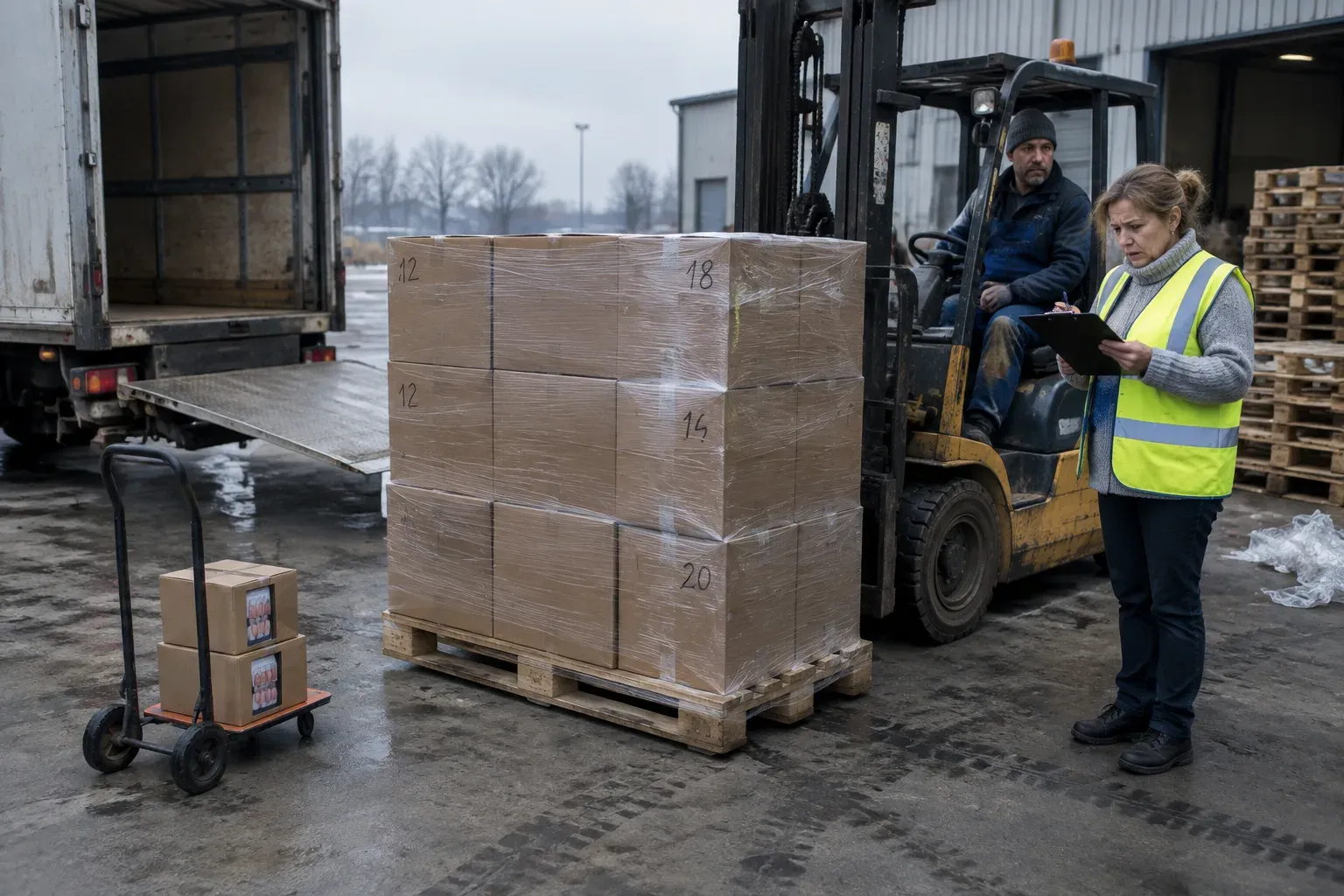
Mismatch problems almost always trace back to sequence. The box tooling was cut before the nail specs were final, or the accessory kit changed after the insert was designed. Because we coordinate nails and packaging as one project rather than two vendors, we run every job through the same fit sequence. You can apply it with any supplier.
- Lock the nail specifications first. Confirm shape, length, and set count. Then confirm everything else going into the box: adhesive tabs, glue, file, prep wipe. Nail application kits change the insert layout, so decide the kit contents before anyone cuts a die.
- Fund prototype development. A physical prototype that holds your actual nails costs little compared to re-tooling 3,000 boxes. Never approve packaging from a rendering alone.
- Get tolerances in writing. Ask for the tray cavity dimensions and the acceptable variance. A loose nail in transit becomes a customer complaint.
- Approve a pre-production sample in bulk materials. Sample stock and production stock can behave differently in folding and gluing.
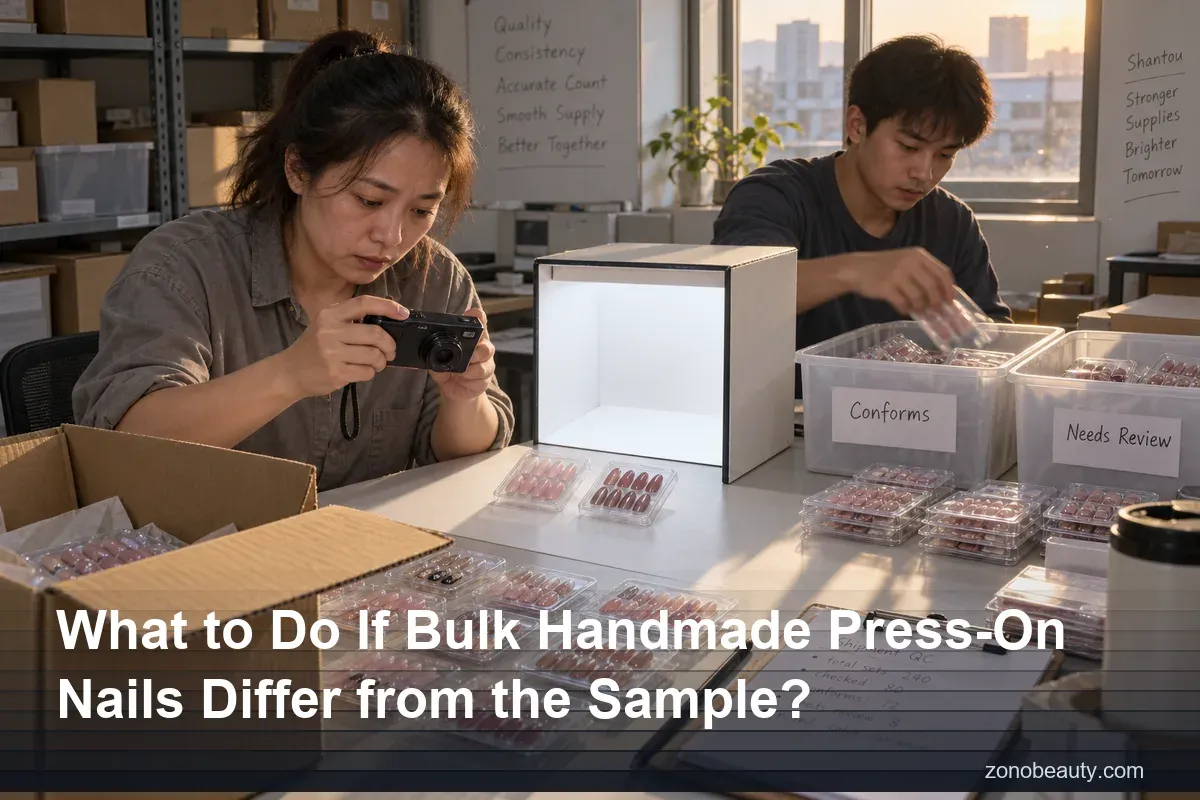
- Inspect before shipment. A fit check on packed goods catches the almond-in-coffin-tray problem while it is still fixable.
Beyond sequencing, structure your packaging for flexibility. A hybrid approach pairs a high-volume generic outer box with low-MOQ custom-printed sleeves, giving a bespoke look without massive inventory risk. Universal boxes finished with high-quality adhesive labels let you meet the box MOQ once while launching seasonal styles in small volumes. Two more cost levers are worth designing in early: a scannable QR code can replace printed instruction booklets and cut return rates through digital education, and letterbox-friendly dimensions can slash last-mile delivery costs for e-commerce brands — often enough to offset a higher box MOQ over a year of orders.
What should I ask my supplier upfront to plan my budget around MOQ and packaging costs?
Ten years of supply chain work taught us one habit that saves buyers the most money: get every component quoted separately before you approve a single sample.
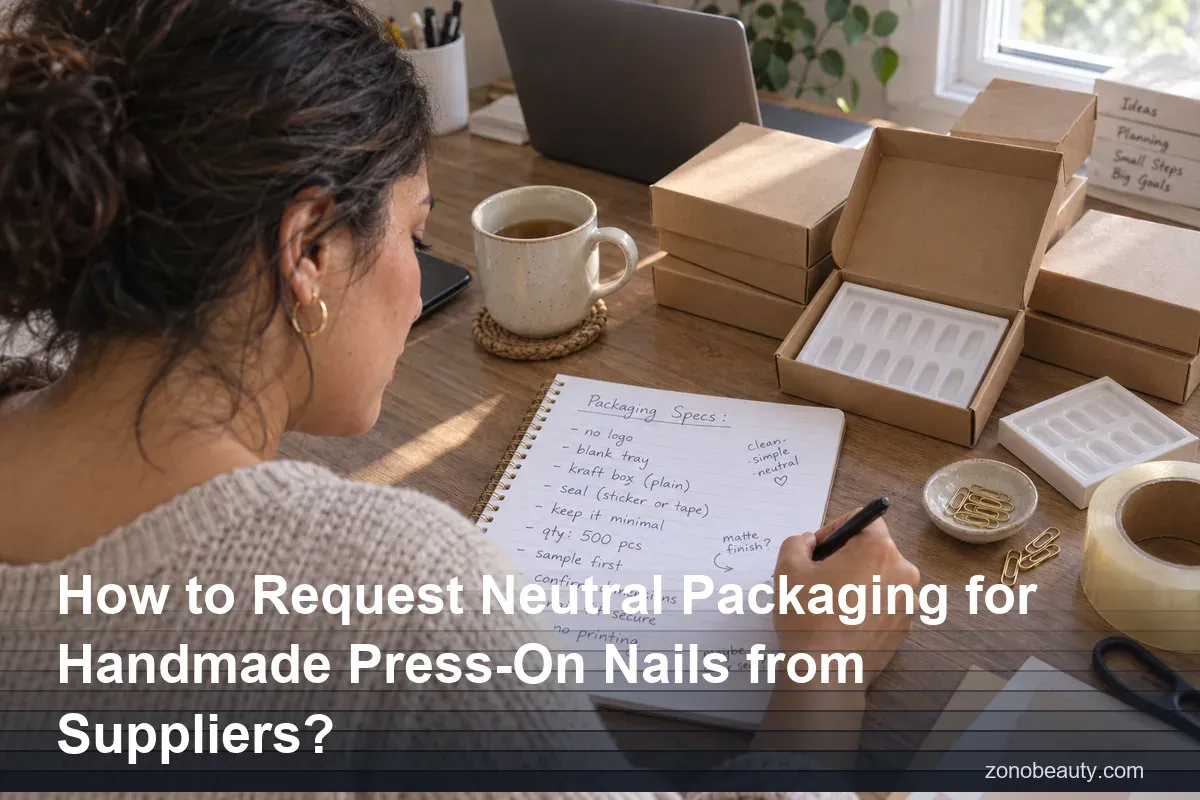
Ask suppliers for separate quotes on nails, boxes, trays, inserts, and labels; confirm each component's MOQ and setup fees; request lead times for samples, production, and shipping; and compare total landed packaging cost — not just box price — against your forecast, cash flow, and target retail margin.
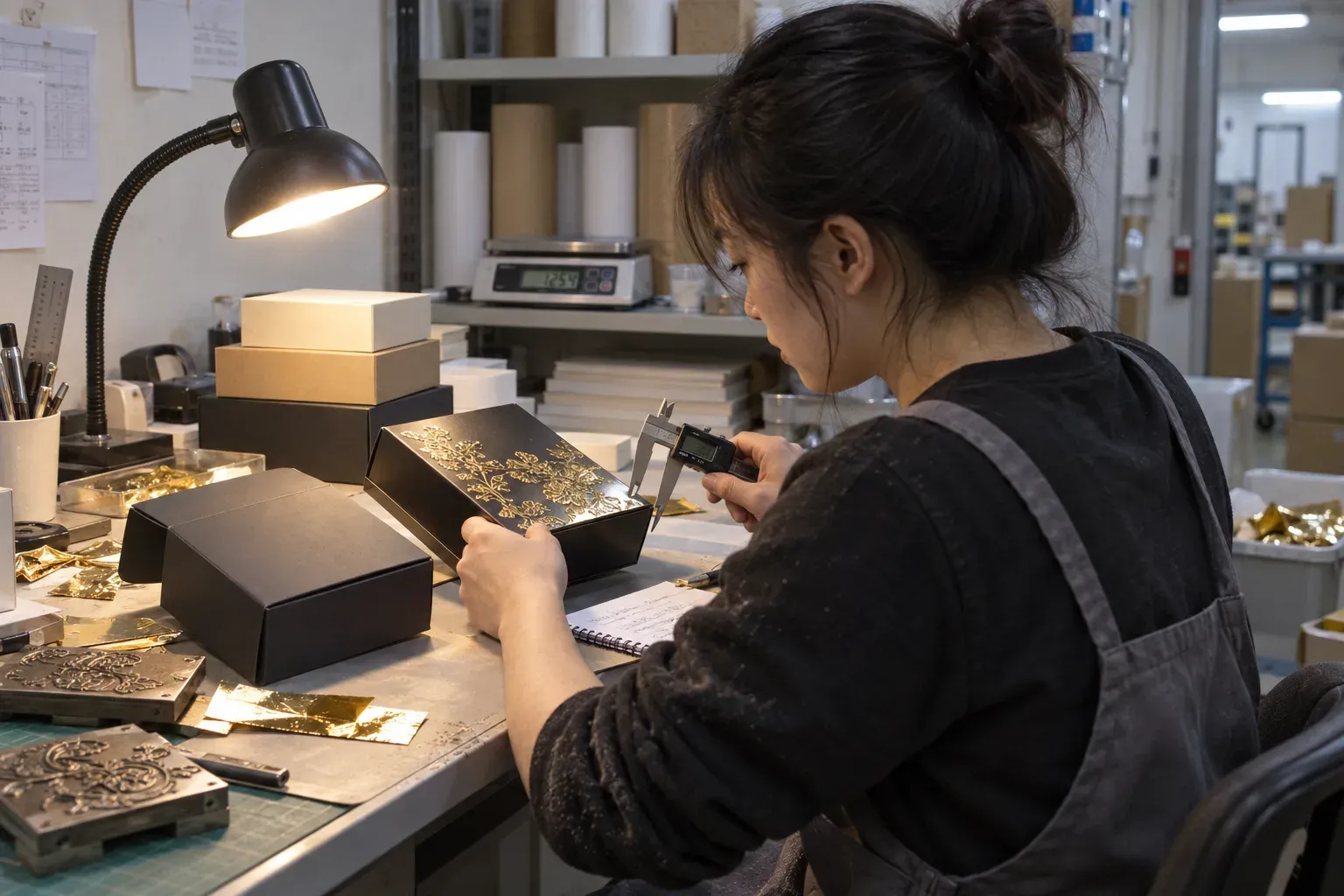
A vague quote is where budgets go to die. When a supplier sends one bundled price, you cannot see which component is forcing the MOQ up or where the unit price per set is padded. The questions below force clarity. We use versions of them internally when matching clients to vetted production network, because the answers reveal more about a supplier than any brochure.
The Upfront Question Checklist
Question to ask | Why it protects your budget |
|---|---|
Can you quote nails, box, tray, insert, and labels as separate line items? | Shows exactly which component drives cost and MOQ pressure |
What are the setup fees for plates, dies, and foil stamping? | Fixed fees decide the volume where unit price actually falls |
What are your lead times for production, samples, and freight? | Samples often take 7–21 days, production 10–45 days, and high-volume packaging can run 4 to 8 weeks |
At what quantities do bulk ordering discounts kick in? | Lets you plan the reorder curve instead of guessing |
Can I run universal boxes with adhesive labels for new styles? | Preserves flexibility for low-volume seasonal launches |
What is the landed cost including freight and duties? | Rigid formats inflate weight and volume charges that box-only pricing hides |
Then pressure-test the answers against your own numbers. A common startup budget disappears fast if too much of it sits in boxes waiting for sales to catch up. MOQ discounts are only savings if the inventory turns; capital tied up in unsold packaging is a real cost, even when the unit price looks great. Build around the MOQ that matches your sales forecast and cash flow, not the MOQ that produces the prettiest spreadsheet. In our coordination work, we push suppliers to explain why a quote sits where it does — formula, packaging, MOQ, and target market all move the number, and a supplier who cannot explain the difference is telling you something.
✔ Total landed packaging cost is a truer comparison metric than box price alone TrueFreight, duties, setup fees, and insert tooling can shift the real per-unit figure significantly, so two similar box quotes can land at very different final costs.✘ The lowest per-unit quote is always the cheapest option FalseA low unit price at a high MOQ can tie up far more cash and create dead inventory risk, making a higher unit price at a lower MOQ the cheaper real-world decision.
Conclusion
Packaging MOQs, not nail MOQs, usually decide whether a launch is affordable. Validate demand with lower-MOQ formats first, then upgrade once sales justify the inventory commitment.
Sourcing handmade press-on nails and need to check MOQ against your order plan? Browse the ZONO press-on nail range for finished sets, shapes, and private-label options.
Footnotes
1. The WTO establishes international standards for customs valuation and trade pricing transparency. ↩︎ 2. ITC provides trade resources for SMEs developing private-label brands in international markets. ↩︎ 3. Explains the economic concept of fixed costs mentioned regarding packaging setup and plate making. ↩︎ 4. The ICC sets the global standards and Incoterms for international freight and trade logistics. ↩︎