How to Source Custom Logo Cosmetics: Decoration Method, MOQ and Quantity
A sourcing guide to custom logo cosmetics decoration: how the component material and the order quantity decide the method, and what to fix in the brief before you quote.
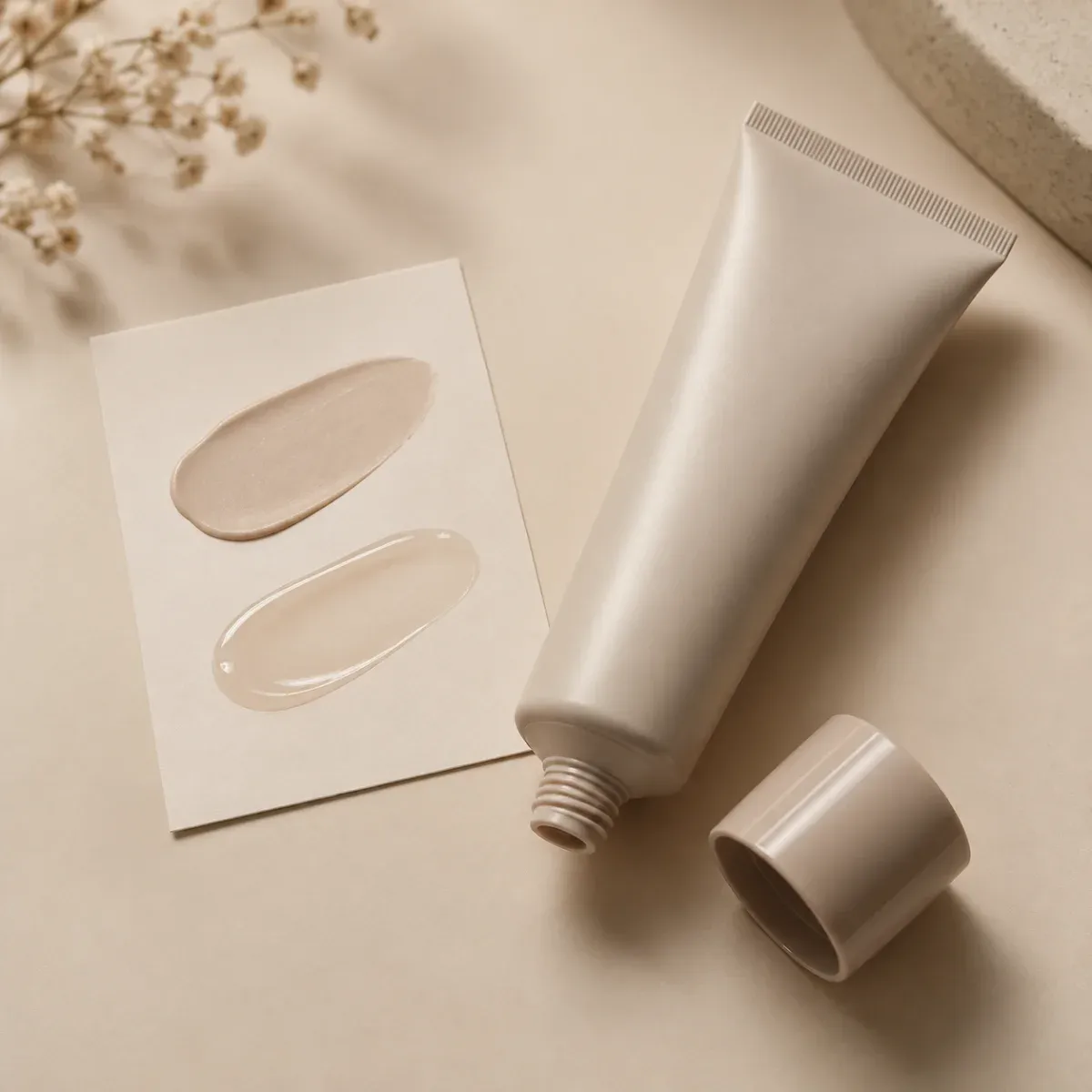
A custom logo on a cosmetics component is won in the component and the order quantity before it is won in the artwork. The method you can actually print is set by the surface you chose, and the quantity you can actually run is set by the higher of two minimums — the formula floor and the decoration floor. Treat logo decoration as a line item to specify and price, not a finishing touch to add after the bottle is chosen.
Most first-time buyers ask "can you put my logo on it?" as if it were one service, and stop there. It is five processes with different surface limits, different tooling and different minimums. A method that looks right on a glass jar can fail on a curved soft-touch tube, and the method with the lowest unit price often carries the highest setup, which a small first order cannot spread. The quote then comes back incomparable, because two suppliers read the same vague brief in two different ways and price two different jobs.
ZONO Beauty coordinates long-term manufacturing suppliers from Shantou, Guangdong, across ready-stock, semi-custom and full OEM/ODM routes, and is not positioned as a single factory. This guide covers the method and quantity questions to settle in a decoration brief; for the component side, the stock-component-plus-custom-decoration route keeps the bottle standard and moves the differentiation into the print, which is usually the faster and lower-minimum path.
The logo is part of the component specification, not decoration added at the end. Name the material and the quantity, or the print either cannot bond or the minimum strands your first order.
What should my decoration specification pin down before I ask for a price?
Each method suits a different surface and a different volume, and the component decides the final call. The table below is the starting point a supplier needs before a decoration quote means anything: without it, the price is a guess at a method you have not named.
| Method | Best surface | Durability | Tooling / MOQ note |
|---|---|---|---|
| Screen print | Flat or gently curved glass, rigid plastic | High | Screen per colour; moderate setup |
| Hot stamp (foil) | Glass, metal, rigid plastic | High, premium look | Die per design; moderate setup |
| Pad print | Small, curved, irregular parts | Medium-High | Pad and plate per design |
| Self-adhesive label | Almost any shape | Medium (peels in wet use) | Lowest setup; lowest MOQ |
| Laser etch / engrave | Glass, metal, anodized surface | Permanent | No ink; fixture per shape |
Name the method, the surface and the quantity in the brief, not the look. A supplier told only "gold logo" prices the safest and most expensive reading of those words, because that is the only defensible interpretation. State the component material and shape, because that single field eliminates every method that cannot bond to it and shrinks the quote to the routes that can.
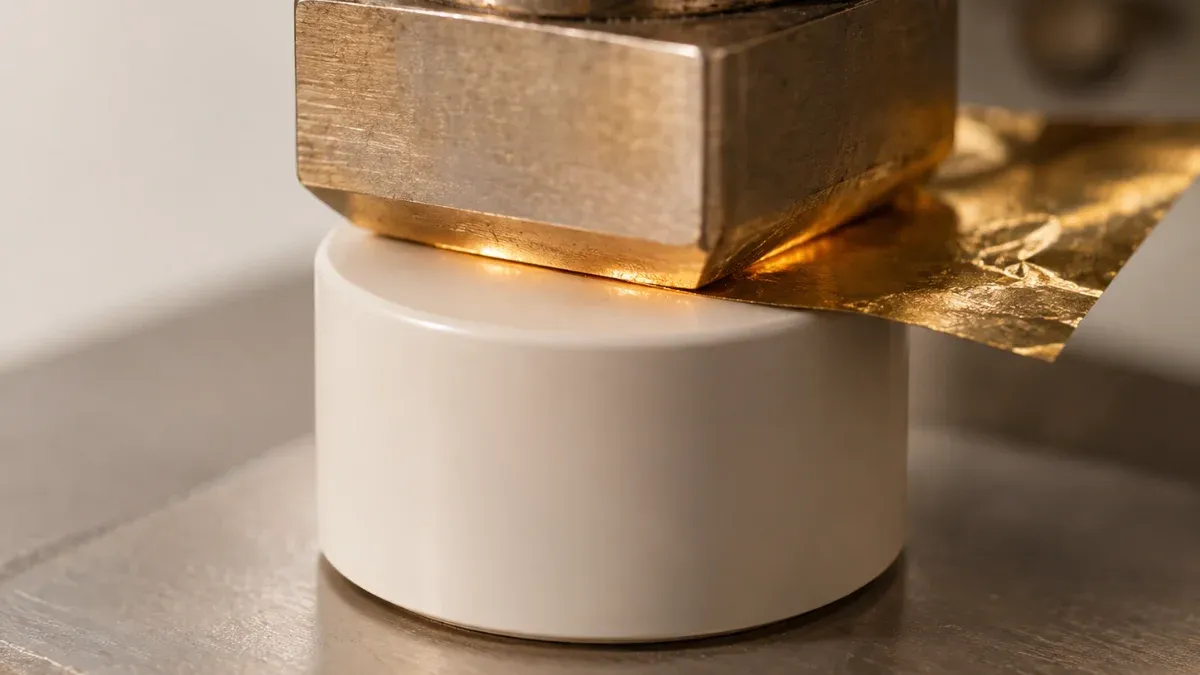
Which decoration method clears the quantity you actually plan to order?
At low volume the setup, not the unit price, decides the method. The process with the cheapest price per piece often carries the highest die or screen cost, and that setup does not shrink with a small run. Ask each supplier to quote the setup separately from the per-piece rate, so the two lines can be compared against the quantity you will actually order.
- Label first: lowest setup and lowest minimum, so it is the natural fit for a proof-of-concept run or a design that may still change.
- One colour, one position: if you must print, a single-colour screen or pad at one placement is the cheapest print route to set up.
- Share the component: a stock bottle with custom decoration keeps the component standard and moves the differentiation into the print.
- Defer hot stamp and laser: both are premium and durable, but their die or fixture cost is best carried by a reorder, not the first test.
The stage decides the method more than the artwork does. A brand that intends to reorder can justify a print setup; a brand testing a concept should not pay for a die it may retire. Tell the supplier which stage you are in, because the same logo has a different right answer at a test quantity and at a reorder quantity.
Why does the decoration minimum sit above the formula minimum?
This is the trap that strands small first orders. The formula may carry a low minimum, but the printed component usually carries its own higher floor because the setup is per design and per colour. The order quantity has to clear the higher of the two, not just the formula, and the decoration floor is the one most often discovered at confirmation rather than at quote.
The packaging MOQ guide explains why the packaging floor usually sits above the formula floor, and how stock components and shared decoration setups close the gap. Ask both minimums, stated separately, before you quote — the printed component is what stops a small first order, not the liquid inside it.
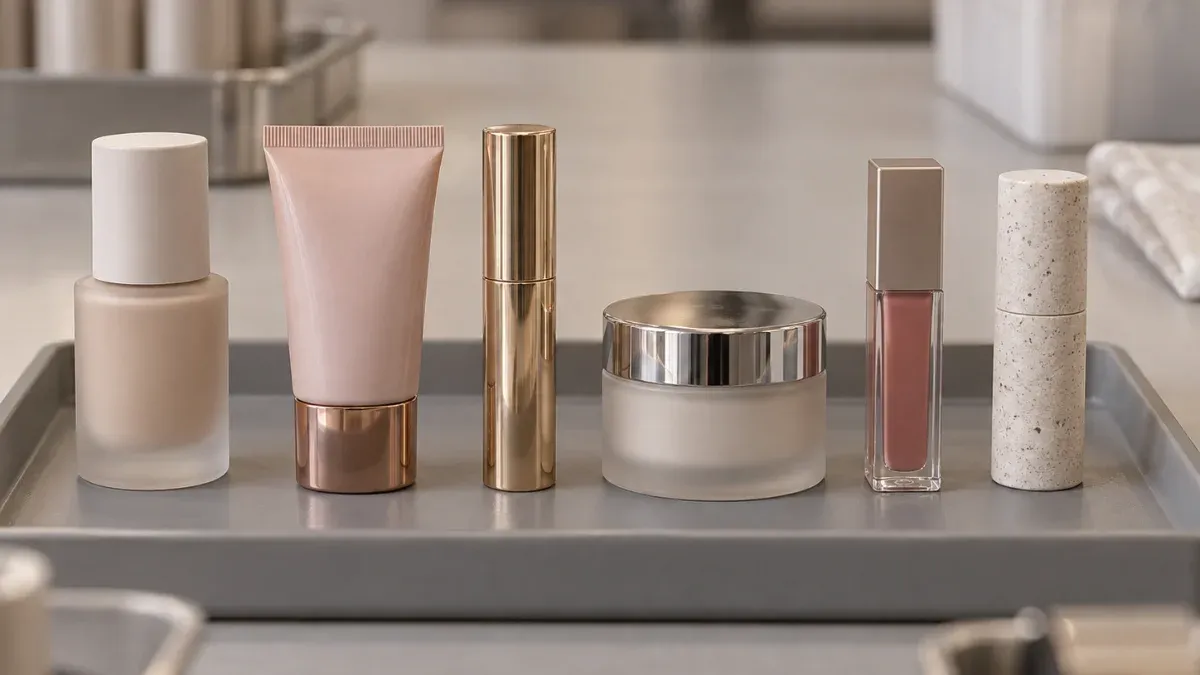
What do I put in the RFQ so two decoration quotes are comparable?
A decoration brief a supplier can price without guessing is short and specific. State these fields and the returned quote lines up against the next supplier's instead of pricing a different job.
- Component material and shape, because it eliminates the methods that cannot bond.
- Colour in a reproducible system (Pantone or LAB), not a name.
- Placement and size, with a die-line where possible.
- Wear environment: bathroom, travel or gift, so the right failure mode is tested.
- Order quantity and reorder intent, because both decide whether setup is worth amortising.
- Both minimums: formula and decoration, stated separately.
| Vague brief | What it should say |
|---|---|
| "Gold logo" | "Hot-stamp metallic gold, Pantone 871C, 18mm centred on the front face" |
| "Our blue" | "Screen print, Pantone 286C, single colour, 12mm from base" |
| "Make it premium" | "Laser etch on glass, 0.3mm depth, matte contrast" |
Reproducible values are what make the thousandth unit match the first. "Gold" spans ten finishes and "blue" is not a coordinate; a named Pantone, a size in millimetres and a placement relative to the component are lines a supplier can quote and a printer can hold. Note any coating or soft-touch finish too, because it changes which method survives and therefore which quote is real.
Which decoration and durability terms must be in writing before I order?
Durability is not just "will it scratch." It is whether the print survives a bathroom, a delivery truck and a returns bin, and each of those is a term you can write into the order rather than hope for. Ask for a cure and adhesion spec in writing, with the solvent the product will actually meet.
- Alcohol and oil resistance: a print that dissolves under a sanitizing wipe fails in testing and on a counter.
- Abrasion: pad and screen generally outlast labels in transit rubbing.
- Wet-environment adhesion: labels peel where screen and laser do not, which matters for shower and bathroom products.
- Colour fastness: foil can flake at edges if the surface was not prepared; ask for a cure and adhesion spec.
A print that passes a dry rub and dissolves under an alcohol wipe has not been tested against its real environment. Put the wipe, the oil and the wear context into the order terms, so the acceptance test is agreed before the press runs rather than argued about after the cartons ship.
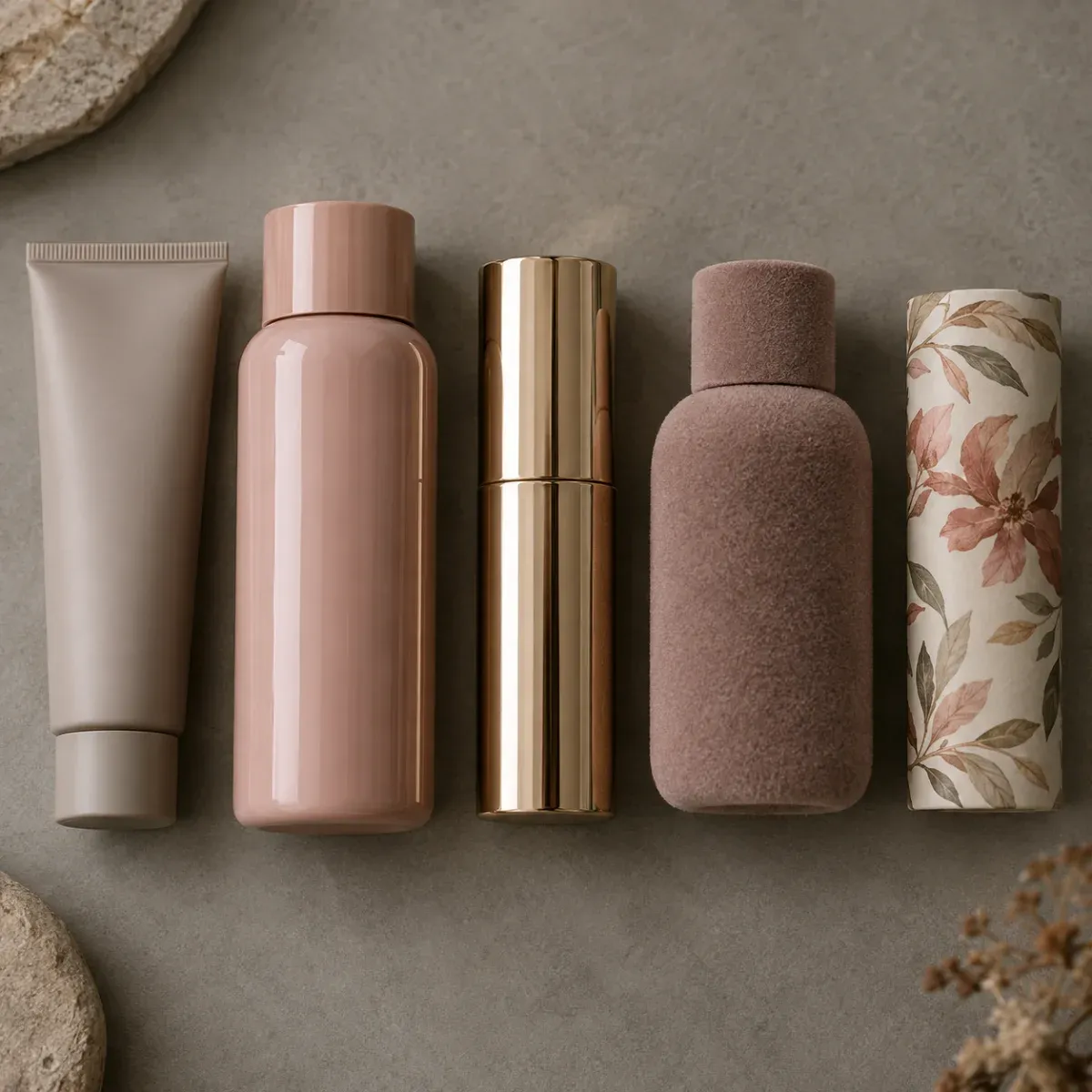
How do I verify decoration before the bulk print?
Decoration failures are about the match between method, material and environment, and each is far cheaper to catch before the print run than after. The verification is a test on the actual decorated component with the actual solvent, not a look at a dry mock-up or a catalogue photo.
None of this is adversarial; a real supplier answers each question with a test result and a number. The failure is approving decoration from a photo instead of a tested component, and then paying for the whole print run a second time.
Questions to send the supplier before you quote
Send these in writing, to every supplier, before any decoration price is discussed. The answers are what let you compare two quotes on the same basis instead of on two different jobs.
- Which decoration methods can you run on this exact component material and shape?
- What is the setup cost, and does it change with the number of colours or the placement?
- What is the decoration minimum, stated separately from the formula minimum?
- What adhesion and rub test will you run, against which solvent the product will actually meet?
- Which colour system will you match to — Pantone or LAB — and how will you record it against the master?
- Do you print the component in-house or through a sub-supplier, and is that inside your quote scope or billed separately?
- What changes on a reorder — setup, unit price, minimum quantity — and what is fixed?
- What lead time applies to the print run after artwork approval, and how many proof rounds are included?
Ask for the answers in writing and hold every supplier to the same list. A supplier who answers all eight is describing a run you can hold to; one who answers three is describing a hope.
Where do first decoration orders actually go wrong?
Decoration problems are rarely about the artwork; they are about the match between method, material and environment, and most order problems show up in the hand-off rather than the press. Each of these is caught by a test or a written number you already requested.
- Adhesion failure: a print that lifts because the surface was not prepared or the method did not suit the material.
- Solvent attack: a logo that wipes away under alcohol or oil, visible on the customer's counter within a week.
- Colour drift: a foil or ink that reads different across lots because the colour was named, not specified.
- Minimum surprise: a decoration floor above the formula floor, discovered at confirmation rather than at quote.
None of these is hostile; a real supplier answers each with a test result and a number. The failure is approving decoration from a photo instead of a tested component, and discovering the real minimum after the deposit rather than in the quote.
Frequently Asked Questions
- Which decoration is most durable? Laser etch is permanent on glass and metal; screen and pad print are the most durable ink methods. Self-adhesive labels are the weakest in wet or abraded use, which is why they suit proof-of-concept runs rather than reorder lines.
- Why is my printed-component MOQ higher than the formula MOQ? Because the print setup is per design and per colour, and the component supplier carries its own floor. The order must clear the higher of the two, so ask both minimums in writing before you quote.
- Can I print on a soft-touch plastic tube? Heat methods like hot stamp can soften some coatings; pad print or a label is usually safer. Confirm with an adhesion test on the actual material, not a generic assurance.
- Is a label acceptable for a premium line? It is acceptable for small first runs and frequent design changes, but screen or hot stamp reads more premium and survives better. Move to print once the design is stable and the reorder quantity can carry the setup.
Conclusion
Custom logo cosmetics are decided by the component and the quantity before they are decided by the look. Name the material and the shape in the brief, pick the method that clears the quantity you actually plan to order, and clear both the formula and the decoration minimums in writing before you commit. Specify colour in a reproducible system, put the adhesion and rub test into the order terms, and use a label to prove the concept before you buy a die. Send one written brief and the same eight questions to every supplier, and the returned quotes compare instead of arriving as three different jobs.
Need a decoration method check? Share the component material and shape, target colours, expected order quantity and whether the product lives in a wet environment, and ZONO can help turn it into an RFQ that two suppliers quote on the same basis.