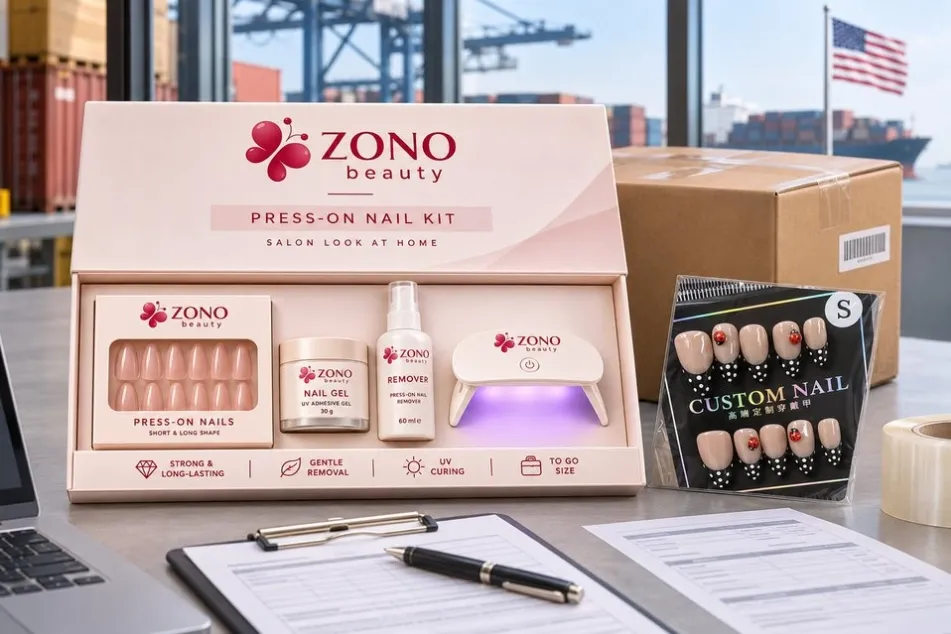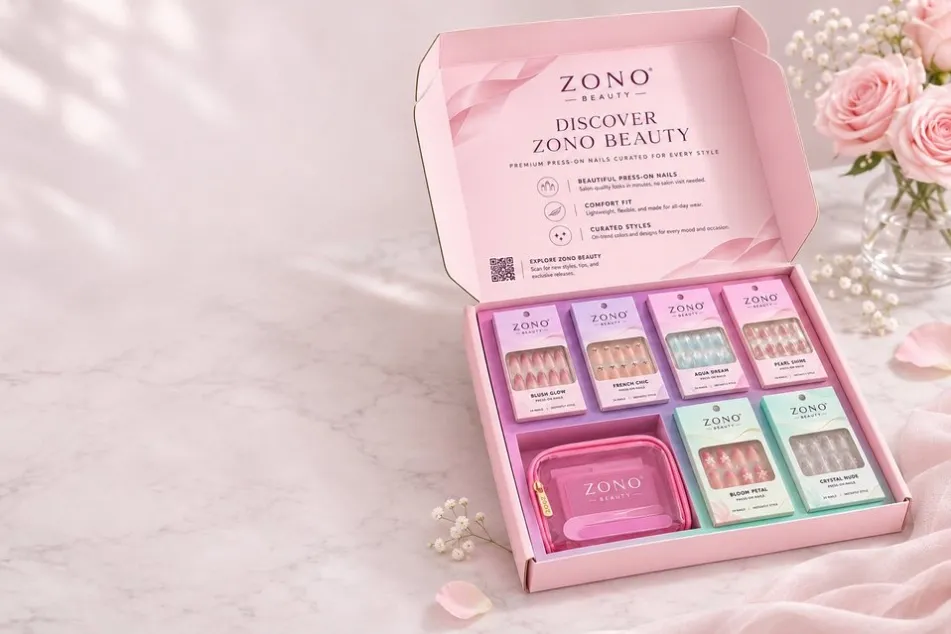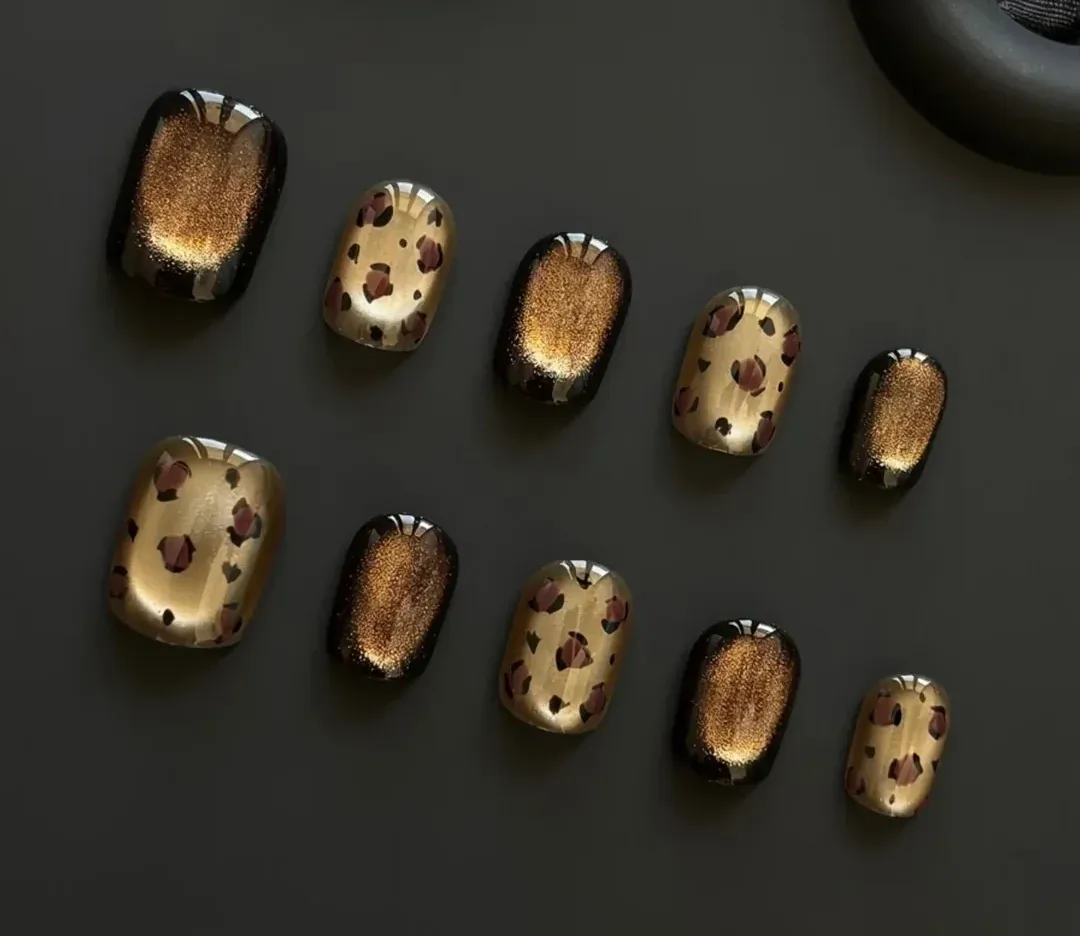
Why Wholesale Press On Nail Prices Differ
Two similar-looking press on nail designs can quote differently. Compare design, confirmed construction, quantity and packaging on the same basis before judging the price.
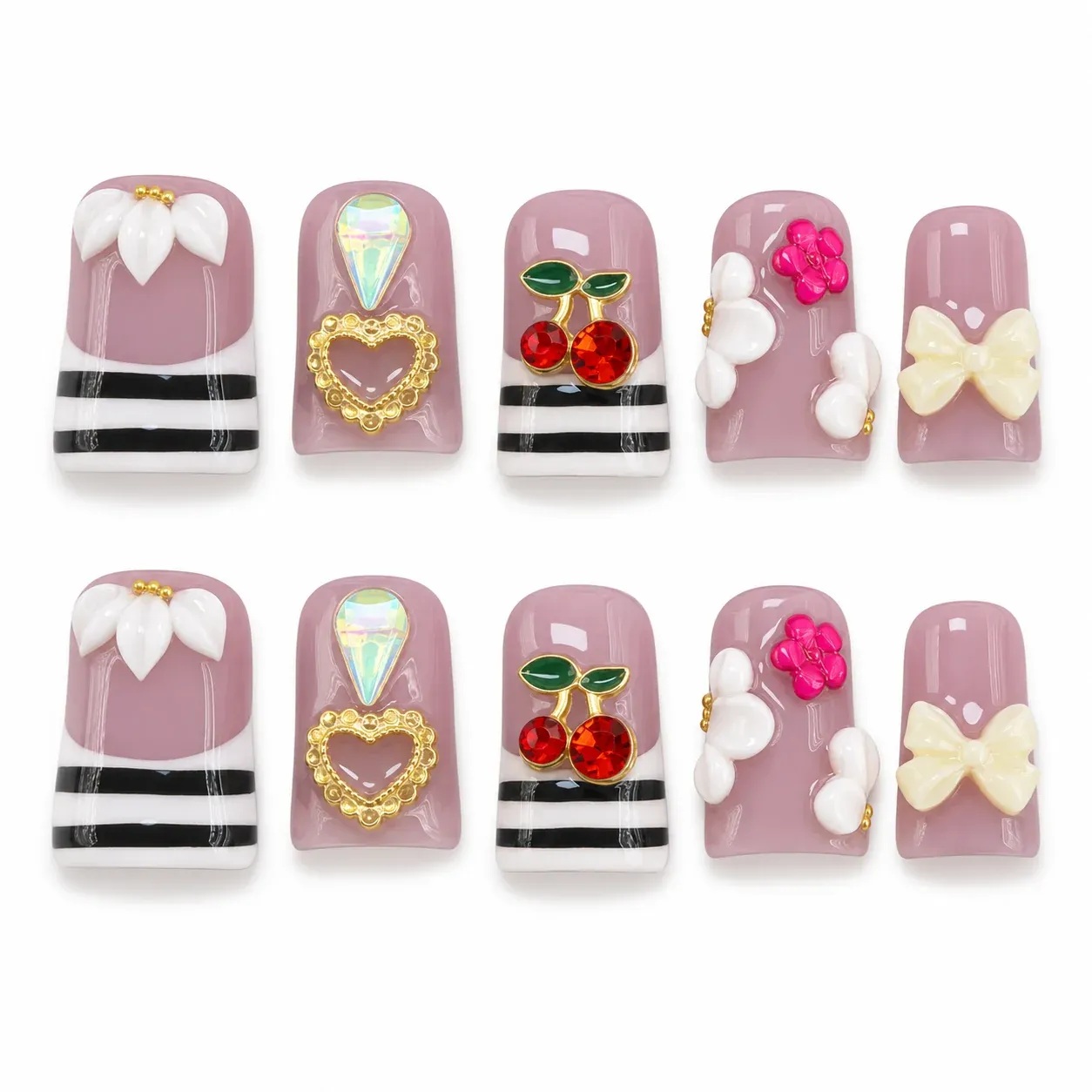
When we quote new designs for retail buyers, two sets that look almost identical in a catalogue often come back with different prices, and the difference is usually explainable.
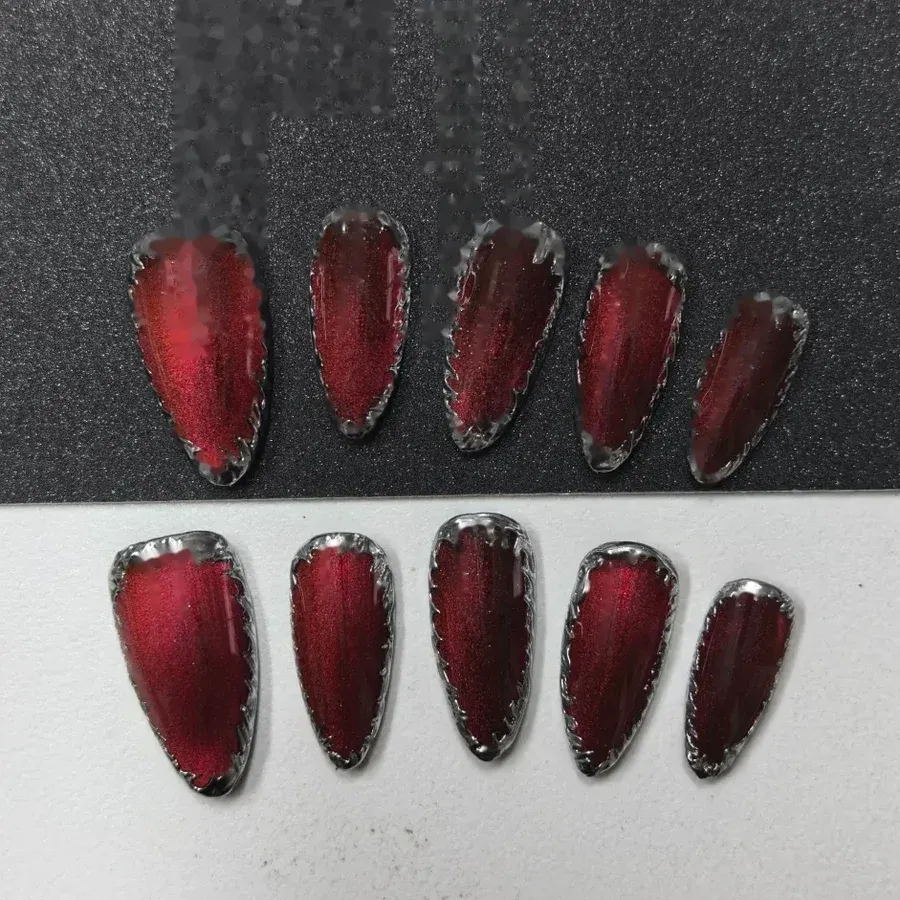
Place both quotations on the same basis before judging either one: the exact SKU, the order quantity, the confirmed construction and the packaging. A lower figure sometimes describes a different buying arrangement rather than a better price.
Walk the comparison the way a buying team needs it: what differs inside the design, what a quotation actually includes, how to lay both offers on one page, and how to choose the differences your range can use.
Which Features Actually Change the Price of a Design?
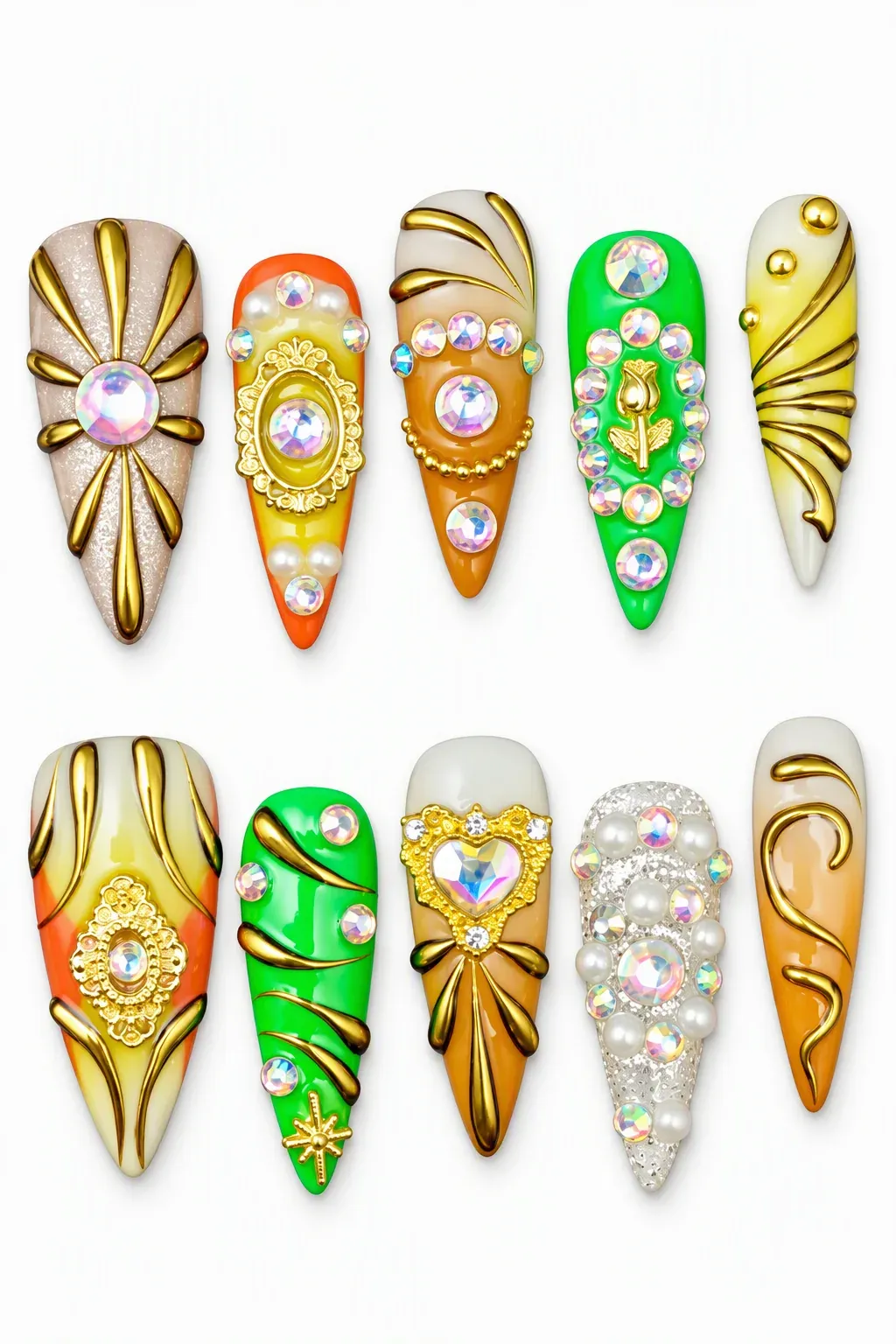
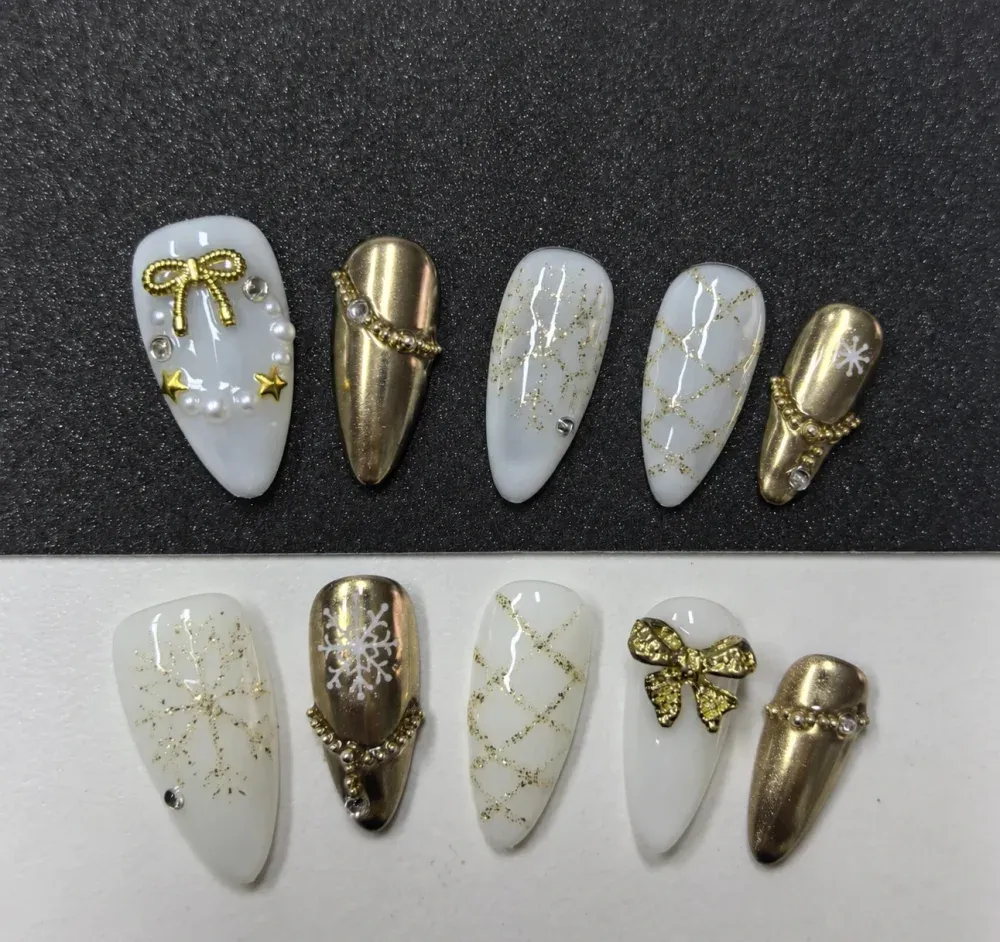
The visible design is only half of what a price reflects; construction and decoration density decoration density carry the rest, and neither half shows up in a small catalogue image.
Ask whether the quoted difference relates to design work, decorative elements, base specification, reinforcement or another confirmed feature. Photographs show visible differences but not every production detail, so let the supplier name what applies to your styles.
Firmness is a separate question
If firmness is important, ask about it directly instead of using the price as a proxy. A more expensive design should not automatically be described as harder or longer lasting, and a simpler design should not be dismissed as insufficiently firm without reviewing the finished sample.
Where two selected styles have comparable reinforcement, record that confirmation against their SKUs. You can then evaluate whether the design difference justifies the price for your customers, rather than assuming that every extra dollar buys a different level of structural performance. The same question works in reverse: if one quotation is lower, the difference still needs an owner, whether that is a simpler decoration layer, a different base specification, packaging you did not request or a quantity assumption nobody has confirmed.
| Quotation row | What it should state | Why it changes the comparison |
|---|---|---|
| Set contents | What one set contains, line by line | Accessories and cards may or may not be included |
| Packaging option | Which packaging the price assumes | Two offers can assume different trays or boxes |
| Confirmed construction | The base and reinforcement per SKU | Stops a family name standing in for a build |
| Quantity basis | The quantity the price assumes | Sample and replenishment quantities price differently |
| Product price and separate charges | Product number, then shipping and extras apart | Keeps the design discussion separate from logistics |
| Date, currency and unresolved items | When it was issued, and what is still open | Protects the comparison from silent drift |
What Does a Comparable Quotation Include?
A quotation earns trust when a buyer can trace every part of the number back to something named: the set, the packaging, the quantity.
A comparable quotation identifies the set contents, the packaging option included, accessories and cards individually, the quantity assumed and the confirmed construction, with shipping listed separately from the product price.
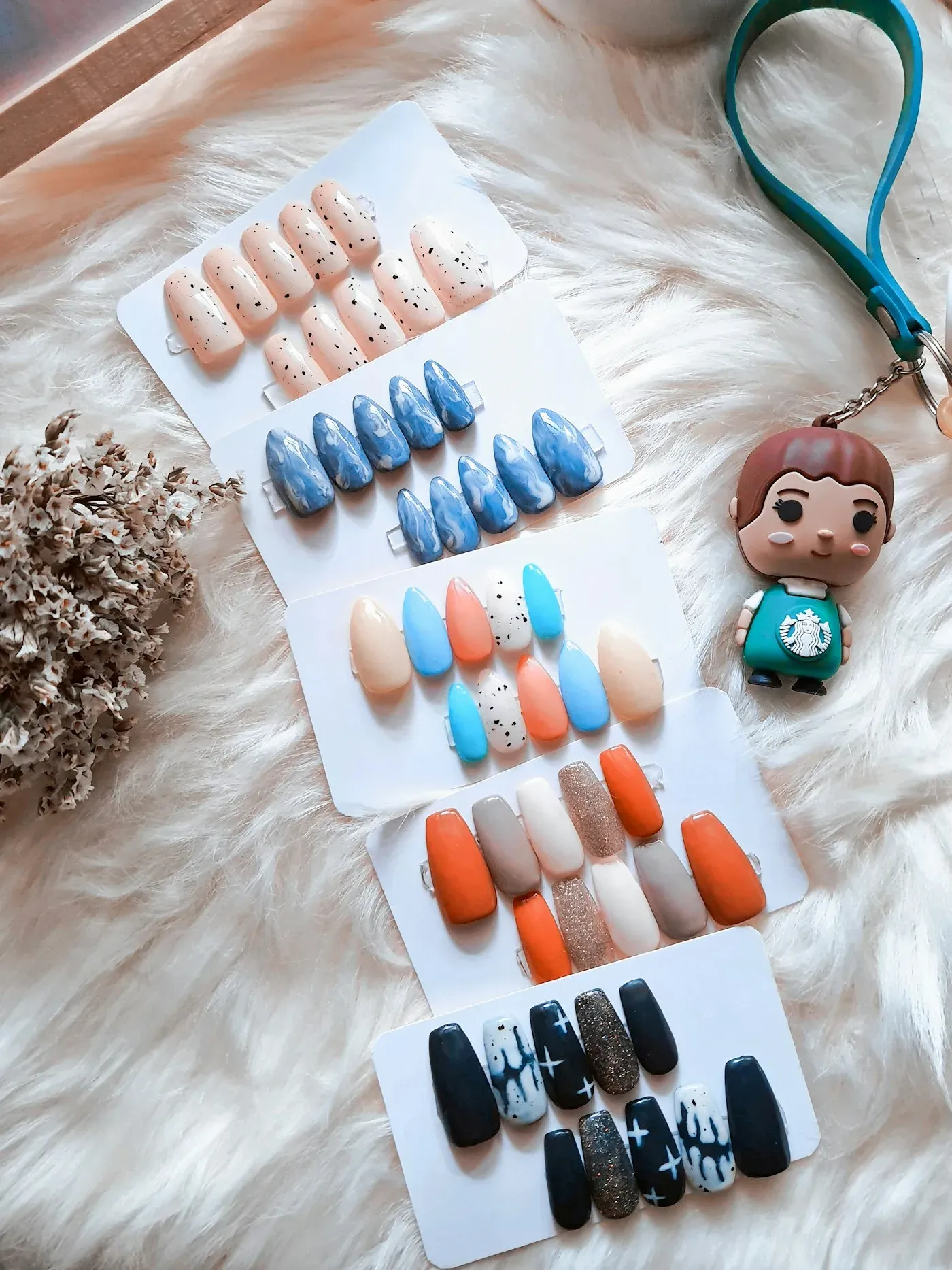
A photograph is not a packing list
Check any accessories, presentation cards, labels or other requested components individually. A photograph of a complete presentation does not, by itself, confirm that every item pictured is included in the price. This is also where two quotes from the same supplier can differ legitimately: one may include a presentation card you asked about earlier, the other may assume the plain packaging from a previous order. Neither figure is wrong, but neither is complete until the contents behind it are written down. The same applies in the other direction: a quotation that lists more than you asked, such as presentation cards you had not planned, is not automatically expensive. It is a different scope on the table, and your comparison sheet is where that difference becomes visible before any money moves.
Keep sample pricing and order pricing apart
Keep quantity and design mix visible too. A small sample selection and a planned replenishment order serve different purposes, so their prices should be confirmed separately. Do not build a repeat-order margin assumption from a sample quote unless that pricing has also been confirmed for the intended order. Shipping belongs in the comparison, but keep it separate from the product price: trade terms such as those published by the International Chamber of Commerce carry defined meanings1, so ask what a term includes in this specific offer rather than assuming a standard scope.
What Belongs on a One-Page Comparison?
Our coordinators keep a simple rule: if two offers cannot sit on one page with the same rows, the comparison is not ready.
Use the same rows for both quotations: set contents, packaging included, confirmed construction, quantity basis, product price, separately listed charges, quote date and currency, and anything still unresolved. Mark missing answers rather than guessing them.

The rows that will not fill in are your next questions
Fill both columns yourself before sending anything, and leave cells marked as not stated. The rows that refuse to fill in are your next questions to the supplier, and asking two or three precise questions is faster than exchanging opinions about which design looks like better value. The same discipline applies to timing, because a quotation prepared in a quiet production period may not describe what is achievable in a peak season.
| Timing row | What to note | What it protects |
|---|---|---|
| Quote date and currency | When the offer was issued | Prices drift between seasons |
| Validity period | How long the offer holds | An expired quote means repricing mid-decision |
| Season window | Quiet or peak production assumption | Timing changes what the number can describe |
| Reconfirmation trigger | A move in styles, packaging or destination | Each change earns an updated total |
Defensible in a buying meeting
When the sheet is complete, the price comparison becomes a line you can defend internally: two described products, two confirmed scopes, one visible difference. If a colleague challenges the choice, the sheet shows exactly what the extra cost buys for your customers and what it does not. Reading a quotation this way also changes the conversation with your supplier, because questions move from why one offer is cheaper to which confirmed features differ between the two styles.
How Do You Choose the Differences Your Range Can Use?
When we review a shortlist with a client, each design gets a proposed role before any price discussion starts.
Write down the role each shortlisted design plays: the colour, shape or decorative look it adds to your current range. Then judge the sample and the quotation against that role, rather than letting the highest or lowest price answer first.
A buying record that carries forward
This is also where you decide what you are not buying. Two designs may both be well made while only one fills the gap in your plan, and the quotation that looks expensive for a filler style may look reasonable for a hero product. A useful buying record stays straightforward: selected SKU, accepted specification, packaging, quantity and current quoted price, with unresolved items next to the quote so they can be settled before the order is approved. That record gives your team a clear reference when a later quotation for the same design arrives.
| Buying record row | What it holds | What it answers later |
|---|---|---|
| Selected SKU | The exact style code | Which design the decision was about |
| Accepted specification | Construction and decoration as confirmed | Whether a new offer still describes the same product |
| Packaging | The option included in the price | What customers should receive |
| Quantity and price | The confirmed basis and current figure | Margin planning on a real basis |
| Unresolved items | Open points with owners | What must settle before approval |
Reading a quotation this way also changes the conversation with your supplier. Questions move from why is this cheaper to which confirmed features differ between the two styles, and that is a question a supplier can answer precisely for the SKUs you actually selected.
Send ZONO Beauty the SKUs you want to compare, and we will return a quotation with the specification differences identified, so your team can judge each design on what it adds to the range.
Request a scoped quotationConclusion
When both quotations describe the same scope, the price difference points at design and construction you can verify, and the buying decision becomes a comparison your team can defend.
- Incoterms rules, International Chamber of Commerce. iccwbo.org. ↩