Private Label Mascara: A Buyer's Brief for Formula, Wand, and Safety Evidence
A procurement guide to private label mascara: formula base, brush and wand decisions, preservation and eye-area safety evidence, and how to keep a reorder consistent with the first sample.
A private label mascara is won in the formula and the brush before it is won on the shelf. The buyer controls the base type, the wand, and the preservation evidence, and those three choices decide wear, safety, and whether the second batch looks like the first. Treat mascara as a formulation project, not a colour project.
Mascara looks simple and is not. The product touches the eye directly, it is applied with a wand that re-enters the tube, and it is expected to stay safe through repeated use. Those facts make the supplier's process evidence more important than the shade card, and they make the buyer's brief more technical than for most colour cosmetics.
This guide covers the decisions a private label buyer should lock before quoting a mascara, and the evidence that separates a reproducible product from a hopeful one. For the neighbouring eye category, the eyeliner format decision between liquid, pencil and gel follows the same logic of locking structure before colour.
Why is mascara one of the harder eye products to private label?
Mascara is harder than most eye products because the wand re-enters the tube, so preservation and eye-area safety sit at the centre of the specification rather than at the edge. A formula that is stable in the lab can still fail in the hand if the preservation system is weak or the wanding introduces contamination.
The U.S. authority treats the eye area as higher risk and warns that infection can arise from contaminated applicators and from adding saliva or water to the product1. The practical buyer takeaway is that the packaging and the preservation system are product features, not accessories, and the supplier should be able to show the evidence.
That also means mascara attracts more scrutiny on claims. A buyer should expect to see formulation and preservation data, not marketing language, before committing a production slot.
Three facts make mascara a formulation project rather than a colour project:
- Direct eye contact: the product is applied at the lash line, which raises the safety bar above many colour cosmetics.
- Re-entering wand: the applicator returns to the tube, so the preservation system matters more than the shade.
- Claim sensitivity: wear and safety claims draw closer scrutiny than for most other eye products.
The formula base decides the buyer's risk profile
Three base types dominate private label mascara: traditional wax and oil, fibre, and tubing. Each carries a different wear story, a different manufacturing route, and a different set of questions the buyer must answer before sampling, so the base should be chosen for the buyer's market, not for the catalogue default.
Traditional wax-and-oil mascaras build volume and are the most familiar to manufacture, but they depend heavily on the wax blend and the preservative system. Fibre mascaras add length through attached fibres and introduce a fibre-sourcing and integration question. Tubing mascaras coat the lash with polymer tubes that rinse off, which changes both the wear claim and the removal story.
| Base type | What the buyer controls | Evidence to request |
|---|---|---|
| Traditional wax and oil | Wax ratio, pigment load, brush compatibility | Preservation system and challenge-test summary |
| Fibre | Fibre source, length, dispersion method | Fibre specification and integration stability |
| Tubing | Polymer type, removal claim support | Wear and rinse-off validation |
Match the base to the market, not the trend
A buyer serving a humid market may prioritise a preservation and wear profile different from one serving a market where easy removal is the selling point. The base decision should follow the destination and the price position, because the manufacturing evidence each base requires is not interchangeable.
The base choice should answer three buyer questions:
- Which market: humid climates and easy-removal markets prioritise different properties.
- Which claim: volume, length, or separation each implies a different base and wand.
- Which evidence: each base carries its own stability and preservation proof.
How does the brush and wand change the product a buyer receives?
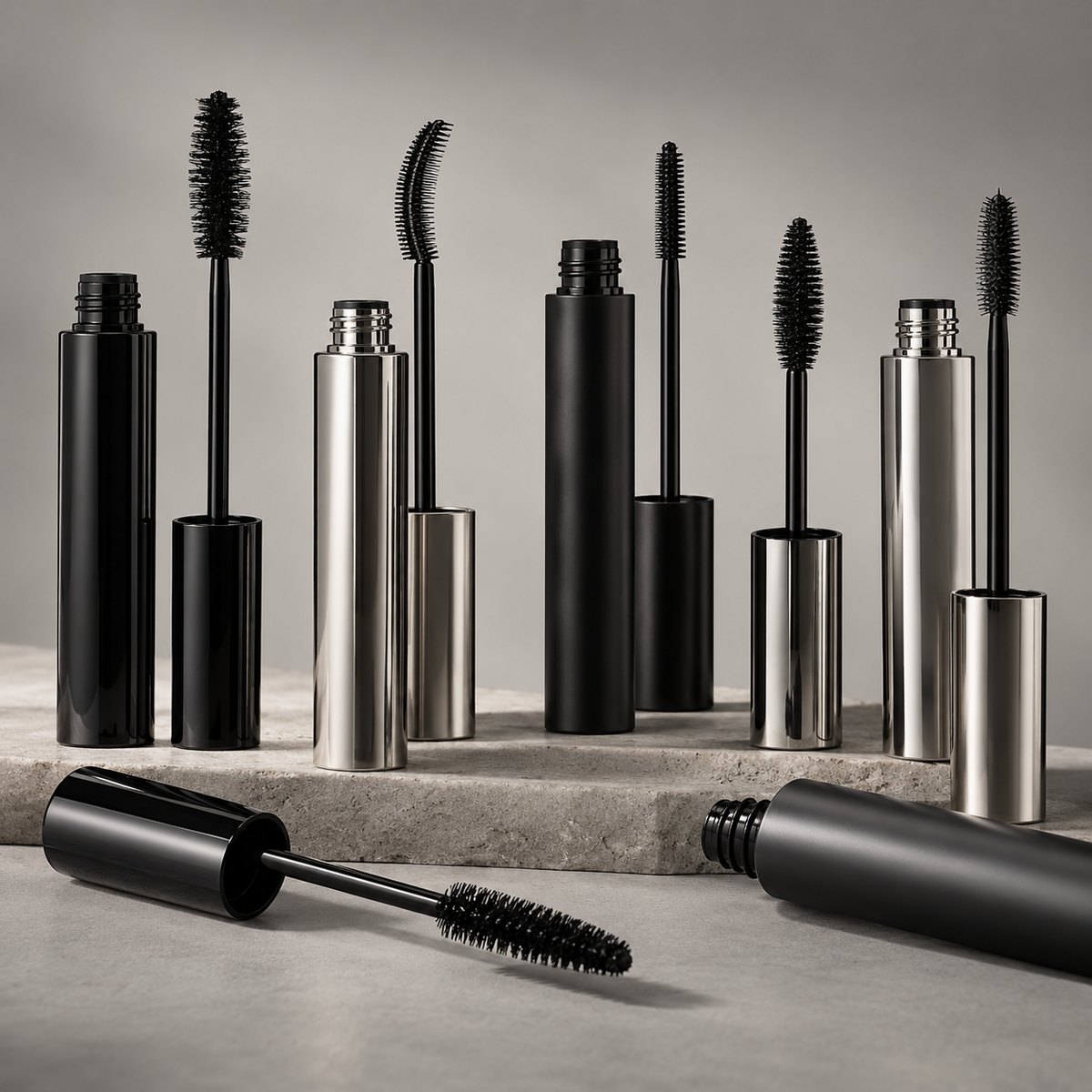
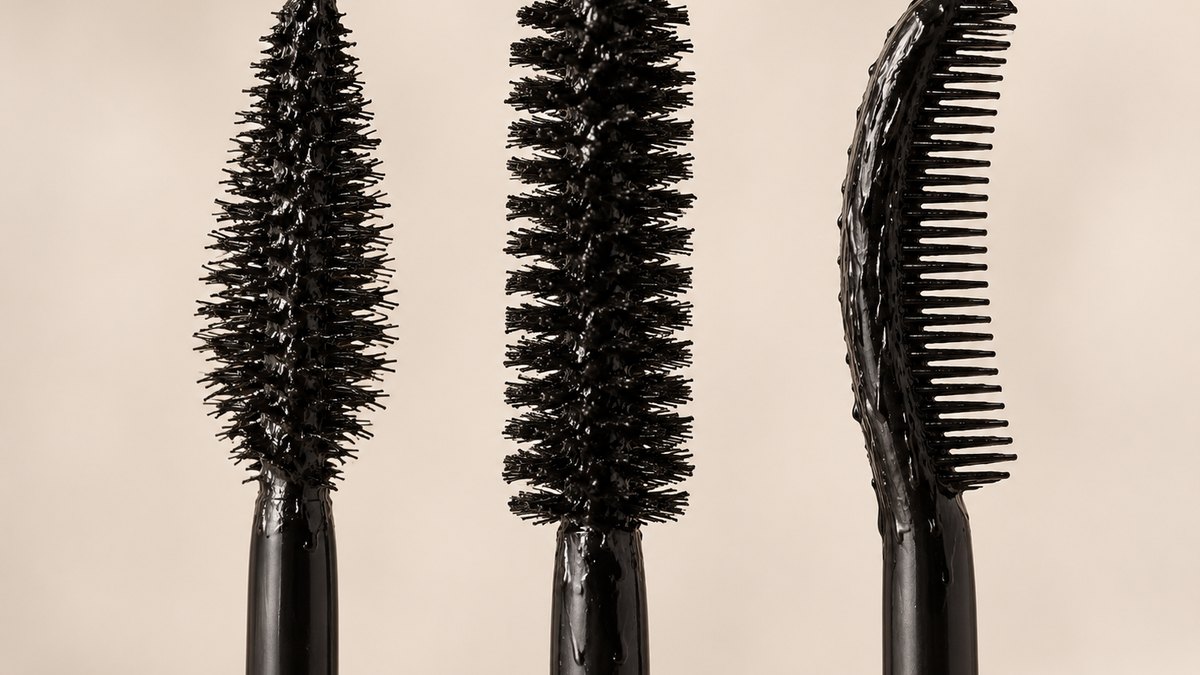
The wand is not decoration; it is part of the performance specification. Bristle shape, density, and material decide how much product is deposited and how it is distributed on the lash, and a wand change can alter the result as much as a formula change, so it belongs in the brief as a controlled component.
Buyers often treat the brush as the last choice. It should be one of the first, because the same formula performs differently through a conical brush and a comb brush. The wand also drives tooling: a custom brush means a custom mould and a higher commitment than a stock wand.
Three wand decisions belong in the brief:
- Shape and density: chosen for the effect (volume, length, separation) the buyer wants to claim.
- Material: molded plastic versus other materials, with the supply and cost implications stated.
- Custom versus stock: a stock wand lowers the minimum and the tooling cost, at the price of differentiation.
- Fit to the formula: confirmed by wear test, because a wand that suits one base may fight another.
What preservation and eye-area safety evidence should a buyer request?
A buyer should request a preservative system summary and a challenge test that shows the formula resists microbial growth through use, because cosmetics contaminated with bacteria or fungi can be harmful and are treated as adulterated. The evidence is the difference between a safe product and a compliant-looking one.
The U.S. authority states that a cosmetic contaminated with microorganisms can be harmful and that products must not be prepared, packed, or held under insanitary conditions2. The recognised method for demonstrating antimicrobial protection is the challenge test described in the international standard ISO 119303. A supplier who cannot show this evidence is asking the buyer to carry the risk.
Are the colour additives in mascara cleared for the eye area?
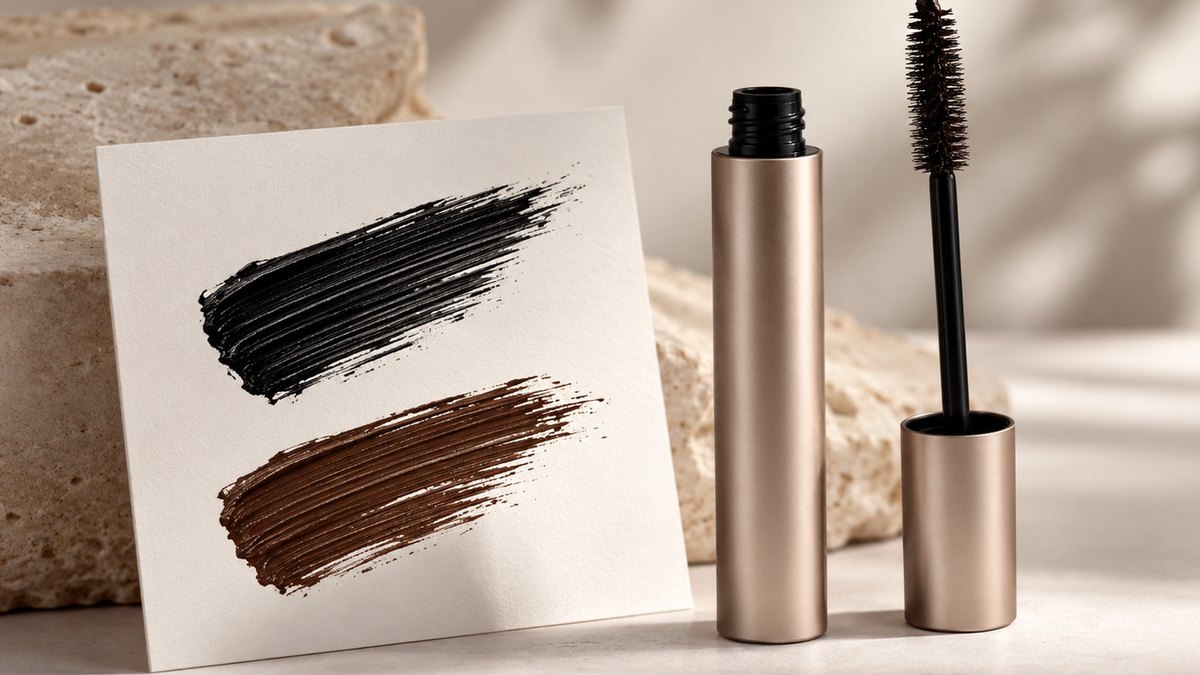
Mascara colour is an eye-area question by definition, so every pigment must be checked against the permitted list for each market. A colour allowed in general cosmetics is not automatically allowed where the product touches the eye, and the buyer should hold written confirmation before sampling.
In the United States, colour additives are subject to certification and use conditions, and the listings state where each may be used4. For the European Union, the official CosIng database is the reference for ingredient status and regulatory footing5. Buyers selling into Southeast Asia should note the rule is national; in Indonesia the authority is BPOM6.
The complication is that mascara black is rarely a single pigment. It is usually a blend, and each component must clear the eye-area bar in every market named in the brief.
How do you keep a mascara reorder consistent with the first sample?
A mascara reorder matches the first sample only when the brush, the formula batch, and the preservation system are all locked to referenced standards. Because the wand and the base interact, the retained sample must include the full assembled product, not just the formula in a jar.
Colour and viscosity drift are the usual reorder complaints. Both are managed the same way as for other colour cosmetics: a retained approved sample, written tolerances, and a drift rule. The extra step for mascara is that the wand must be part of the retained standard, because a subtle brush change shifts the result.
Four items belong in the locked specification:
- Assembled reference: the full wand-and-tube product, not a decanted sample.
- Viscosity and fill tolerances: stated numerically, not as "same as before".
- Preservation record: confirmation the same system is used on every run.
- Drift rule: the limit at which a batch is rejected or reworked.
Which compliance questions change when mascara ships to several markets?
Shipping mascara to several markets multiplies the label and additive load, because ingredient listing, language, and permitted pigments differ by destination. The brief should name every market before the tube and carton are designed, since label content is printed, not added later.
A single-market mascara can carry one label and one additive set. The same product bound for the United States, Indonesia, and a Latin American market may need different listing formats, languages, and pigment permissions. Discovering this after tooling is cut means a reprint and a delay.
| Market dimension | What changes between destinations | Question to settle in the brief |
|---|---|---|
| Label language | Required languages and warning text | Which languages must appear, and at what minimum size |
| Ingredient listing | INCI format and local requirements | Does each market require its own listed format |
| Additive permission | Which pigments are allowed per market | Is the full shade blend permitted in every destination |
What should you ask a supplier before paying the mascara deposit?
Ask for the base type and its evidence, the wand tooling commitment, the preservative challenge summary, the eye-area pigment clearance per market, and the retained-sample agreement. A supplier who answers these in writing is quoting a reproducible product; one who answers only with a unit price is quoting a hope.
The deposit holds a production slot and cuts tooling. After it is paid, the buyer's leverage shrinks, so the technical questions belong in the exchange before payment, not in the complaint after delivery.
- Which base type is proposed, and what wear and removal evidence supports it?
- Is the wand stock or custom, and what is the tooling commitment?
- What preservative challenge data covers the formula and the wand interaction?
- Are all shade components cleared for the eye area in every market named?
- Will the full assembled product be retained as the reorder standard?
Before you request a mascara quote
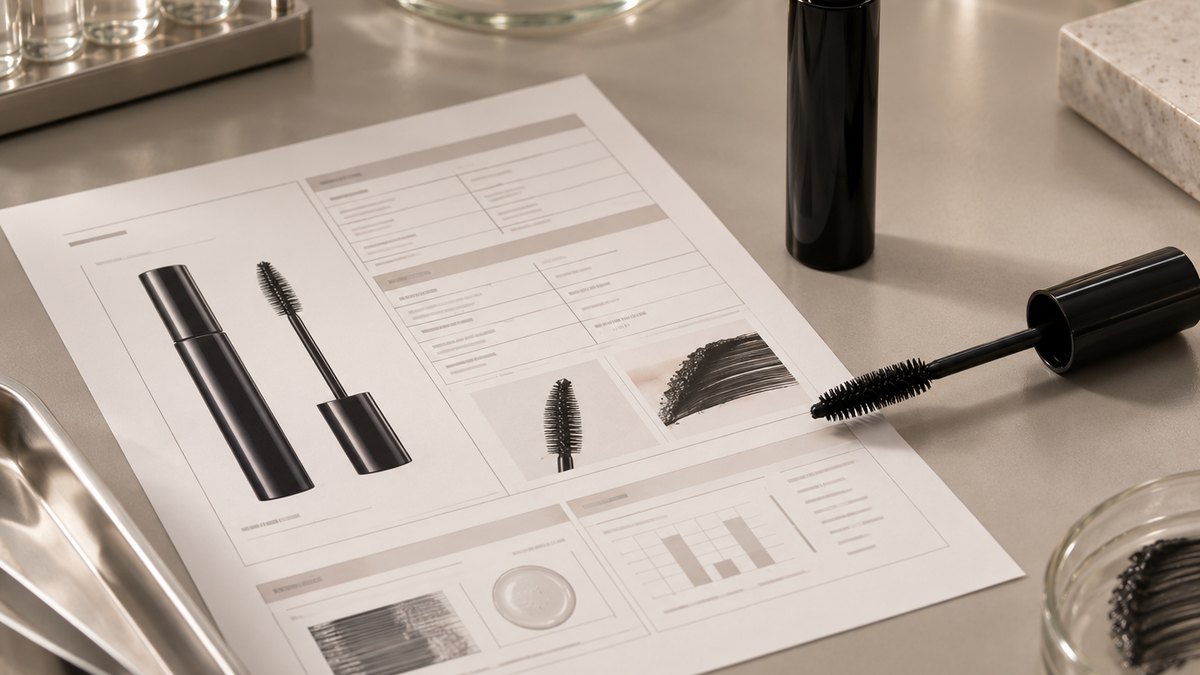
A quote request that names only a colour and a quantity will return a price and little else. Send the base type, the wand specification, the target markets, and the preservation evidence you expect to see, because those four facts decide whether the number is a commitment or a placeholder.
Five facts belong in the quote request before the supplier can price the job:
- The base type and the wear evidence that supports it.
- The wand specification and whether it is stock or custom.
- Every target market, named explicitly, for additive and label clearance.
- The preservation evidence the buyer expects to review.
- The shade components that must clear the eye-area bar.
Minimum order on a mascara project is confirmed per project, because it depends on the base, the wand tooling, the shade components, and the number of SKUs. Asking for it as a single published figure invites a number that will not survive the actual specification. The useful question is how the minimum moves when the wand changes from stock to custom.
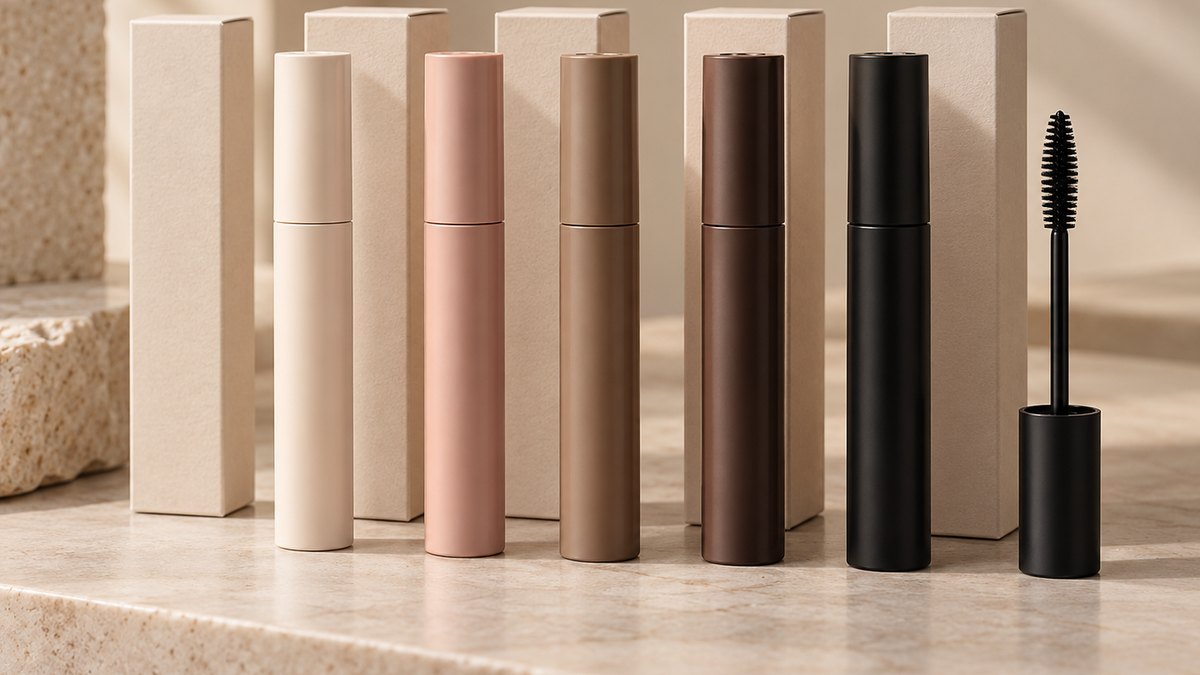
It is also worth asking whether the wand can be shared across shades. A programme that standardises on one wand across a colour range usually carries a lower combined commitment than one that tools a new brush for every SKU.
Conclusion: brief the formula and the wand
A private label mascara is a formulation and wanding project, not a colour project. Lock the base type, the wand, and the preservation evidence first, confirm every shade component is cleared for the eye area in each market, retain the full assembled product as the reorder standard, and only then discuss the shade.
ZONO coordinates mascara production across ready-stock, semi-custom and full OEM and ODM routes, and is not positioned as a single factory. Ten years of experience and a ready-stock library of over 1,000 SKUs support a mascara programme where formulation discipline and wand differentiation must be balanced against the same per-project minimum. The practical test of a mascara supplier is simple: ask for the preservative challenge evidence, and ask which shade components are cleared for the eye area in the markets you named.
Footnotes
1. Eye Cosmetic Safety. FDA. ↩︎
2. Using Cosmetics Safely. FDA. ↩︎
3. ISO 11930:2019 — Cosmetics, Microbiology, Evaluation of the antimicrobial protection of a cosmetic product. ISO. ↩︎
4. Color Certification. FDA. ↩︎
5. Cosmetic ingredient database (CosIng). European Commission. ↩︎
6. Badan Pengawas Obat dan Makanan (Indonesian Food and Drug Authority). BPOM. ↩︎
Share the base type, wand specification, target markets, and the preservation evidence you expect to see. ZONO can help separate the formula risk from the wanding decision and mark the compliance facts for confirmation.
Discuss your mascara brief. To see how stock, semi-custom and full OEM/ODM routes are staged across a colour cosmetics project, explore private label cosmetics.