Eye Makeup Manufacturer Safety Verification: What to Request Before Ordering
How to verify an eye makeup manufacturer across mascara, eyeliner, eyeshadow and brow: preservation, eye-area pigments, filling and the checks to request.
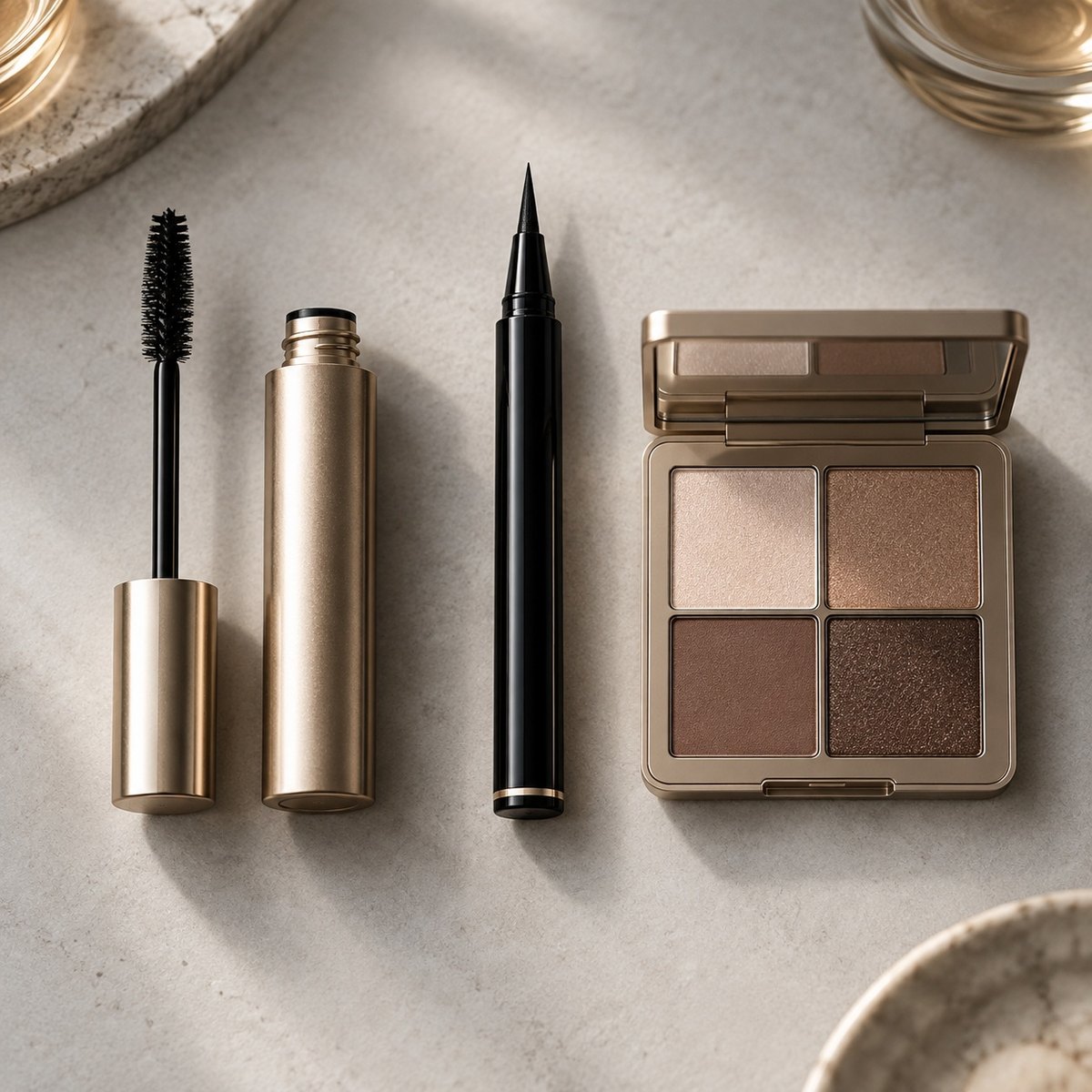
Mascara, eyeliner, eyeshadow and brow products sit next to, on or near the eye all day. A buyer cannot verify an eye makeup manufacturer the way one verifies a lip or face supplier, by checking color and texture alone. The eye is a wet, sensitive surface, and once a wand or tip touches it, the user is committed until the product is fully removed. That single fact changes every check that comes before an order.
Verifying an eye makeup supplier starts with safety, not shade. Ask for preservation protocols and challenge-test records for a comparable formula, confirm the eye-area pigment and ingredient list against the target market, and check the filling and batch discipline before approving a single color. Safety evidence comes first, color matching second.
ZONO Beauty coordinates long-term manufacturing suppliers from Shantou, Guangdong, across ready-stock, semi-custom and full OEM/ODM routes. The checks below are the ones applied to eye projects before any commercial term is fixed.
Why does the eye area raise the verification bar?
The eye is a wet, sensitive surface, and a product sits there for hours at a time. Contact with the tear film and the eye margin turns what would be a minor formula risk into a safety question. Mechanical risks from wands, tips and applicators add a second layer that color alone cannot reveal.
A lipstick sits on the lips, which are skin. An eyeliner sits on the waterline or the lid margin, close to the tear film. Mascara coats the lashes directly above the eye. That proximity changes the stakes: a preservative failure or a poorly chosen pigment that would be a small problem on a lip becomes a serious one near the eye.
The mechanical side matters as much as the formula. A mascara wand leaves the tube, touches the lashes and re-enters the tube, carrying whatever it picked up. A pencil or liquid eyeliner tip does the same at the lid. These are mechanical contamination paths, not formula problems, and they are why eye verification cannot stop at a shade match.
The user cannot simply stop using an eye product mid-day. Once mascara is on, removal is the only safe exit, and removal itself is part of the product's safety story. That lock-in is why the buyer, not the customer, carries the burden of verification.
- Proximity: the product sits next to the tear film and the eye margin.
- Mechanical path: a wand or tip leaves the pack, touches the eye and re-enters.
- Commitment: an eye product cannot be safely abandoned mid-day.
How does each eye format change what to verify?
Mascara is a preservation and packaging problem before it is a formula problem. Eyeliner is a solvent and tip-geometry problem. Eyeshadow is a pigment-grade and pressed-hardness problem. Brow is an adhesion and transfer problem. Each format shifts which evidence matters most, so the verification questions change with the product.
The four eye formats fail differently, so the questions sent to a supplier change with the format. Mascara sits as a wet, water-rich formula inside a tube that a wand re-enters after every use, which makes its preservative system and closure the first thing to verify. Eyeliner splits between waterproof and smudgeable formulas, and the difference sits in the solvent system and the tip geometry, not the pigment.
Eyeshadow is a dry pressed powder, so the risks move to pigment grade, press hardness and fall-out. Brow products mix waxes, powders and gels, so the risks move to adhesion and transfer through the day. A single checklist does not fit all four; the checklist must lead with the risk each format actually carries.
| Format | Primary risk | What to verify first |
|---|---|---|
| Mascara | Preservative failure, wand re-inoculation | Challenge-test protocol, preservative and closure design |
| Eyeliner | Solvent system, tip geometry | Waterproof versus smudge target, tip shape, water resistance |
| Eyeshadow | Pigment grade, press hardness, fall-out | Permitted pigment grade, press pressure, fall-out test |
| Brow | Wax, powder or gel adhesion, transfer | Adhesion, transfer resistance, permitted ingredients |
What should I ask a supplier about mascara preservation?
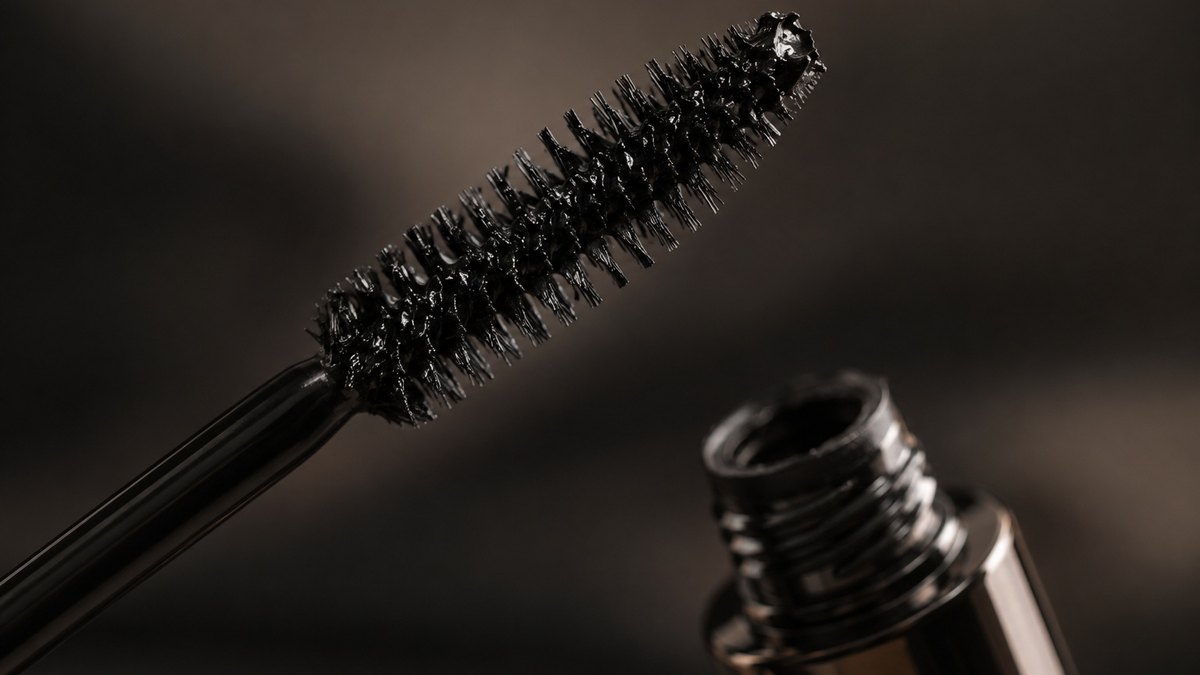
Preservation is the highest-risk area, so ask for it in writing. Request challenge-test results for a comparable formula, the preservative system and its compatibility with the chosen package, and single-batch records. Then have the responsible safety assessor for the target market confirm what applies, rather than accepting the supplier's summary.
Preservation is where an eye product either holds or fails, because mascara is a wet formula in a closed package that a wand re-enters every day. Ask for the preservative system, then request the challenge-test protocol and results for a comparable formula. Confirm the preservative is compatible with the chosen package and closure, because a preservative that works in one package can behave differently in another.
Do not accept a summary. Request the records themselves and the name of who verified them, because the obligation to demonstrate safety sits with the responsible person or safety assessor in the target market. Under EU cosmetics rules, a product requires a safety assessment before it is placed on the market, and that assessment is what confirms the preservation and ingredient choices for that market.3
- Request the preservative system and the challenge-test protocol for a comparable formula.
- Confirm the preservative is compatible with the chosen package, wand and closure.
- Ask for single-batch records that tie a specific batch to its testing.
- Have the responsible safety assessor confirm what applies to the target market.
Packaging compatibility is part of the same answer. A wand that re-enters the tube, a closure that does not seal, or a formulation that is not adequately preserved changes the whole risk picture. These are request-and-verify items, not figures to memorize.
Why does an eye shade work in one market but not another?
Eye-area colorants are governed by permitted and restricted lists, not treated as ordinary ingredients. A pigment allowed in one market may be restricted or require substitution in another, so a shade that matches in one region can fail registration elsewhere. Confirm the colorant list against the target market before matching begins.
Color additives for cosmetics sit under their own rules, separate from ordinary ingredients.1 Some colorants are prohibited or restricted, so an eye shade must be checked against the target market before any matching starts.2 In the EU, permitted colorants sit on a defined list, which means a shade built for one market may need a different pigment for another.3
Ingredient safety evaluation follows a defined method that a safety assessor applies, rather than a supplier's assertion, and that assessor confirms what applies to a specific market.4 The practical consequence is that a shade clearing registration in one region may need substitution in another, so the ingredient and colorant list should be fixed early and reviewed against the target market.
The same point matters for markets such as Indonesia, where the ingredient list drives BPOM registration, separate from a color match.

How do I spot a supplier treating eye products like lip products?
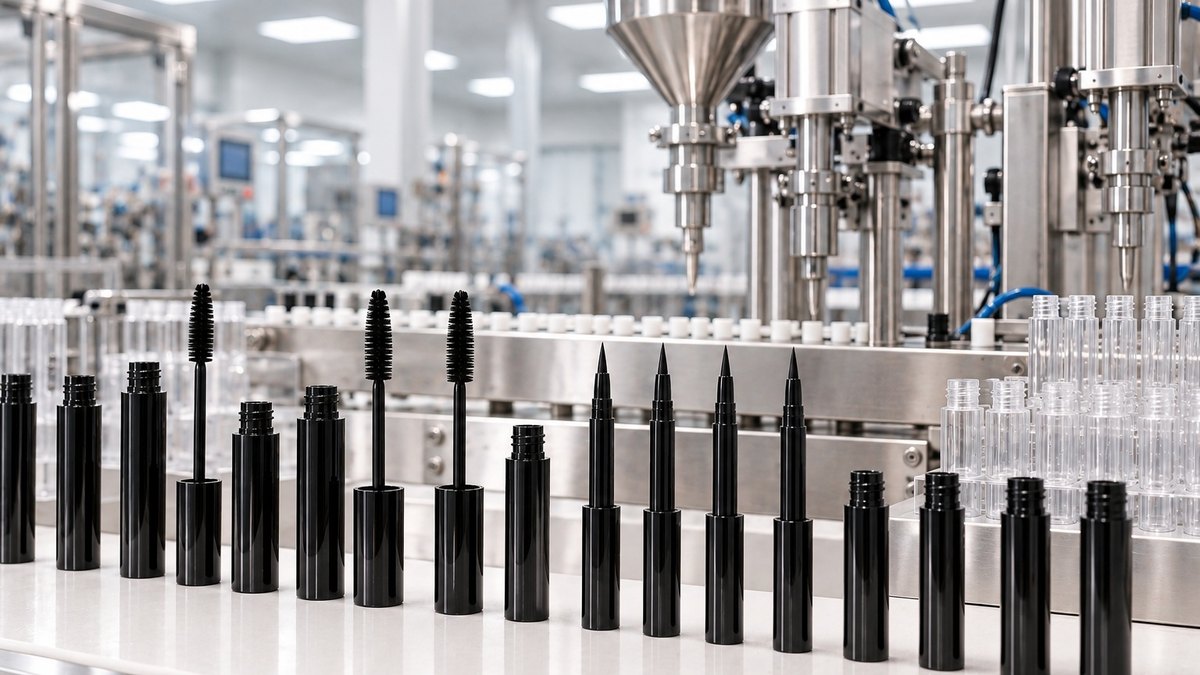
A supplier that treats eye products like lip products skips the eye-specific disciplines. Watch for no discussion of filling environment, batch segregation, or wand and brush inoculation risk, and no eye-area ingredient review. GMP-style hygiene and documentation underpin the discipline, so ask for those records rather than a logo.
The fastest way to separate an eye-capable supplier from a lip-capable one is to watch what they raise first. A supplier that asks about shade and price before anything about the eye area is likely treating eye products as another fill. A supplier that leads with preservation, permitted pigments and filling discipline is reading the right part of the brief.
Good manufacturing practice for cosmetics is built on controlled production, hygiene and documentation, and that discipline is what supports batch segregation and a controlled filling environment.5 Ask for those records, not a certificate logo. Any certification should be available upon request with a number and scope, and confirmed against the market.
- Filling environment: confirm how eye formulas are filled and how the environment is controlled.
- Batch segregation: confirm eye batches are kept separate from other product types.
- Wand and brush inoculation: confirm how applicators are handled before, during and after filling.
- Eye-area ingredient review: confirm the pigment and ingredient list was checked for the eye zone.
What should an eye sample prove beyond color?
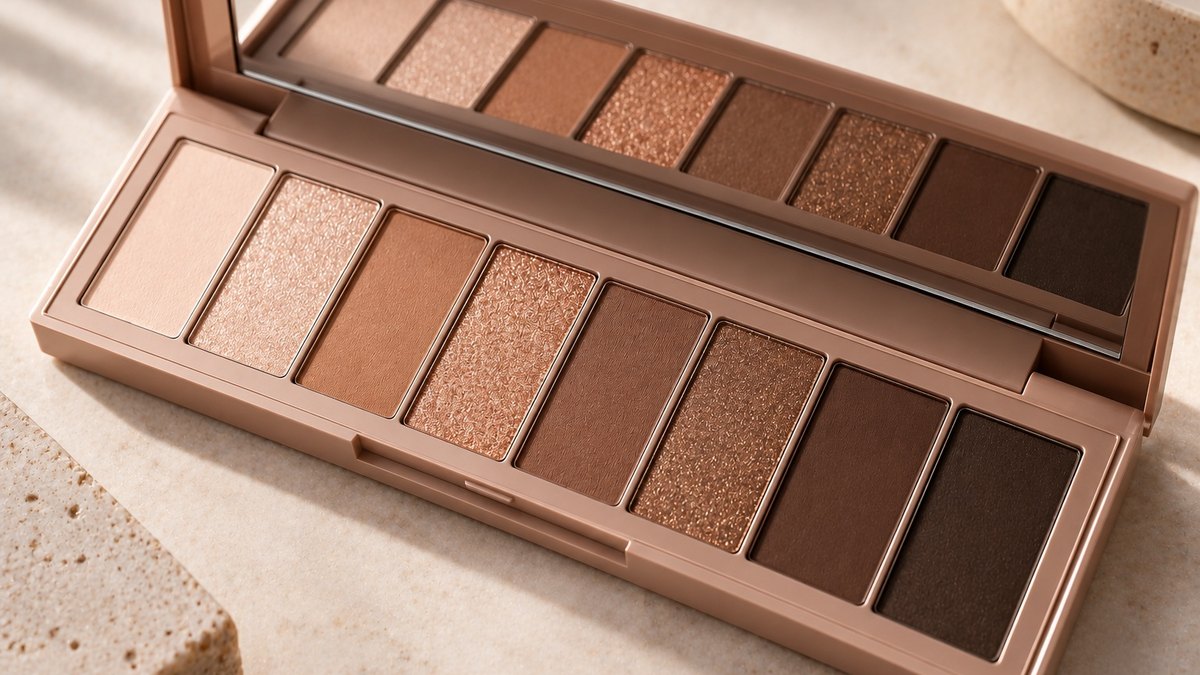
Color is the easiest thing to judge and the least predictive. Test the sample for wear, smudge, water resistance, removal and wand function through the pack's life, and ask for the supplier's own irritation and allergen testing results. Review those results with the responsible safety assessor rather than treating the sample as proof of safety.
Most buyers approve a shade on a swatch and stop. For eye products, the swatch is the smallest part of the answer. Run the sample the way the customer will actually use it: worn through a full day, then tested for smudging, running and how cleanly it removes. Removal is a safety question too, because a mascara or liner that fights removal invites rubbing at the eye.
Wand function belongs in the same round. Fill a sample, then cycle the wand through the pack the way daily use would, and watch for drying, clumping or a closure that stops sealing. This catches packaging failures that a fresh swatch never shows. The same sampling discipline is covered in the guide to verifying a manufacturer's sampling and R&D capability.
Request the supplier's own irritation and allergen testing results for the formula, then review them with the responsible safety assessor for the target market.7 A supplier-reported result is a starting point, not a safety conclusion.
| Test beyond color | What it catches |
|---|---|
| Full-day wear | Smudging, running, fading at the eye |
| Water resistance | Mascara or liner that runs with tears or humidity |
| Removal | Products that fight removal and invite rubbing |
| Wand function through the pack's life | Drying, clumping, a closure that stops sealing |
| Supplier-reported irritation and allergen results | A starting point the safety assessor must review |
The eye supplier verification checklist
Send a short checklist that ties every row to one verifiable output. List the formats, target market, shade references and quantity, then ask for challenge-test records for a comparable formula, the preservative and package compatibility, the eye-area ingredient list, filling and batch discipline, and the sample tests. Keep each question pointed at evidence, not opinion.
A good checklist is short, and every row ends in a document or a test result. Send the scope first, then hold the supplier to evidence for each row.
| Item to send | Question to ask | Verifiable output |
|---|---|---|
| Formats | Mascara, eyeliner, eyeshadow, brow, or a mix? | Written scope |
| Target market | EU, US, Indonesia, or elsewhere? | Market-specific requirement list |
| Preservation | Challenge-test records for a comparable formula? | Protocol and results |
| Preservative and package | Compatibility with the chosen pack and wand? | Compatibility record |
| Eye-area ingredients | Permitted colorant and ingredient list? | Ingredient list against market rules |
| Filling and batch | Filling environment and batch segregation? | GMP-style records |
| Sample tests | Wear, smudge, water resistance, removal, wand function? | Sample test results |
Review in this order:
- Fix the formats and the target market.
- Request the preservation and ingredient evidence.
- Confirm the filling and batch discipline.
- Run the sample tests beyond color.
- Have the safety assessor confirm before the order is placed.
Keep commercial terms as questions until the safety rows are answered. The minimum depends on formula, shade count, component and decoration, so a firm quote before those are fixed is a warning sign.
Red flags that should pause an eye project
Pause any supplier who answers with a photo and a price, refuses challenge-test or ingredient records, quotes "FDA approved" or a universal "EU approved", or treats the eye area like a lip item. Cosmetics are regulated, not approved, so a blanket credential is itself a warning. Ask for the certificate number and scope instead.
- Answers with a photo and a price only.
- Refuses challenge-test or ingredient records.
- Quotes "FDA approved" or a universal "EU approved" as a blanket credential.
- Treats the eye area like any other lip or face fill.
- Names no safety assessor or verification path for the target market.
Cosmetics are not approved by the FDA in that sense; they are FDA regulated, so the phrase should always be pushed back on.6
Frequently Asked Questions
- Which eye format is the highest risk to verify? Mascara, because a wet formula and a re-entering wand combine the preservation and packaging risks in one product.
- Should I accept a supplier's "FDA approved" claim? No. Cosmetics are regulated, not approved; ask for the certificate number, issuing body and scope instead.
- Can a shade that works in the US also launch in the EU? Not automatically. Permitted colorants differ by market, so confirm the colorant list against each target region.
Conclusion
Eye makeup is verified safety first, then shade. Request preservation and ingredient evidence in writing, confirm the filling and batch discipline, and run samples beyond color. A supplier that answers with evidence earns the order; one that answers with a photo and a price shows why the project should pause.
Share the formats, target market, shade references, preservative expectations and approximate quantity. ZONO can help organize the supplier questions and mark the remaining safety and commercial facts for confirmation.
Discuss the eye makeup brief To see how sampling and customization are handled across a private label project, explore private label makeup development.Footnotes
1. Color Additives and Cosmetics Fact Sheet, U.S. Food and Drug Administration. ↩︎
2. Prohibited & Restricted Ingredients in Cosmetics, U.S. Food and Drug Administration. ↩︎
3. Regulation (EC) No 1223/2009 of the European Parliament and of the Council on cosmetic products, EUR-Lex. ↩︎
4. SCCS Notes of Guidance for the Testing of Cosmetic Ingredients and their Safety Evaluation (12th revision), European Commission. ↩︎
5. ISO 22716:2007 Cosmetics — Good Manufacturing Practices (GMP), ISO. ↩︎
6. FDA Authority Over Cosmetics: How Cosmetics Are Not FDA-Approved, but Are FDA-Regulated, U.S. Food and Drug Administration. ↩︎
7. Allergens in Cosmetics, U.S. Food and Drug Administration. ↩︎