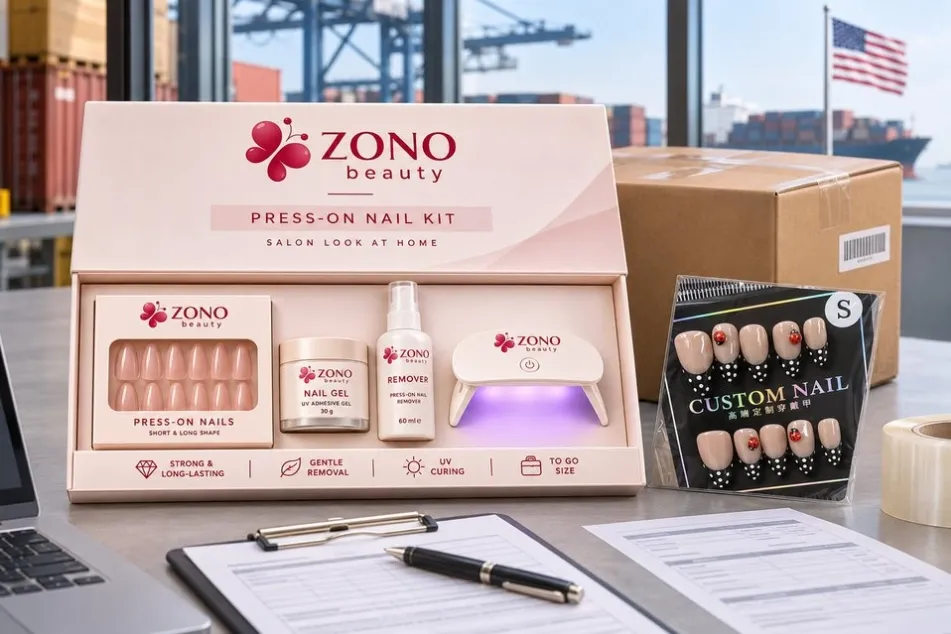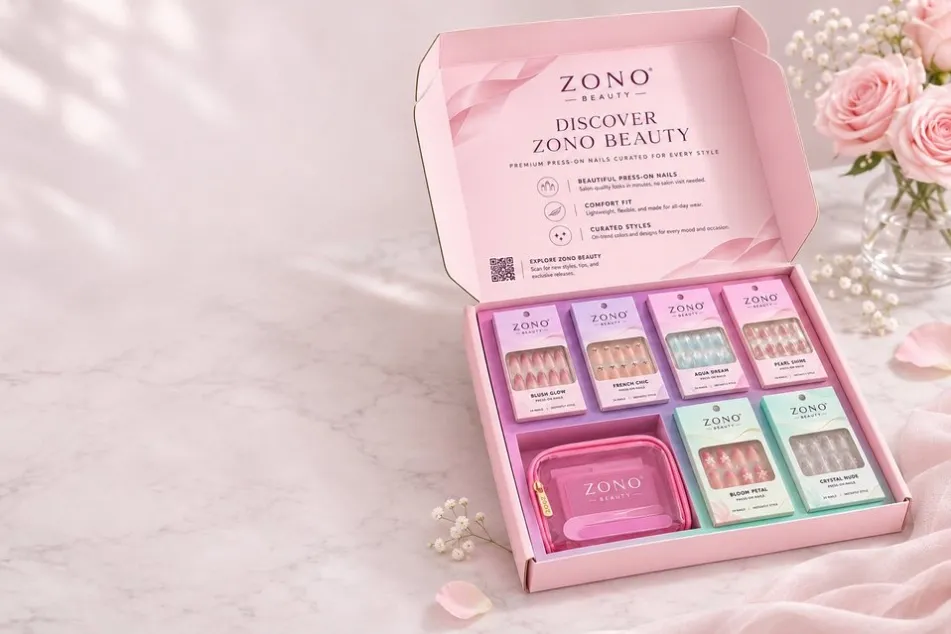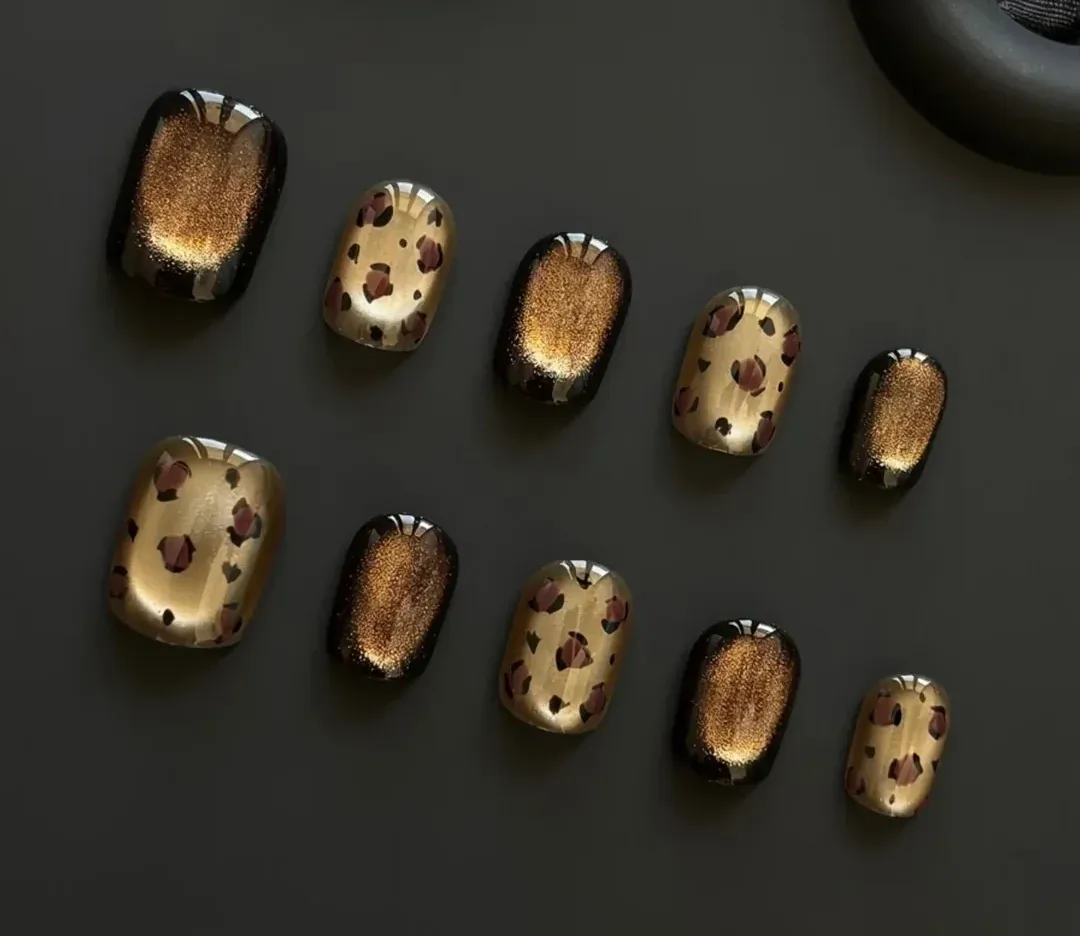
Press On Nail Sample Checklist for Retail Buyers
Review press on nail samples against one consistent checklist: match video to parcel, check fit, finish and firmness, and give every SKU an explicit outcome.
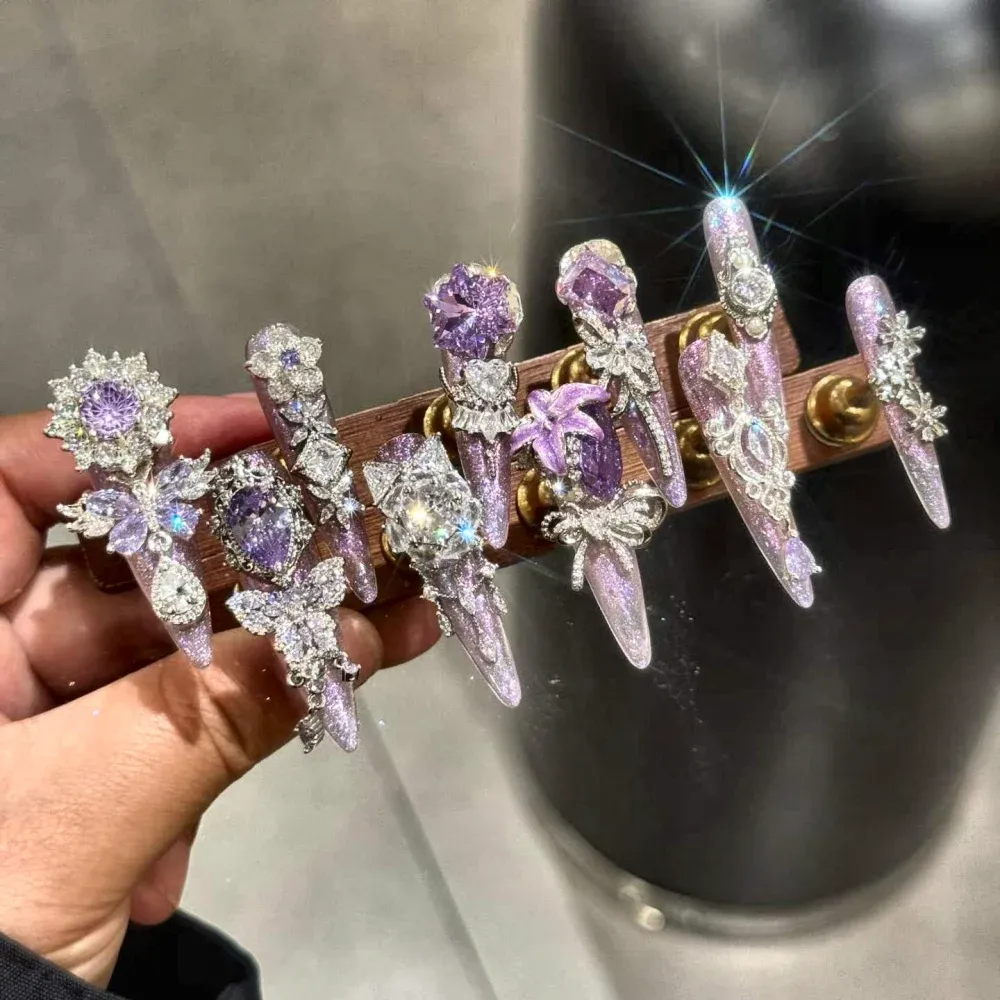
When we send samples to retail buyers, the teams that review well share one habit: they decide what they are checking before the parcel is open.
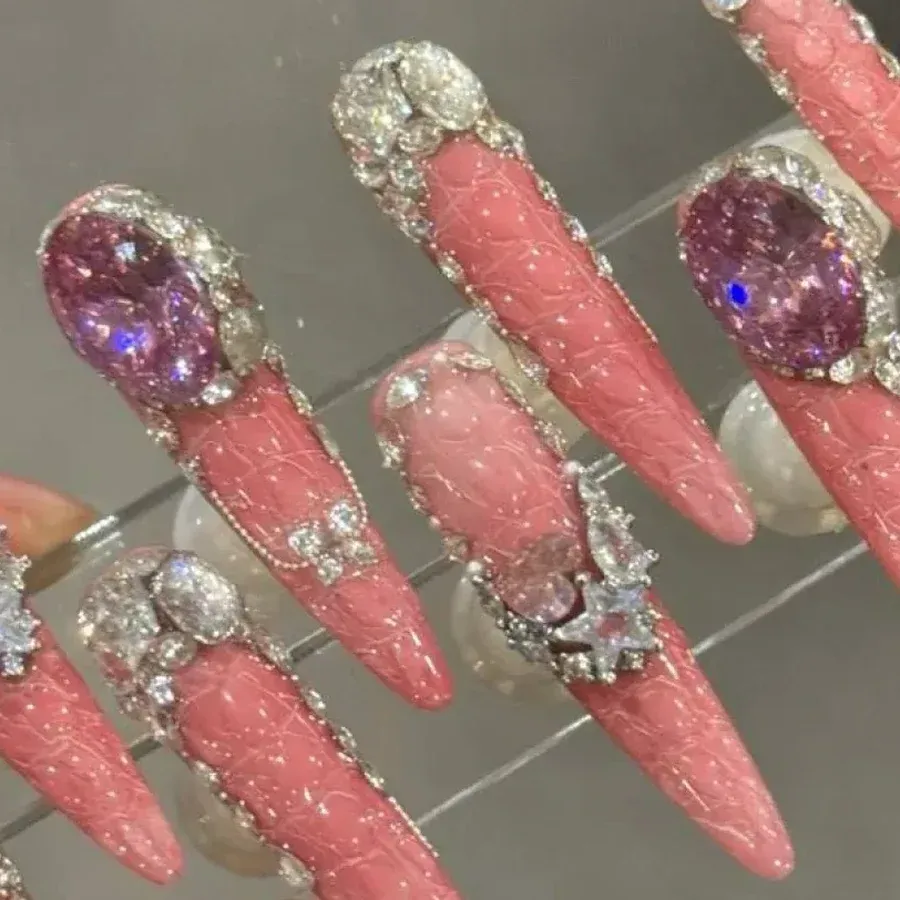
A sample review turns an attractive parcel into a decision you can defend later. Review every shortlisted SKU against the same criteria, write the observations down with their limits, and give each style an explicit outcome: approved, clarification needed or not selected.
Work through the review in the order the parcel arrives: what to match first, how to check fit and finish, how to sort what you noticed, and how to close each SKU with a decision.
What Should Be Ready Before the Parcel Arrives?
Two things make the biggest difference to a sample review, and both belong before dispatch: the review criteria and an exact-SKU video for reference.
Set the criteria before the parcel arrives: your customer needs, presentation requirements and intended product description. Request an exact-SKU video showing the design, side profile and underside, because a general catalogue clip proves nothing about your style.

Match the parcel before you judge it
When the parcel arrives, match the sample to your order list, images and video. Photograph the contents and retain the labels. If a style or packaging option is different, identify the difference before moving on to a full assessment. Doing this first protects everything that follows: a fit comment written about the wrong style, or a colour note taken from a mislabelled set, can travel quietly into your buying record and resurface as a dispute later. Matching first costs minutes; unwinding a wrong observation costs an exchange round with the supplier. The same matching step settles which records belong to which style: photographs filed per SKU, labels kept with their sets, and the video reference noted next to each row, so the review that follows reads like a table rather than a pile of separate impressions.
How Do You Check Fit and Finish Consistently?
A review is only as useful as it is consistent: one method across every style in the parcel is what keeps the notes comparable.
Review the supplied size selection against your customers, note where the fit assessment is limited, and inspect surface, edges, underside and decoration under consistent lighting. One person's fit does not establish how a set suits your customer base.
Consistency also makes the review portable between colleagues. The same lighting, the same gentle handling and the same recording format across every SKU mean a second reviewer can pick up the notes, see the method behind them and add to them, instead of starting a new system halfway through the parcel.
Handle firmness the same way every time
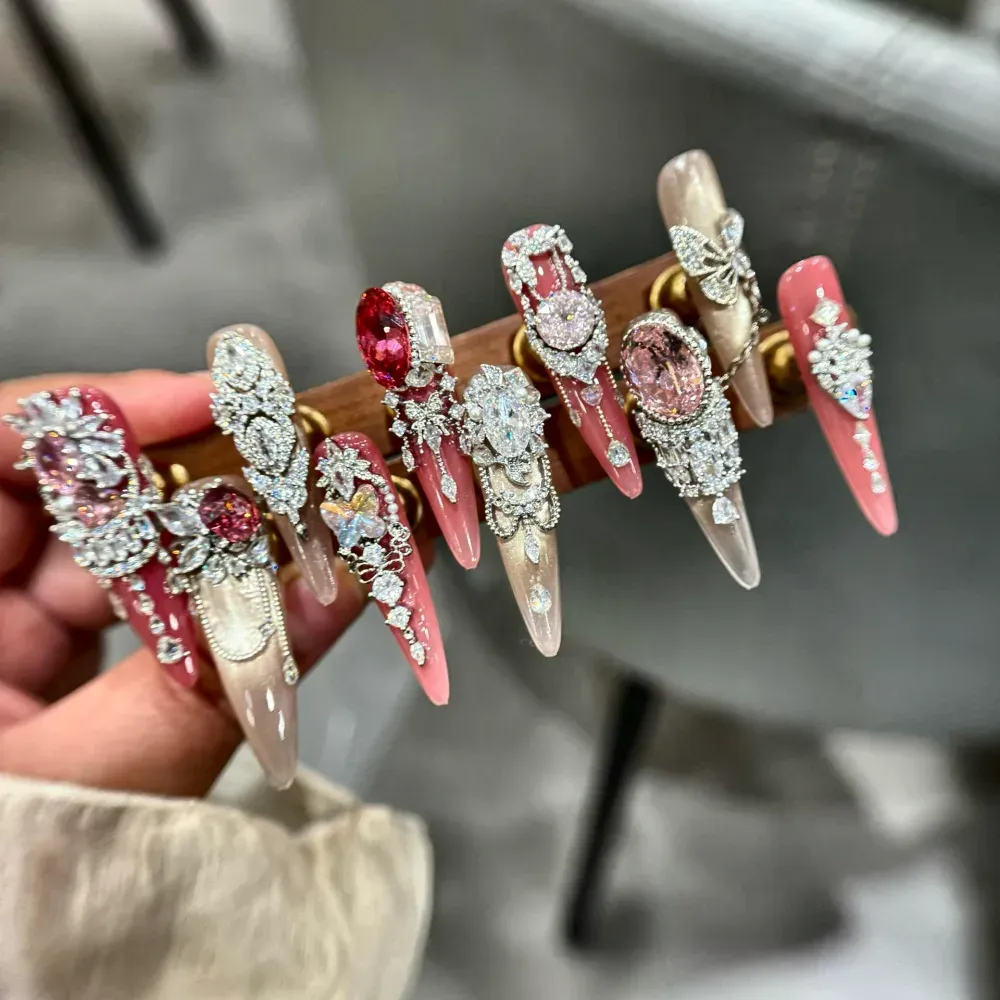
Assess the feel and firmness using gentle, consistent handling, and note what you observed rather than assigning unsupported durability claims. A bending demonstration or a firm feel does not establish a verified wear period, so those observations should not become a longevity promise in your product copy. Regulators also expect listing claims to be supportable: European Union claim criteria sit in Regulation (EU) No 655/20131, and United States federal cosmetics regulations in Title 212, so wording that outruns the evidence carries risk long after the sample stage.
| Check | How | What you record |
|---|---|---|
| Fit | Supplied sizes against your intended customers | Sizes tested, by whom, and what is still unknown |
| Surface and edges | Consistent lighting, close inspection | Photographs that locate any concern |
| Decoration | Pattern and attached pieces against the reference | Differences from the approved reference |
| Colour | Compared under the same light every time | Lighting noted alongside the observation |
| Feel and firmness | Gentle handling, same method per SKU | Observations only, never wear promises |
Where the assessment is limited, say so in the note itself. If only one team member tried the fit, if the lighting changed halfway through, or if a style could not be compared with its reference, write that next to the observation. A note that admits its own limits is still usable months later; a confident note with hidden limits is the one that causes trouble when the order repeats.
Which Observations Are Preferences and Which Are Defects?
Not every negative note means the same thing, and bundling them confuses the supplier more than the product ever could.
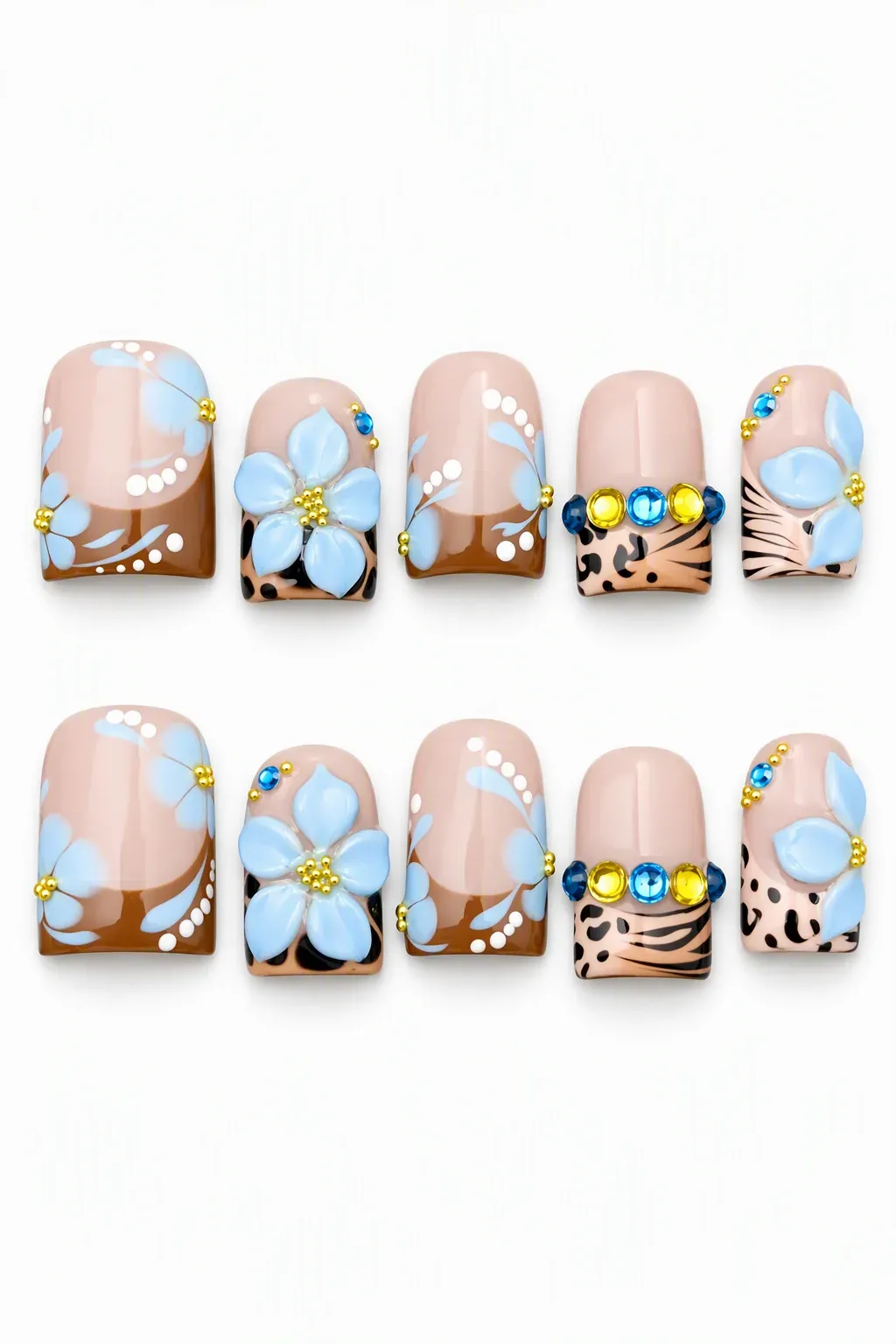
Sort observations into three types as you review: a preference is a fit note against your brief, a defect is a located observation with a photograph, and a specification mismatch is a difference from the written description. Each type has a different follow-up.
Three types, three follow-ups
Preferences stay with your team as buying decisions, because another slot in the range may suit that style better. Defects go back to the supplier with a photograph and a location, so they can be found and corrected. Specification mismatches go back with the quotation and the written specification attached, because the question is what was agreed rather than how it was made. Sorting observations into these three types as you review is what turns a page of impressions into an actionable message, and it is also what keeps the packaging conversation honest: presentation notes belong in the same record, compared against what was quoted. The habit costs a minute per observation now and saves a full exchange round later, because the supplier receives questions that can each be answered in one pass.
| Observation type | Example | Follow-up |
|---|---|---|
| Preference | The shape suits another slot better | Stays with your team as a buying decision |
| Defect | A mark or uneven edge, photographed | Back to the supplier with location and photo |
| Specification mismatch | Sizes or packaging differ from the quotation | Back to the supplier with the quotation attached |
How Does an Observation Become an Order Decision?
Reviews earn their keep at the closing step, where every SKU ends with one of three outcomes and nothing left floating between states.
Give each SKU a clear outcome: approved for the planned order, clarification needed, or not selected, with the reason and any condition attached. A specific note is easier to resolve than a broad request to improve quality.
Review the presentation before it reaches customers
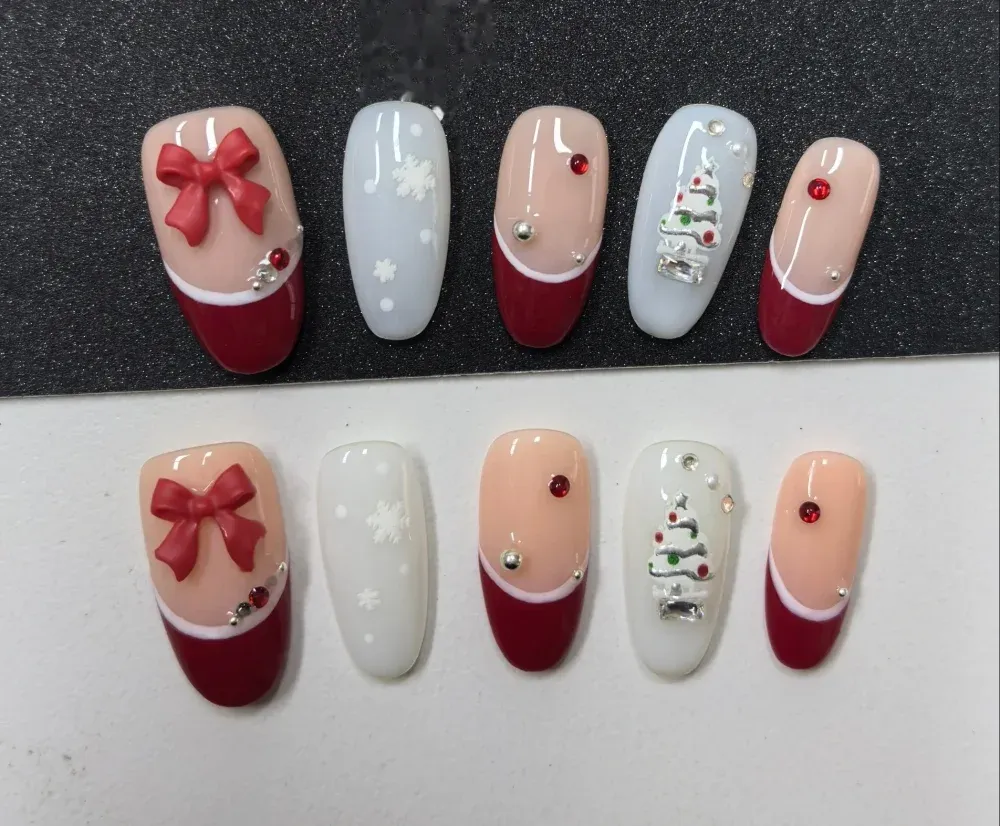
Check the packaging against the quotation, including any specifically agreed cards, accessories or labels, and note the condition on arrival. A set that arrives in the wrong tray, without an agreed insert card or with mismatched labelling, creates returns and questions even when the nails are excellent. Also review the information your store will need: confirm unclear material wording and any proposed product claims before they go into a listing, and mark unverified results, certifications or wear claims as unresolved until they are properly supported.
Retain the reference
Retain the approved reference, photographs and written specification together. When requesting a repeat order, use those records to identify what should remain the same and which changes need another review. A short internal review meeting closes the loop well: walk the team through the outcomes per SKU, read the conditions of approval aloud, and agree who will send which clarification, so one colleague never believes a style was approved while another believes it was still pending. Sitting together with the records open also surfaces the second-order questions early: which approved style needs a size note before it can be listed, and which clarification answer is holding up the rest of the order.
| Outcome | What it includes | What happens next |
|---|---|---|
| Approved | The planned order, with conditions if any | The record supports the purchase order |
| Clarification needed | Specific questions with evidence attached | One answerable reply per point |
| Not selected | The reason, kept with the notes | The record explains the choice months later |
Send your sample review notes by SKU to ZONO Beauty, and we will resolve the open points before you place the order, including packaging, specification and sizing details.
Send your review notesConclusion
One consistent checklist, honest notes on limitations and an explicit outcome per SKU turn the parcel on your desk into the buying record your next order deserves.
- Common criteria for claims of cosmetic products, Regulation (EU) No 655/2013. eur-lex.europa.eu. ↩
- United States federal cosmetics regulations, 21 CFR Chapter II Subchapter G. ecfr.gov. ↩