In-Stock Press-On Nails for Urgent Orders: What to Check Before You Pay for Speed
What in-stock really means for press-on nails, which details decide whether an urgent order can ship, and the checks that keep a fast order from becoming a slow dispute.

An urgent order is not a bigger version of a normal order. It is a different order with different failure modes, and the difference starts with a word that gets used loosely: in-stock.
Buyers asking for speed are really asking three questions at once. What actually exists right now? How fast can it move once I confirm? And what am I giving up by skipping the checks a slower order would include? Suppliers who answer all three precisely win urgent orders; suppliers who answer only the second create the disputes that follow them.
This guide separates those questions. It covers what in-stock should mean when you hear it, which details decide whether an urgent order can actually ship, and the small set of checks that keep a fast order from becoming a slow dispute, the same checks behind testing press-on nail samples properly, compressed to fit an urgent timeline.
What In-Stock Should Mean When You Hear It
In-stock should mean four things at once, and buyers should confirm each one rather than assume it.
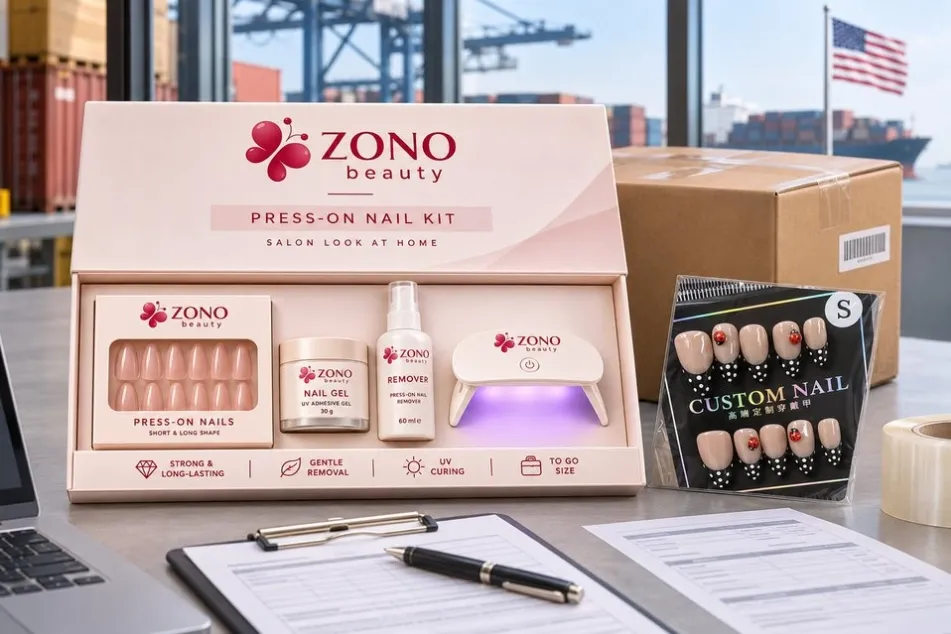
The design exists as a finished set, not as a tip that still needs decoration. A stock design in this category usually means hand-finished work is already done, which is why the design cannot be reordered into existence if the batch is gone.
The quantity is available now, at this moment, in the sizes you need. Availability is a snapshot: a style with twelve sets left is in stock exactly once. Ask for the balance per size, in writing, with your quotation.
The packing it carries is the packing you get. Stock sets ship in their existing configuration. If your listing needs branded boxes, that is an add-on with its own timeline, the urgent order ships without it or waits for it.
The dispatch clock has a stated trigger. "Ships in days" means nothing until the trigger is named: from payment, from order confirmation, or from a cut-off time. Urgent orders live and die on this line.
How to choose: put the four definitions in your enquiry, design as finished set, balance per size, packing as carried, dispatch trigger named. A supplier who answers all four in one reply has the stock they claim.
Which Details Decide Whether an Urgent Order Can Ship
Speed is decided by five details, and none of them is the production line, because on a true stock order, there is no production.
The confirmation trigger. The dispatch clock starts on payment or on a signed order, whichever you agree. On urgent orders, agree it in the same message that fixes the quantity, because every hour between confirmation and payment is an hour the balance can move.
The size run you need. Stock sets are not distributed evenly across sizes. A style may be deep in medium and shallow in small, and your urgent order only ships complete if the size run you need matches the balance that exists. Ask for the size breakdown, not just the style total.
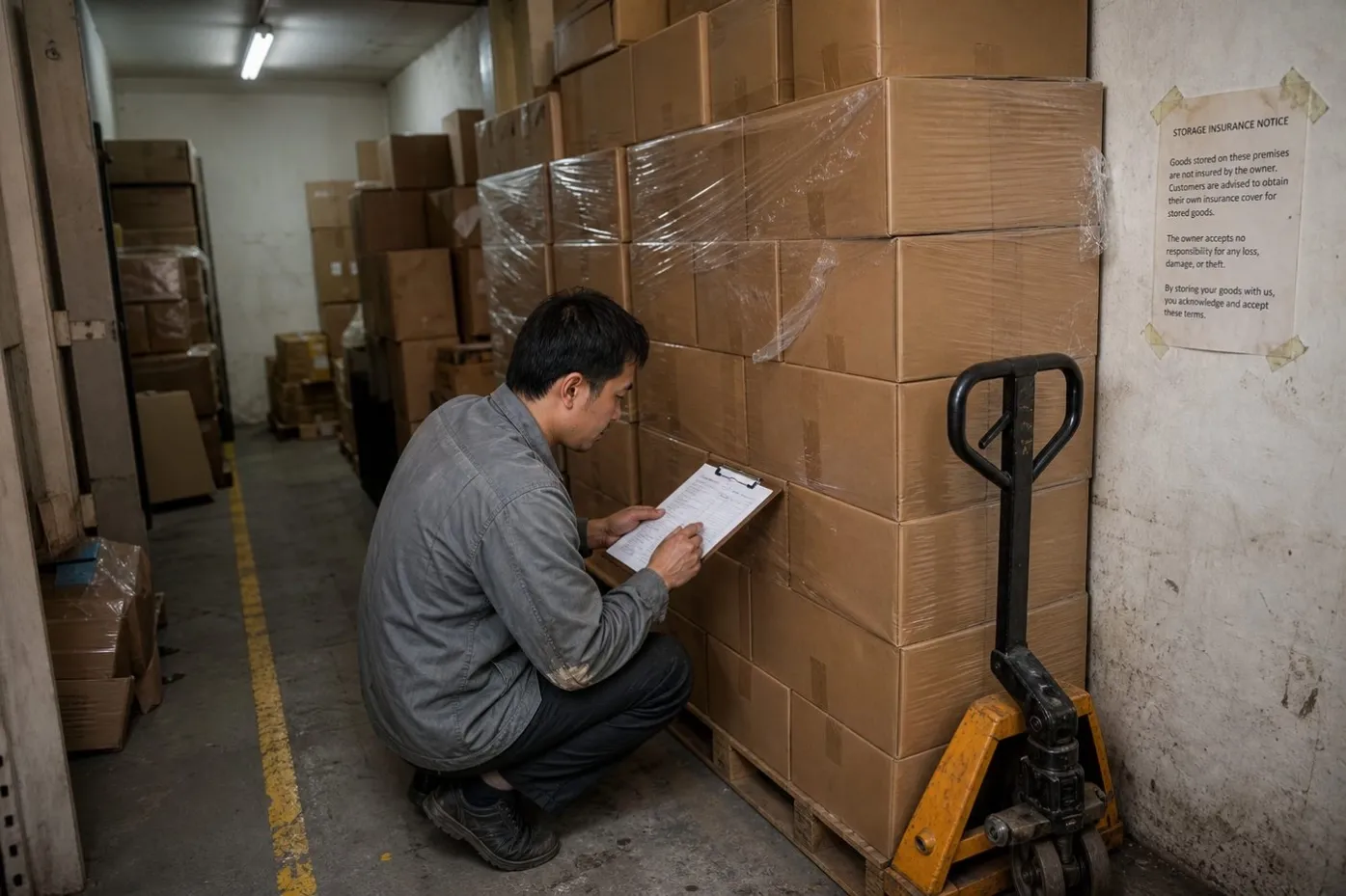
The freight reality. Stock production is skipped; freight is not. The shipping leg has its own minimum days, and the choice between direct shipping and overseas warehouse stock changes what urgent even means, a warehouse at destination makes same-week delivery possible in a way no factory commitment can.
The payment rail. An urgent order with a slow payment method is not an urgent order. Confirm which payment methods move same-day before you commit a date, because cash flow gaps bite hardest exactly when the calendar is tightest.
What the packing list will say. The dispatch packing list is the document your receiving team checks against. On urgent orders there is no time to argue about it afterwards, confirm the list format before the goods move.
How to choose: run the five details as a checklist against your own readiness. An urgent order fails at whichever detail you are slowest on, not at the supplier's warehouse.
The Checks Worth Keeping on a Fast Order
Urgency compresses checks; it should not delete them. Three survive the compression.
The count against the packing list. On arrival, count cartons and units against the list before the carrier leaves. Discrepancy claims start with the packing list, and they start on day one.
A visual pass per style. You are not running the full sample-to-bulk inspection on an urgent order, but a visual pass per style, obvious damage, wrong shade shipped, missing pieces, catches the errors that matter at retail. Photograph anything wrong on the day you see it.
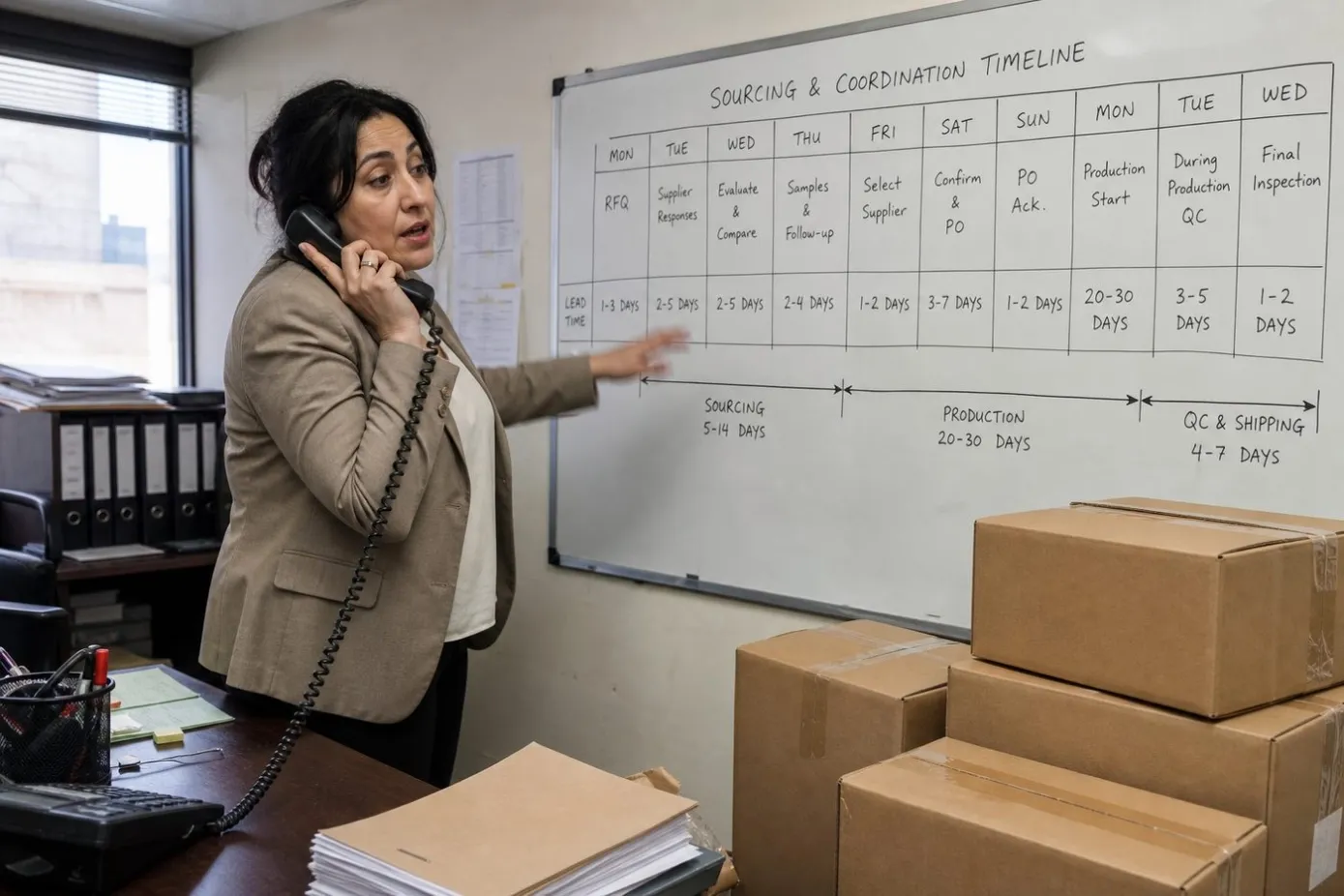
The spec sheet on file. Ask for the specification of what shipped, available upon request, and file it with the packing list. If the style reorders later, that document is the reference both sides check against.
Cost impact: the three checks cost hours. Skipping them converts a fast order into a slow dispute, and the dispute always outlasts the deadline that justified the speed.
When to use: every urgent order, without exception. The checks scale to hours precisely because the order skips the stages where full checks live.
When Urgent Is the Wrong Frame
Some orders are urgent only because the planning started late, and speed purchased at the specification's expense is money spent twice.
If your listing promises reuse, salon-grade finish or branded packaging, an urgent stock order may not be able to keep that promise, stock carries its existing configuration, and the deadline does not change it. In that case the honest answer is a staged plan: stock now to hold the shelf, the reorder and bulk decision made properly in parallel, and the branded programme built on the custom timeline it requires.
Urgent stock works when the goods fit the promise. When the promise outruns the goods, the honest answer is a staged plan: stock now to hold the shelf, the proper programme built on the timeline it requires.
How to choose: urgent stock when the goods fit the promise; a staged plan when the promise outruns the goods. Paying for speed to ship the wrong specification is the most expensive dispatch in the category.
Send the styles, sizes and your deadline, and we will confirm the balance, the dispatch trigger and the freight in one reply. We coordinate it with the long-term manufacturing suppliers behind your [press-on nail programme](/press-on-nails).
Check urgent availabilityFrequently Asked Questions
What does in-stock actually guarantee?
That the design exists as a finished set and the balance is available now, per size. It does not guarantee branded packing, custom configuration, or unlimited reorders, confirm each in writing.
How fast can an in-stock order dispatch?
Once the trigger fires, usually payment, dispatch is measured in days, set by carton confirmation and the carrier. Agree the trigger and the cut-off in the order message.
Can I skip the sample on an urgent stock order?
You are skipping the full inspection, not the checks. Count against the packing list, run a visual pass per style, and file the spec sheet, three checks that fit an urgent timeline.
Why did my in-stock style become unavailable?
Availability is a snapshot per size. Deep styles run shallow first, and the balance moves between enquiry and payment, which is why the balance per size belongs in the quotation.
Is an urgent stock order the right way to test a market?
It can be, a test batch from stock is the cheapest way to learn, provided the three arrival checks run. For the fuller decision on testing versus committing, compare the routes on their sample and stock economics.
What should be in writing before I pay for speed?
The balance per size, the dispatch trigger, the payment method, the packing list format and the freight term. Five lines, one message, and the urgent order survives contact with the warehouse.
Conclusion
Urgent orders reward precision, not boldness. Four definitions of in-stock, five shipping details, three arrival checks, and the fastest order in the category arrives as the cleanest one.