Halal Certification for Cosmetics in Indonesia: The Five-Stage Process Buyers Must Brief
How Indonesian halal certification actually runs for private label cosmetics: SIHALAL stages, the halal assurance system, foreign factory routes, and what to ask your supplier now.
Halal certification used to be a "nice to have" for cosmetics brands selling into Indonesia, the kind of thing you added after your first sell-through. That era is ending: the transition period that let uncertified cosmetics circulate runs out in October 2026, and from that point a BPOM notification alone no longer keeps a product legal on Indonesian shelves.
Indonesian halal certification runs through BPJPH's SIHALAL portal in five stages: registration, a halal assurance system, inspection by an LPH or recognized foreign body, the MUI fatwa, and the BPJPH certificate with its label registration. For a private label buyer, most of the evidence lives at the supplier.
This guide walks the process from the buyer's chair. You will not file the application yourself; your Indonesian entity or certification partner does that. But the evidence that the application rests on, ingredient documentation, production controls, inspection access, comes from your supply chain. Buyers who understand the sequence can brief their suppliers months earlier and keep their launch dates intact.
Who runs halal certification, and how is it different from BPOM notification?
Two separate systems are now stacked on the same product: BPOM handles cosmetic notification for market entry, while BPJPH (the halal product assurance organizing body) issues halal certification under the Halal Product Assurance Law. One does not substitute for the other.
BPOM's notification asks whether the product is safe and correctly documented as a cosmetic. BPJPH's certificate asks a different question: whether the product, and the process behind it, complies with halal requirements, from ingredient sources through production handling. The certificate is issued after inspection and a fatwa ruling, and it must then be reflected on the label1. Because the two systems run on separate portals with separate evidence, a complete BPOM file does not automatically produce a halal certificate; ingredient documents, however, do double duty across both.
For imported cosmetics the deadlines are no longer theoretical. Cosmetics have been in the mandatory wave whose transition period ends in October 2026; after that point, uncertified products lose their legal path to Indonesian shelves2. Planning a launch that slips past that date without certification means planning a product that cannot be sold.
What are the actual process steps, in order?
The certification sequence has five documented stages: SIHALAL registration, halal assurance system preparation, product inspection, the MUI fatwa session, and certificate issuance followed by label registration. Each stage produces paperwork your Indonesian partner will request from you or your supplier.
Professional market-entry guides describe the flow consistently: the applicant registers on SIHALAL, BPJPH's online portal; prepares the halal assurance system and supporting documents; passes inspection by an LPH, Indonesia's halal inspection agency; obtains the fatwa ruling from MUI's halal fatwa commission; and receives the BPJPH certificate, after which the halal label is registered and applied34. The table below sorts the stages by who actually does the work.
| Stage | Led by | What the buyer's side provides |
|---|---|---|
| 1. SIHALAL registration | Indonesian applicant / certification partner | Company data, product list, brand authorization papers |
| 2. Halal assurance system (HAS) | Manufacturing site | Ingredient documentation, supplier halal statements, process records |
| 3. Inspection (LPH) | LPH or recognized foreign body | Site access, samples, production records, responsible staff |
| 4. Fatwa ruling (MUI) | MUI halal fatwa commission | Nothing new; responds to follow-up questions |
| 5. Certificate + label | BPJPH / brand | Label artwork accommodating the halal mark |
Notice where your supplier sits: stage 2 and stage 3 are almost entirely manufacturing-side work. That is why the certification calendar should be briefed to your supplier at the same time as the formula, not after samples are approved. A factory that has never prepared a halal assurance file needs lead time to collect ingredient statements from its own upstream suppliers.
Is halal filing per model, or does one certificate cover the line?
Halal filing runs per product: the SIHALAL application carries a product list, and shades or variants are treated as separate products, each needing its own coverage. Plan the certificate around your SKU count, because every model adds documentation, inspection scope and government fees to the timeline.
Indonesian registration guides are explicit on the BPOM side: each shade or variant counts as a separate product with its own notification, and government fees are charged per product6. The halal file follows the same product-list logic, so a ten-shade lip line means ten notification entries and ten product rows to maintain across both systems. Shades that differ in formula, which in lip products means different colorants, each need their own coverage; whether identical-formula variants can share a listing is a grouping question to confirm with your certification partner before you lock the range.
The planning consequence is simple but easy to miss: SKU count multiplies compliance work. Buyers trimming a launch from fifteen shades to eight are often trimming their certification timeline by more than half, and that trade-off is worth making consciously, at the range-planning stage, rather than discovering it inside the certification queue.
What does the halal assurance system actually require from a factory?
A halal assurance system is a documented set of procedures covering ingredient procurement, storage separation, production handling and traceability, so the factory can prove halal integrity is maintained continuously, not just on the day of inspection.
In practice the factory assembles: ingredient lists with halal documentation for each raw material; supplier declarations; records showing how halal and non-halal materials are stored and handled; and named personnel responsible for the system4. For color cosmetics, the sensitive inputs are the usual suspects, colorants, emollients and flavor or scent ingredients, where animal-derived or alcohol-carried materials can appear. This is the same ingredient-level rigor that Indonesian cosmetic regulation already pushes for in the notification file, which is why brands that built clean ingredient documentation early find the halal work mostly incremental.
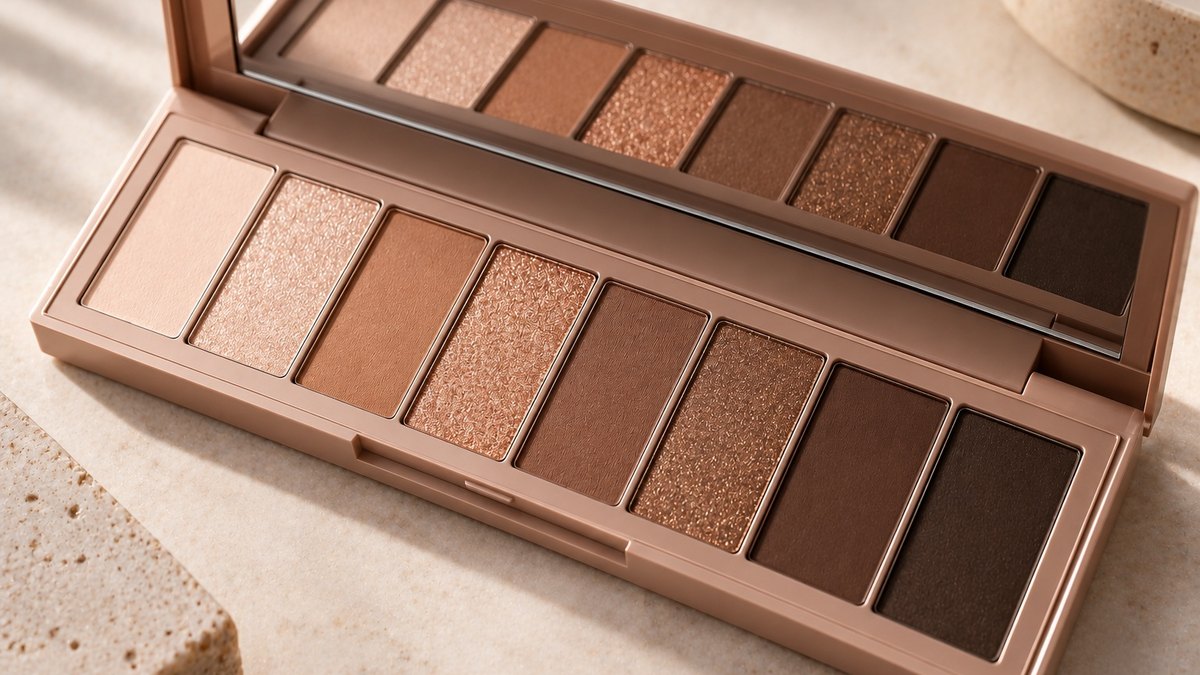
One practical note for private label buyers: if your supplier coordinates several factories, confirm which site's halal assurance system will cover your batches. A certificate is granted for production under a specific system; moving your order to a different site later can restart the evidence chain.
How does certification work when the factory is outside Indonesia?
Overseas factories have two recognized routes: inspection by an LPH, or certification through a foreign halal certification body that BPJPH has accredited under its mutual recognition framework, with the resulting certificate registered for Indonesian recognition.
BPJPH regulates foreign halal certification bodies through its accreditation regulation, and products certified by an accredited foreign body follow a registration pathway rather than a from-scratch Indonesian inspection15. Market-entry guides describe the choice as between the regular BPJPH pathway and the foreign certificate registration pathway; which one applies depends on where your factory sits and what body, if any, has already certified it3. For a buyer sourcing from China, the questions to ask are concrete: does the producing factory already hold a certificate from a BPJPH-accredited body, and if not, is the factory prepared to host an inspection or work through its own certification partner?
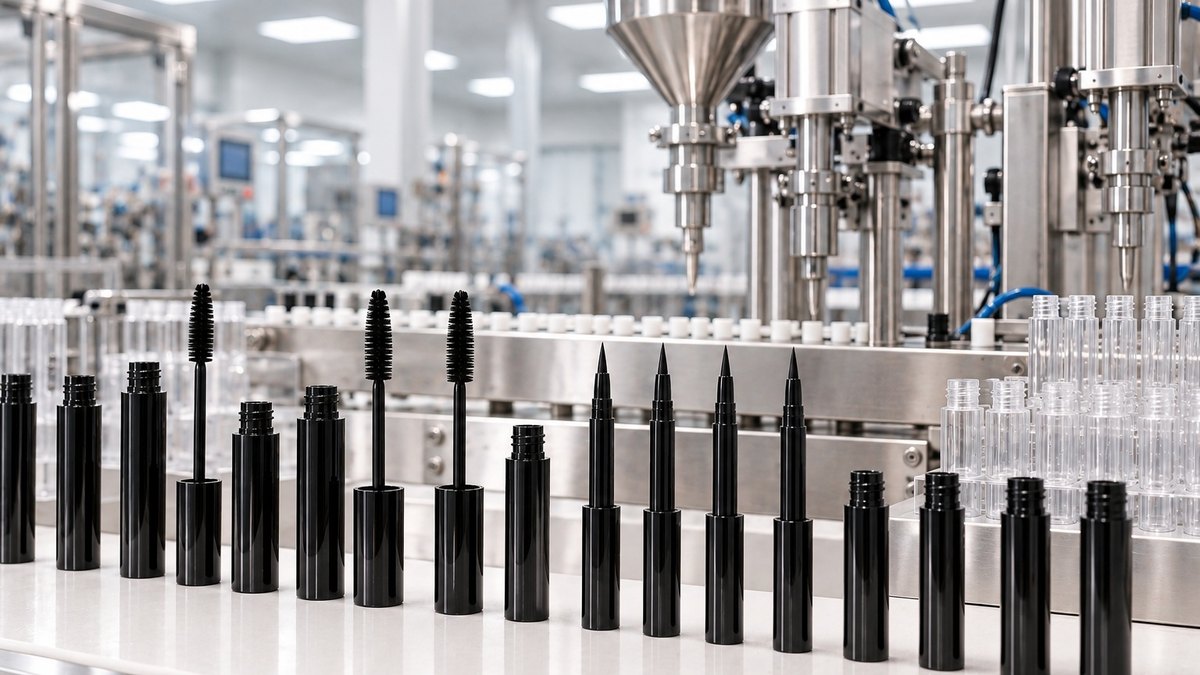
Either way, the resulting document must be registered so the halal label can legally appear on products sold in Indonesia. Label artwork that already reserves space for the halal mark avoids a reprint cycle later; this is an artwork decision you can make today, before the certificate arrives.
What should I ask my supplier this quarter?
Run these as a written exchange and file the answers with your project documents. Each answer either clears a stage or tells you how long the stage will take.
- Does the producing factory hold, or is it preparing, a halal assurance system covering our formula?
- Do the key raw materials in our formula already have halal documentation from upstream suppliers?
- Has the factory been inspected by an LPH, or certified by a BPJPH-accredited foreign body?
- Which route applies to our project: regular BPJPH inspection or foreign certificate registration?
- Who signs the supplier halal statements, and in what format does the certification body expect them?
- Can our label artwork reserve the halal mark position now, before artwork is finalized?
Halal-related rules continue to move; BPJPH has draft regulation work underway on certificate renewal, and transition details have shifted before2. Treat scope and timing questions as items to confirm with your Indonesian partner or a local consultant for the specific project, and keep the answers dated.
Tell us the product type, the producing site and your Indonesia timeline. ZONO organizes the supplier questions, from ingredient documentation to factory inspection readiness, and marks what is confirmed per project.
Start the conversation For how private label projects are structured from brief to shipment, see the private label overview.Frequently asked questions
- Is halal certification the same as BPOM notification? No. BPOM notification is the cosmetic market-access file; halal certification is a separate requirement under BPJPH and the Halal Product Assurance Law, with its own portal, inspection and certificate.
- When does the transition period end for cosmetics? The cosmetics wave ends in October 2026; after that, cosmetics circulating in Indonesia must hold halal certification.
- Does one halal certificate cover every shade or model in a line? No; filing runs on the product list and shades or variants are treated as separate products. Shades with different formulas each need their own coverage, and grouping rules for identical-formula variants should be confirmed with your certification partner.
- Who files the application for an imported product? The Indonesian applicant, your importer, distributor or local entity, files through SIHALAL; foreign brands cannot file directly.
- What is an LPH? A halal inspection agency that audits the product and its production system as part of the certification process before the fatwa ruling.
- Can our factory's existing foreign halal certificate be used? Possibly, if it was issued by a BPJPH-accredited foreign halal certification body; the certificate then follows a registration pathway. Confirm the body's accreditation status before relying on it.
Conclusion
Halal certification has moved from marketing bonus to market-access requirement, and its five stages run on evidence your supply chain owns: ingredient documentation, factory systems and inspection readiness. The deadline is fixed and the work has lead time, so the buyers who treat halal as a development-stage brief rather than a shipping-stage surprise will keep their Indonesian launch dates. Ask the six questions, reserve the label space, and keep both files, BPOM and BPJPH, moving in parallel.
Footnotes
Cisema, "Indonesia Halal Cosmetic Certification Requirements": BPJPH requirements, halal labeling rules and ingredient compliance for cosmetics. cisema.com ↩︎
ChemLinked, "Global Cosmetic Halal Certification Regulation Dynamics": cosmetics transition period to October 2026 and BPJPH draft work on halal certificate renewal. chemlinked.com ↩︎
REACH24H, "Indonesia Halal Certification Process: BPJPH Pathways": regular BPJPH pathway versus foreign halal certificate registration pathway. en.reach24h.com ↩︎
Emerhub, "Halal Certification in Indonesia": SIHALAL registration, halal assurance system, LPH audit, MUI fatwa and BPJPH certificate sequence. emerhub.com ↩︎
Halal Foundation, "Indonesia Halal Certification: BPJPH Guidelines": accreditation and recognition of foreign halal certification bodies under BPJPH Regulation No. 3/2023. halalfoundation.org ↩︎
InCorp Indonesia, "BPOM Indonesia Registration Guide": each shade or variant is treated as a separate product and needs its own notification, with government fees charged per product. indonesia.incorp.asia ↩︎