BPOM Cosmetic Notification: What Private Label Buyers Must Get From Their Supplier
What a supplier must provide for Indonesia's BPOM cosmetic notification: the document list, who files what, and the October 2026 halal deadline that moves compliance upstream.
Indonesia is one of the largest cosmetics markets in Southeast Asia, and it is also the one where your documentation decides your launch date. Before a single unit of a private label lip gloss or serum capsules can be sold there, the product needs a BPOM notification, and the notification is only as good as the technical file behind it.
An Indonesian BPOM cosmetic notification is submitted by a local Indonesian entity through the Notifkos portal, and the technical file behind it: formula disclosure, safety evidence, GMP proof and a legalized Certificate of Free Sale, comes from you and your supplier. Ask for those documents before sampling, not after.
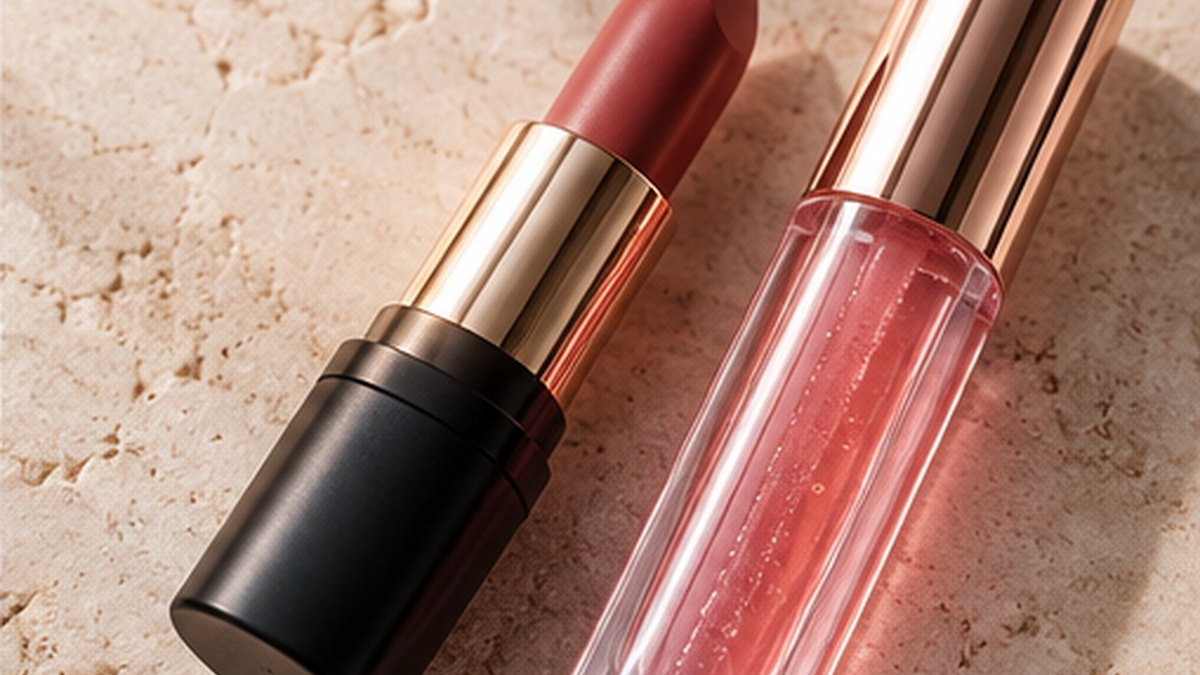
This guide is written from the buyer's side of the table. You may be a startup founder planning an Indonesia launch, or an established brand adding the market to a regional rollout. Either way, the sequence is the same: know which documents your supplier must produce, know who submits what, and know the deadline that is about to reshape cosmetic sourcing for this market.
Who actually submits the notification: me or my supplier?
The applicant is always a local Indonesian company: your importer or distributor submits the notification through BPOM's Notifkos portal, holds the import licences, and faces the first-office audit. Your supplier's job is to arm that entity with a complete, consistent technical file.
BPOM, Indonesia's Food and Drug Authority, runs cosmetic market entry as a notification process rather than a full registration. The submission is filed on the Notifkos digital portal, and the account that files it belongs to an Indonesian company: your importer, your distributor, or a local legal entity you set up. A foreign brand cannot file for itself1. That local applicant also needs import identification numbers and, in many first-time cases, passes a physical BPOM office audit before its first product notification goes through2.
For you as the buyer, this division of labor has one practical consequence: your supplier does not "get the approval" for you, but everything your Indonesian partner must upload originates from the supplier's documentation. When buyers tell us their Indonesia launch slipped, the cause is rarely the portal; it is a supplier file that arrived late, incomplete, or inconsistent with the physical product.
| Role | Owns | Typical deliverables |
|---|---|---|
| You (brand owner) | Product definition, market plan, claims strategy | Brief, target market statement, shade and packaging decisions, budget for legalization |
| Your supplier (in China) | Technical file behind the product | Formula disclosure, manufacturing licence and GMP evidence, Certificate of Free Sale support, matching samples |
| Local Indonesian entity | Notification and import | Notifkos submission, import licence, BPOM office audit, holds the notification number |
Which documents must my supplier actually provide?
Six supplier-side items decide whether an Indonesian notification can start: a legalized Certificate of Free Sale, full formula disclosure, manufacturing licence and GMP evidence, a product safety guarantee letter, label artwork support, and samples that match the notified formula exactly.
Document requirements for an Indonesian cosmetic notification are consistent across professional filings guides: a legalized and notarized Certificate of Free Sale issued in the country of manufacture, the full formula composition, evidence of manufacturing qualification, and a formal guarantee that the product meets safety requirements34. Manufacturers in China are expected to hold a production licence for cosmetics, and importers on the Indonesian side need their own import identification before the file moves5. The list below is how these requirements translate into supplier conversations.
- Certificate of Free Sale (CFS): proof that the product is freely sold in its country of origin. Indonesian filings expect the document legalized and notarized, which takes calendar time; ask your supplier early how their CFS is issued and what legalization chain it passes through3.
- Full formula disclosure: the ingredient composition behind the product, written so it can support both the notification and the ingredient list your label will carry. Our earlier guide explains why Indonesian regulation puts the ingredient list at the center of the file.
- Manufacturing licence and GMP evidence: the producing site's qualification papers. If your supplier coordinates several factories, confirm which licence covers the site that will actually make your batch.
- Product safety guarantee letter: the formal statement that the product meets quality, safety and efficacy standards, signed by the responsible party4.
- Label artwork support: the notification references the label, so the artwork needs to match the notified product, including shade names and the ingredient list.
- Matching samples: the reference sample you approved should be the same formula revision described in the file. A file that describes revision A while production runs revision B is a problem waiting for an inspection.
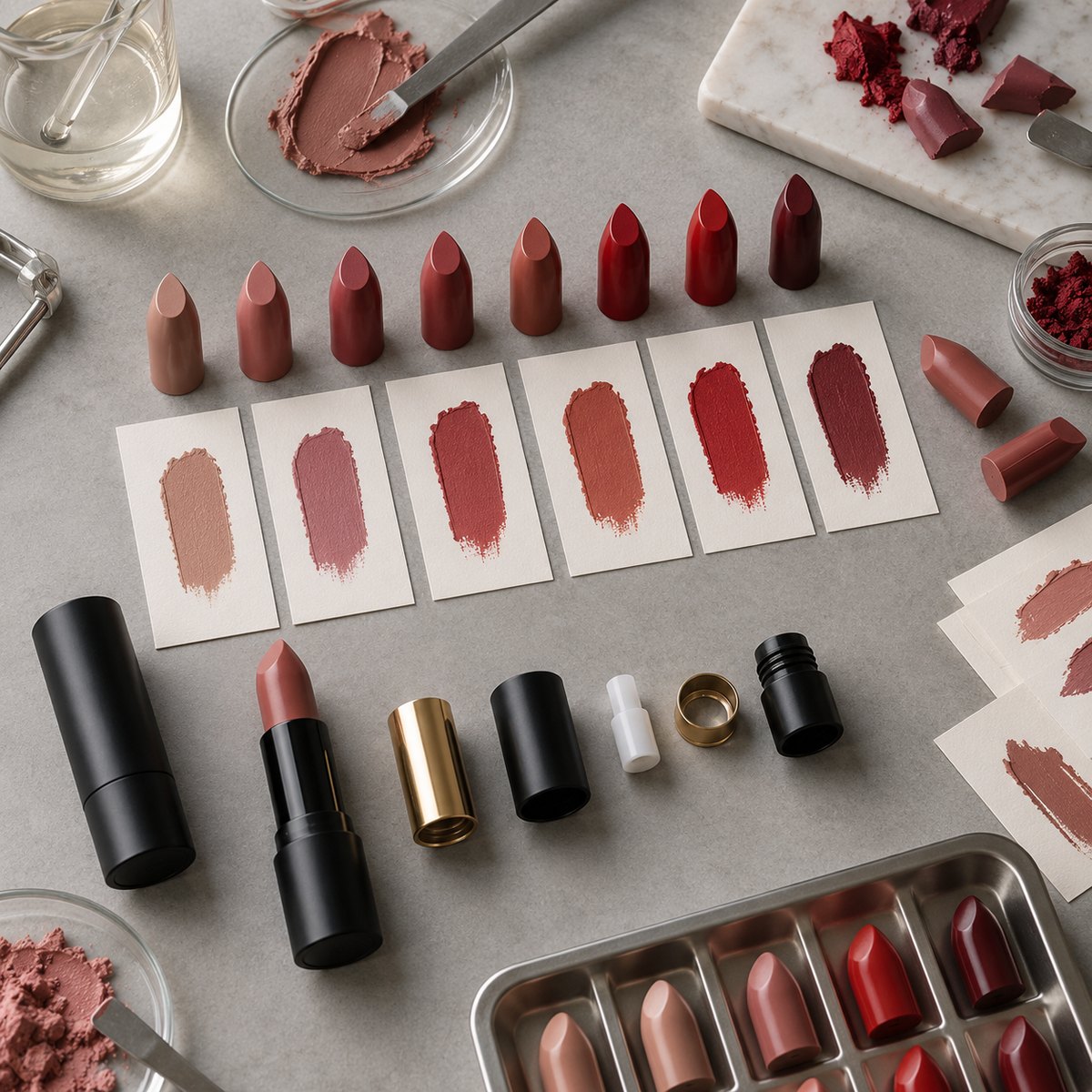
One more document habit worth building: keep a dated index of every paper your supplier issues, with version numbers. When your Indonesian partner asks for a replacement copy three weeks before launch, you want to know which revision is current without re-asking the factory.
What does the NA notification number actually confirm?
An approved notification gives the product an NA-prefixed number that lets it circulate legally in Indonesia; it confirms the file was accepted, not that every marketing claim will survive scrutiny. Keep claims aligned with the notified formula and label from day one.
Cosmetic notifications in Indonesia result in a notification number carrying the NA prefix, recorded in BPOM's system and displayed on the product label1. Retailers and marketplaces increasingly ask sellers to show this number, so it functions as the product's ticket into the market.
What the number does not do is freeze your marketing obligations. Claims on your box, your listing and your social content still need to sit inside what the notified product actually is. A "24-hour wear" line or a multi-use claim changes what assessors expect to see in the file, which is why we tell buyers to fix claims direction before artwork, not after printing.
How does the October 2026 halal deadline change sourcing timelines?
Halal certification for cosmetics becomes the next gate: the transition period that allowed uncertified cosmetics to circulate runs out in October 2026, so lines planned for Indonesia this quarter should be screened for halal compliance at the formula stage, not after production.
Indonesia's halal product assurance regime has been phasing in for years, and cosmetics sit in the wave whose transition period ends in October 2026; after that point, cosmetics circulating in Indonesia must hold halal certification6. Certification is issued through the halal assurance system rather than through BPOM's notification itself, which means it is a second workstream running alongside your notification.
For a private label buyer, the practical questions move upstream to the formula and the factory: whether each ingredient carries halal documentation, whether the production line's status supports certification, and which certification body the process will run through. None of these are answered the week before shipping. When you brief your supplier for an Indonesia-bound line, put halal documentation on the same list as the CFS and the formula disclosure, and confirm the certification path with your Indonesian partner or a local consultant, because scope and timing details are exactly the kind of thing that shifts with regulation.
What should I confirm with my supplier before my Indonesian partner starts?
Run this list as a written exchange, and keep the answers with your project file. Each question maps to a document your partner will eventually request.
- Can you issue, or support the issuance of, a legalized Certificate of Free Sale for the exact formula we agreed on?
- Will you disclose the full formula composition for the notification dossier?
- Which manufacturing licence and GMP evidence cover the site that will produce our batches?
- Who signs the product safety guarantee letter, and in what language?
- Can you lock samples to the formula revision that the file describes?
- What halal documentation exists for each ingredient and for the production line?
Tell us the product type, the target market and the documents your Indonesian partner has requested. ZONO coordinates the supplier questions, marks which compliance facts are confirmed per project, and keeps the document list moving alongside your samples.
Start the conversation To see how private label projects are structured from brief to shipment, visit the private label overview.Frequently asked questions
- Can my Chinese supplier submit the BPOM notification directly? No; the submission runs through a local Indonesian entity on the Notifkos portal. Your supplier's role is the technical file, not the filing.
- Is halal certification the same thing as BPOM notification? No. The notification is the market access number; halal certification is a separate requirement under Indonesia's halal assurance system, and cosmetics face the October 2026 transition deadline.
- Where does the cosmetic ingredient list fit in? The ingredient list supports both the notification and your label; our dedicated guide walks through what Indonesian regulation expects it to contain.
- Do I need a new file for every shade in a lip line? Yes, in practice: registration guides treat each shade or variant as a separate product with its own notification, and government fees are charged per product7. Agree shade structure and label variants with your Indonesian partner before artwork is finalized, and note that the same per-product logic carries into halal certification.
- How early should documentation start relative to sampling? Before sampling. Legalization chains take calendar time, and the sample you approve should match the formula revision the file describes.
Conclusion
Indonesia rewards buyers who treat documentation as part of product development rather than as shipping paperwork. The notification is filed by your local partner, but it is fed by your supplier: formula, licences, free-sale evidence, guarantee letters and matching samples. With the halal transition deadline now bearing down on cosmetics, the file you assemble this quarter decides whether your line launches on schedule or waits. Ask the six questions early, keep versions dated, and make your Indonesian partner's job boring.
Footnotes
Cekindo, "Formal Process of Cosmetic Product Registration in Indonesia": cosmetic notification via the Notifkos portal, filed by a local Indonesian entity, with NA/NIE notification numbering. cekindo.com ↩︎
Product Registration Indonesia, "Ultimate Guide to Cosmetic Product Registration in Indonesia": local entity requirements including API import identification and a BPOM office audit before first notification. productregistrationindonesia.com ↩︎
REACH24H Consulting, "Indonesia Cosmetic Notification Process": document list including legalized and notarized Certificate of Free Sale. en.reach24h.com ↩︎
Trade.gov, "Indonesia Cosmetics Notification System": requirement for a formal guarantee letter covering product quality, safety and efficacy. trade.gov ↩︎
ChemLinked, "Indonesia Cosmetic Regulation": manufacturers need a production licence and importers need import identification before notification. cosmetic.chemlinked.com ↩︎
ChemLinked, "Unpacking Indonesian Cosmetic Halal Certification": cosmetics transition period until October 2026, after which halal cosmetics circulating in Indonesia must be certified. cosmetic.chemlinked.com ↩︎
InCorp Indonesia, "BPOM Indonesia Registration Guide": each shade or variant is treated as a separate product and needs its own notification, with government fees charged per product. indonesia.incorp.asia ↩︎