Color-Changing Foundation Stick for Dark Skin: What to Test Before Private Label
A color-changing foundation stick must be tested on deep skin, not a video. Here are the 6 checks and the sample checklist before private label.
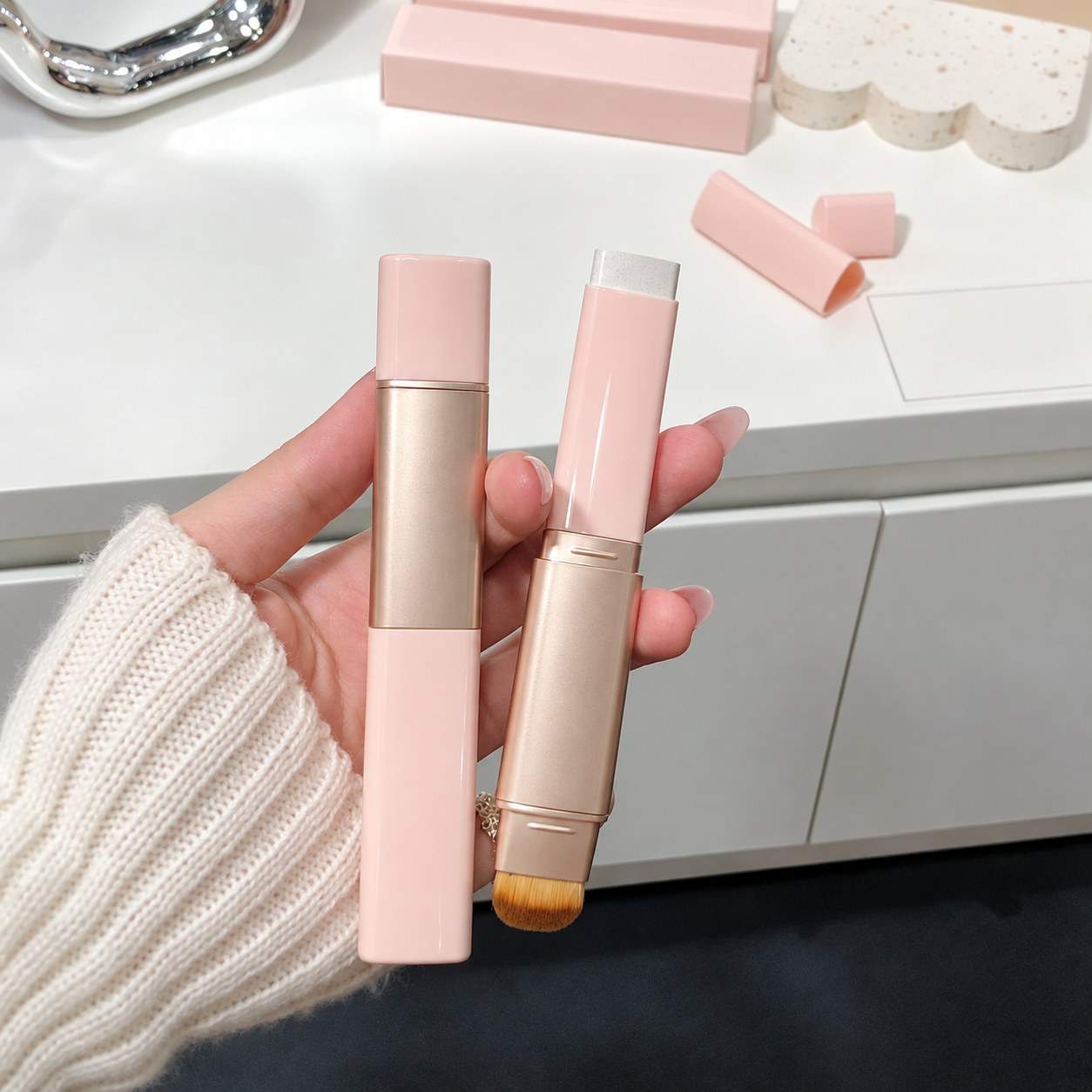
A color-changing foundation may look impressive when it changes from white to beige, but that does not mean it will work on deep skin.
For brands targeting Indian or darker skin tones, the most important test is the final developed shade: does it blend naturally without looking grey, ashy or too light? A dramatic transformation video shot on light skin says nothing about how the formula settles on deep tones. The only reliable answer comes from a physical sample tested on the skin tone you are actually selling to.
ZONO Beauty coordinates manufacturing suppliers from Shantou, Guangdong, with a color changing foundation stick currently available in Ivory, Natural and Deep shade options for private label and OEM projects. This article walks through the six checks to run before ordering.
Will it actually work on dark Indian skin?
It depends on the colorant blend, not on the white base. A formula can produce a dramatic white-to-beige transformation on light skin and still read grey, ashy or chalky on deep skin, because the pigment system was designed around a lighter default.
The white or light base is a carrier. It contributes nothing to the final coverage. The shade that develops is determined by the colorant system loaded into the formula. If that system leans blue or violet to compensate for lighter bases, the result on deep skin reads as ash. If the base does not fully transform, the residual white carrier sits on the surface and lightens the skin unnaturally.
"Has a Deep shade option" is a direction, not a result. The question to ask is: what does the Deep option look like after it fully develops on deep skin, in daylight, after ten minutes of wear? The answer has to come from a physical sample.
Why can color-changing foundation look grey or ashy on deep skin?
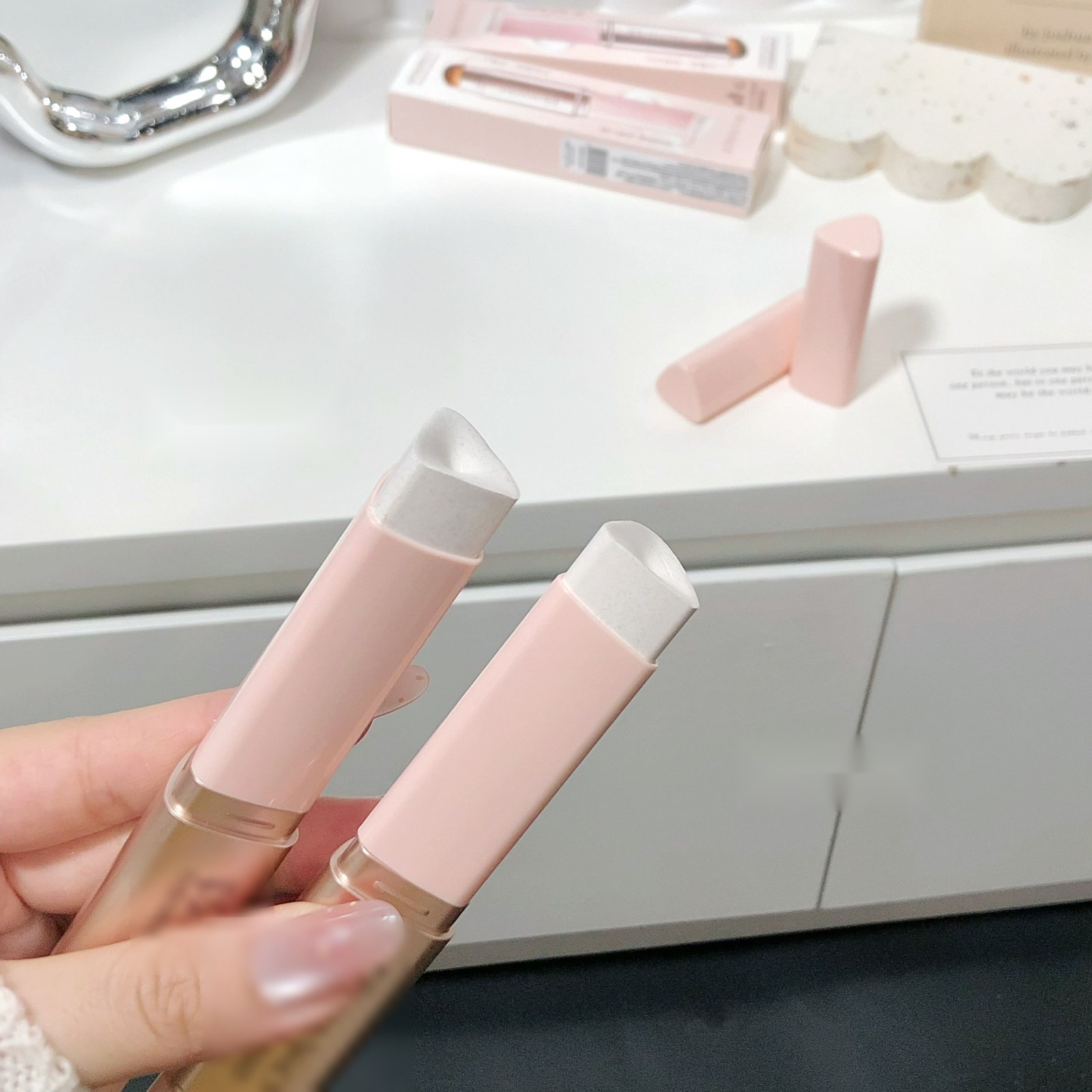
Grey and white cast come from two sources: base residue that did not fully transform, and a colorant blend that leans cool. Both are visible only after the product settles on deep skin, which is why video evaluation on light skin misses them entirely.
Base residue happens when the white carrier does not fully transform. It reads as a pale film sitting on the surface. Cool-toned pigment happens when the colorant mix uses too much blue or violet, and it reads as ash on deep skin. A subtler third version: the initial shade matches, but it oxidises after settling and drifts cooler over time.
The asks that surface these problems before they become your problem:
- Ask the supplier to demonstrate the transformation on deep skin, in one continuous shot, from application through settled shade.
- Ask whether the colorant blend for the Deep option is warm, neutral, or cool.
- Ask for a physical sample to test on your target user group.
What should I check in the sample?
Seven items form the minimum evidence before a bulk order. If the supplier cannot provide them, the risk of ordering a formula that does not serve deep skin sits with you, not with them.
| Check | What it proves | Why deep skin makes it critical |
|---|---|---|
| Transformation video on deep skin, single continuous shot | The mechanism works and the shade settles visibly | Standard videos use light-skinned models; deep-skin behaviour is different |
| Physical sample in the Deep shade | The actual product, not a description | Card swatches cannot show grey cast or base residue |
| Full INCI ingredient list | The formula composition and colorant system | Needed for regulatory review and allergen screening |
| Color-changing mechanism explanation | Whether it is encapsulated colorant or pH-responsive | Determines what "settled shade" means and how it behaves through wear |
| Wear-test protocol on a comparable formula | Oxidation stability and transfer resistance | Deep skin shows drift and ash more visibly |
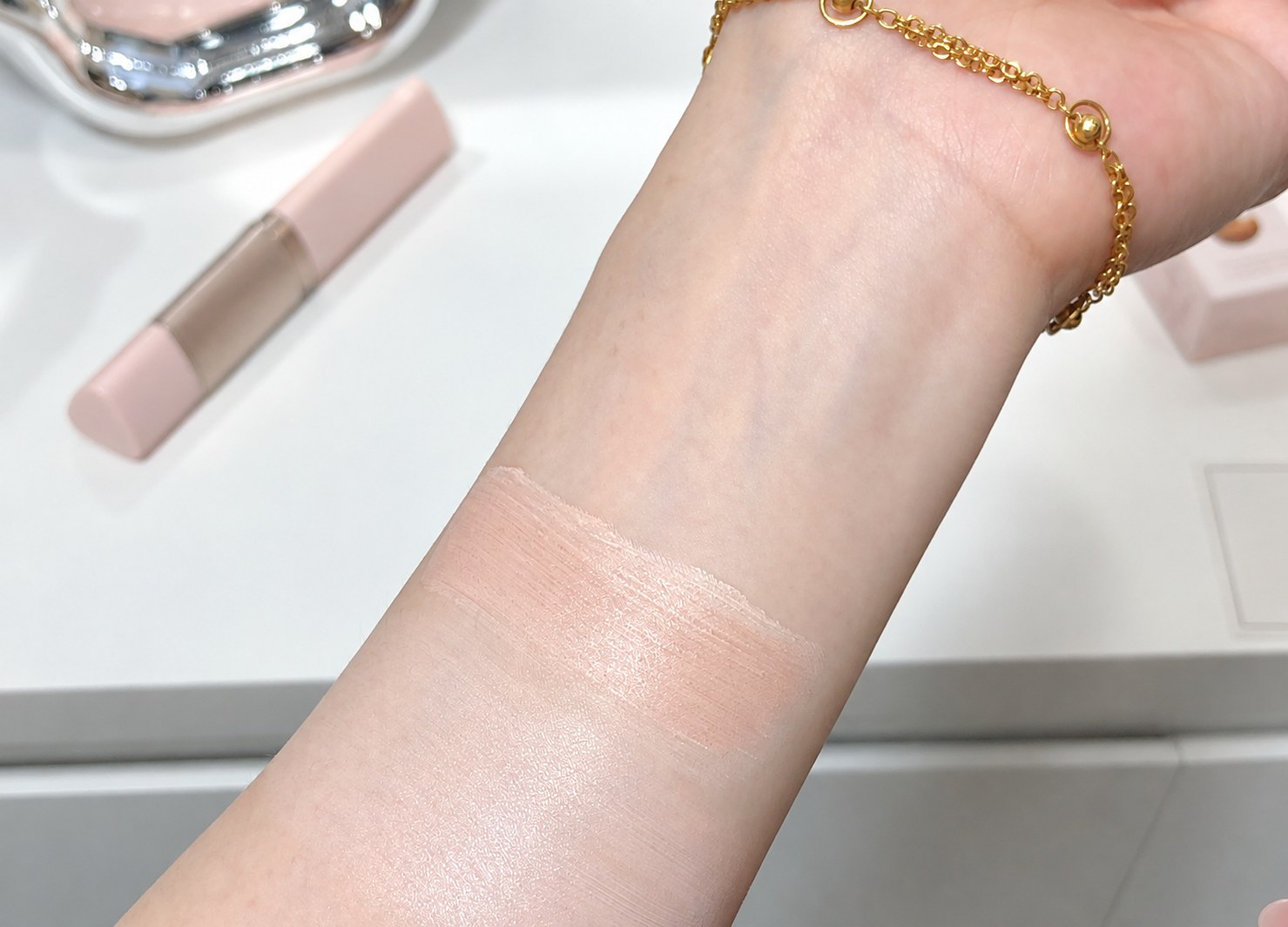
| Real-person swatch photos on deep skin | The developed shade after settling | The most direct evidence a buyer can request |
| Custom packaging options with decoration samples | The branding route | Packaging is confirmed separately from formula |
These are the threshold between a supplier who has tested on deep skin and one who has not.
Can the shade be adjusted for my market?
The existing shade options are a starting point, not the ceiling. Custom shade development means adjusting the colorant blend toward deeper tones, testing on real skin, and approving through physical samples.
The development path runs in stages: share the target skin tone range → receive a deep-skin reference sample from the supplier's existing option → test on real users and record where the shade reads grey or mismatched → request pigment adjustment → receive a revised sample → repeat until confirmed. Each stage produces a physical result you can evaluate, not a marketing claim to take on faith.
Three routes support different stages. Ready stock lets you test the format fast. Semi-custom adjusts shade and packaging within an existing structure. Full OEM/ODM develops the formula and shade direction from a brief. Ask which route matches your scope before comparing quotes, because the minimum and the timeline differ.
What should I ask the supplier before bulk ordering?
Six questions separate a supplier who has tested on deep skin from one who has not. Put them in writing and compare the answers side by side before comparing prices.
- What does the Deep option look like after full transformation on deep skin, in daylight?
- Is the colorant blend warm, neutral, or cool, and how was that determined?
- What oxidation and transfer testing has been done, and can I see the protocol?
- Can you provide a physical Deep shade sample for my target user group?
- What is the full INCI, and does the colorant system use any restricted pigments?
- What custom packaging options exist for the dual-ended stick format?
If the answers are itemised and specific, the supplier has done the work. If they are vague, the risk sits with you.
MOQ, sample, INCI and custom packaging: what comes next?
MOQ for a color changing foundation stick is confirmed by product and customization level, not by a single number. The pricing conversation separates into sample cost, OEM unit price, and packaging MOQ, each quoted independently.
Custom packaging for a dual-ended stick covers the barrel component, the brush end, the decoration method, and the outer carton. The decoration method drives tooling and per-unit cost differently: hot stamping carries a one-time plate, silk screen charges per colour, digital printing handles short runs without plates. Confirm the artwork route before comparing packaging quotes.
For the European market, a cosmetic product requires a responsible person and a safety assessment under Regulation (EC) No 1223/2009, with notification before it is placed on the market. The brand owner carries compliance responsibility; the supplier provides the inputs. Dropshipping is a fulfilment model, not a production model; confirm the supplier can ship single units to the destination before discussing private label pricing.
Conclusion
Do not prove that the formula changes colour; prove that the colour it changes into works on deep skin. Seven checks, one physical sample, and a supplier who can answer the six questions above are the difference between a product that serves your market and one that sits in a drawer.
ZONO Beauty coordinates manufacturing suppliers from Shantou, Guangdong. The color changing foundation stick is available in Ivory, Natural, and Deep shade options, with custom shade development and packaging available through the project route. Share the skin tone range to serve and the finish expectation, and we will arrange the deep-skin samples and the documentation behind every item on the checklist.
Footnotes
1. Is It a Cosmetic, a Drug, or Both? (Or Is It Soap?), U.S. Food and Drug Administration. ↩︎
2. Color Additives and Cosmetics Fact Sheet, U.S. Food and Drug Administration. ↩︎
3. Regulation (EC) No 1223/2009 on cosmetic products, EUR-Lex. ↩︎
4. ISO 22716:2007 Cosmetics — Good Manufacturing Practices (GMP), International Organization for Standardization. ↩︎
Share the target market, the shade range to serve, and the finish expectation. We can arrange the deep-skin samples and the documentation behind every check on the list.
Discuss your color changing foundation briefTo see the full private label range across lip, eye, face and tools, browse the ZONO Beauty catalogue.