Sep 25, 2026Startup & Private Label Guides
Private Label Highlighter Stick: Choosing a Jelly Format and Handling Wear Claims
How to source a private label highlighter stick: format, fill, shade count, finish, and how to handle a 24-hour wear claim in regulated markets.
What should I confirm before quoting a highlighter stick?
Five fields decide the project: the format, the net content, the shade count, the finish, and the wear claims stated on the label. The first four are straightforward. The fifth is the one that gets highlighter projects into trouble, and it deserves its own section.
Our current highlighter carries all five, which makes it a useful worked example.
The format: jelly instead of powder
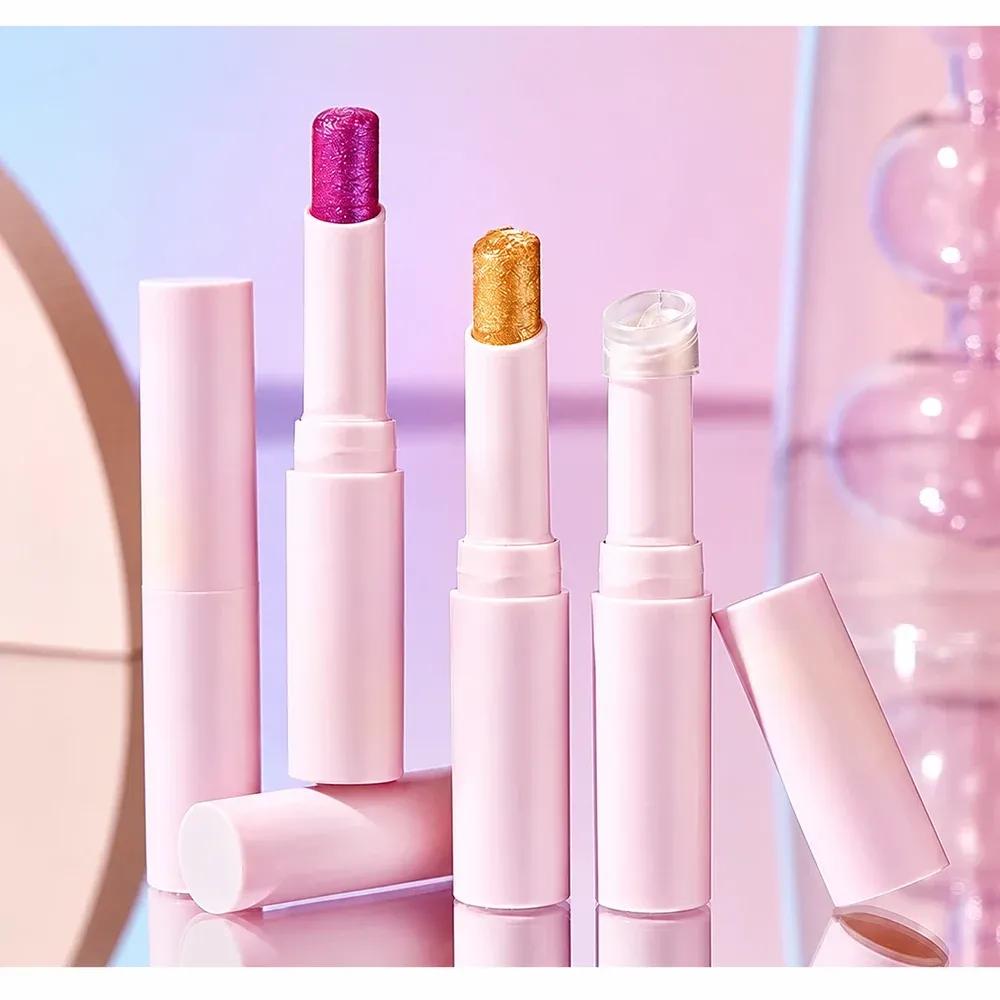
Our highlighter is a water-based jelly highlighter stick in 3 g.
The jelly format is a deliberate positioning choice, and it matters because it decides both how the product behaves and who it is for:
- Application. A stick applies directly, with no brush and no powder step — that is a convenience story you can sell.
- Texture. A water-based jelly formula melts into a silky texture on contact, which is a different sensory promise from a pressed powder.
- Finish behaviour. Our highlighter sets to a pearlescent, weightless finish rather than a powdery one — a light-reflective look rather than a matte highlight.
If your positioning depends on a no-brush, no-powder routine, the format is doing real work in your product story.
Net content and shade count
Our highlighter is supplied at 3 g, in 6 colours.
Two notes on these numbers:
1. A 3 g stick is a considered purchase, not a trial. Decide whether you want a smaller unit for discovery before you lock the fill.
2. The shade count sets your assortment, not just your SKU list. Six colours for face and eye contouring means six decisions about which shades your market will actually reorder. A narrower launch set is usually the safer first run.
Finish and use
Our highlighter is positioned with a pearlescent, weightless finish, for face and eye contouring.
Multi-use positioning is worth noting: face and eye use from one SKU means the product serves two routine steps, which supports a higher price point than a single-use product. It also means the claim set has to hold up for both uses in your market.
Wear claims: the field that needs care
Our highlighter carries a stated wear claim of up to 24 hours, waterproof and sweat-resistant.
Here is the part most buyers get wrong: that is a stated product characteristic from the supplier, not a claim you can automatically repeat in every market.
How to handle a wear claim responsibly
1. Treat it as a stated characteristic, not a verified one. Our own product guidance on this SKU is explicit: confirm the 24-hour and waterproof claims before repeating them in regulated markets.
2. Check your market's rules. Cosmetic claim thresholds differ by destination. A claim that is acceptable in one market can be a compliance problem in another.
3. Consider whether the claim is necessary. If your positioning is about finish and convenience rather than longevity, you may not need a long-wear claim at all — and dropping it removes a compliance question entirely.
4. Document what you can support. Whichever claim you carry, you should be able to produce the evidence behind it for your market.
The general principle for highlighter and any long-wear cosmetic: decide the claim set deliberately, in writing, before the label is printed.
Where a highlighter sits in a face range
A highlighter is usually an add-on rather than a core product, and that shapes how you source it.
Core face products — foundation, cream and blush carry the routine. These are the SKUs your customer buys repeatedly.
Highlighter — a finishing step that lifts the range's visual story and supports a higher price point per unit, but usually with a slower reorder rate than a core product.
Multi-use colour — products positioned across two routine steps, which is where our face-and-eye contouring direction sits.
ZONO supplies across that range. Alongside the 3 g highlighter stick, our face range includes a colour changing foundation stick in 13 g with a built-in blending brush across Ivory, Natural and Deep shade options, and cream blush and contour directions.
Labelling and language
Our highlighter carries English packaging. If your market needs another language or a different label format, raise it at the brief stage — like any claim question, it is cheaper to settle before printing than after.
How to brief a highlighter project
Send six items:
1. Format — stick, cream, liquid or powder.
2. Net content you are targeting.
3. Shade count and which shades for your launch set.
4. Finish direction and the uses you want it positioned for.
5. Wear claims you intend to carry, and whether you can document them.
6. Target market, labelling language and quantity range.
MOQ, sample cost and lead time are confirmed for the specific project.
Frequently Asked Questions
What format is this highlighter?
A water-based jelly highlighter stick. The jelly formula melts into a silky texture on contact and sets to a pearlescent, weightless finish — it is a no-brush, no-powder application.
What is the net content and shade count?
3 g per stick, in 6 colours.
What is it used for?
Face and eye contouring. Multi-use positioning means one SKU serves two routine steps, which supports a higher price point than a single-use product.
Can I claim 24-hour wear and waterproof?
Carefully. Our product guidance on this SKU is to confirm the 24-hour and waterproof claims before repeating them in regulated markets — treat them as stated characteristics rather than verified ones, and check what your destination permits.
Should I carry a long-wear claim at all?
It depends on your positioning. If your story is finish and convenience rather than longevity, dropping the wear claim removes a compliance question entirely. If you carry it, be able to document it for your market.
Can the shades or fill be changed?
Shade count and fill are project-specific. Bring the launch set you are planning and the market you are selling into, and we will confirm what is workable for the configuration.
Can it be private labelled?
Yes. ZONO is a private-label and OEM/ODM cosmetics partner, and packaging, logo and outer-box directions can be reviewed for the selected configuration. Our current highlighter is supplied with English packaging.
Do you provide certifications?
Certification scope depends on the product and the destination market, and documentation is available upon request for the specific project. Final compliance and labelling responsibility stays with the brand owner or your appointed responsible person in the target market.
Conclusion
A highlighter brief is five fields: format, net content, shade count, finish, and the wear claims you intend to carry. Settle the first four and the product is scoped. Settle the fifth deliberately and you avoid the most common compliance problem in this category — a longevity claim you cannot document for the market you are selling into.
Send us the format, the fill, your shade plan and your target market, and we will confirm the route in writing.