Sep 25, 2026Startup & Private Label Guides
Private Label Hair Serum: Specifying a Capsule Hair Care Format
How to spec a private label hair serum capsule: dose format, count, hair-type listing, and the oils and actives named on the label.
What defines a hair serum specification?
Four fields carry a hair serum project: the dose format, the capsule count, the hair type it is listed for, and the oils and actives named on the label. Lock those four and a quote becomes comparable.
Hair care is also where a buyer's assumptions most often go unexamined — a hair product is not a facial serum with a different label, and the specification should reflect that.
The dose format: capsules instead of a bottle
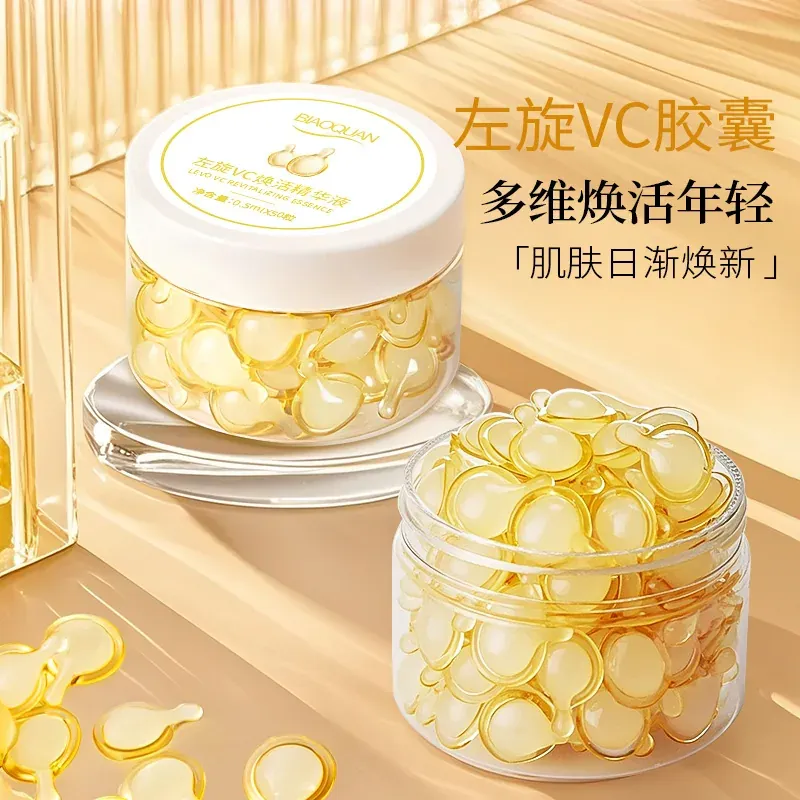
Our hair care direction is supplied as capsules rather than a pump or dropper bottle, and that changes what you are buying.
A 40-count bottle holds 40 individual doses of 1 ml. A 0.5 ml capsule variant is also available, which gives you a second price point and a second dose size from the same product direction without reformulating anything.
Why the dose format matters for hair care
Hair oils and essences are typically applied in larger amounts than a facial serum, so the dose size is not a detail — it is the field that decides how long a pack lasts and therefore how often your customer reorders.
A 1 ml dose and a 0.5 ml dose from the same formula are two different products to a customer, and both can sit in one range at two price points. Lock the dose before you lock anything else.
Capsule count and the price ladder
Count is the second field. Our current hair care format is 40 capsules per bottle.
The count sets the price ladder in the same way it does for facial capsules: a range can hold a smaller count as a trial or travel unit and a larger count as the standard purchase, without touching the formula.
Hair type listing
A hair-type listing is a label statement, and it should be specific enough to be useful. Our hair care capsules are specifically listed for dry and damaged hair.
That is narrower than "for all hair types" — deliberately. A narrow listing tells your customer whether the product is for them, and it tells you which competitor product you are actually positioned against. If your market needs a broader listing, that is a positioning decision to make before the label is written.
What is named on the label
The ingredient story is where a hair serum earns its price, and our own label names a specific set rather than a vague blend.
Plant oils listed
Four: olive fruit, jojoba seed, sweet almond and camellia japonica seed.
These are named oils, not a "plant oil complex" — each one can be checked against the documentation behind the formula.
Other listed ingredients
Panax ginseng extract, vitamins A, C and E, and pro-vitamin B5.
Benefits listed
Our hair care capsules list three benefits: smooths frizz, repairs dry and damaged strands, and a light non-greasy feel.
Note the third one. For a hair oil, texture is a purchase decision as much as efficacy — a heavy oil and a light oil serve different customers, and stating the feel on the label is how you signal which one you are.
Labelling and export readiness
Our hair care capsules are supplied with English labelling, which suits cross-border and export-oriented ranges.
If your destination market needs another language or a different label format, raise it at the brief stage. Relabelling before production is an artwork cost; relabelling after production is a rework cost.
Where a hair serum sits in a personal care range
Hair care usually extends a skincare brand rather than starting one, and that shapes how you source it.
Skincare is typically the core: serums, capsules and masks that carry the brand's ingredient story.
Hair care extends the same customer into a second routine step, which is why a capsule hair format often suits a brand already selling capsule skincare — the format is familiar to their customer, and the look sits alongside the existing range.
ZONO supplies both ends. Alongside the 40-count hair care capsules, our range includes a 30 ml face essence, a 100 ml facial serum available in glass or plastic, fullerene and vitamin E facial capsules, and a 30 g tone-up cream. They are scoped as separate projects because the fill, the dose and the claim scrutiny differ by format.
How to brief a hair serum project
Send five items:
1. Dose format — capsule, and the dose volume you want.
2. Capsule count per pack.
3. Hair type you intend to list.
4. Oils and actives you want named, and the benefits you intend to state.
5. Target market, labelling language and quantity range.
MOQ, sample cost and lead time are confirmed for the specific project.
Frequently Asked Questions
What format is this hair serum supplied in?
As capsules rather than a bottle — our current format is 40 capsules per bottle, in a 1 ml standard dose with a 0.5 ml variant also available.
How many capsules are in a pack?
40 capsules per bottle.
What dose sizes are available?
A 1 ml standard capsule, with a 0.5 ml capsule variant also available.
Which hair type is it listed for?
Dry and damaged hair. A hair-type listing is a label statement, so confirm that the listing matches the formula documentation you can produce for your market.
What oils and ingredients are named on the label?
The label names olive fruit, jojoba seed, sweet almond and camellia japonica seed oils, together with panax ginseng extract, vitamins A, C and E and pro-vitamin B5.
What benefits are listed?
Smooths frizz, repairs dry and damaged strands, and a light non-greasy feel. The texture statement matters for a hair oil, because a heavy oil and a light oil serve different customers.
Is the packaging export-ready?
Yes — our hair care capsules are supplied with English labelling. If your destination market needs another language or label format, raise it at the brief stage so it is an artwork cost rather than a rework cost.
Do you provide certifications?
Certification scope depends on the product and the destination market, and documentation is available upon request for the specific project. Final compliance and labelling responsibility stays with the brand owner or your appointed responsible person in the target market.
Conclusion
A hair serum brief is four fields: dose format, capsule count, hair-type listing, and the oils and actives you name. Lock those and quotes become comparable — then let the texture statement do the positioning work, because for a hair oil the feel is part of what the customer is buying.
Send us the dose, the count, the hair type and the ingredient direction you have in mind, and we will confirm the route in writing.