Sep 25, 2026Startup & Private Label Guides
Face Serum Sourcing: Bottle or Capsule, and What to Lock First
How to brief a private label face serum: the four fields that make quotes comparable, and why bottle and capsule formats are two sourcing decisions, not substitutes.
What should I settle before quoting a private label face serum?
Four fields decide the quote: the format, the fill or dose, the ingredients named on the label, and the functions listed. Settle those and two quotes describe the same product. Leave them open and you will compare a 30 ml bottle against a 60-count capsule box as if they were interchangeable.
They are not interchangeable. Format is a positioning decision before it is a sourcing one.
The format decision: bottle or capsule
Our own range carries both, and the difference is worth understanding before you brief a supplier.
Bottled serum
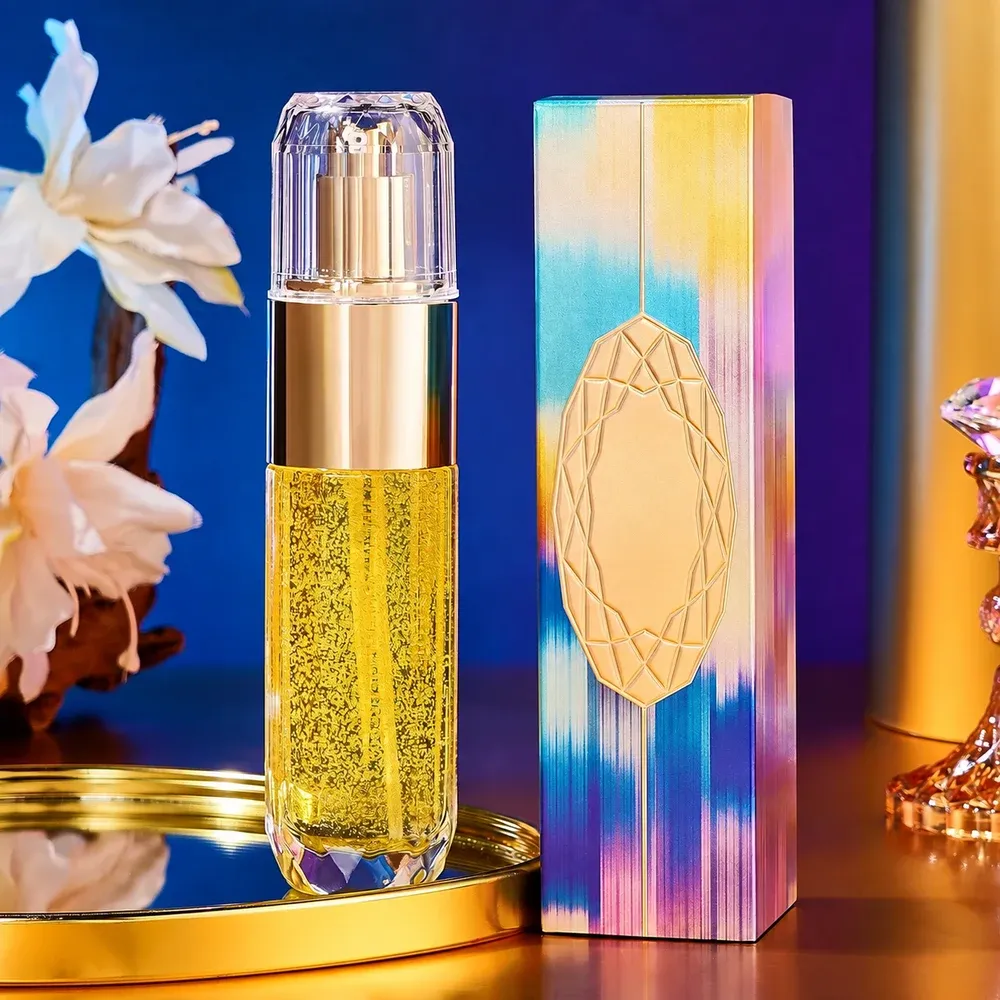
A bottle gives you a visible fill volume and a dispensing experience the user controls. Our current bottled direction includes a 30 ml essence carrying vitamin C, arbutin and niacinamide, and a 100 ml ginseng gold serum available in either a glass or plastic bottle.
Choose a bottle when your positioning depends on a texture the user dispenses themselves, a pump or dropper presentation, or a volume-led value message — 30 ml and 100 ml are two different value stories for the same shelf slot.
Capsule serum
A capsule is a dose format. It gives you a fixed amount the user cannot over-apply, a travel-friendly unit, and a count-based price ladder you can extend without reformulating. Our capsule range currently runs 30, 50 and 60 counts across fullerene, L-ascorbic vitamin C, vitamin E and rose concentrated essence oil, plus a 40-count hair care format in 1 ml doses.
Choose capsules when the dose itself is part of the promise, or when you want two price points from one formula by changing only the count.
Why they are two sourcing decisions
A capsule line does not compete with your bottle line — it complements it. But they are scoped separately, because the fill, the component, the freight logic and the claim scrutiny all differ. Locking one format is not a decision about the other.
What goes on the label: ingredients and functions
This is where serum projects get scrutinised hardest, and the discipline is to name only what you can document.
Ingredients named
Our own products name ingredients rather than implying them:
- 30 ml essence: vitamin C, arbutin and niacinamide
- 100 ml ginseng serum: ginseng root extract, gold essence blend, polypeptide essence
- Fullerene capsules: fullerene essence, 30 per box
- L-ascorbic capsules: L-ascorbic vitamin C
- Vitamin E capsules: vitamin E and panax ginseng
- Rose oil capsules: rose flower extract, olive fruit oil, centella asiatica root extract, ginseng root extract
Whatever your label names must match the formula documentation you can produce for your market. Ask for the ingredient list at the quoting stage, not after artwork is approved.
Functions listed
Our labels state functions rather than implying benefits — moisturizing, hydrating, brightening, anti-wrinkle and firming appear as listed functions on different products, and the fullerene capsules name anti-wrinkle, firming and moisturizing.
Two practical rules:
1. Let your market set the ceiling. Cosmetic claim thresholds differ by destination. Keep stronger wording out unless your market permits it and you can document it.
2. Keep the function set consistent across a range. A range where each SKU claims a different function list reads as unrelated products rather than one line.
Skin-type listings
A skin-type listing is a label statement, not marketing copy. Our current serum products list different combinations — the 30 ml essence covers neutral, oily, dry, sensitive and combination; the fullerene capsules cover oily, dry, sensitive and combination; the 100 ml serum is listed with English labelling as a facial serum.
Confirm that the listing matches the formula documentation you can produce, and keep it consistent across the range if you are launching more than one SKU.
Shelf life and carton planning
Shelf life and packing data are confirmed per product, and both affect your order planning.
- Shelf life. The fullerene capsules and the 30 g cream carry a 3-year shelf life. Shelf life should cap how much you order at once, because stock that cannot sell through inside the window becomes a loss rather than a discount.
- Carton data. Confirm the units per carton before you finalise a quantity. Our fullerene capsules are packed 140 boxes per carton at 48 × 30 × 20 cm — that one line changes your freight calculation more than the unit price does.
How to brief a serum project
Send five things:
1. Format — bottle or capsule, and why.
2. Fill or dose — ml per bottle, or count and dose volume per box.
3. Ingredient direction and the functions you intend to list.
4. Target market and labelling language.
5. Quantity range and packaging direction.
MOQ, sample cost and lead time are confirmed for the specific project, so those five items are what let us come back with a route rather than a question.
Frequently Asked Questions
Should I launch a bottled serum or capsules first?
It depends on your positioning. A bottle gives a visible fill and a user-dispensed texture; capsules give a fixed dose and a count-based price ladder. Our range carries both, and they are scoped as separate projects rather than as substitutes.
What counts and fills are available?
Capsules currently run 30, 50 and 60 counts across fullerene, L-ascorbic vitamin C, vitamin E and rose concentrated essence oil, plus a 40-count hair care format in 1 ml doses with a 0.5 ml variant also available. Bottled directions include a 30 ml essence and a 100 ml serum available in glass or plastic.
Can I name ingredients like vitamin C or niacinamide on the label?
Yes — our own 30 ml essence names vitamin C, arbutin and niacinamide. Whatever you name must match the documentation you can produce for your market, so request the ingredient list before artwork is finalised.
What functions can be listed?
Our products state functions such as moisturizing, hydrating, brightening, anti-wrinkle and firming. Claim thresholds differ by market, so confirm what your destination permits before the label is written.
What skin types can a serum be listed for?
Our products list different combinations — neutral, oily, dry, sensitive and combination on the 30 ml essence, and oily, dry, sensitive and combination on the fullerene capsules. Confirm the listing against the formula documentation you can produce.
How long is shelf life?
Shelf life is documented per product — the fullerene capsules carry a 3-year shelf life. Confirm shelf life and storage conditions for the specific formula you are planning.
Can you help with carton and freight planning?
Yes. Ask for the carton configuration with your quote — units per carton and carton dimensions are the inputs that drive a landed-cost calculation, and we confirm them for the specific product.
Do you provide certifications?
Certification scope depends on the product and the destination market, and documentation is available upon request for the specific project. Final compliance and labelling responsibility stays with the brand owner or your appointed responsible person in the target market.
Conclusion
A serum brief is four fields: format, fill or dose, ingredients named, and functions listed. Settle those and quotes become comparable. Then decide whether you are selling a bottle or a dose — that choice shapes the price ladder more than the formula does.
Send us the format you are considering, the fill or count, your ingredient direction and target market, and we will confirm the route in writing.
To see how a serum specification fits a full development route, review the private label makeup routes.