Press-On Nail Packaging: Boxes, Cards and Branding Decisions That Move MOQ
Packaging is where press-on margins and minimums are decided. Stock versus custom boxes, the card formats buyers actually see, and how branding changes each minimum.
Two press-on sets with identical nails can sit at very different price points on a shelf, and the difference is usually not the nails. It is the box, the card, the insert and the print. Packaging is where the perceived value of a press-on set is manufactured, and it is also where the minimum order quietly doubles if it is not planned.1
Treat packaging as its own product decision with its own minimum, its own lead time and its own quotation line. Brands that blend packaging into the nail order discover the real MOQ after production, which is the most expensive possible moment to learn it.
This guide walks the formats, the stock-versus-custom decision, and the branding moves that change minimums line by line.
The Formats Buyers Actually See
Press-on packaging lives in four layers. The tray holds and presents the set. The box carries the brand and the age or material text your market expects. The card, a backing or instruction card, carries application steps and sizing. The mailer protects the parcel. Retail buyers judge the first three; courier scanners judge the fourth. A set can be premium in a simple tray-and-card format, and it can look cheap in an expensive box with sloppy print, which is why print quality belongs in the approval check.
| Layer | Job it does | Decision that moves MOQ |
|---|---|---|
| Tray | Presents and holds the ten tips | Custom tray tooling vs stock tray sizes |
| Box | Brand carrier; carries required text | Custom print from 300 sets vs stock box |
| Card | Instructions, sizing, brand story | Stock card with sticker vs custom printed card |
| Mailer | Transit protection | Stock mailers; branding here rarely pays |
Stock Versus Custom: The Real Decision Rule
The rule that works: customise packaging when the box itself is part of the product promise, and stay on stock packaging while the nails are still proving sell-through. For press-on nails, custom boxes and branded packaging start from 300 sets, which sits above the 50-set stock mixes. That gap is deliberate: it prices the packaging decision at the point where a brand has evidence.
There is a middle path most retailers miss: stock box with custom elements. A stock structure with a branded sleeve or a quality sticker reaches a branded look at a fraction of custom tooling, and it moves at stock-packaging minimums. Ask what the stock structures are before assuming custom is the only branded option.
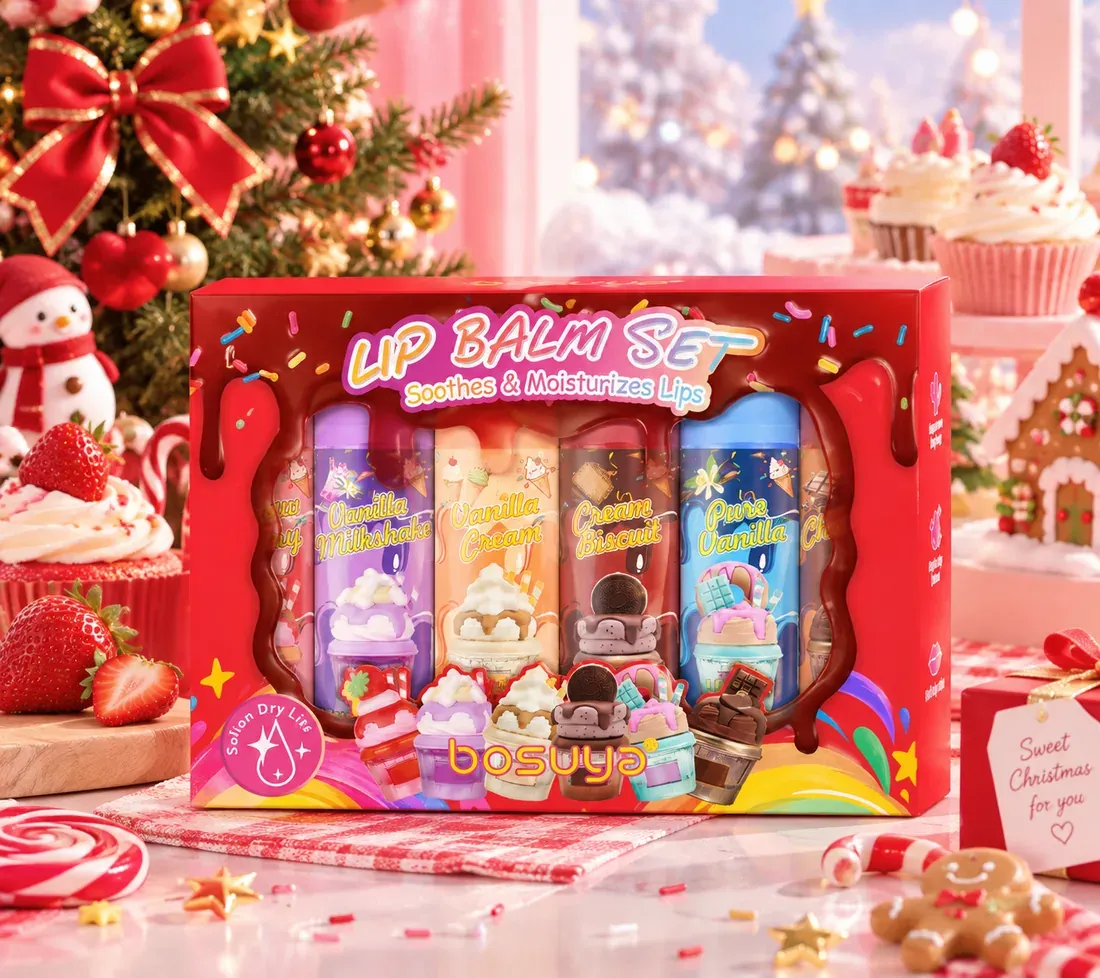
The cheapest branded packaging is a stock box with a well-printed sleeve; the most expensive is custom tooling for a design that changes twice. Match packaging commitment to the same evidence curve as the product itself.
Branding Moves, Line by Line
Branding is not one decision, it is a stack: logo print, foil or hot stamp, colour matching, insert design and text compliance. Each line carries its own minimum and its own setup cost, and each is quoted separately. The practical sequence for a first branded run: logo print on a stock box first, hot stamp once the line proves, full custom structure last. Compliance text belongs in the stack from day one: whatever your market requires on cosmetic packaging must survive every packaging change.234
The Packaging Approval Check
Packaging earns its own approval step, run on pre-production samples before the full run mounts. The check is four looks. Structure: the box assembles cleanly, the tray holds the set without rattling, the card sits without bowing. Print: registration sharp at the edges, colour matching the approved proof, finish consistent across the sheet. Text: the compliance copy your market requires is present, spelled correctly and readable at final size. Assembly: a packer can build one unit in a sensible time, because assembly minutes multiply across every set you ship.
- Photograph the approval sample beside the approved proof, in the same light
- Check print on both the flat sheet and the folded box; folding hides registration faults
- Read every text line at arm's length, the distance a shopper actually stands at
- Build three units end to end; assembly friction shows up by the third box
- Keep the signed sample beside the production order it approves
The approval sample then becomes the reference for every reorder. When a reprint drifts, the comparison is against a physical object both sides agreed on, which settles the conversation in one email instead of a debate about memory. This is the same discipline that keeps nail samples consistent across orders, applied to the object your customers actually touch first.
Approve packaging on a physical sample with both hands, not on a PDF with your eyes. Structure, print, text and assembly are all hands-on checks, and every one of them is cheaper at sample stage than as a shelf of boxes your brand has to apologise for.
A note on where packaging decisions go wrong in practice: they drift. A sleeve becomes a printed box becomes a custom structure, one trade-show conversation at a time, and the minimums ratchet up without anyone deciding they did. The fix is a packaging ledger: one document listing the current format, its minimum, its unit cost band and its lead time. Every packaging change updates the ledger before the order, which keeps the commitment visible and the drift intentional or stopped.
The ledger also answers the question that arrives at every buyer meeting: what would a lower minimum cost per unit? With the ledger in hand, the answer is a calculation against real numbers rather than a guess, and the brand can decide with its eyes open whether the premium packaging tier is worth its minimum at the current sell-through.
Sustainability language belongs in the same ledger. Packaging claims, recyclable, reduced plastic, reusable box, are product claims once they reach a listing, and they are only as safe as the documentation behind them. A brand that plans one honest packaging claim and documents it beats a brand that prints three vague ones, and the EU packaging rules that shape the destination market apply to beauty e-commerce the same as any other category selling into it.
Finally, plan the unboxing on purpose rather than by accident: the order the buyer meets, box, seal, tray, card, first tip, is a designed sequence or a lucky one. The brands that rehearse it once at sample stage end up with a repeatable moment their customers film, and the filming is the marketing budget nobody had to approve.
Send ZONO Beauty your quantity, your branding assets and the formats you are considering, and we will return a packaging quotation with each minimum listed line by line.
Request a packaging quotationFrequently Asked Questions
What is the minimum for custom press-on nail boxes?
Custom boxes and branded packaging start from 300 sets. Stock packaging moves at the stock mix minimum of 50 sets total, which is what makes the stock-to-custom step a decision you can take on evidence rather than on hope.
Can we brand stock packaging instead of going custom?
Yes. Sleeves, stickers and logo print on stock structures reach a branded look at lower minimums, and they can bridge to full custom once the line proves.
Does packaging extend the lead time?
Custom print adds production steps after structure is confirmed. Ask for the packaging timeline beside the nail timeline so the launch date is planned on the slower of the two.
What belongs on the box for compliance?
Whatever your destination market requires for the product inside: the exact text differs by market and by product type, and it is confirmed with the supplier before print rather than discovered after it.
Can packaging be upgraded later without reordering the nails?
Yes, and the ledger makes it clean: packaging changes are their own order with their own minimum, so the box can step up from stock to sleeved to custom as the line proves, while the nail styles stay untouched the whole way.
And when the day comes to move to custom structure, the ledger and the approval habit travel with it: the same line-by-line quotation, the same sample-first approval, the same physical reference beside the order. Brands that practise those two habits on stock packaging find the custom step uneventful, which is exactly what a packaging upgrade should feel like, and exactly what the 300-set minimum is calibrated to reward.
Conclusion
Packaging decides both the price a set commands and the minimum it commands it at. Quote it separately, brand it on the evidence curve, and the box becomes the margin, not the surprise.