Reinforcement, Charms and Colour Work: How Press-On Nail Add-Ons Change Your Quote
Buyers keep asking whether reinforcement is optional and how charms or colour work are priced per set. What counts as an add-on, why pricing runs per design, and how to ask for a complete quote.

Two questions keep appearing in press-on nail enquiries, almost word for word. Is reinforcement optional, and how is it priced per set? And can we get a fixed price for a base design, with colour work and charms added?
Both questions are good sourcing. They recognise that a press-on nail set is not one product with one price, it is a base build plus a list of optional layers, each with its own labour, materials and failure modes. Suppliers who answer them precisely get shorter negotiations and cleaner reorders. This guide covers what counts as an add-on, why add-on pricing runs per design rather than per set across the board, and the enquiry format that gets every add-on priced in one pass.
What Counts as an Add-On
The base build is the set itself: the material, the shape, the length and the base colour work. Everything layered on that is an add-on, and the common four are worth naming because they price differently.
Reinforcement, an extra strengthening layer or structure that changes how the set handles daily wear. It adds material and a working step, and it interacts with the base material: reinforcement options differ between the material families compared in the press-on nail material guide.
Charms and 3D decorations, applied pieces, from a single charm to full hand-placed 3D work. Each charm is picked and placed by hand, so the price driver is the count and complexity per set.
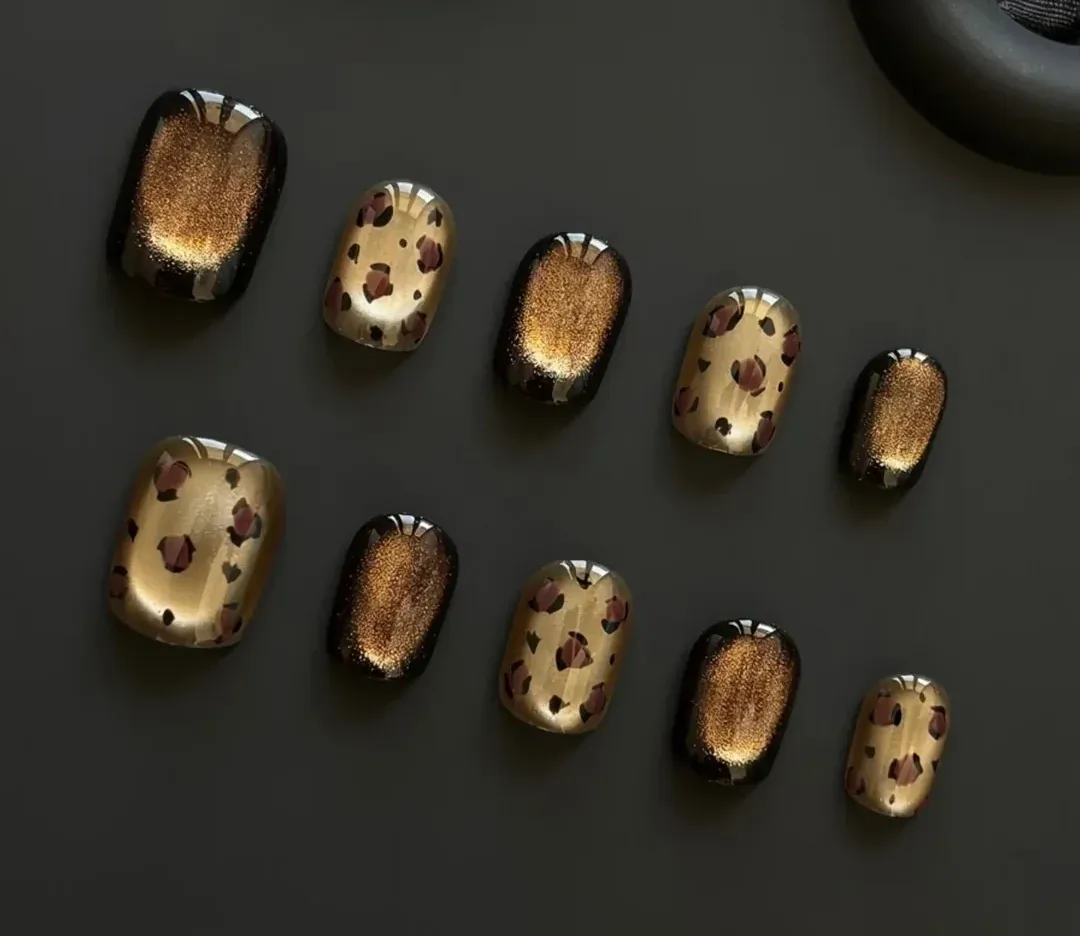
Colour work beyond the base, gradients, dual tones, hand-painted detail. A second colour is not twice a base colour; it is a separate working pass with its own time.
Packing upgrades, branded boxes, cards or individual wrapping. These change the packing line and the carton, not the nails.
How to choose: list the add-ons per design in your enquiry, not as a general preference. "Charms on two accent nails of every set" prices cleanly; "some charms somewhere" does not.
Why Add-On Pricing Runs Per Design
The per-set price of a press-on nail is driven by labour minutes, and add-ons are where the minutes multiply, differently for every design.
A charm on two accent nails adds minutes to one pattern. The same charm across all ten pieces changes the pattern entirely. A dual-colour pass doubles a working step on one design and barely registers on another. Reinforcement interacts with shape and length. This is why suppliers hesitate at a flat add-on price list: the honest answer depends on the design the add-ons sit on.
It is also why the quote should come back with add-ons as separate lines per design. A single blended price hides which add-on is driving the cost, and at reorder time, the design that drops an add-on should see the price move, which a blended quote cannot show.
How to choose: ask for the quotation with the base build and each add-on on its own line, per design. The separation costs the supplier nothing and saves both sides a renegotiation at reorder.
How to Ask So the Quote Comes Back Complete
The enquiry format is simple, and it mirrors how the production team will actually plan the work.
For each design: the base specification, material, shape, length, base colour, then each add-on with its placement and count. "Reinforcement on all pieces." "Charms on accent nails, two per set, gold star design." "Dual-colour gradient on index and middle." Then the two quantities that make the quote real: the total order quantity and the quantity per design.
Close with the three context details: destination market, packing preference, and the target date. None of them change the add-on pricing, but all three change the quotation, freight, packing and production scheduling live on those numbers, and the article on keeping bulk consistent with approved samples explains how the same details carry into the production check.
When to use: send this format on the first enquiry. An add-on list that arrives complete gets a complete quotation; an add-on list that arrives in fragments gets a quotation that will be revised.
What Belongs in the Quotation
A complete add-on quotation has one line per add-on, per design, and a few confirmations that buyers forget to request.
Each add-on line should state whether it is optional, and how it is priced: included in the base, priced per set, or priced per design as a setup. Reinforcement is the line buyers most often assume is included; confirm it explicitly. The packing upgrade should be quoted against the actual box and card specification, not as a generic upgrade.
Then confirm the interaction effects in writing: does reinforcement change the recommended length or shape; do charms affect packing (a raised charm changes how sets nest in a box); does dual-colour work alter the sampling requirement. Two lines of confirmation here prevent the rework described in the bulk-consistency guide, the approved sample must carry every add-on the quotation priced.
How to choose: if an add-on matters to your listing, it belongs in the quotation as a line, not in a conversation as an idea.
When Add-Ons Are Worth It
Add-ons are a retail decision before they are a production decision. Charms and colour work lift the perceived tier of a set; reinforcement supports a durability promise; packing upgrades support a gift positioning.
The check is the same on every design: does the retail price your channel carries support the added cost, at the quantity you are ordering? An add-on that lifts the perceived tier also lifts the price you can ask, but only if the design carries it well. A premium add-on on an entry-tier base is the mismatch that reads as "expensive but cheap", and the review section of your listing will say so before your margin does.
How to choose: price the add-ons per design first, then decide per design whether the retail story supports them. The decision is per design because the cost is per design.
An add-on is a listing decision as much as a production decision. Price it per design first, then decide whether the retail story supports it, and let the reorder data tell you which add-ons your market actually pays for.
Send the base design, the add-on list with placement per design, and the quantities, and we will return the quotation with every add-on on its own line. We coordinate it with the long-term manufacturing suppliers behind your [press-on nail programme](/press-on-nails).
Price your add-onsFrequently Asked Questions
Is reinforcement included in a press-on nail set, or is it an add-on?
It varies by supplier and by design, which is why it should be confirmed as a line in the quotation. Ask whether reinforcement is available on your chosen material and shape, and how it is priced per set.
How are charms priced in a wholesale order?
Usually per set, based on the charm count and placement complexity of the design. "Two charms per set on accent nails" prices differently from full coverage, state the placement and the count per design.
Can I get one price for a base design with colour work and charms added?
Yes, as a per-design quotation with each add-on on its own line. A single blended number hides which element drives the cost and makes the reorder price impossible to predict.
Do add-ons change the sampling requirement?
They can. Charms, reinforcement and colour work should all appear on the approved sample, and the sample is the reference the bulk is checked against. An add-on missing from the sample is a dispute waiting for production.
Do packing upgrades count as add-ons?
They change the packing line and the carton rather than the nails, but they belong in the quotation all the same, quoted against the actual box, card and wrapping specification per set.
Which add-on should a first order test first?
The one your customers ask about most. Add-ons are a listing decision as much as a production one, and the reorder data will tell you which add-on your market actually pays for.
Conclusion
Add-ons are where press-on nail quotes are won and lost: named per design, priced on separate lines, and carried onto the approved sample. Do that, and the reorder prices itself.