Sep 14, 2026Products, Packaging & Formula
How to Choose a Safer Payment Method When Sourcing Press-On Nails from China?
Choose a safer payment method for press-on nails from China: use 30/70 deposit terms, Trade Assurance, or PayPal based on order size to avoid losses.
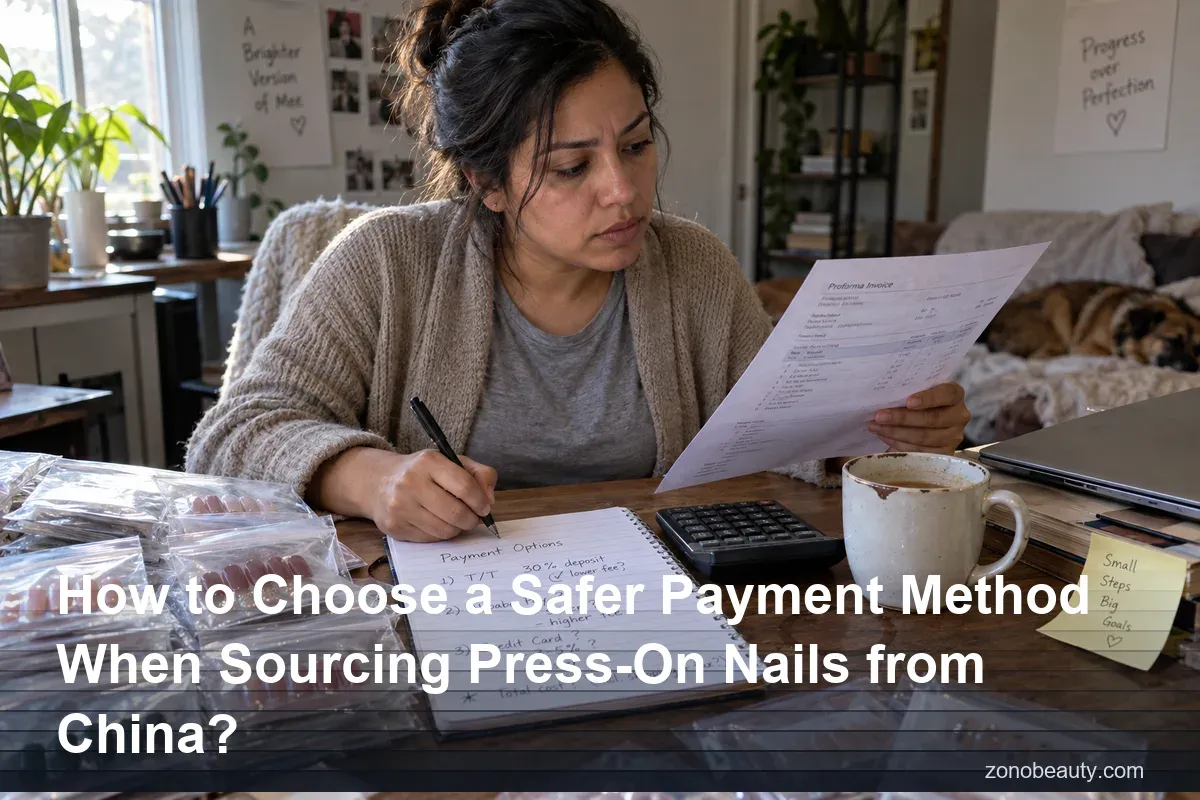
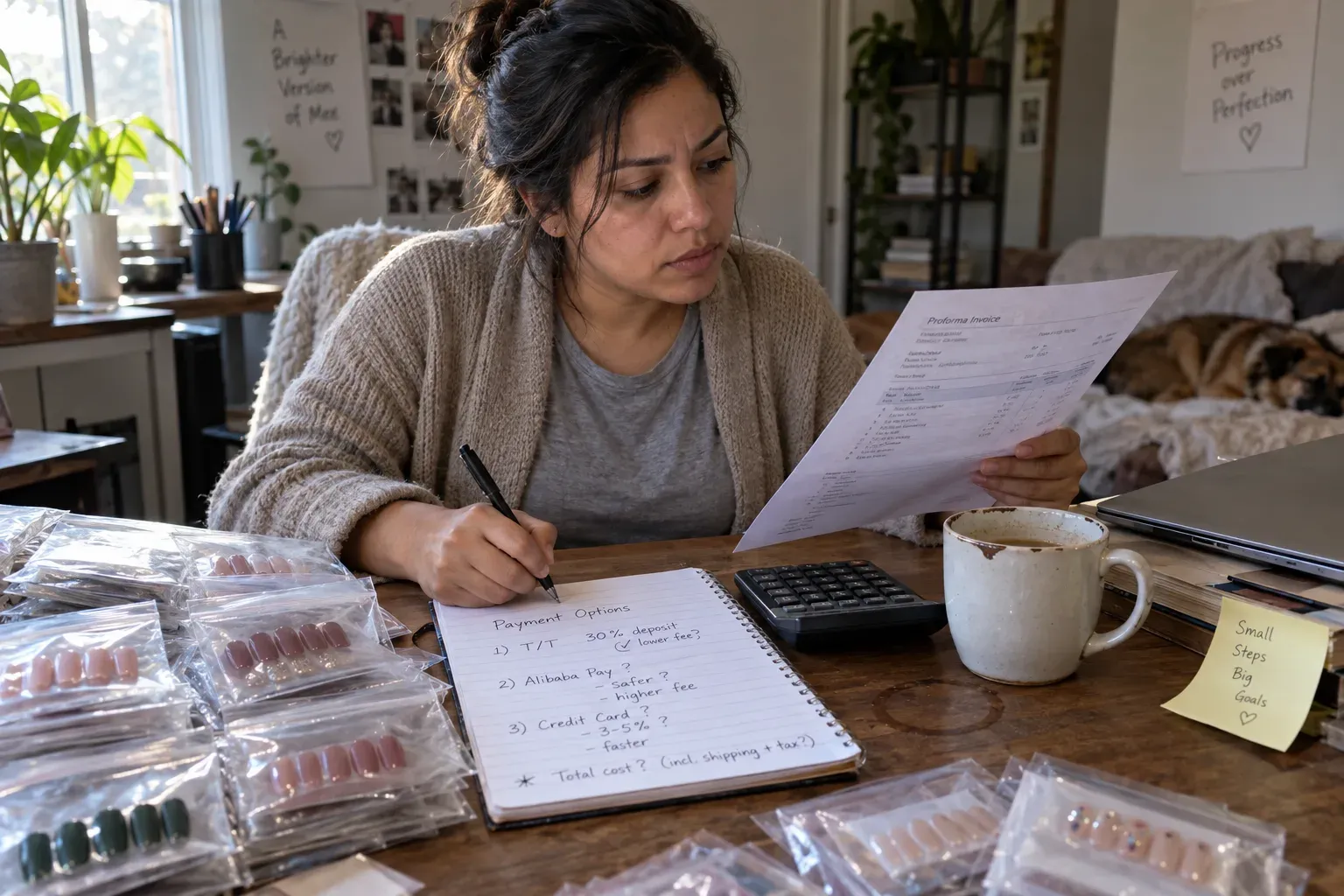
Choosing a safer payment method 1 when sourcing press-on nails from China keeps our coordination team busy weekly. One wrong wire, and a buyer's launch budget disappears with a silent supplier.
The safest payment method depends on order size and supplier trust. Use Alibaba Trade Assurance or escrow for first orders, PayPal for samples, a staged 30/70 Telegraphic Transfer after supplier verification, and a Letter of Credit for large orders where bank-backed protection justifies the cost.
The right method changes as your relationship with a supplier grows. There is no single answer that fits every order. Below, I walk through deposit structures, protected payment channels, supplier verification, and inspection-linked balance payments, step by step.
ZONO confirmed terms (for reference)
- Sample sets: US$15 per set, credited against your first bulk order.
- Bulk production: around US$7 per set, quoted per design.
- Minimum order quantity: 50 sets per design.
- Compliance documentation: available upon request; final compliance responsibility rests with the brand owner.
- Markets served: Southeast Asia, North America, and South America.
Any other figures in this article are general industry context, not a ZONO quotation. Confirm current terms in writing before ordering.
How do I decide between a deposit and balance payment structure to avoid losing money on unmatched samples?
A nail brand buyer once emailed us in a panic. She had wired full payment for handmade press-on nails, and the bulk goods looked nothing like her approved sample.
Pay a 30% deposit and hold 70% until after a pre-shipment inspection confirms bulk goods match your approved sample. Never pay 100% upfront to a new supplier. Tie every milestone to written terms on the proforma invoice so unmatched samples cost you the deposit at most.
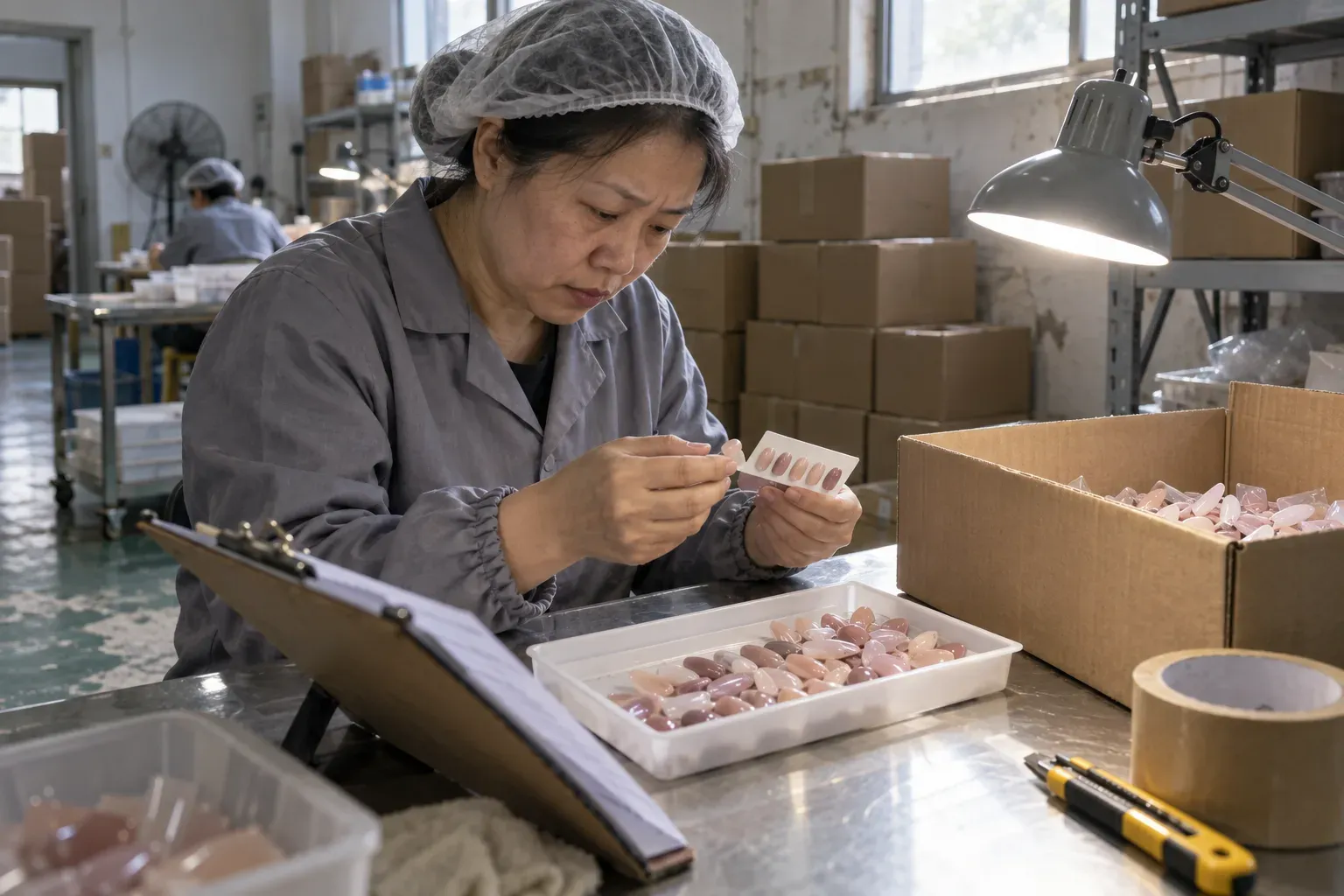
The logic behind <a href="https://iccwbo.org/" target="_blank" rel="noopener noreferrer">staged payments</a> <sup id="ref-2"><a href="#footnote-2" class="footnote-ref">2</a></sup> is simple. Your deposit funds materials and production. Your balance is your leverage. Once you pay everything, you have no leverage left. That buyer I mentioned had none, and the supplier stopped answering. When we stepped in to coordinate her next order through a vetted production team, we rebuilt her terms around milestones from day one.
Why 30/70 Beats Full Prepayment
A 30% deposit is fair to both sides. Custom press-on nail designs are hard for a supplier to resell, so they carry real risk too. The 70% balance, released only after inspection, keeps quality on their mind through the whole run. A 50/50 split can work with a trusted partner, but for a new relationship, the smaller deposit caps your worst-case loss.
Match the Structure to the Order Size
Order Value | Recommended Structure |
|---|---|
Under $500 | PayPal or Alibaba Trade Assurance, paid in full through the protected channel |
$500–$5,000 | Trade Assurance with confirmed shipping and product terms |
$5,000–$50,000 | Trade Assurance, or 30/70 Telegraphic Transfer (T/T) after verification |
Above $200,000 | Letter of Credit, where the bank guarantee justifies the paperwork |
Put the Approved Sample in Writing
Reference the signed sample on the proforma invoice. State that the balance releases only when bulk goods match it in shape, color, finish, and packaging fit. Vague terms lose disputes. Written terms win them.
✔ A 30% deposit caps your maximum loss while the 70% balance keeps quality leverage on your side TrueIf bulk goods fail to match the approved sample, your exposure is limited to the deposit, and the supplier still has a strong financial reason to fix problems before shipment.✘ Accepting a large discount in exchange for 100% upfront payment saves money on a first order FalseUnusually large discounts for full prepayment are a classic fraud warning sign; you trade away all leverage and legal recourse for a small saving.
What payment methods are actually safer than a straight bank transfer when I'm paying a new Chinese nail supplier?
Speed and safety pull in opposite directions in export payments. Over ten years coordinating China supply chains, we have watched buyers pick fast transfers and regret it.
Alibaba Trade Assurance, third-party escrow services, PayPal for samples, and a Letter of Credit for bulk orders are all safer than a plain bank transfer. Each holds or conditions funds until agreed terms are met, giving you dispute pathways a Telegraphic Transfer cannot offer.

A plain wire has one weakness: once the money leaves your account, it is gone. There is no built-in dispute process. That is why protected channels matter most when the supplier is new or the press-on nail design is custom.
How the Main Options Compare
Method | Protection Level | Transaction Fees | Best Fit |
|---|---|---|---|
Alibaba Trade Assurance | Escrow-style; funds held until shipping and product terms are confirmed | Usually free for buyers; supplier pays the platform fee | First orders and trial runs |
Third-party escrow services | Funds released on agreed conditions | Moderate | First cooperation off-platform, custom orders |
PayPal | PayPal Buyer Protection plus dispute resolution | High; some factories resist it | Sample orders and small purchases |
Credit card via a secure payment gateway | Chargeback rights through your bank | Moderate to high | Small orders where recourse matters |
Telegraphic Transfer (T/T) | None once sent; safe only with staged 30/70 terms | Low | Verified suppliers, repeat orders |
Letter of Credit | Bank releases payment against verified shipping documents | Bank fees and paperwork | High-value bulk orders |
Resolving the T/T Debate
Some sourcing guides call T/T the most practical method because it is universal, fast, and cheap. Others say any direct transfer is too risky for first-time buyers. In our experience, both are right. T/T dominates wholesale trade, but it only makes sense after supplier verification and with inspection-linked milestones. It is a tool for established relationships, not introductions.
Two more practical notes. First, avoid Western Union, MoneyGram, or any transfer to a personal account; these offer no legal recourse. Second, on fees: paying in CNY through fintech platforms like Airwallex or Wise can bypass the exchange-rate buffer many factories build into USD invoices.
✔ Alibaba Trade Assurance is typically free for buyers, with the supplier covering the platform fee TrueThe escrow-style protection costs the buyer nothing extra, which is why it is widely recommended as the default channel for first orders from a new Chinese supplier.✘ PayPal Buyer Protection fully covers large custom bulk orders FalsePayPal suits samples and small transactions; its fees are high, many factories refuse it for bulk deals, and coverage for large custom B2B goods is limited in practice.
How can I verify a press-on nail supplier is legitimate before I send any payment at all?
Before we shortlist any production team in Shantou or beyond, our team pulls its business license first. Paperwork, not promises, tells us who actually receives your money.
Verify the China Business License, confirm the bank account name matches the registered company name, cross-check the proforma invoice details, video-call the facility, order paid samples, and search the company through official registries. Refuse any supplier who asks for payment to a personal account.

Supplier verification is the layer that makes every payment method work better. Even Trade Assurance cannot protect you from a middleman posing as a factory, or from a fake bank account slipped into an email. Most payment fraud we have seen in this niche happens before the money moves, not after. That is why fraud prevention starts with identity checks, not payment terms.
The Pre-Payment Verification Checklist
Step | What to Check | Red Flag |
|---|---|---|
Business License | Registered company name and business scope include manufacturing or trading of nail products | Name on the license differs from the name on quotes |
Bank Account | Account name matches the registered company name exactly | Payment requested to a personal account or a third company |
Proforma Invoice | Company name, address, and bank details match the license | Bank details changed by email mid-negotiation |
Video Call | Live walkthrough of the production floor and hand-finishing stations | Only stock photos and excuses |
Paid Samples | Quality, packaging fit, and consistency across sets | Refusal to send samples before bulk payment |
One pattern worth naming: bank details that change by email after the proforma invoice is issued. This is a common hijack scam. Always confirm new account details by video call or a separate verified channel before wiring anything.
Genuine wholesale nail vendors expect these checks. When we coordinate sourcing for overseas nail brands, legitimate vetted production network hand over documentation within a day. Hesitation, excuses, or pressure to skip verification tells you everything you need to know. Walk away before the deposit, not after.
Should I hold back my final payment until after quality inspection, and how do I set that up?
Holding back money creates tension. Suppliers want cash flow; buyers want leverage. Our coordination window sits in the middle of that negotiation on nearly every press-on nail order.
Yes. Hold the final balance until a third-party pre-shipment inspection, such as QIMA or V-Trust, passes your agreed standard. Write the inspection clause into the proforma invoice, and release the remaining 70% only against the inspection report or Bill of Lading copy.
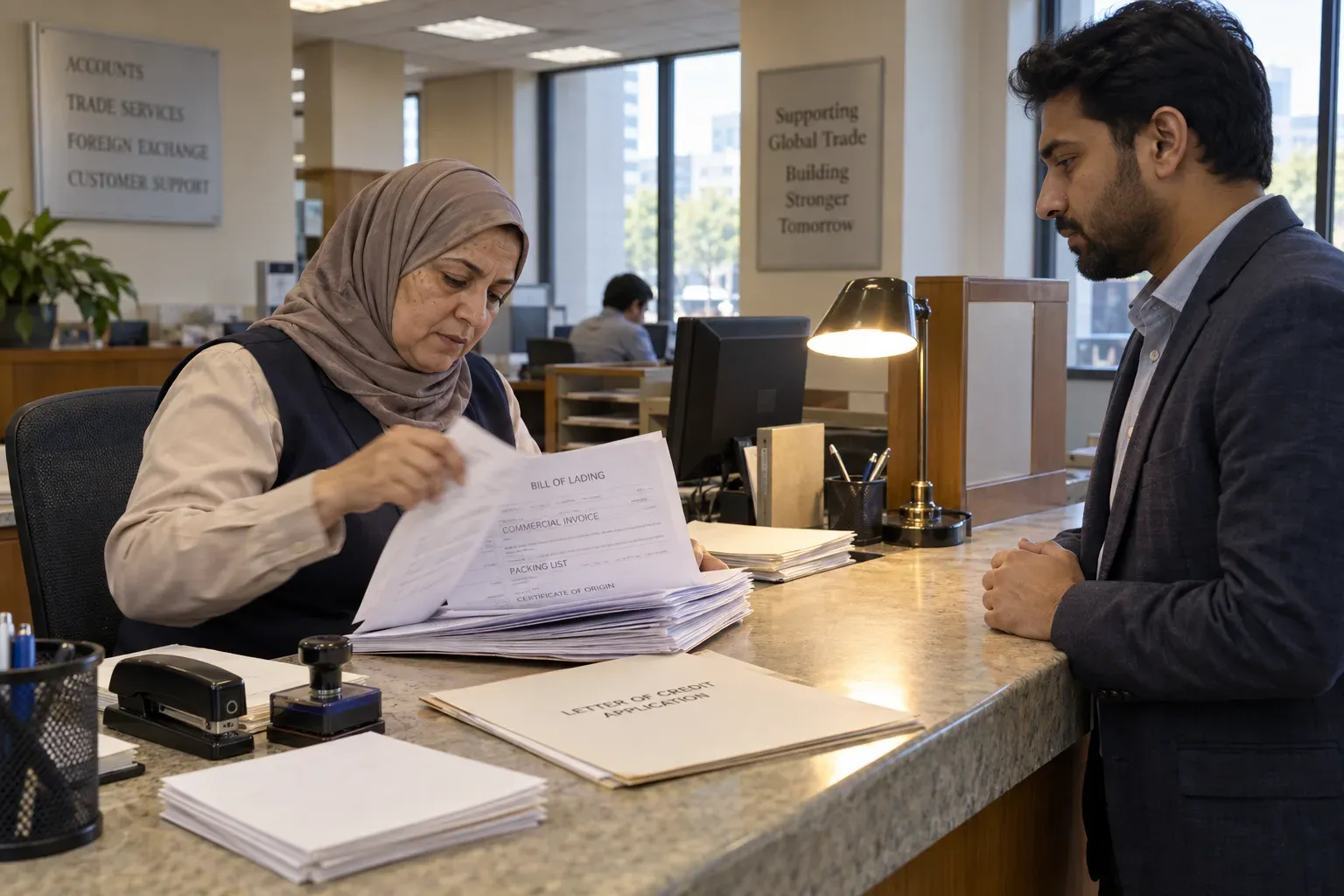
An inspection-linked balance is the single strongest protection for press-on nails from China, because this product fails in ways photos hide. Adhesion, sizing consistency <sup id="ref-3"><a href="#footnote-3" class="footnote-ref">3</a></sup>, chipped edges, and packaging fit only show up when someone opens cartons at the source. Here is how we set it up when coordinating orders through audited manufacturers.
- Define the standard before production starts. Write the acceptable defect level, the approved sample reference, and the packaging spec into the purchase order and proforma invoice. An inspection without a written standard settles nothing.
- Book a third-party inspector for pre-shipment. Firms like QIMA or V-Trust inspect finished, packed goods at the factory. If you pay through a platform, upload the report there so the payment record and quality record live together.
- Tie the release trigger to documents, not promises. For a 30/70 T/T, release the 70% only after the passed report, or against a copy of the Bill of Lading, depending on your agreed terms.
- Add Incoterm-specific triggers for sensitive items. If your order includes nail glue or gel, make the final transfer conditional on proof of customs clearance for those restricted goods, so you are not paying for cargo that gets stuck at export.
If an inspection fails, the balance stays put until rework passes. That sequence, not goodwill, is what keeps bulk production honest with the approved sample.
✔ Releasing the balance against a passed inspection report or Bill of Lading copy is standard practice in China wholesale trade TrueReputable suppliers routinely accept inspection-linked 30/70 terms because the trigger is objective, documented, and fair to both sides.✘ You can wait until goods arrive at your own warehouse before paying the final balance FalseSuppliers will not ship or release shipping documents before the balance clears; the realistic protection point is a pre-shipment inspection 4, not post-arrival payment.
Conclusion
Match the payment method to order size and trust. Start with Trade Assurance or escrow, verify before every transfer, and let inspection reports, not hope, release your final balance.
Sourcing handmade press-on nails and need to check MOQ against your order plan? Browse the ZONO press-on nail range for finished sets, shapes, and private-label options.
Footnotes
1. The WTO establishes frameworks for secure international trade payments and facilitation. ↩︎ 2. The ICC sets international standards for trade payment terms and staged financial structures. ↩︎ 3. UNCTAD provides authoritative resources on product quality standards and trade logistics for developing economies. ↩︎ 4. ISO provides the global standards for quality management and third-party inspection body requirements. ↩︎