Sep 25, 2026Startup & Private Label Guides
One-Stop Factory vs Your Own Packaging Supplier: Which Supply Model Protects You Better?
Decide by mapping your biggest project risk. If you lack packaging engineering support, run frequent SKU changes, or need speed, choose a one-stop factory.
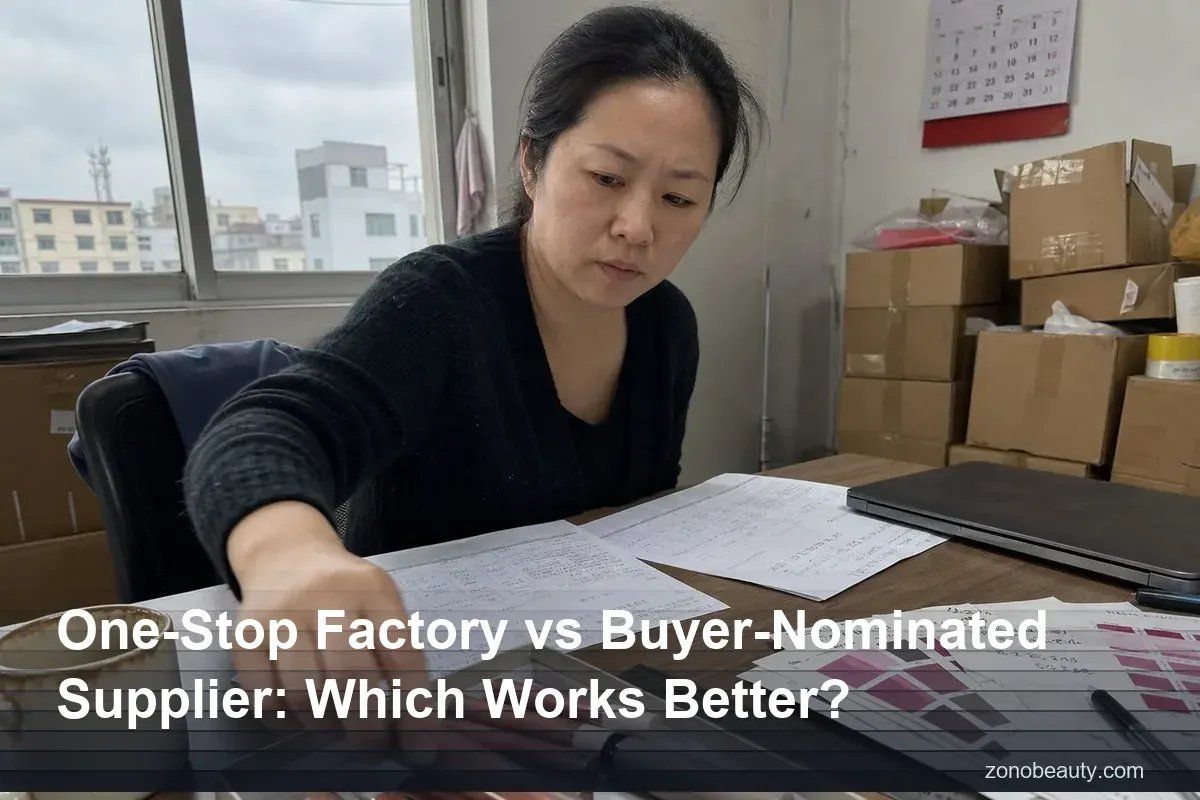
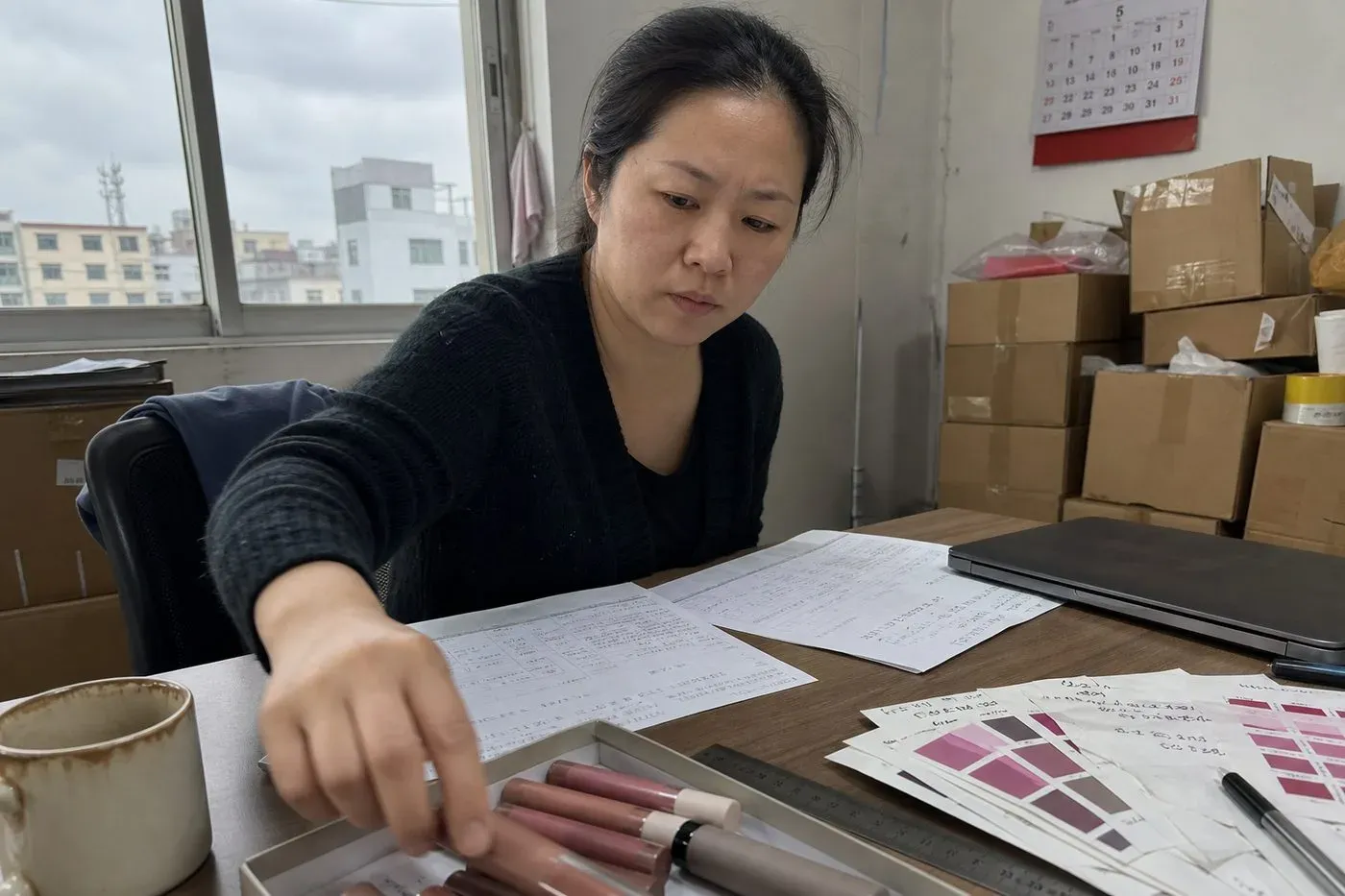
A lip gloss founder recently sent our coordination desk two quotes: one from a one-stop factory, one built around her buyer-nominated tube supplier. Both carried hidden risks she couldn't see.
A one-stop factory works better when speed, single-point accountability, and turnkey execution matter most; a buyer-nominated supplier works better when packaging control, standardization, or compliance-sensitive components matter more. Choose based on where your project's biggest risk sits: coordination complexity or packaging specification.
Neither model is wrong. Each solves a different problem. Below, I break down how the two structures compare on accountability, cost, quality, and coordination effort, based on projects I have coordinated across the US, Europe, the Middle East, and South Asia.
How do I decide between a one-stop factory and a buyer-nominated supplier for my packaging and filling project?
Last quarter, a UK startup asked me to keep her preferred lip gloss tube while a Chinese filler handled the formula. Her question was simple: does splitting them make sense?
Decide by mapping your biggest project risk. If you lack packaging engineering support, run frequent SKU changes, or need speed, choose a one-stop factory. If your packaging is strategic, pre-qualified, or standardized across products, nominate your supplier and budget extra time for coordination.
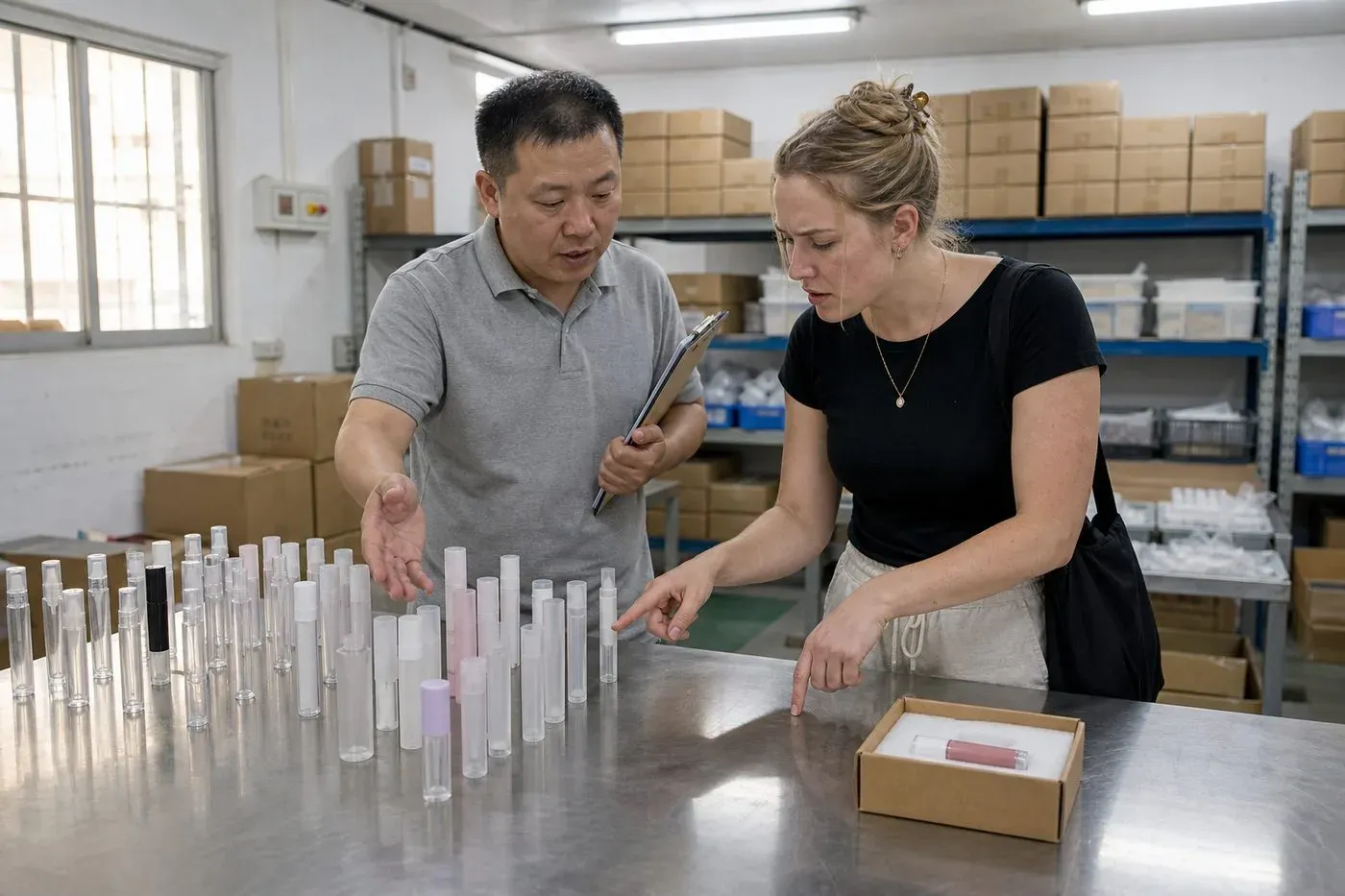
Before anything else, the two models need plain definitions. A one-stop factory handles packaging, filling, assembly, and often secondary packaging under one roof. A buyer-nominated supplier model means you pick or approve the packaging vendor yourself, and the filler must work with that component. Here is how they compare at a glance:
Factor | One-Stop Factory | Buyer-Nominated Supplier |
|---|---|---|
Accountability | Single point; defects have one owner | Split; blame can shift between vendors |
Speed | Faster; schedules synchronized internally | Slower if the nominated vendor is not yet qualified |
Packaging control | Limited to the factory's catalog and molds | Full control over specification and vendor standards |
Cost transparency | Bundled price; sub-component costs opaque | Component prices visible; extra freight added |
Coordination effort | Low; one contact | High; two or more workstreams to align |
What each model actually solves
Turnkey manufacturing wins on execution. One partner moves from prototype to filled goods with fewer handoffs, which also shortens revision cycles during sampling. The nominated model wins on procurement control. It keeps a strategic tube or closure consistent across every product you launch, which matters when your brand identity lives in the packaging.
The hybrid middle ground
In my coordination work, the hybrid model is now the most common request, and it is an accepted industry practice, not a compromise. A brand nominates the hero component, such as a doe-foot applicator or a custom tube, while the filler or a coordination partner manages component sourcing 1 for cartons, trays, and shipping materials. Good vendor management makes this hybrid workable: someone has to own the handoff. That is exactly where supply chain integration through a single coordination window earns its place, because we vet both sides against the same brief before either gets a purchase order.
What cost and MOQ differences should I expect when comparing these two sourcing models?
Two mascara quotes sat on my desk last month. The bundled one looked higher per unit. The split one looked cheaper — until I added inter-factory freight and my own hours.
Expect a one-stop factory to quote a bundled unit price with lower total cost of ownership but less sub-component transparency. Expect a buyer-nominated model to expose component prices while adding freight, handling, and two separate MOQs. Exact MOQ, price, and sample fees are confirmed against project scope.
The sticker price rarely tells the full story. When I build a cost picture for a client, I compare line items, not headline quotes. The table below shows where money actually moves in each model:
Cost Line Item | One-Stop Factory | Buyer-Nominated Supplier |
|---|---|---|
Unit price | Bundled; often lower overall | Component-level; visible but fragmented |
Inter-factory freight | None | Paid by you or built into the filler's fee |
Handling and receiving fees | Included | Often charged when the filler receives your components |
Admin overhead | One PO, one invoice, one audit stream | Multiple POs, invoices, and audit streams |
Your management hours | Low | High; you or a coordinator must track two schedules |
The two-MOQ problem
This is the trap that catches most startup founders. In a split model, you face two separate minimums. Your nominated tube supplier may require one minimum per color, while the filler requires a different minimum per shade of formula. Those numbers rarely align, so someone ends up over-ordering one side. Material procurement in a one-stop setup avoids this because the factory buys components against a single production plan. Some integrated factories now run modular filling lines that support smaller test batches, which helps brands trial limited-edition packaging without the mismatched minimums a nominated network can create.
Where the nominated model earns its cost back
To be fair, nomination is not always the expensive route. If you already buy a component at scale across several products, your negotiated price may beat anything a filler can source. The total cost of ownership 2 calculation must include that leverage. My rule: nominate when the component is strategic and already priced well; consolidate when it is generic. Either way, exact MOQ, pricing, sample fees, and documentation are confirmed against the specific project scope, never quoted blind.
✔ A split sourcing model creates two separate MOQ thresholds that rarely align, often forcing over-ordering on one side TruePackaging vendors and fillers set minimums independently, so a brand splitting the two must reconcile mismatched quantities or carry excess component inventory.✘ A one-stop factory is always the cheaper option for packaging and filling FalseIf a buyer already holds strong negotiated pricing on a strategic component, nominating that supplier can beat the bundled quote, even after adding freight and handling costs.
How do I avoid packaging-formula mismatches if my filling and packaging come from separate suppliers?
During one lip oil sampling round, our inspector caught a wiper scraping too little formula off the wand. The tube and the formula came from two different vendors.
Avoid mismatches by running formula-to-packaging compatibility checks before bulk production: test viscosity against wiper and applicator, run stability tests in the actual container, confirm closure torque and fill-level tolerance, and approve one golden sample that both suppliers sign against.
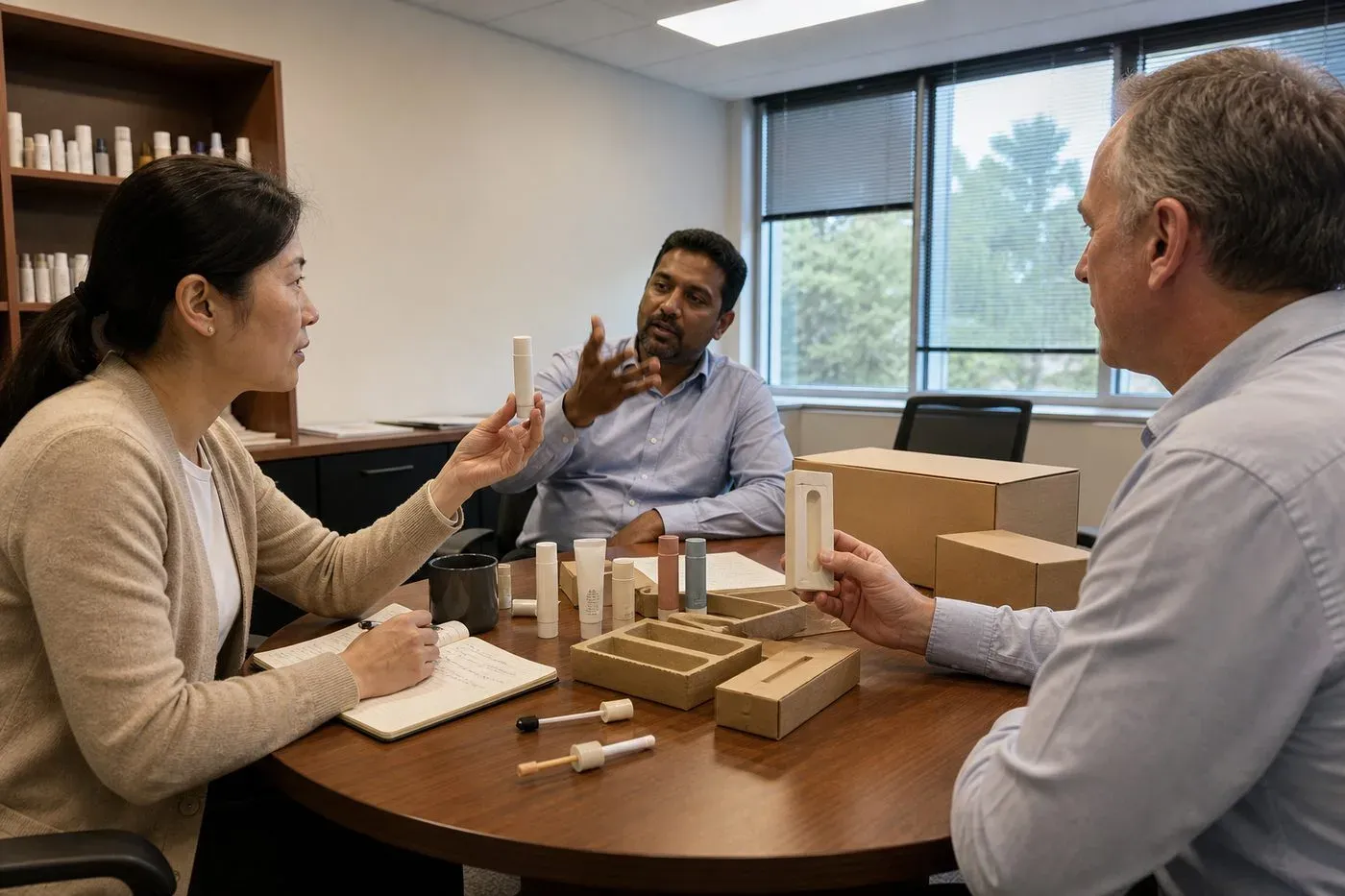
Mismatches are the single most common failure I see in split sourcing, and they are almost always preventable. An integrated factory catches them internally because the packaging engineers and the filling team share one building. Some integrated lines even tune container neck geometry against the filling nozzle's pressure to reduce aeration and product loss during filling. When your vendors are separate, nobody does that alignment unless someone forces it. This is the compatibility process I run on every split project, whether it is a lip tint, mascara, or eyeliner brief:
- Collect technical data sheets from both sides. The packaging vendor confirms material, neck finish, and wiper dimensions. The filler confirms viscosity range and fill temperature.
- Cross-check on paper before sampling. Most conflicts show up here: a wiper too tight for a thick gloss, a tube resin that reacts with certain oils.
- Fill real formula into real packaging. Never approve a formula tested in a lab jar. Stability, leakage, and applicator pickup must be tested in the actual container.
- Check aesthetics under one light source. Color variance between a cap batch and a tube batch is a classic split-vendor defect that integrated production avoids by default.
- Lock a golden sample. Both vendors sign against the same physical reference before bulk starts.
Common Mismatch | Root Cause | Prevention |
|---|---|---|
Wand pulls too little or too much product | Wiper diameter not matched to viscosity | Wiper test with actual bulk formula |
Leaking or loose caps | Closure torque spec never shared with filler | Torque check at compatibility sampling |
Formula separates or discolors in tube | Packaging material reacts with formula | Stability test in the final container |
Cap and tube colors don't match | Components molded in different batches or plants | Single color standard approved under one light |
This is also where OEM/ODM services differ from simple order-taking. On our projects, the compatibility check sits inside the sampling stage, applying the same quality control standards to both vendors, so a mismatch surfaces before money goes into bulk components.
✔ Stability and compatibility must be tested in the final production packaging, not just in lab containers TrueFormulas can interact with tube resins, wipers, and closures in ways a glass lab jar never reveals, so only testing in the actual container proves the pairing works.✘ If both suppliers are individually reliable, their outputs will automatically fit together FalseEach vendor works to its own specification; without a shared compatibility check and a signed golden sample, two good suppliers can still produce a defective combined product.
Who handles quality inspection and coordination if I split my production across multiple vendors?
Early in my coordination career, a mascara shipment stalled while a tube supplier and a filler blamed each other for leaking closures. Nobody owned the defect. I learned that day.
By default, the brand owner handles inspection and coordination across split vendors. Either build internal capacity for incoming checks, in-line inspection, and pre-shipment audits, or appoint one coordination window that inspects at each handoff and holds every vendor to the approved golden sample.
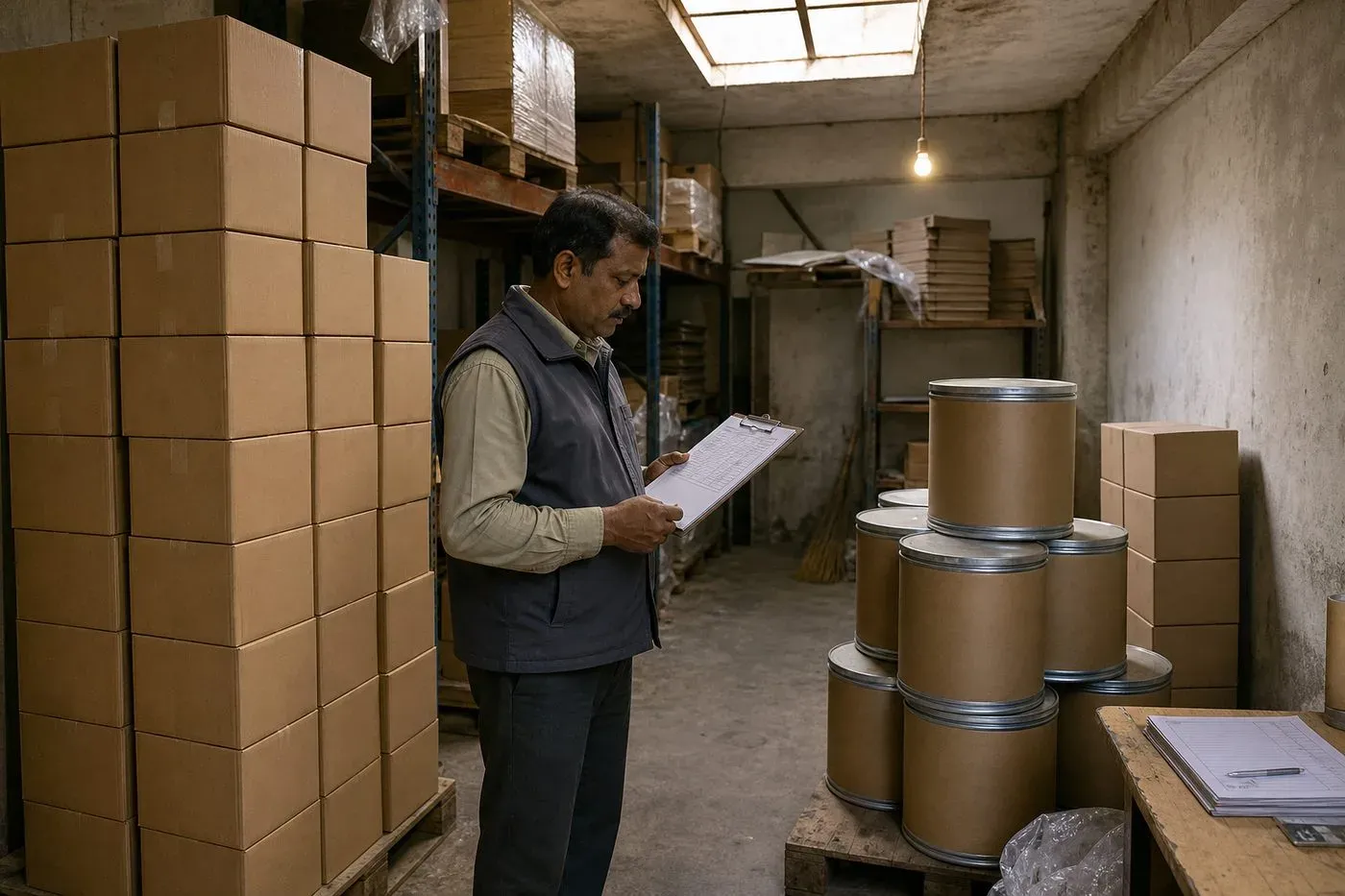
The uncomfortable truth about split sourcing is that the gap between two vendors belongs to you. A contract packaging or filling partner inspects what it produces, and a component vendor inspects what it ships. Neither inspects the handoff. In an integrated factory, that gap doesn't exist; in a split model, someone must be assigned to it explicitly. Here is how I map inspection ownership on coordinated projects:
Production Stage | One-Stop Factory | Split Vendors + Coordination Window |
|---|---|---|
Incoming component check | Internal QC | Coordinator inspects components at the filler's dock |
In-line filling checks | Internal QC | Filler's QC, verified against the golden sample |
Assembly and fitment | Internal QC | Coordinator spot-checks torque, fill level, fitment |
Pre-shipment inspection | Factory final QC | Independent pre-shipment inspection before booking freight |
Documentation trail | One file, one factory | Coordinator consolidates both vendors' records |
Where a coordination window changes the math
On our split projects, one contact runs supplier communication, production follow-up, quality inspection, export documentation 3, and shipment as a single stream. That structure also supports lead time optimization, because delays surface at the handoff point instead of at the port. It restores the finger-pointing protection that integrated factories advertise, without giving up your nominated component. The industry is moving toward consolidated digital traceability for finished units, and a single coordination file across both vendors is the practical version of that idea for a startup brand.
The compliance boundary you must respect
One point I state plainly in every project kickoff: regulatory, labeling, and safety-assessment responsibility 4 sits with the brand owner or the appointed responsible person in the target market. No supplier structure changes that, and no coordinator can guarantee compliance on your behalf. What good supply chain integration does provide is the paper trail — partner-factory certifications, test reports, and export documentation are available upon request and confirmed against the specific project scope, so your responsible person has what they need to do their job.
✔ Regulatory and labeling responsibility stays with the brand owner or the responsible person in the target market, regardless of sourcing model TrueMarket regulations assign product responsibility to the party placing goods on the market, so neither a factory nor a coordinator can absorb that legal role.✘ Each vendor's own QC department is enough to guarantee the finished product's quality in a split model FalseVendor QC only covers each vendor's own output; the combined product's defects appear at the handoff, which no individual vendor is contracted to inspect.
Conclusion
Choose one-stop for speed, nominated for control — or let coordination bridge both. Send me your brief: product type, target market, shade count, packaging direction, quantity, and references.
Footnotes
1. Official WTO resource on trade in services, relevant to international procurement and supply chain coordination. ↩︎
2. Standard business metric for evaluating the total direct and indirect costs of a product or service. ↩︎
3. U.S. government portal providing essential resources for export compliance and international shipping documentation. ↩︎
4. Primary U.S. regulatory authority for cosmetic safety standards, labeling requirements, and manufacturer responsibilities. ↩︎