Sep 25, 2026Startup & Private Label Guides
OEM vs ODM vs Private Label: Which Manufacturing Model Fits Your Beauty Brand?
OEM means you provide the formula or detailed specifications and the factory manufactures to them.
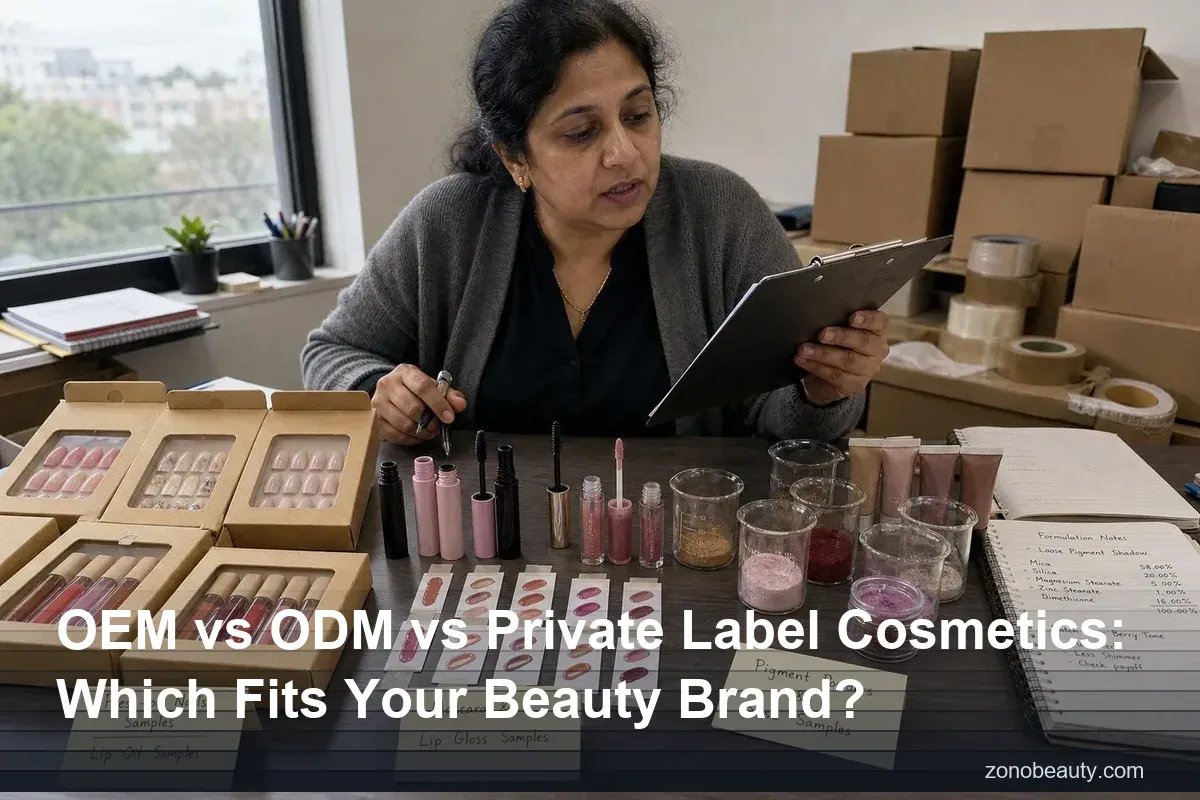
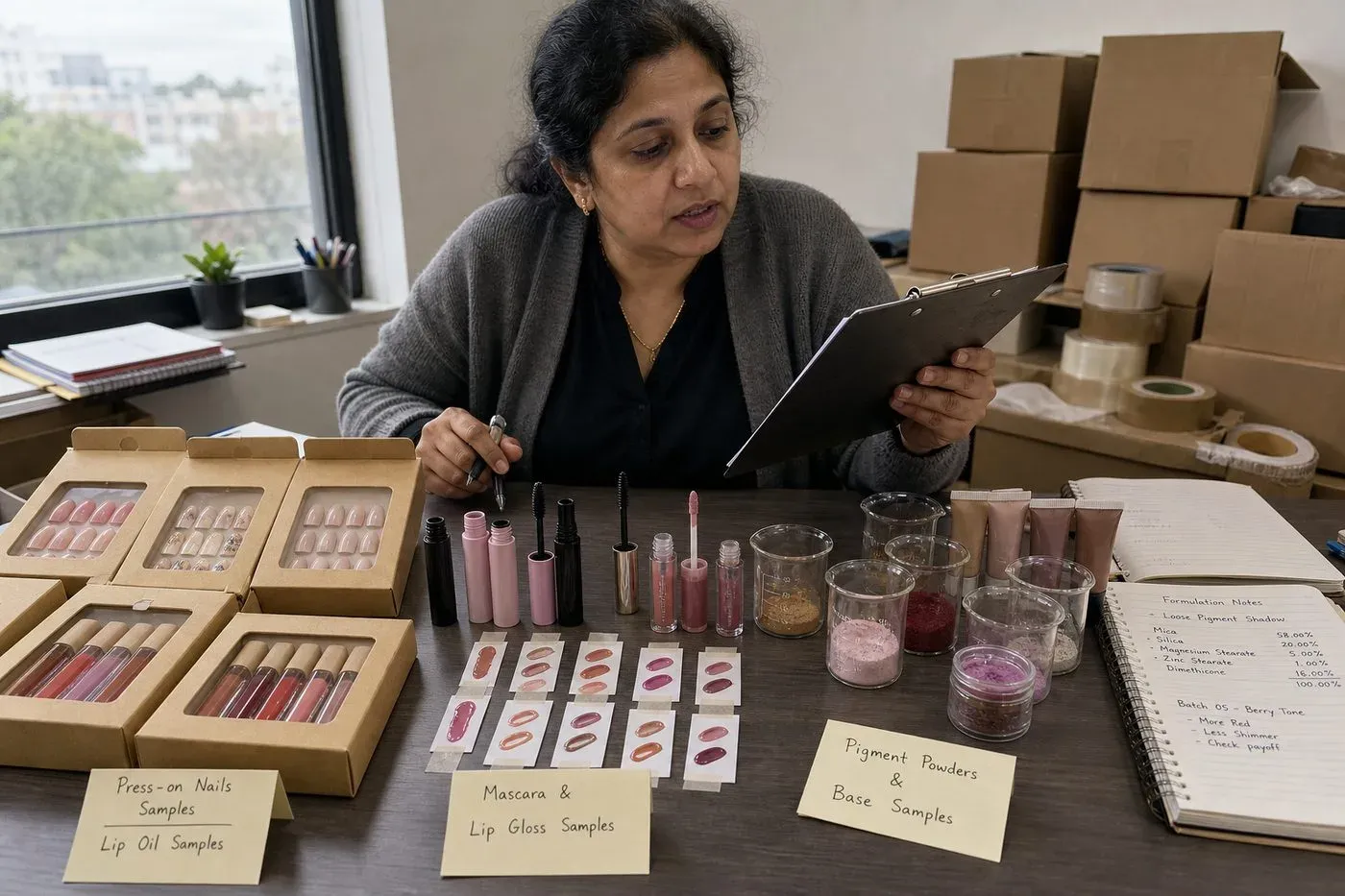
Many briefs I route to our partner factories confuse OEM, ODM, and private label cosmetics. That confusion burns months and sample fees before a single product ever gets poured.
Private label cosmetics deliver the fastest, cheapest launch using ready-made factory formulas. ODM balances speed and differentiation by customizing a proven base. OEM gives full control and potential formula ownership but needs the biggest budget, highest minimum order quantity, and longest timeline. Match the model to your brand stage.
The three models are not competing options where one wins. They sit on a spectrum. This article compares them on investment, timeline, control, and differentiation, then maps each to a brand stage.
What's the real difference between OEM, ODM, and private label when I'm sourcing cosmetics from China?
Last month, a UK founder sent us a brief titled private label lip oil, then described a fully custom vegan formula. That kind of mismatch appears in inquiries constantly.
OEM means you provide the formula or detailed specifications and the factory manufactures to them. ODM means the factory develops the product, adjusting an existing base for you. Private label means branding a ready-made product. Control, cost, timeline, and exclusivity all rise from private label to OEM.
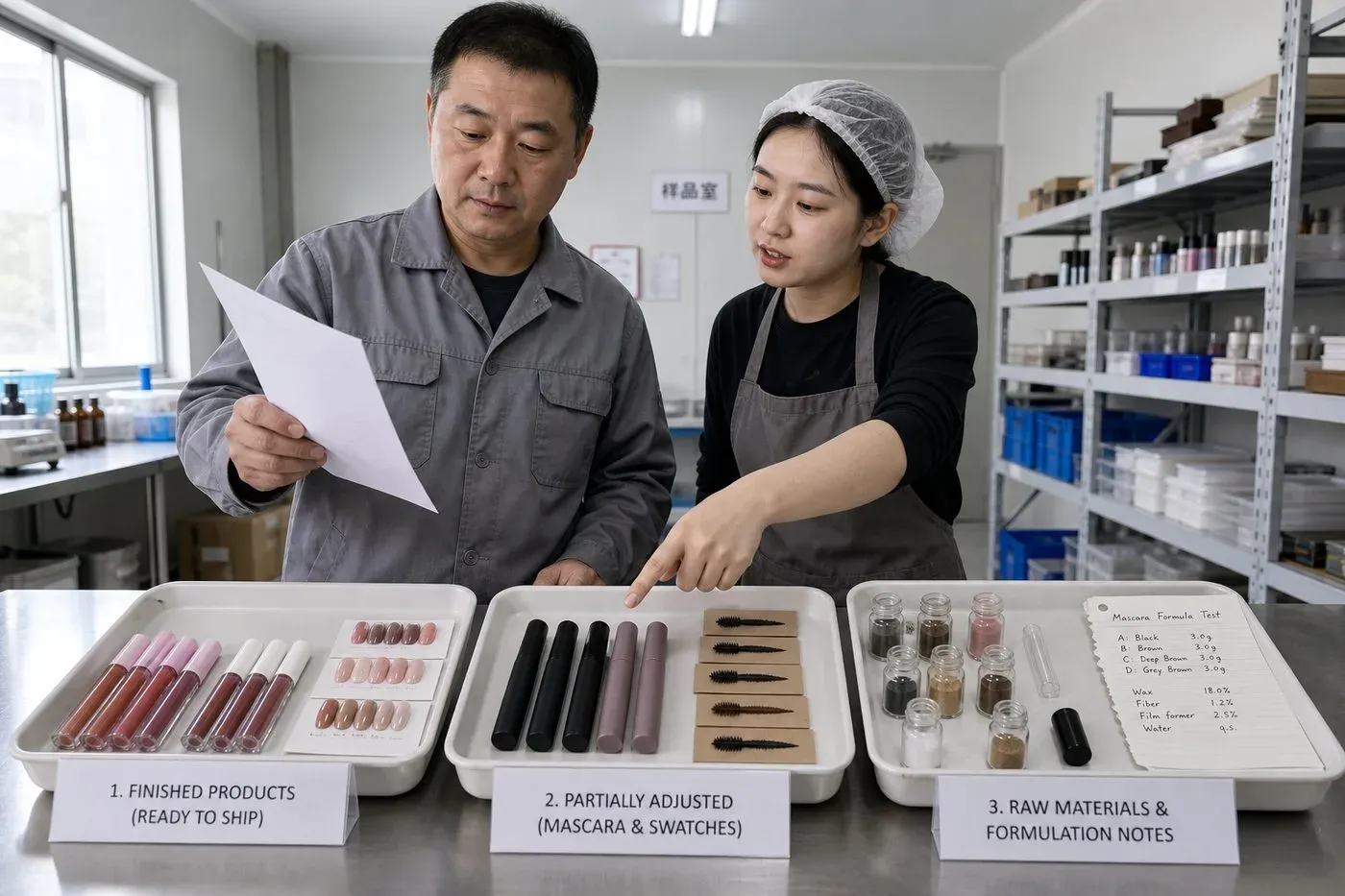
All three models sit under the umbrella of contract manufacturing. The difference is who does the development work, and who owns the result afterward. That second part is the one buyers underestimate.
The comparison at a glance
Factor | Private Label | ODM | OEM |
|---|---|---|---|
Formula source | Factory's existing catalog | Factory base, adjusted for you | Your spec or custom formulation |
Customization | Packaging and labeling, shade picks | Moderate: texture, actives, scent, shades | Full control over the recipe |
Formula ownership | Factory | Usually factory; exclusivity sometimes negotiable | Brand, if the contract is structured correctly |
Portability | Low — moving means reformulating | Low to medium | High, when you own the IP |
Typical role | Fast market entry | Differentiated middle step | Proprietary hero products |
One terminology trap first. Some suppliers use white label cosmetics and private label interchangeably. Others treat white label as a finished product with only a logo change, and private label as allowing minor surface tweaks. Always ask which definition your supplier means, because the quote depends on it.
Then there is the ownership question, which I flag on every ODM and private label project 1 we coordinate. If the factory owns the formula, you cannot legally move production to another facility later without rebuilding the product from scratch. That is the vendor lock-in trap, and it applies to most private label and many ODM arrangements. OEM avoids it, but only if formula ownership is written into the agreement. OEM is also the only route where you can trace ingredient sourcing all the way down, since private label factories often guard their raw material suppliers as trade secrets.
✔ In most private label arrangements, the factory keeps formula ownership, so switching facilities later usually means reformulating from scratch TrueThe brand licenses the right to sell the product under its name, not the underlying chemical architecture. Portability only exists when formula IP is contractually assigned, which typically happens in OEM deals.✘ White label and private label always mean exactly the same thing FalseUsage overlaps, but many suppliers treat white label as a finished product with only branding changes, while private label may allow small packaging or surface adjustments. Confirm the definition before comparing quotes.
How do I know which model fits my brand's stage, budget, and product vision?
Every project intake I run starts with the same tension: how much uniqueness does this brand actually need right now, versus how much runway does it actually have?
Match the model to your stage: private label fits first launches and demand testing on limited capital; ODM fits growing brands wanting distinctive products without full R&D cost; OEM fits established or science-led brands that can fund proprietary development, longer timelines, and higher minimums.
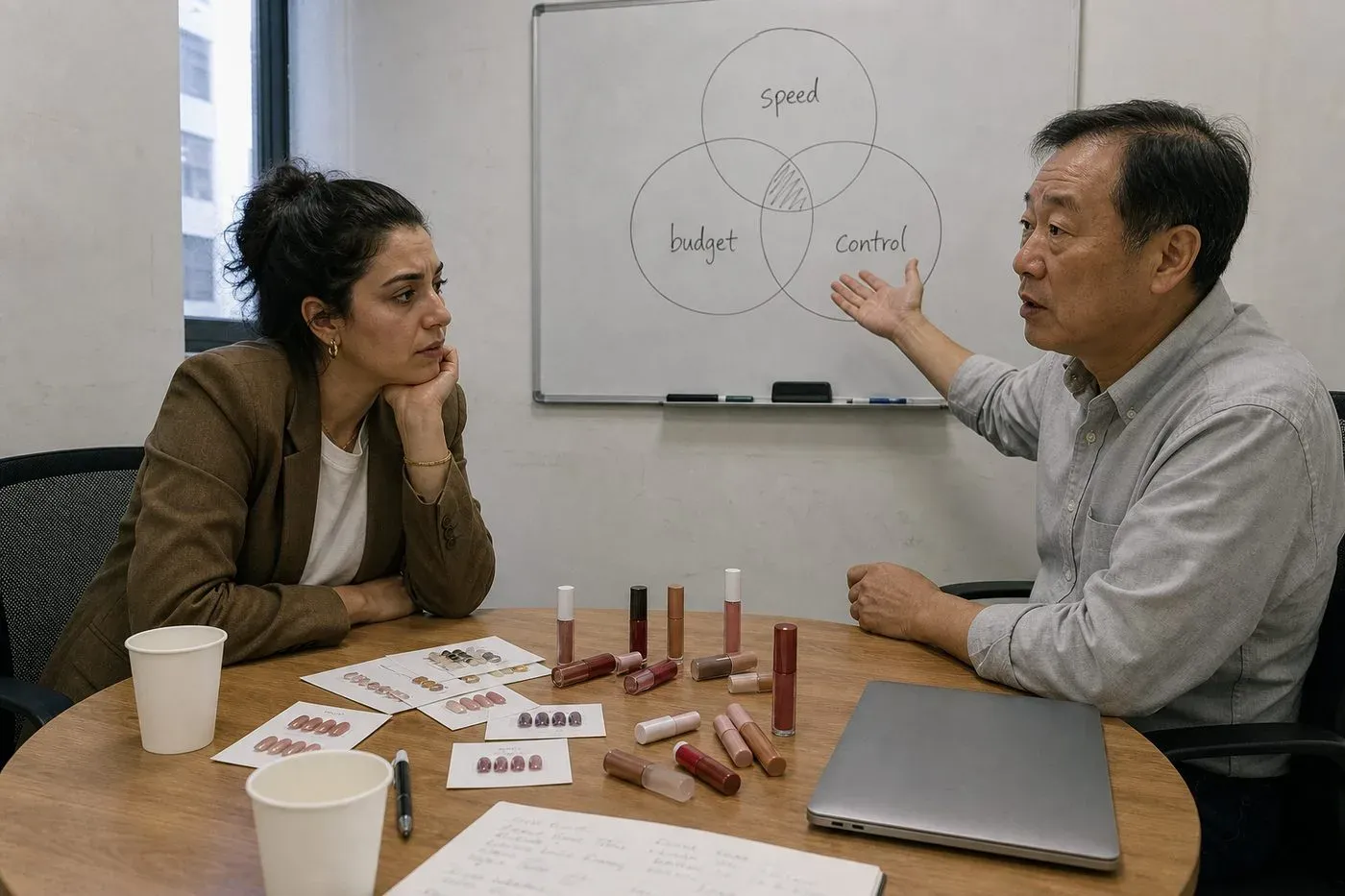
Here is the honest trade-off structure I walk founders through. Each model optimizes a different mix of speed, budget, control, and defensibility. You cannot maximize all four at once.
Stage-to-model mapping
Your situation | Better fit | The trade you accept |
|---|---|---|
First launch, testing demand, limited capital | Private label | Speed and low risk, but weak uniqueness |
Proven sales, want a distinctive story | ODM | Moderate customization, but the factory still holds the base platform |
Established or premium, building IP | OEM | Full control, but the longest product development lifecycle and biggest spend |
Now the objections I hear, and how I answer them.
"Private label will make my brand look generic." Sometimes true on formula, but you control packaging, shade curation, and brand story. I have seen it used well for fast, small-batch product drops, especially by influencer-led brands prioritizing cultural speed over formula uniqueness. Treat it as a testing phase, not the destination.
"ODM sounds like the best balance, so why not always choose it?" Because you may stay dependent on the factory's platform. Some ODM partners now pitch trend-forecasted bases built around viral ingredients, which is genuinely useful, but the base is still theirs unless exclusivity is negotiated. Exact terms depend on the specific project scope.
"OEM gives the most control, so serious brands should start there." Only if you can absorb the reality. Full custom formulation involves R&D rounds 2, stability testing, and validation. Private label can move in weeks; OEM commonly runs many months, and complex projects can stretch beyond a year. Control is only an advantage when your cash flow survives the wait.
What should I ask a supplier to avoid mismatched samples or unclear MOQ terms across these three models?
A mascara quote once looked clean until we checked the fine print for the client: the minimum order quantity applied per shade, not per order. We caught it before contracts. Many buyers don't.
Ask who owns the formula, whether MOQ applies per order, per SKU, or per shade, whether samples come from the same line as bulk production, what exclusivity covers, and which test reports and documents are available upon request. Confirm every answer in writing against your project scope.
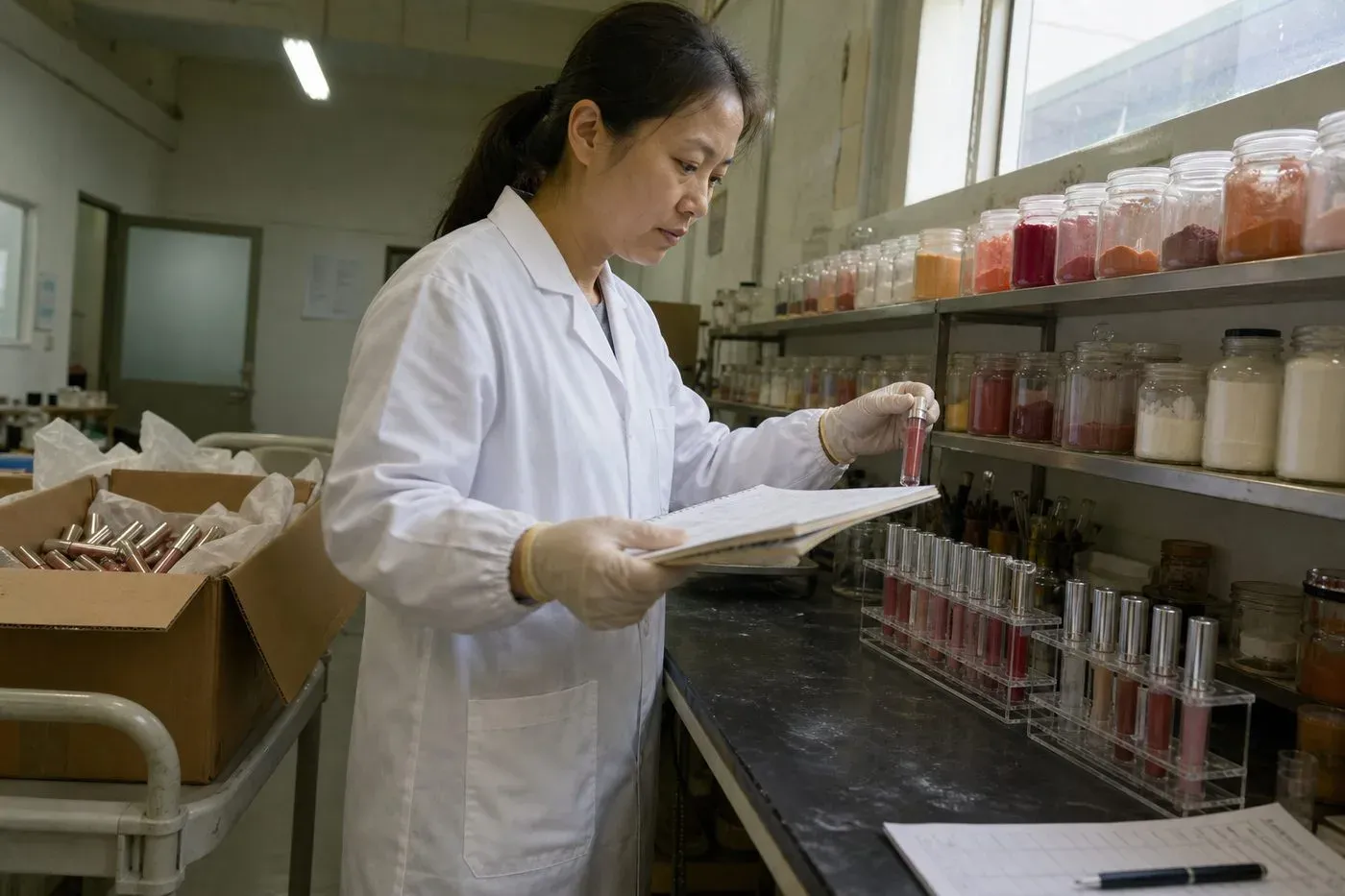
This is not a supplier-vetting guide. These questions do one narrow job: they force the supplier to reveal which model you are actually being quoted, because sample and MOQ surprises almost always trace back to model confusion.
Questions mapped to the model where they bite hardest
Question | Why it matters | Bites hardest in |
|---|---|---|
Who owns this formula, and can I move it later? | Prevents lock-in surprises after you scale | Private label, ODM |
Does the MOQ apply per order, per SKU, or per shade? | A single-SKU quote can multiply across a shade range | All three, worst in OEM |
Will bulk come from the same base and line as my approved sample? | Some suppliers sample from a showcase batch, then produce from another source | Private label, ODM |
Has the formula been tested in my chosen packaging? | Lip oil that performs in one tube can separate or leak in another | ODM, OEM |
What exactly does exclusivity cover — formula, shade, market, or duration? | "Exclusive" often means one narrow slice | ODM |
Which test reports and certifications can you share? | These should be available upon request, per project | All three |
On that last row, one non-negotiable point from my side of the table. No matter which model you choose, regulatory compliance 3, labeling, and safety-assessment responsibility sit with you as the brand owner, or with your appointed responsible person in the target market. Partner-factory documentation supports that work; it does not replace it. In our coordination window, formula-to-packaging compatibility checks happen at sampling precisely because a mismatched sample discovered at bulk stage is the most expensive kind. Exact MOQ, pricing, sample fees, and document packages are always confirmed against the specific project scope, never assumed from a catalog page.
✔ Regulatory and labeling responsibility stays with the brand owner or the appointed responsible person in the target market, regardless of manufacturing model TrueFactories and coordinators can supply test reports and documentation upon request, but market registration, claims, and labeling obligations belong to whoever places the product on the market.✘ Private label products arrive ready-to-sell with all compliance already handled by the factory FalseA stable, previously produced formula reduces technical risk, but it does not satisfy your market's regulatory requirements automatically. No supplier can truthfully claim a cosmetic is FDA approved, because the FDA does not approve cosmetics that way.
Can I combine OEM, ODM, and private label within one product line as my brand grows?
The strongest ranges I've coordinated rarely run on a single model. One lip line taught me this: a stock gloss base carried the launch while custom tint shades were still in sampling.
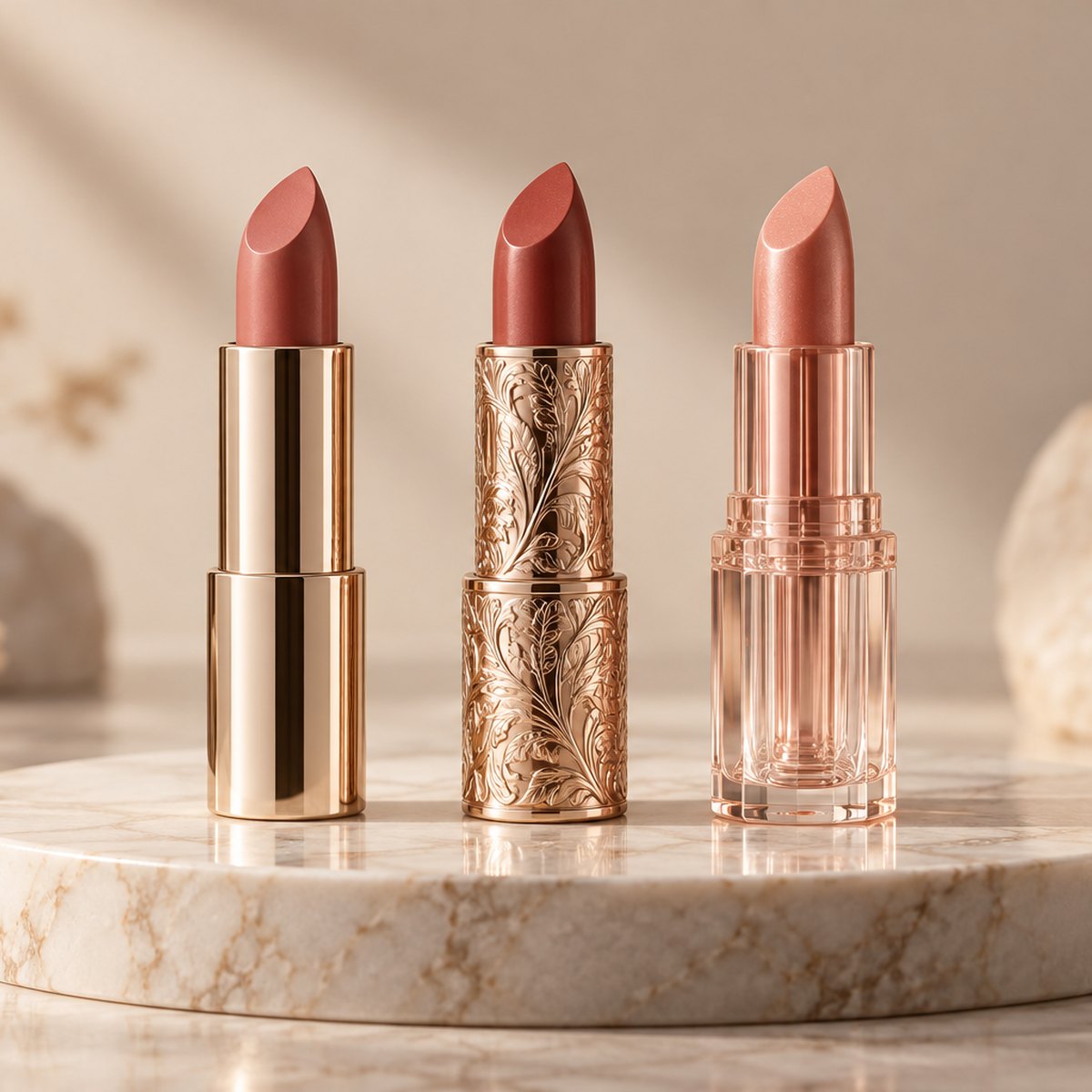
Yes. Mature beauty brands often mix models across one line: an OEM hero product for proprietary claims, ODM shades for speed with differentiation, and private label accessories for fast drops. The mix can shift as revenue, data, and budget grow — no relaunch required.
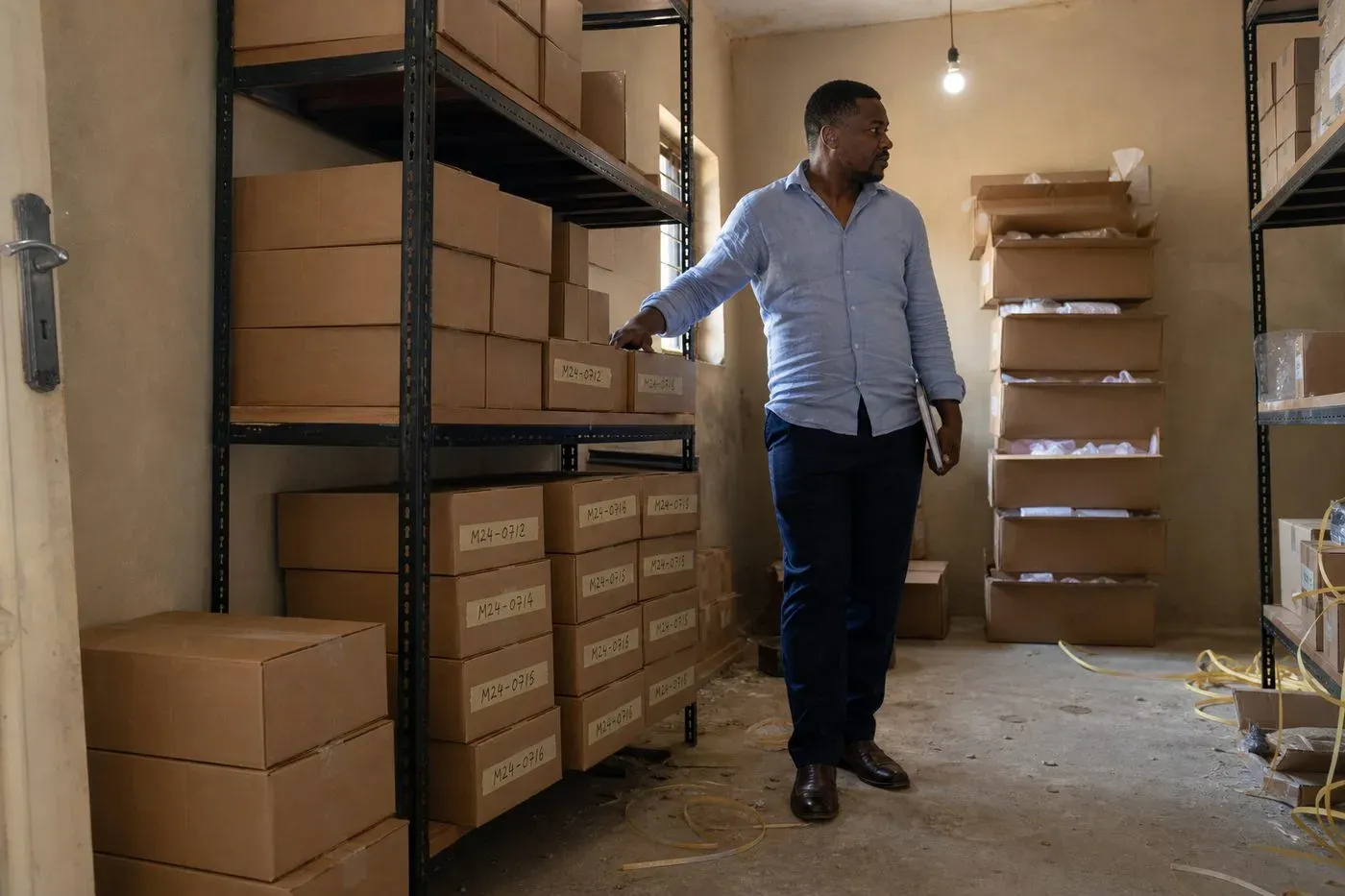
Think of the three models as a ladder, not a fork in the road. A SKU can climb the ladder as its sales data justifies deeper investment. This is the pattern I see most often across the US, European, Middle Eastern, and South Asian projects we coordinate.
An example hybrid line
SKU | Route | Why it sits there |
|---|---|---|
Hero lip tint with a signature texture claim | OEM | Owned formula anchors the brand story and margins |
Supporting gloss and lip oil shades | ODM | Adjusted proven bases keep the range fresh without full R&D per shade |
Press-on nails or seasonal add-ons | Private label with custom packaging and labeling | Near-turnkey solutions for fast drops and demand tests |
Bulk or semi-finished makeup bases | ODM or OEM | Feeds regional filling or kit assembly as volumes grow |
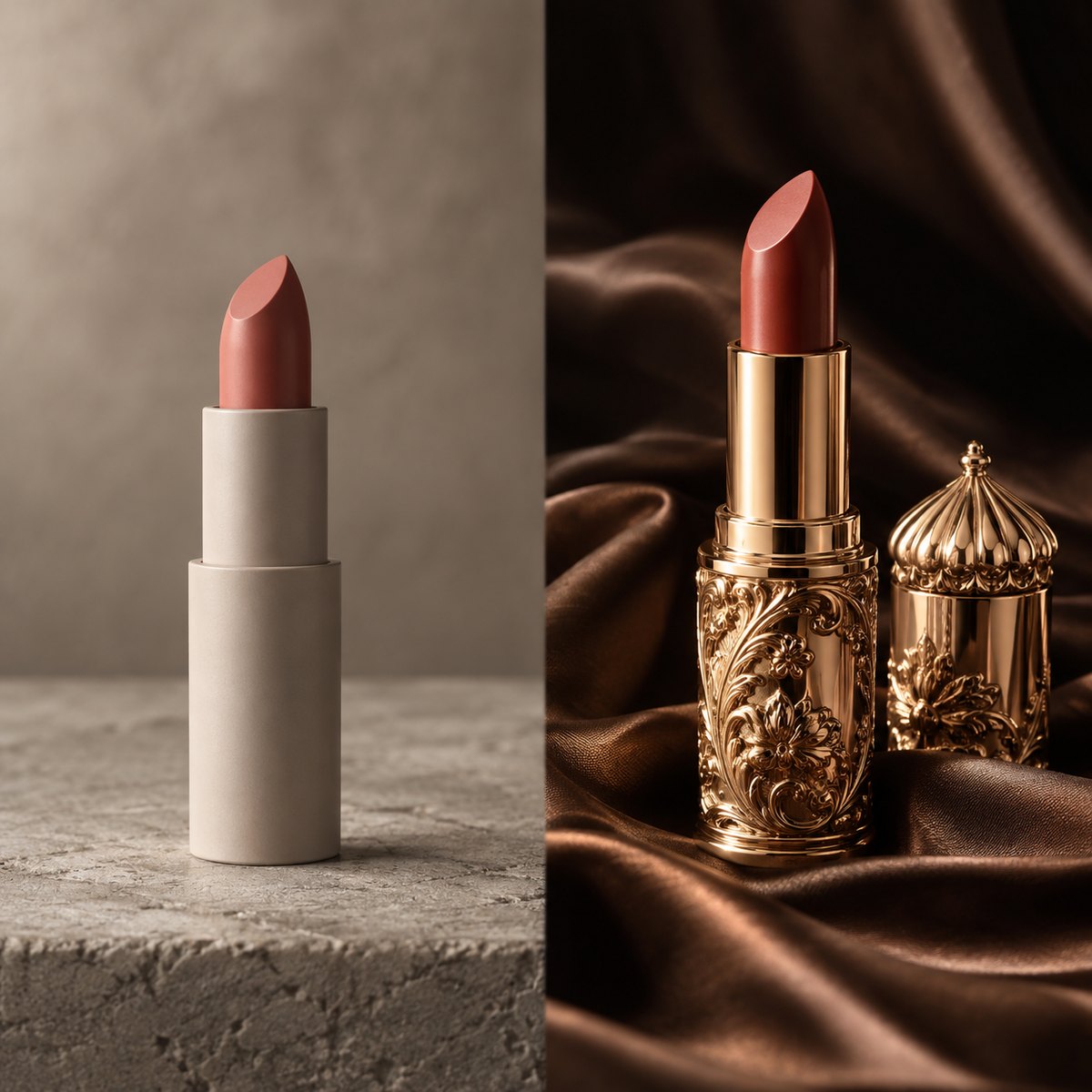
Two practical notes from running these mixes. First, packaging can carry differentiation while the formula stays stock. A stock gloss formula in a well-chosen custom tube reads as a distinct product on shelf, which is why we treat packaging direction as part of the model decision, not an afterthought. Second, hybrid lines multiply coordination overhead. Three models can mean three partner factories, three sampling tracks, and three sets of export documentation 4 moving on different clocks. That is exactly the supply chain management problem a single coordination window exists to absorb: one point of contact tracking sampling, production follow-up, quality inspection, and shipment across all routes, so the bulk goods that ship match the samples you approved.
✔ A single product line can run different manufacturing models on different SKUs at the same time TrueNothing binds a brand to one model. Many scaling brands anchor the line with an OEM hero product while filling the range through ODM and private label routes.✘ Starting with private label means you must relaunch the brand before moving to ODM or OEM FalseSKUs can be upgraded individually as sales data justifies deeper investment. The brand stays continuous; only the development route behind each product changes.
Conclusion
Private label buys speed, ODM buys balance, and OEM buys ownership. Choose against your capital, timeline, and differentiation goals — then mix models as your beauty brand scales.
Ready to map your route? Send us a short project brief with product type, target market, shade count, packaging direction, expected quantity, and reference products, and we'll match it to the model that fits.