Sustainability Claims in Cosmetics Sourcing: What to Ask For and How to Verify
Refillable, recyclable, clean, responsible: what these claims actually require, which documents to request from a supplier, and how to keep your listing compliant.

Sustainability has become a sourcing requirement. Buyers ask for refillable components, recyclable packaging, cleaner formulations and more responsible production, and suppliers answer with a vocabulary that sounds consistent and means different things in every factory: green, clean, eco, sustainable, responsible.
The vocabulary is not the problem. The problem is that none of those words is a specification, and a claim that is not a specification cannot be verified, cannot be printed legally in every market, and cannot survive a customs inspection or a marketplace challenge. This guide covers what the common claims actually require, which documents to request from a supplier, and how to keep the language that ends up on your listing inside what you can support.

The rule throughout is the one that governs every sourcing claim: what you can document, you can state; what you cannot document, you rephrase until you can. For ingredient-level claims, the same logic applies to the ingredient list and its registration role.
What the Common Claims Actually Require
Each familiar claim hides a verifiable requirement behind it. The verification differs; the pattern is the same.
Recyclable requires that the component is recyclable in your destination market, not that the material is theoretically recyclable somewhere. Recycling infrastructure differs by country and by municipality, and a component that is recyclable in one market may not be accepted in another. What makes the claim supportable is the material identification on the component plus a recycling-code statement you can check against your local system.
Refillable requires a component system engineered for refills, an inner cartridge or a reusable case, and a refill supply that actually exists. A refillable claim on a component with no refill programme is a listing liability: the customer buys the promise and cannot complete it.
Reduced packaging is the most verifiable of the set, because it is comparative and internal: this configuration uses less packaging material than the previous one, or ships with fewer layers. The claim lives on a measurable difference you can state in one sentence.
Responsible production is the broadest claim and the hardest to verify, because it usually gestures at certifications the supplier may or may not hold. Ask which certification is meant, request the certificate, and check its scope, a factory-level certificate is not a product-level one, and neither transfers to your brand automatically.
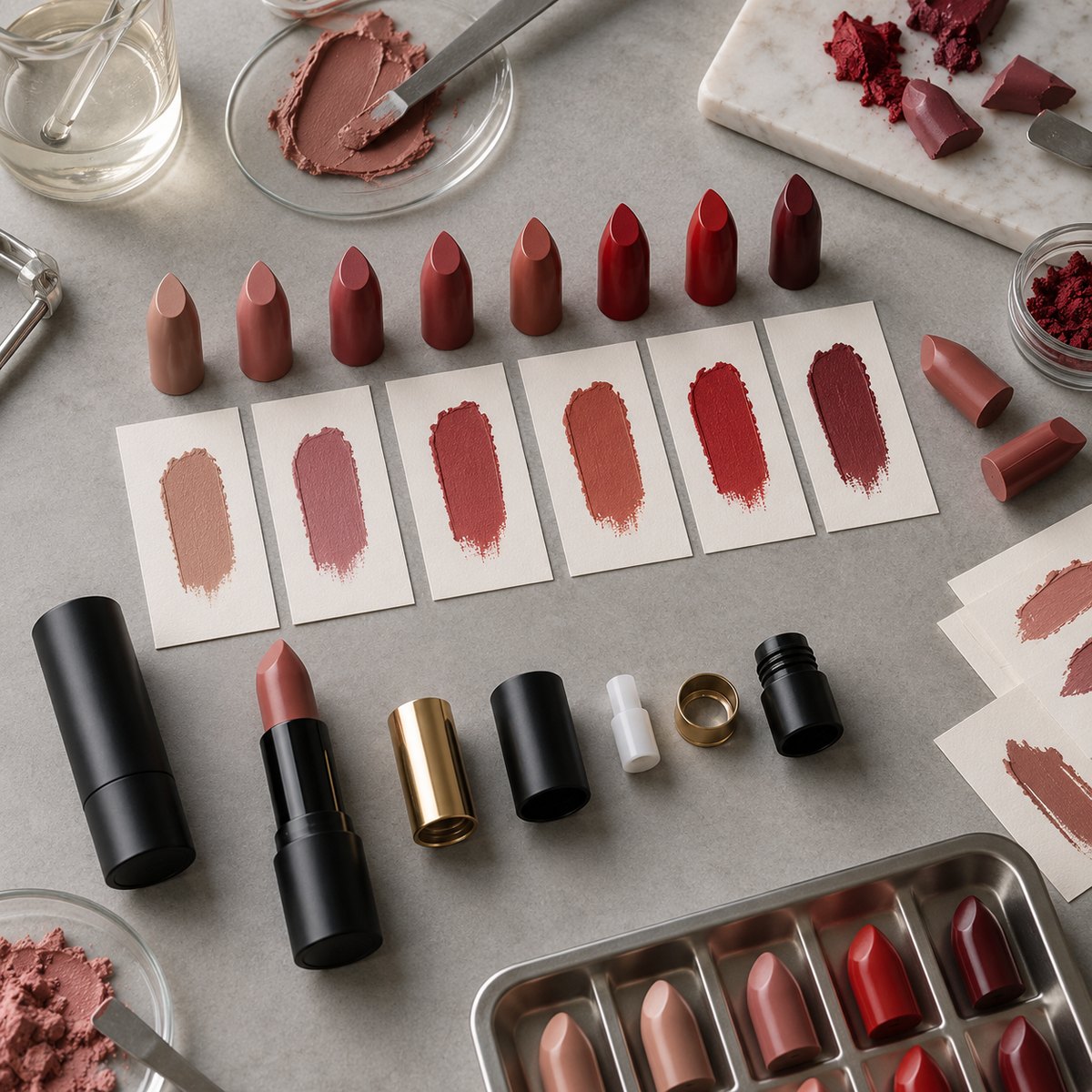
How to choose: pick the one claim you can document end to end, and state only that one. A listing with one verified claim outperforms a listing with four unverifiable ones, in every channel that checks.
Which Documents to Request From a Supplier
The document request follows the claim, and each claim points at a named document.
For material claims: the component material specification, with the material type and any recycling identification codes. For formulation claims: the full ingredient list in INCI naming, with its formulation reference, the same document that supports any formulation-level statement. For production claims: the certificate itself, with its scope, issuer and validity dates stated.
Then ask the two questions that separate documentation from decoration: what level does each document exist at, per batch, per component, or per factory, and what does not exist. A supplier who states the gaps plainly is easier to work with than one whose brochure implies full coverage.
Cost impact: none directly, documentation requests are free. The cost of skipping them arrives later, as a marketplace challenge, a customs query or a customer complaint you cannot answer with the brochure.
Keeping Your Listing Inside the Claim
The claim on your listing must stay inside what the documentation supports, in the market where you sell.
Regulatory requirements for environmental claims differ by market, and several markets have guidance or rules on green claims that make vague terms a compliance risk. The registration and labelling obligations for your destination market sit with the brand placing the product there, the same allocation that governs every compliance document in the sourcing file.
Practically: write the listing claim from the document, not from the brochure. If the component specification states the material and the recycling code, the listing can state the same. If the certificate covers the factory's environmental management, the listing can reference the certificate by name if the certificate's terms allow it. If neither exists, the listing describes the product without the claim, and the product still sells on its merits.
One documented claim, stated in market-legal language, beats any number of aspirational ones, and the same documentation habit supports every other claim your range will make.
How to choose: one documented claim, stated in market-legal language, beats any number of aspirational ones. And the discipline compounds: the same documentation habit supports every other claim your range will make.
Send the claims you are considering and your destination market, and we will tell you which documents exist, at what level, and what each can support. We coordinate it with the long-term manufacturing suppliers behind your [private label programme](/private-label).
Check your claimsFrequently Asked Questions
What does recyclable mean on a cosmetic component?
That the material can be recycled in the market where it is sold, which depends on local infrastructure, not just the material. Confirm the material identification and recycling code on the component, and check both against your local recycling system before the claim goes on your listing.
What documents should I ask a supplier for regarding sustainability claims?
The document behind each claim: the component material specification for recyclability, the refill system details for refillability, the certificate with scope and validity for production claims. Ask what level each exists at, and ask what does not exist.
Can I print a sustainability claim on my packaging?
Only inside what the documentation supports and what your destination market's rules allow. Environmental claim rules differ by market, and the brand placing the product on the market carries the labelling obligation. Write the claim from the document, not from the supplier's brochure.
Is a factory-level certificate enough for a product-level claim?
Check the certificate's scope. A factory-level environmental management certificate describes the site, not every product made there. A product-level claim needs documentation that names the product or component.
What is the safest sustainability claim for a first range?
The one you can document in one sentence. Reduced packaging is often the most supportable, because it compares two configurations you control and can state the difference plainly.
Who is responsible if a claim is challenged in my market?
The brand placing the product on the market. The supplier provides documentation; the listing language, the market rules and the challenge response belong to the brand, which is why the claim must stay inside the documentation from the start.
Conclusion
Sustainability language becomes real at the document: the material specification, the certificate scope, the ingredient list. Ask by name, state from the document, and the claim survives every channel that checks.