ml or g, and How to Ask About a Formula: Reading a Cosmetic Spec Sheet Before You Approve
Two spec sheet details decide most bulk disputes: the unit the volume is stated in, and how formula claims are worded. What to confirm and how to ask.
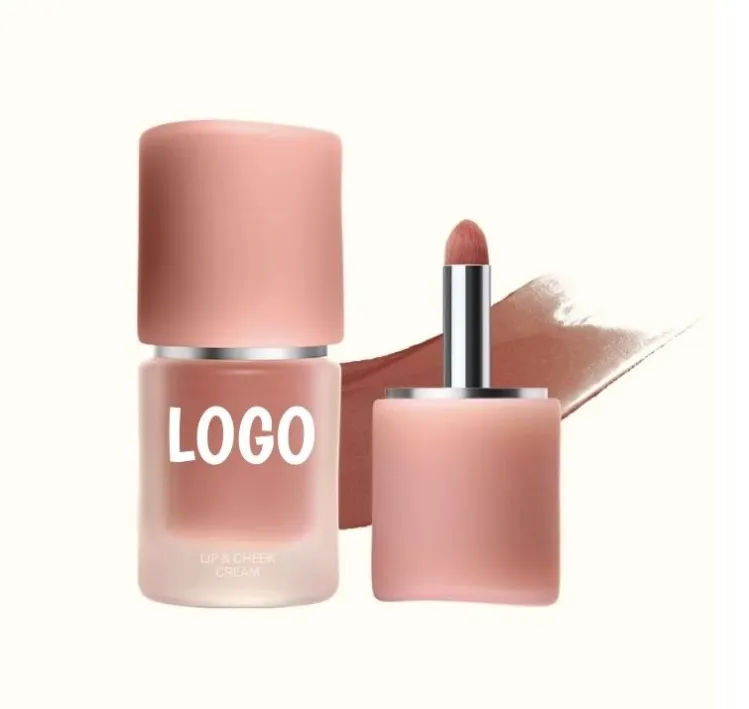
A buyer asked: what are the ingredients in these? The answer came back as a marketing paragraph, plant extracts, nourishing oils, benefits and no quantities. The buyer wanted a formulation disclosure and received a product description, and did not notice until bulk.
The second question was even simpler: is the format ml or g? That one gets asked because it has bitten people before. Volume and weight are different numbers for the same product, and a specification that says "15" without saying which will be interpreted differently by the factory, the label printer and the listing.
These two questions generate a disproportionate share of bulk disputes.

Units First: Why ml and g Are Not Interchangeable
Start here, because it is the cheapest thing to get right and the most common thing to get wrong.
Volume (ml, fl oz) measures space. Weight (g, oz) measures mass. For water-like density they are close; for an oil, balm, mousse or powder they are not, and the gap can run widely across the range from a watery gel to a balm. A jar quoted in grams and a jar quoted in millilitres are not the same jar.
This matters in four places. The component specification, fill capacity has a unit, and has to match it. The label, net content declarations are regulated by destination market. The marketplace listing, ml and g fields are often separate, and a mismatch gets flagged. And the cost comparison, two quotes in different units are not comparable without a density you may lack.
How to choose: require the unit on every quantity line on the specification, net content, fill weight, component capacity, and require that bulk matches the approved sample in the same unit. "Same as sample" without a unit is not a specification.
There is a related trap on shade and batch codes. A shade code that means one thing at sampling and another at bulk is a unit error in disguise. Ask for the shade code mapping in writing, alongside the shade, texture and packaging details you confirm before bulk.
What a Specification Sheet Must State, and What Gets Quietly Dropped
A specification sheet has one job: describe the product precisely enough that a dispute can be resolved by reading it. Most disputes come from one of four fields being absent.
Check four fields first: net content with its unit, the full ingredient list with a formulation reference, the component specification stated separately, and acceptance criteria with tolerances. A missing field becomes your problem at bulk, not the supplier’s.
Net content, with its unit. Covered above. If missing, everything downstream is negotiable.
The full ingredient list, in INCI naming, with the formulation reference. Not a marketing list. An ingredient list has names and a reference code, and the code is what lets you check that bulk matches the sample.
The component specification, separately. The product and its packaging are two specifications and frequently one document. If the closure, the seal and the board grade are not listed, a component substitution is not a specification breach on paper, it is just a change.
The acceptance criteria. What is being checked, against what tolerance, at what level. A specification with no tolerance is a wish; a specification with a tolerance is enforceable. This is the document you need when you verify that bulk meets specification.
What gets dropped, in our experience, is usually the fourth. Tolerances are uncomfortable to write because they admit variance exists, so they get replaced with adjectives, and adjectives are where disputes are lost.
How to choose: check those four fields first on any specification you receive. If one is missing, ask for it before you approve the sample, because a missing field becomes your problem at bulk, not the supplier's.
Formula Statements: How to Ask Without Getting Spun
This is the part buyers find hardest: formula questions are answered in marketing language by default, and the buyer often cannot tell whether they got an answer.
The reason is structural. A question like "does it contain X" invites a reassurance. A question like "which of these substances are present, and at what level" invites a document. Ask the second kind.
Ask for the ingredient list, not for a summary. The list is a document; the summary is a position. Ask for the formulation reference with it, so you can check bulk against the approved formulation.
**Ask what is *not* in it, in writing, and expect it to be answered from the ingredient list.** If a buyer needs a specific absence confirmed, the honest answer comes from reading the list against the requirement, not from a yes. Get the answer as "the formulation reference we will produce to is X, and here is its ingredient list".
Be careful with claims you plan to print. A property that is true of an ingredient is not automatically a claim you can make about the finished product, and a claim that is defensible in one market may not be in another. Substantiating a claim and registering or notifying a product for a destination market sit with the brand placing it on that market, a supplier cannot transfer that responsibility, and a supplier who offers to is telling you something.
Ask what documentation exists, at what level. Per batch (for example a certificate of analysis) and per formulation (specification and any test reports) are different things. A supplier who blurs them is not necessarily being dishonest, but a buyer who blurs them will be surprised later. Documentation is available upon request; ask for it by name.
When to use: ask formula questions in the same message as the specification request, not as a follow-up. Follow-up questions get follow-up answers, which are the ones written by whoever has the fewest facts.
Documents: How to Request "Available Upon Request" Properly
"Available upon request" is a process statement, and only as good as the list next to it.
Ask for the named list: formulation and ingredient documentation, component and packaging specifications, batch documentation where it exists, and any test reports that exist on the product as sold. Ask at what level each exists, per batch or per formulation. Ask what does not exist, because absence is information you can plan around, whereas implied coverage is a gap you discover at the worst moment.
Then ask two practical questions: how is a document requested, and how long does it take. A process that takes three weeks is a different process from one that takes two days, and the difference matters if you are assembling a listing or responding to a marketplace request. Response windows differ by supplier, and the wide end is what you plan against.
How to choose: put the document list on the purchase order, not in the email thread. A document commitment on the PO is the only version that survives a change of contact on either side.
The Confirmation Checklist Before Bulk Approval
Six lines, checked before you sign off on bulk:
1. Net content stated, with its unit, on both the product and the component specification.
2. Full ingredient list in INCI naming, with a formulation reference.
3. Component, closure and packaging specified separately, not implied.
4. Acceptance criteria and tolerances written down, not described (if the supplier has no stated position, state a default tolerance, do not leave it implied either way).
5. Shade and batch code mapping in writing.
6. Document list with the level each exists at, and the request route.
If you are assembling the requirements rather than checking a supplier's sheet, we wrote about organising your requirements into a specification sheet from the other direction.
How to choose: run this against the sample you approve, and again against the bulk specification. The second run catches substitutions.
Send the specification request and the formula questions in one message. Follow-up questions get follow-up answers written by whoever has the fewest facts; one message keeps the answers in one document.
Tell us the product and the market, and we will put the unit convention, the formulation reference and the document list on one sheet before you approve bulk. We coordinate it with the long-term manufacturing suppliers behind your private label programme.
Discuss your specificationFrequently Asked Questions
Is ml the same as g on a cosmetic specification?
No. Volume and mass are different measurements, and for anything that is not water-like, oils, balms, mousses, powders, the two numbers diverge. A specification that states a quantity without its unit will be read differently by the factory, the label printer and the marketplace listing.
Why does my supplier send a description when I ask for ingredients?
Because the question as usually phrased invites a marketing answer. Ask for the full ingredient list in INCI naming with the formulation reference, and ask for it in the same message as the specification sheet, follow-up questions get follow-up answers.
Can a supplier confirm a product is free of a particular substance?
The reliable answer comes from the ingredient list of the formulation that will actually be produced, not from a yes. Ask for the formulation reference and its ingredient list, and check against your own requirement.
What should be on a cosmetic specification sheet?
At minimum: net content with its unit, the full ingredient list with a formulation reference, the component and packaging specification stated separately, and acceptance criteria with tolerances. Missing tolerances cause more disputes than wrong ones.
Who is responsible for labelling and registration?
The brand placing the product on the destination market, and the local entity it appoints. Substantiating claims and meeting local labelling and registration requirements sit with the brand; formulation and component documentation is available upon request from the production side.
What documents should I ask for, and at what level?
Ingredient and formulation documentation, component and packaging specifications, batch documentation where it exists, and any available test reports on the product as sold. Ask whether each exists per batch or per formulation, those are different things.
Should the specification be on the purchase order?
Yes, the specification reference, the formulation reference, the unit convention, the tolerance and the document list. A specification that lives only in an email thread does not survive a contact change on either side.
Conclusion
Two disciplines settle most bulk disputes: state every quantity with its unit, and ask formula questions that require a document rather than a reassurance. Run the six-line checklist against the sample and then the bulk; the second run is the one that catches substitutions.