Hand Painted or Printed Press On Nails: Buyer Checklist
A design image needs a description behind it. Confirm the colour finish, pattern method and decorations separately for each press on nail SKU before approval.
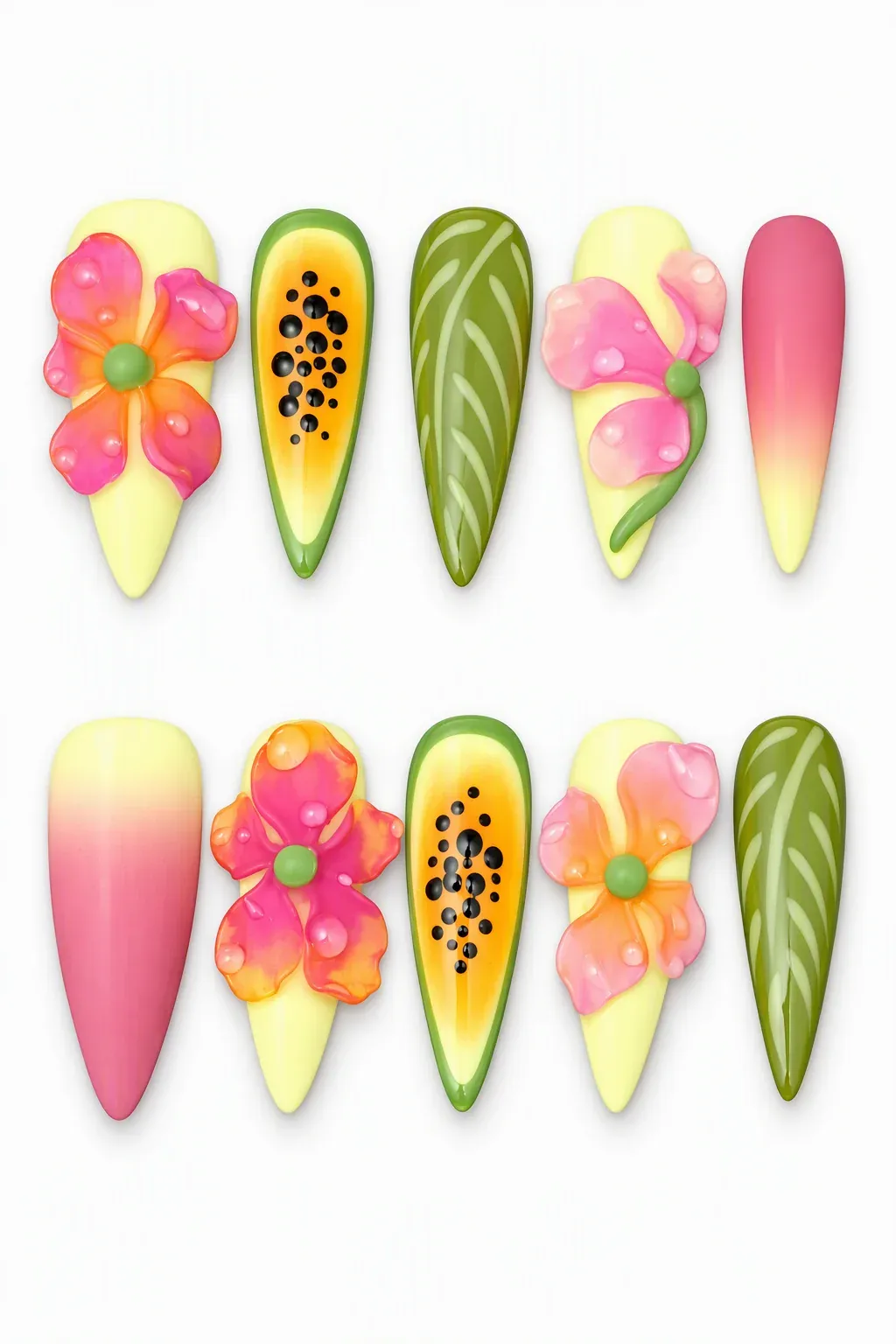
When we prepare decorated designs for retail ranges, the questions that matter are never about one technique; they are about which technique sits under each visible element of a selected SKU.
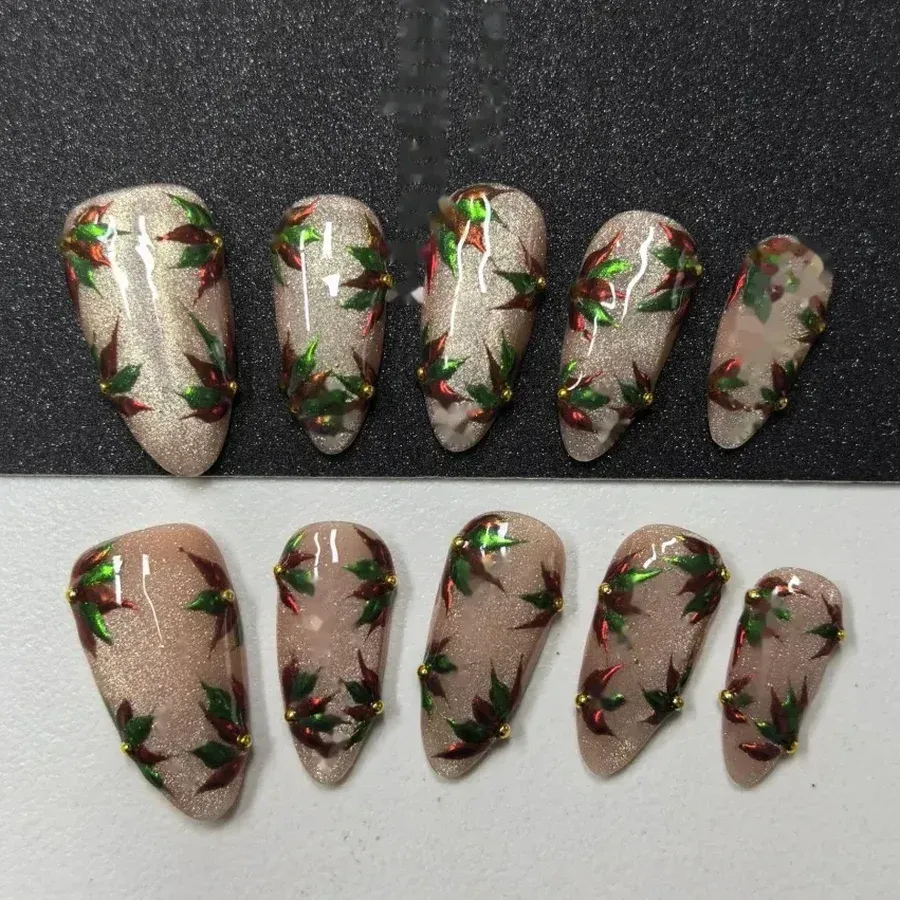
A broad description such as handmade does not resolve the detail of a selected design. Split the colour finish, the pattern method and the attached decorations into separate questions, and let the supplier confirm an answer for each element of the exact SKU.
Then carry those answers through the review: real product views to support them, an agreed version for any custom variation, and a record that says who holds the confirmed description.
Which Questions Should You Ask Separately?
Precise answers start with precise questions: the suppliers who respond well on decorated ranges are the ones asked about each element separately.
Keep the base material, the surface finish and the decorative method as separate questions. If a quotation refers to gel, ask what that term describes in the selected product rather than assuming it also explains how the visible pattern was created.
The reason for separating them is that each answer comes from a different part of production, and each one fails differently. A base material answer tells you about the body of the nail. A finish answer describes the surface your customers will photograph and compare. A method answer explains how the pattern your marketing leans on was put there. When one word is asked to answer all three questions, it usually answers none of them precisely, and the gap appears later in your product copy at exactly the moment you can least afford it.
Three questions that cover most designs
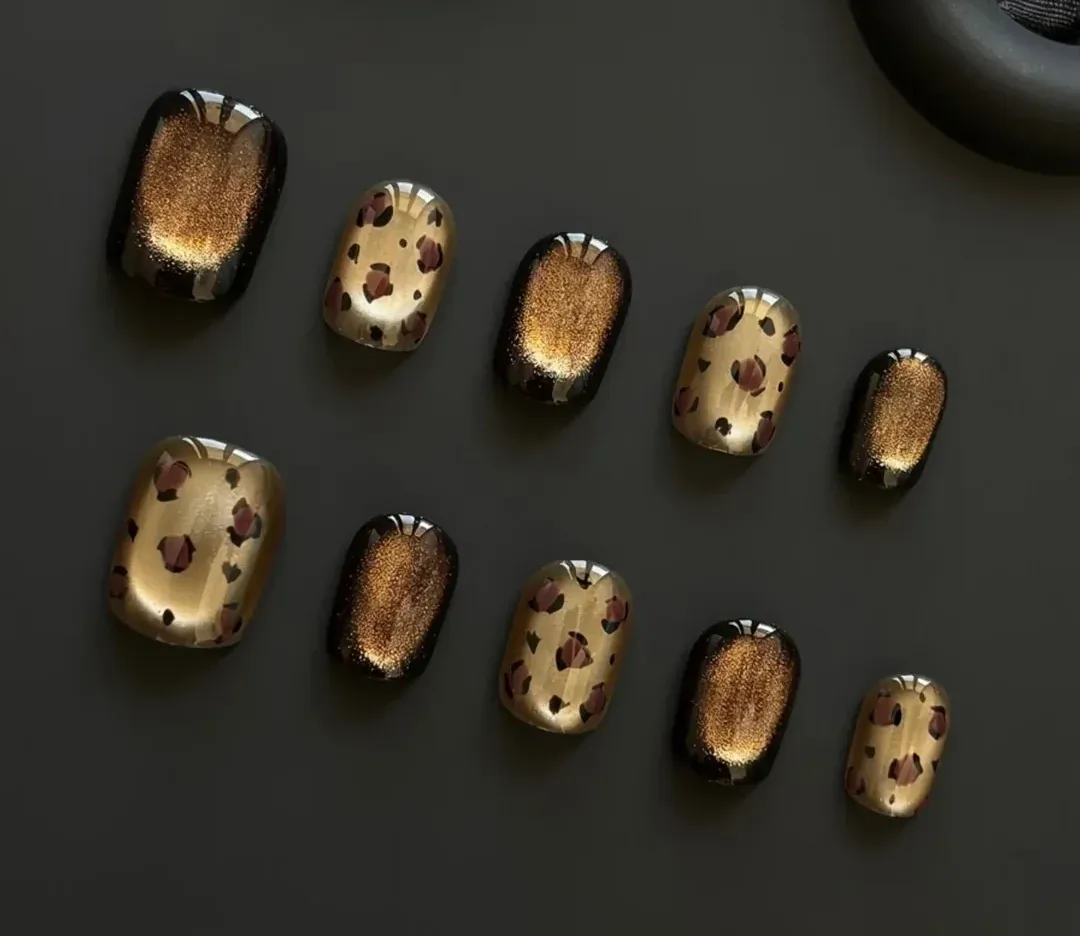
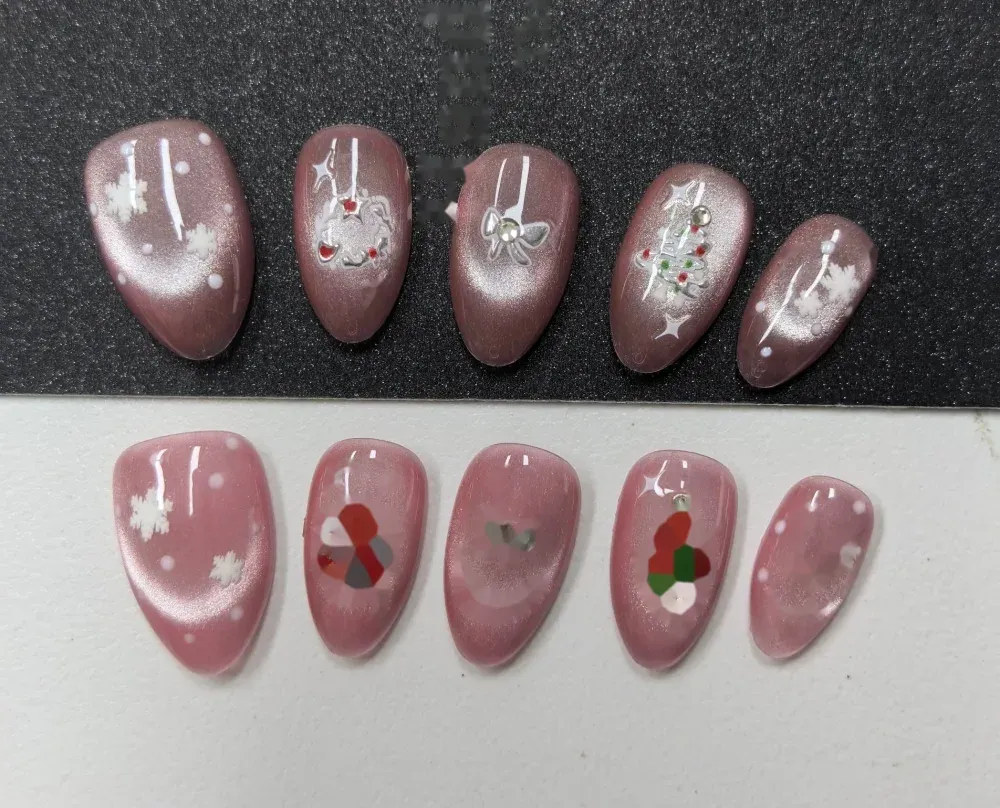
What is the colour finish of the base? How was the visible pattern produced for this SKU? Which pieces on the set are attached components rather than part of the surface? Nails are decorated with a wide range of techniques, from painted detail to printed films and added charms1, so a single word in a catalogue rarely carries all three answers. Write the three answers into your notes per SKU, and the description behind the design image starts to exist on paper rather than in assumption. Splitting the questions also makes them checkable: a statement about the colour finish can be reviewed against the surface in the video and the sample, while a statement about a raised charm can be checked by looking at how it is attached.
The same discipline applies when a message refers to gel: ask what the term describes in the selected product, because it might name the colour system, the finish or the base material, and each of those answers implies a different listing wording on your side. One short exchange per element is cheaper than one returned parcel later.
| Question | What the answer covers | What you check it against |
|---|---|---|
| Colour finish | The base colour and surface treatment | The sample surface under consistent light |
| Pattern method | How the visible artwork was produced | The exact-SKU video and the sample |
| Attached pieces | Charms, flowers and raised parts | How each piece sits and is secured on the sample |
What Can Real Product Views Actually Show?
Current photographs or a close video of the exact style are worth requesting explicitly, because older images drift quietly from what production actually makes.
Request views that show the pattern, the side profile and any attached decorative elements. If an image is a reference design or a digital mockup, keep that status visible in your buying record rather than letting it pass as a photograph of a finished SKU.
What photographs prove and what they do not
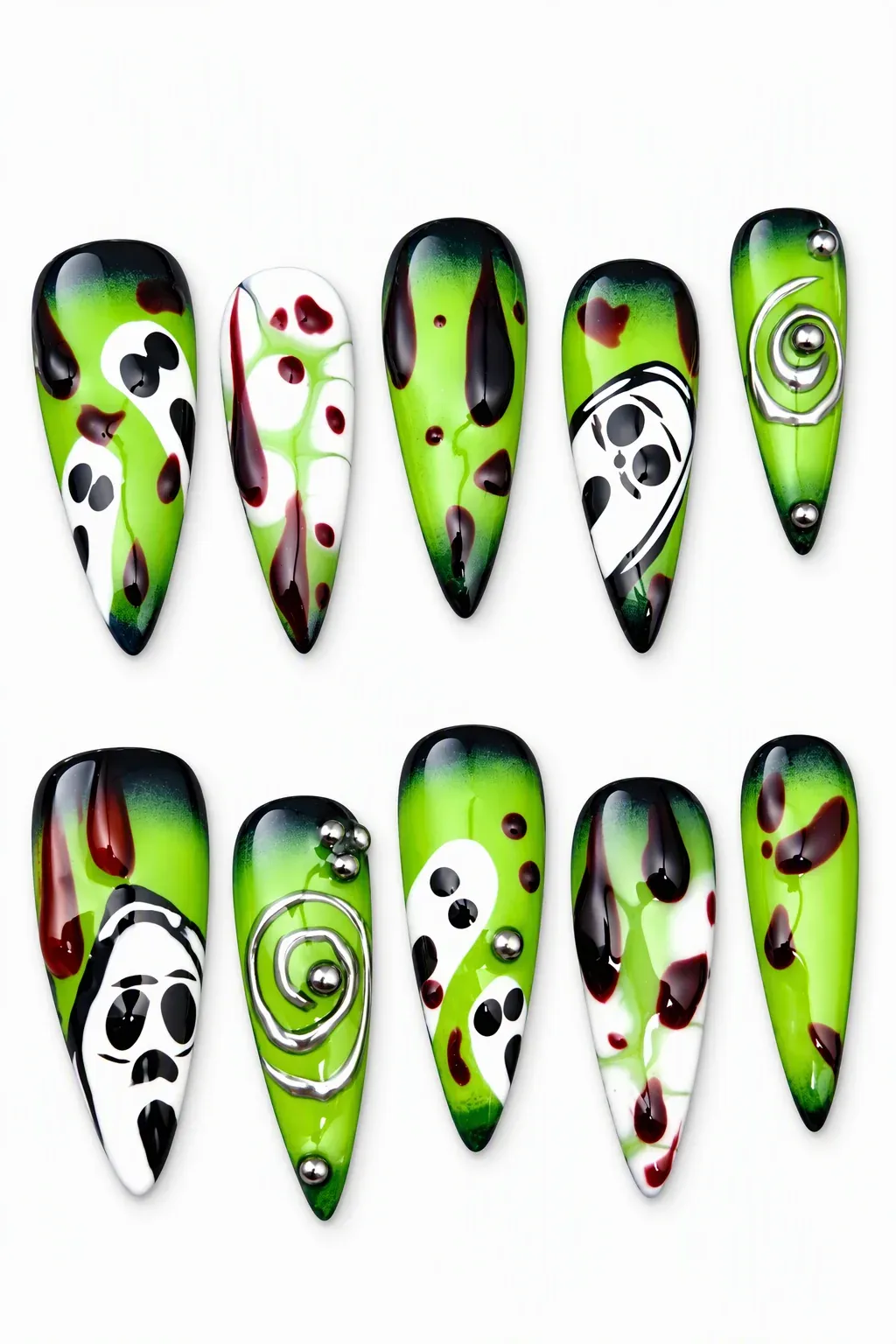
Photographs help your team assess the appearance, but they do not prove every step of production. Combine them with a written description from the supplier and, where the method matters to your retail positioning, a physical sample. A video adds what stills cannot: how a raised piece is attached, whether the pattern sits within the surface layer, and how the finish catches light from the side. Request close views of exactly those details, because a general turntable clip answers the colour question while leaving the production questions open. Compare the finished appearance with the role you planned for the style, and avoid assuming that a hand-painted, printed or decorated design is automatically the better choice, or that its method alone proves longer wear.
Keep the status of every image in the record as well. A photograph of a finished SKU, a supplier's reference design and a digital mockup can look almost identical in a shared folder, so label each file when it arrives and note which one the quotation was confirmed against. Mixing them up is how a listing ends up describing a product that was never produced.
| Image type | What it is | Status in the record |
|---|---|---|
| Product photograph | A finished SKU as produced | The comparison basis for the sample |
| Reference design | A design direction under discussion | Never treated as evidence of the finished set |
| Digital mockup | A visualisation, not a product | Marked as a mockup wherever it is filed |
How Does a Reference Design Become an Order?
Custom variations start from a reference, and the reference starts doing work only once its details are agreed in writing.
Specify the details you want retained and those you are willing to adjust. Ask which elements can be produced as requested, which need an alternative approach, and what must be reviewed in a sample, then keep the agreed version with its production description together.

Changes deserve the same discipline
An attractive reference image is not confirmation that every detail is feasible, and a supplier's counter-proposal is not a footnote. If one element is produced with a different technique than the reference shows, treat it as a new version to record. Your team approves a described product, so the description has to keep up with the product. Confirm the quotation against the agreed version rather than assuming a previous style or sample carries the same terms, because the terms followed the version that was quoted, not the conversation that came before it.
For custom work, three questions keep the path honest: which elements can be produced exactly as the reference shows, which need an alternative technique, and which must wait for a sample before anyone commits? The answers turn an attractive image into a production plan with named owners, and they give your team realistic expectations before the sample stage instead of after it.
Who Holds the Agreed Design Description?
The buying record should, alongside the approved sample and the confirmed visuals; that is the answer we give every client at handover.
If the description lives only in a message thread or in one colleague's memory, the next review starts from scratch and a catalogue label quietly replaces the confirmed answer. Keep the description with the SKU reference so any future quotation can be checked against it.
A simple convention keeps the record alive: each design entry carries the confirmed answers, the accepted sample reference and the date of the last review. When a colleague picks the folder up months later, or when a fresh sample arrives for comparison, the record answers what this design was approved as before anyone has to reconstruct it from chat history.
What the record protects across reorder cycles
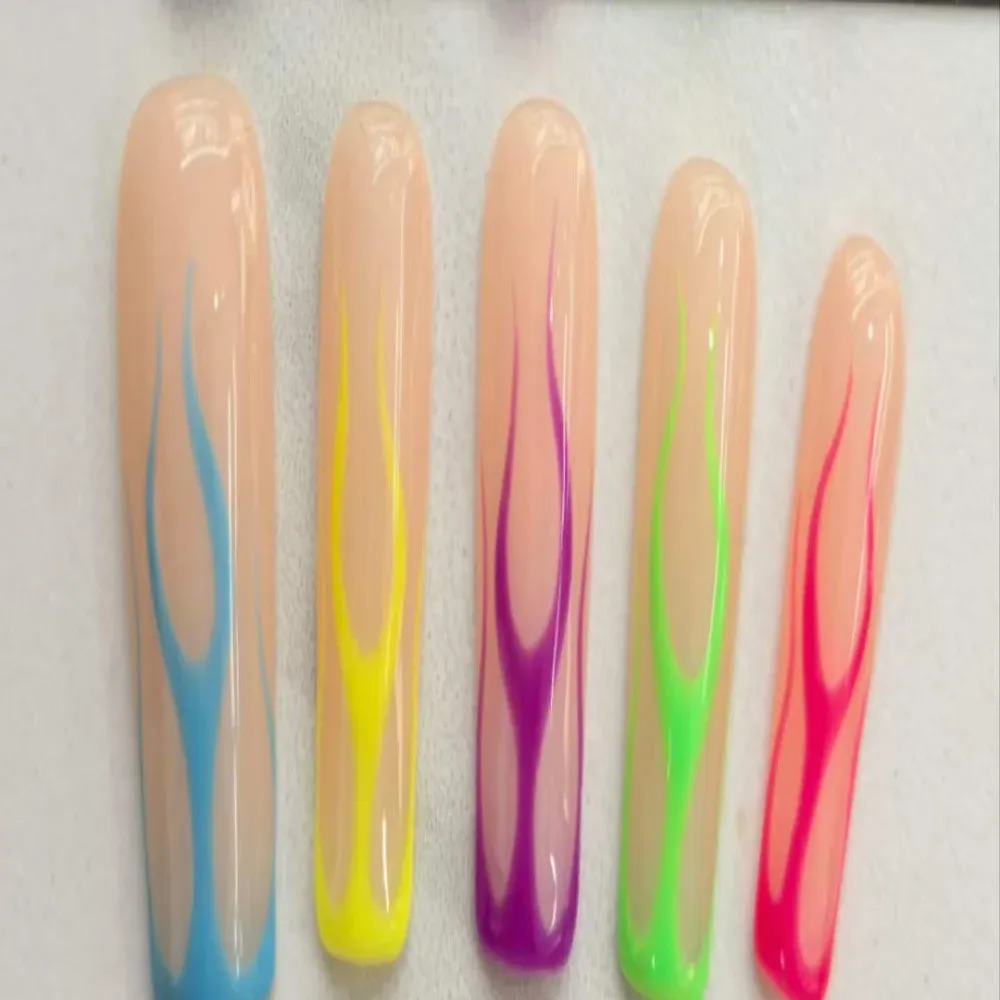
A style approved as a printed pattern with attached charms reads very differently a year later from the sparkly one from the sample box, especially when the person who reviewed it has moved on. The written description is what lets a successor judge whether a fresh sample still matches what the range was built on. Before approval, make sure your team can match the SKU or agreed design reference to its real visuals, its confirmed method and its accepted sample; and if any description remains unclear, mark that point as unresolved rather than filling in the missing detail yourself. An open question with a named SKU is a normal part of buying; an invented answer in a listing is the kind that surfaces as a complaint.
| Record entry | What it holds | What it enables |
|---|---|---|
| Confirmed answers | Colour finish, pattern method, decorations | Listing wording the supplier stands behind |
| Sample reference | The approved sample and its location | A physical basis for later comparisons |
| Agreed version | The custom version with accepted differences | Quotations confirmed against the right version |
| Last review date | When the description was confirmed | A signal for when a fresh sample check is due |
Send ZONO Beauty your selected SKUs or design references and the production details you need confirmed, and we will respond for each SKU before sampling starts.
Confirm design detailsConclusion
Confirm the colour finish, the pattern method and the decorations separately per SKU, and every design discussion ends with a description your listings, samples and reorders can all point back to.