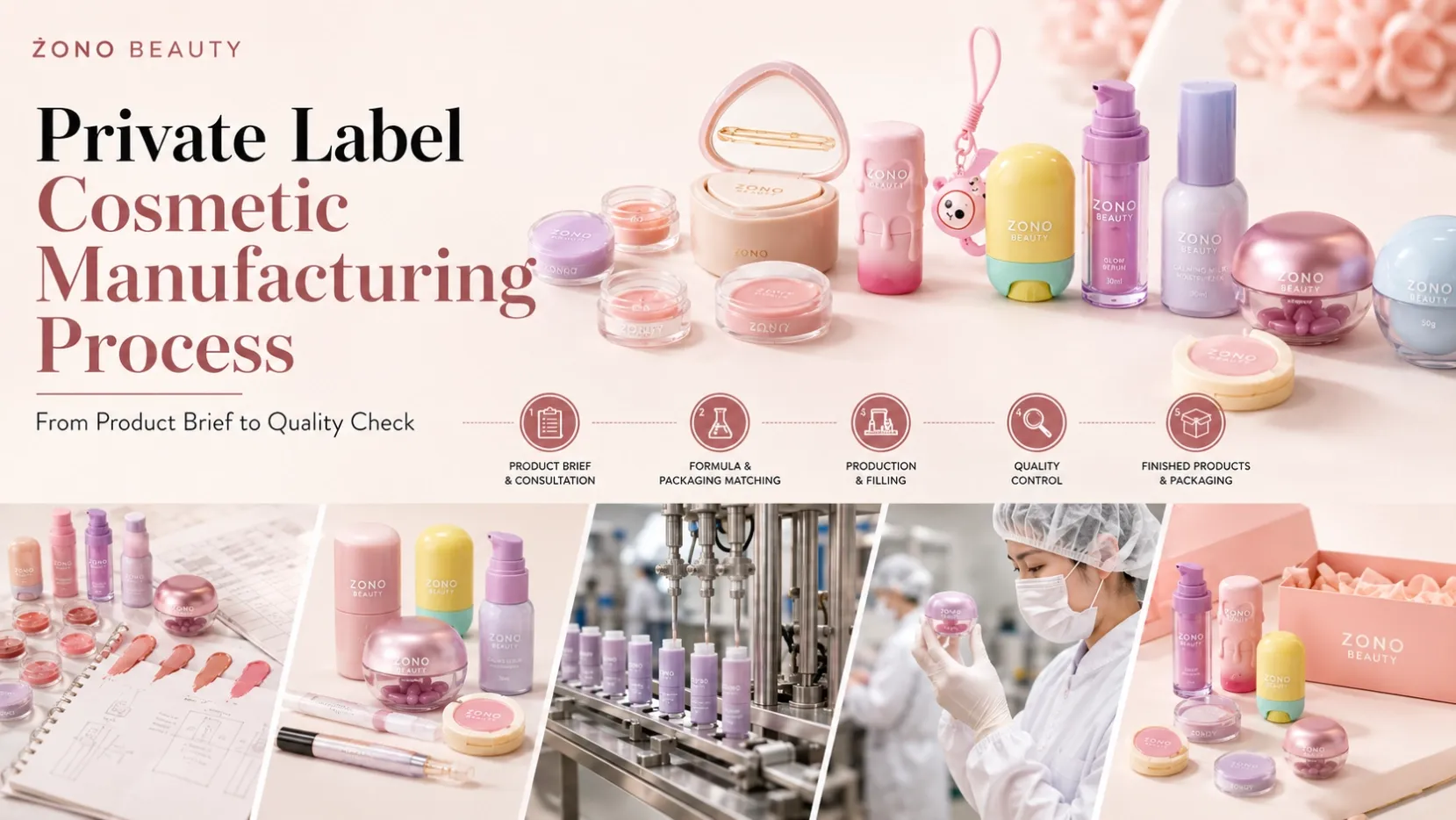
Cosmetic Factory vs Trading Company: How to Identify the Supplier Role
A practical buyer framework for understanding what a cosmetics supplier actually controls before you compare quotes, request samples, or commit to a launch plan.

The useful sourcing question is rarely just “Are you a factory or a trading company?” A better question is: what part of my project does this supplier actually control, and who is accountable when something changes?
A supplier may manufacture some steps, coordinate specialist partners for others, or manage the whole project as a commercial and technical contact. None of those labels is automatically good or bad. What matters is whether the role is clearly disclosed, the scope matches your project, and the responsible party can keep decisions and records aligned from quotation through sample approval.
Start with role transparency, not a label
Ask every prospective supplier to describe its role in plain language. The answers should be specific enough for you to map who does what.
| Buyer question | What you are clarifying |
|---|---|
| Which legal entity will quote and invoice this project? | Your contracting and payment counterpart |
| Which steps are performed directly, and which are coordinated with partners? | The real scope of work |
| Who owns the technical brief, sample revisions, and approved version? | Day-to-day accountability |
| Who coordinates packaging, decoration, filling, or final assembly when those steps are involved? | Handoff risk between workstreams |
| Who will explain a change, exception, or delay? | Your escalation route |
Clear answers do not guarantee an outcome. They do give you a usable operating map before you spend time comparing prices or requesting a complex sample.
Use evidence to test consistency
Supplier evidence is most useful when it is consistent with the role they have disclosed—not when it is treated as a single pass/fail test.
For example, a company may provide its legal entity details, identify a development contact, show product categories it supports, and explain where specialist work is coordinated. Compare those answers with the quotation, sample discussion, product documentation, and the names of the people who answer follow-up questions.
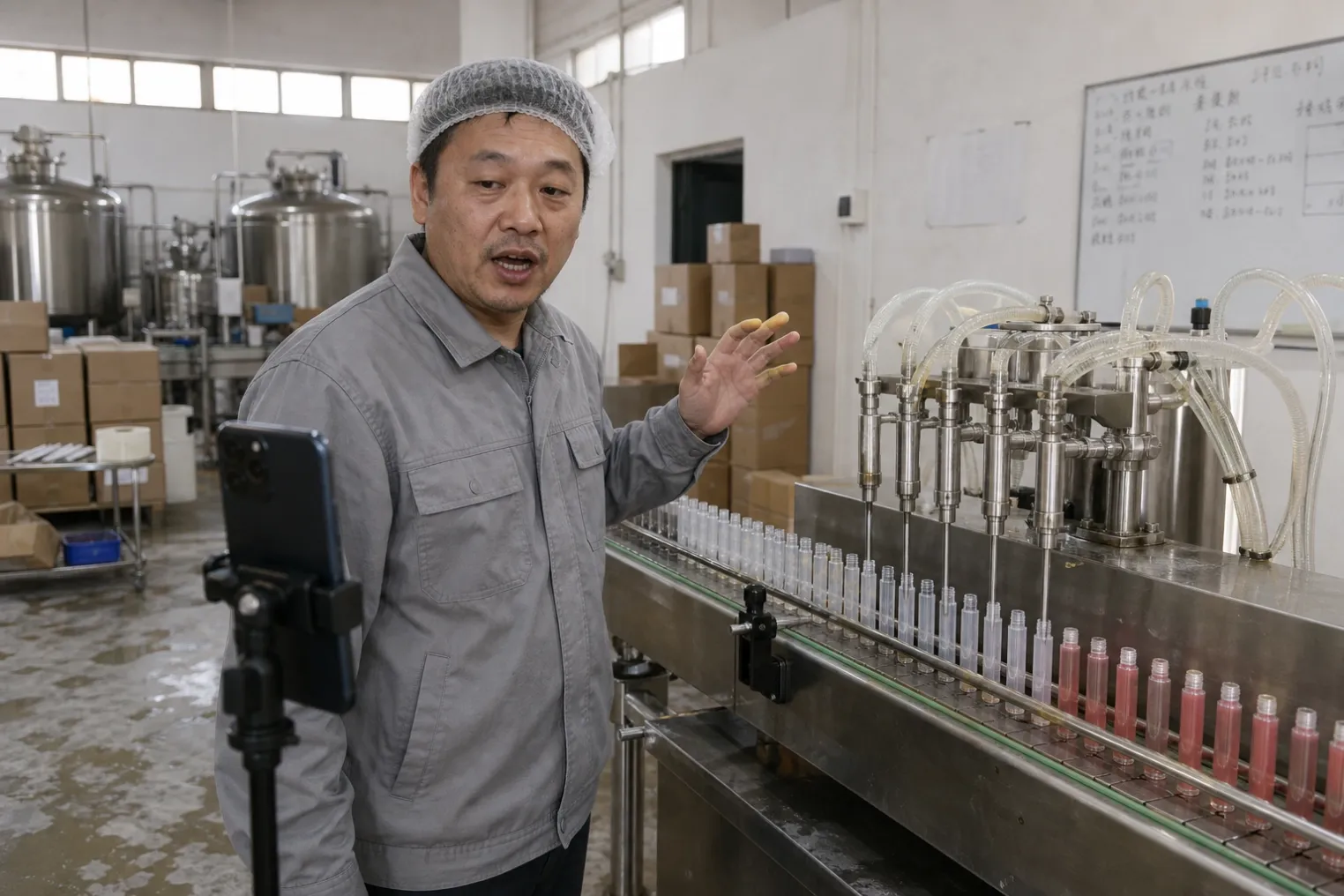
Watch for gaps rather than trying to “prove” a label from one document or video. If the quoted company, technical contact, sample record, and stated scope cannot be reconciled, pause and ask for clarification. A transparent coordinator may be a better fit than a direct manufacturer that cannot clearly manage the project scope you need.
Factory-direct and coordinated supply suit different projects
| Your project need | A direct manufacturing relationship may suit when… | A disclosed coordinator may suit when… |
|---|---|---|
| Narrow, repeatable scope | You know the product and component path and need a focused counterpart. | Not usually necessary unless one contact still improves communication. |
| Several linked workstreams | The supplier can clearly own every relevant step. | One accountable contact can align formula, component, decoration, and sample decisions. |
| Early product development | You can work directly with the team responsible for development and revisions. | You need help translating a brief across several specialized partners. |
| Ongoing replenishment | The approved specification and change-control process are clear. | The coordinator maintains a clear record and escalation path across suppliers. |

The right choice is the supplier whose disclosed role, communication quality, and recordkeeping make your next decision easier to manage.
Confirm who owns the sample and approval process
A sample review is where unclear roles quickly become expensive. Before you approve anything, ask who records feedback, who converts feedback into a revised specification, and how the final approved version is identified.

Use one shared brief or review sheet that records the product route, visible finish, packaging configuration, reference sample, requested changes, and the version that was approved. If a step is coordinated externally, ask who confirms that the same approved information reaches that partner.
Questions to send before requesting a quote
- Please describe your role for this project and the legal entity that will quote and invoice.
- Which product, packaging, decoration, assembly, and development steps do you handle directly? Which steps are coordinated with partners?
- Who is the day-to-day owner of our technical brief and sample revisions?
- What information do you need from us before you can quote a comparable scope?
- How will you identify the approved sample or version and communicate later changes?
- If an exception occurs, who gives the written explanation and proposes the next action?
The quality of the response matters more than a perfect label. A supplier that gives a consistent, scoped answer gives you a clearer basis for the next conversation.
FAQ
Is a factory always better than a trading company?
No. A factory-direct relationship can be useful for a focused, well-defined route. A transparent coordinator can be useful when several workstreams need to be aligned. Choose the model that makes accountability and scope clear for your project.
Can I verify a supplier from a business document or facility video?
Treat any single item as one input, not conclusive proof. Ask whether it matches the legal entity, stated work scope, technical contacts, and sample process. Seek clarification when those items conflict.
What should I do when the supplier’s role is unclear?
Do not force a price comparison yet. Ask for the six answers above, restate the scope in writing, and use the response to decide whether the project is ready for a quote or sample stage.
Make the role clear before the project becomes complex
For a private-label cosmetics project, the best first step is often a short role-and-scope conversation before samples, packaging choices, and quote comparisons multiply. If you are planning a launch, discuss your project To see how ZONO frames its own role across a private label project, review the private label makeup routes. with a brief that identifies the product route, target market, packaging direction, and the decisions you still need to resolve.