How to Verify If a Lip Makeup Supplier Is Genuine and Reliable?
Start with a document-and-identity check: compare the legal entity named in a quote with relevant registration records, request project-relevant quality documentation, and verify the scope and validit

Start with a document-and-identity check: compare the legal entity named in a quote with relevant registration records, request project-relevant quality documentation, and verify the scope and validity of any document with the issuing body where appropriate.
What documents should I ask for before trusting a lip makeup supplier's claims?
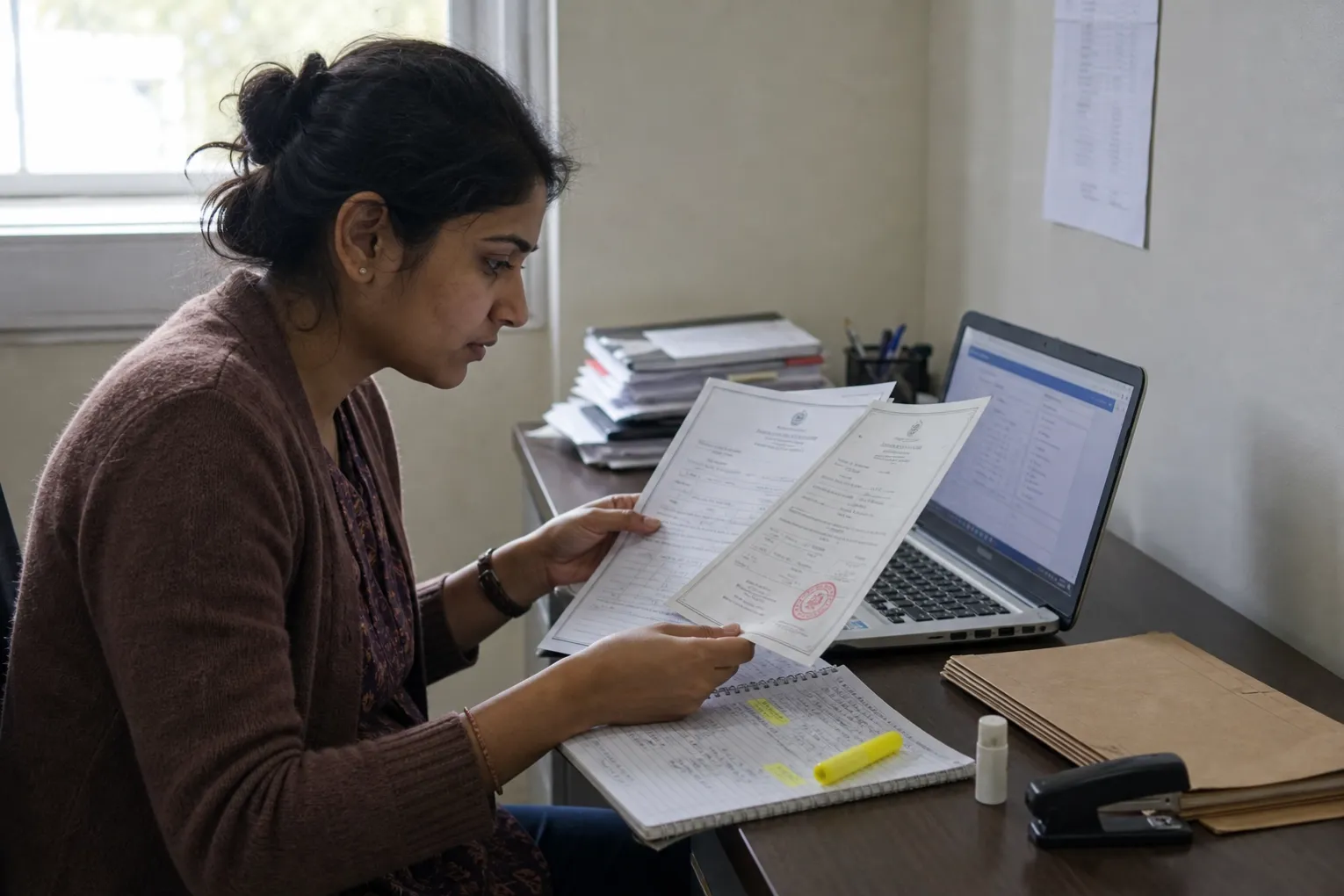
Buyers may ask a prospective supplier for relevant business-registration, manufacturing-permit, quality-system, COA and SDS/MSDS documentation. The required documents, their scope and their validity should be checked for the specific product and destination market.
Start with business license verification
Cross-check every certificate against the entity
| Document | What it tells you | How to verify it |
|---|---|---|
| Business license | Legal name, address, business scope | Check the Unified Social Credit Code on official registries |
| Cosmetics production license | The entity is licensed to manufacture cosmetics in China | Confirm the license number and address with the provincial authority |
| GMP certification / ISO 22716 standards | Hygiene, traceability, and process controls exist | Contact the issuing body; check certificate number, factory name, and expiry date |
| Factory audit report | A third party inspected the actual site | Confirm the auditing firm and the audit date independently |
| COA (Certificate of Analysis) | Batch-level test results for the product | Ask for batch numbers and match them to production records |
| MSDS documentation | Ingredient safety data for the formula | Match the formula name and version to your quotation |
How do I know if a supplier's sample will actually match my bulk order?
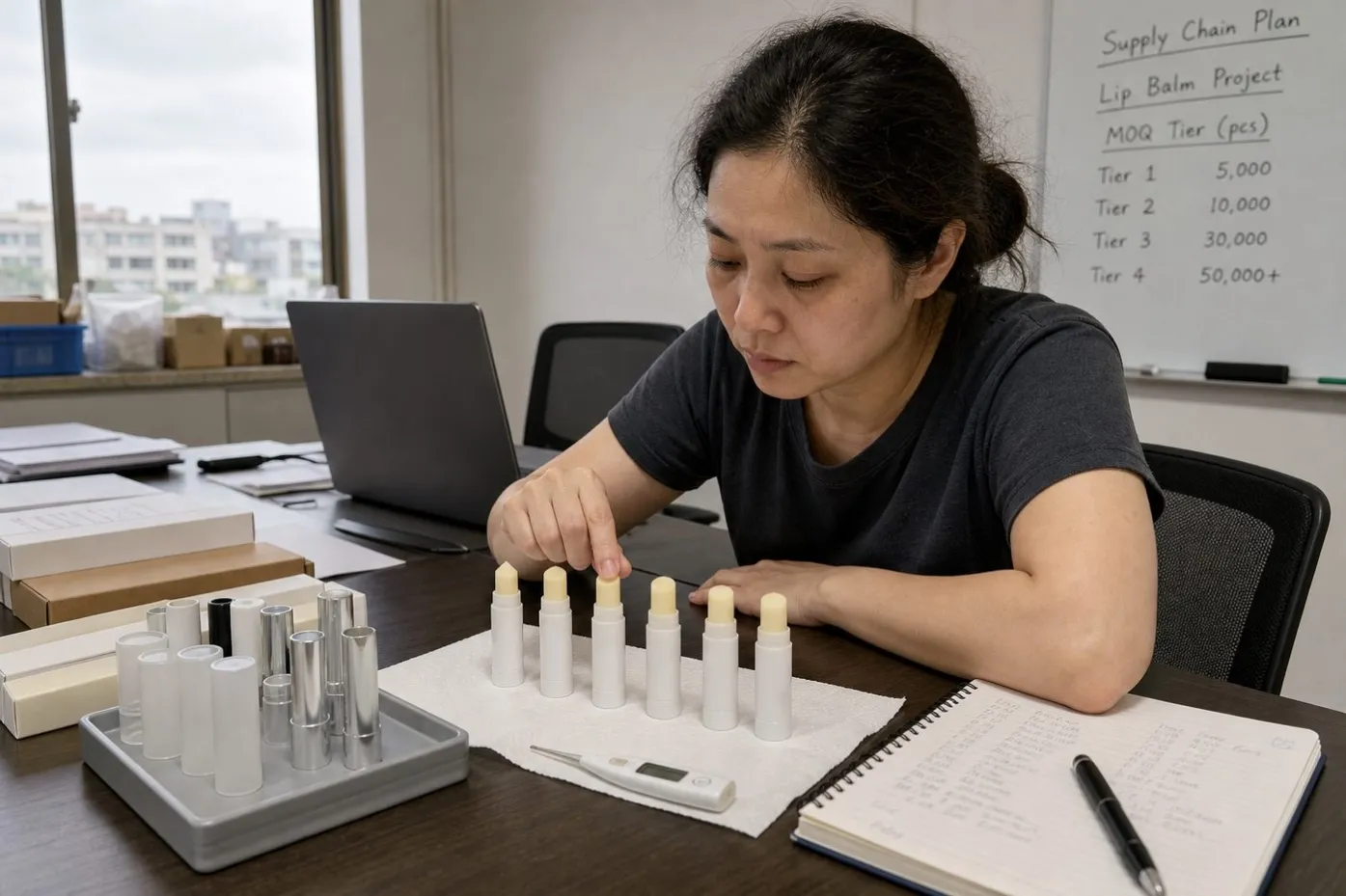
A sample is most useful when the buyer and supplier document what it represents: the agreed formula direction, packaging component, shade standard and acceptance criteria. Before bulk approval, record any project-specific control sample, tolerance and verification method in writing.
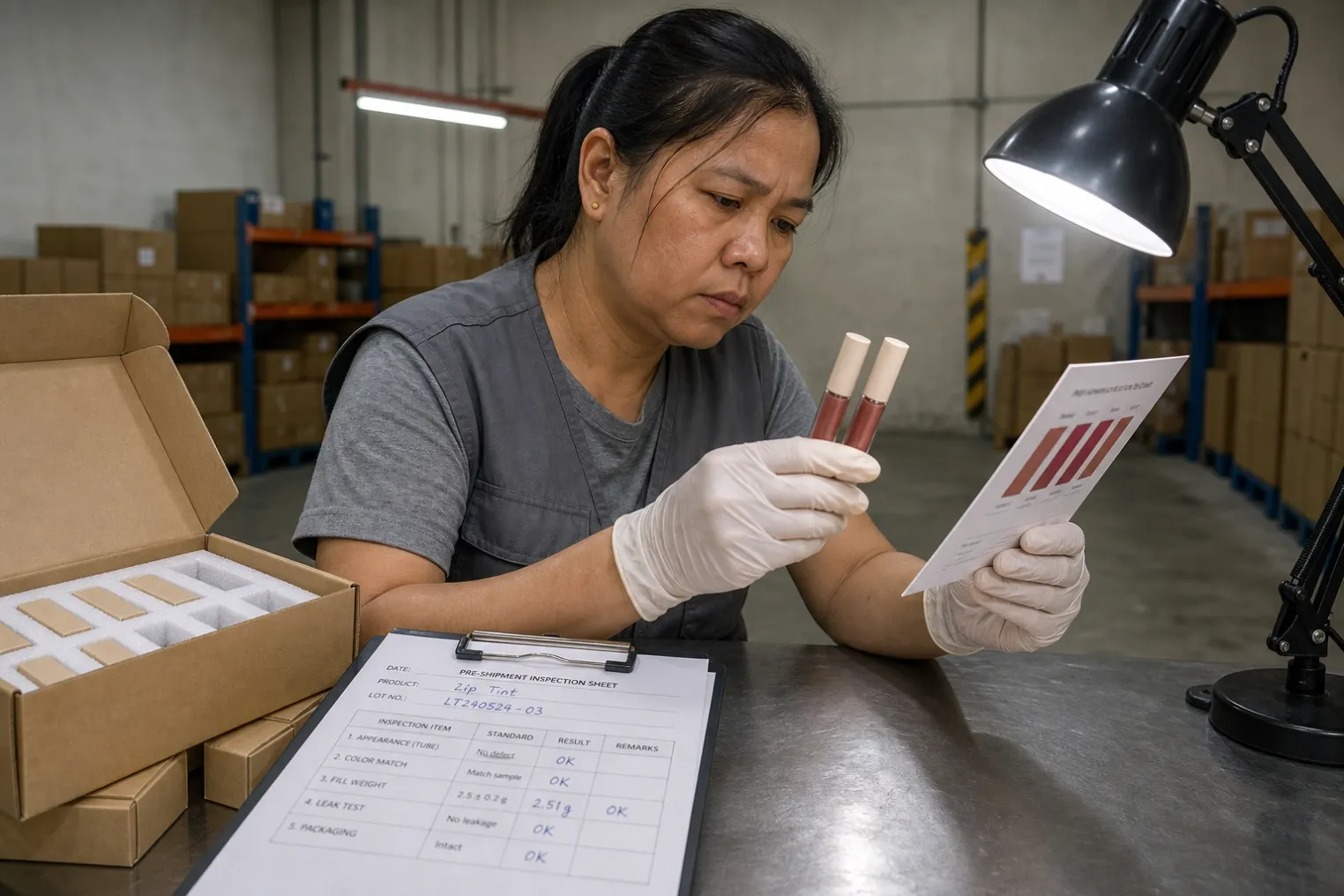
Understand what each sample stage actually proves
| Sample stage | What it proves | What it cannot prove |
|---|---|---|
| Lab bench sample | The formula direction, texture, and shade concept | Line behavior, batch consistency, packaging fit |
| Pre-production sample | Compatibility with your actual tube, wand, and wiper | Consistency across a full production batch |
| Pilot / first bulk batch | Real line output, filling accuracy, shade repeatability | Long-term stability across future reorders |
Lock the tolerance in writing before production
What communication red flags tell me a supplier might go quiet during production?
Treat inconsistent legal-entity details, unclear answers about documentation, or pressure to proceed before the project scope is documented as reasons to ask further questions or pause for verification. One signal alone does not prove a supplier is unsuitable.
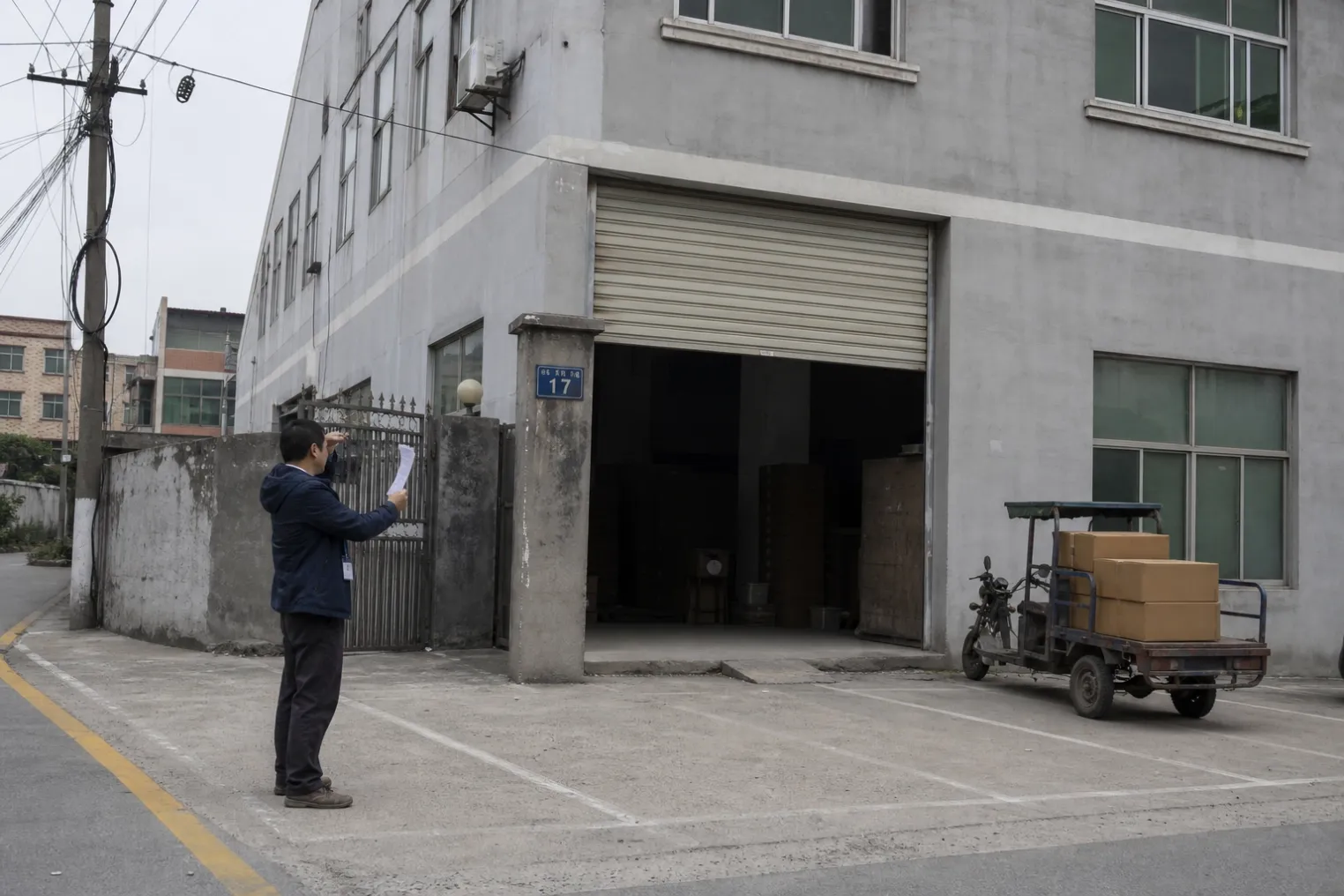
Read the signals as a traffic light
| Signal | Green light | Yellow light | Red light |
|---|---|---|---|
| Legal entity | Names it unprompted, matches the license | Names it only when pushed | Refuses or keeps changing the answer |
| Production site | Offers a live video walkthrough | Sends only pre-recorded videos | Dodges every request to see the site |
| Documents | Shares them with verifiable numbers | Shares slowly, with excuses | Sends mismatched or expired files |
| Payment | Standard terms, no urgency | Mild discount pressure | "Pay today or lose the price" |
| Pricing | In line with market range | Noticeably cheap, thin explanation | Far below market with urgency tactics |
Check the digital paper trail
How can I confirm a lip makeup supplier's factory can actually handle my order size?
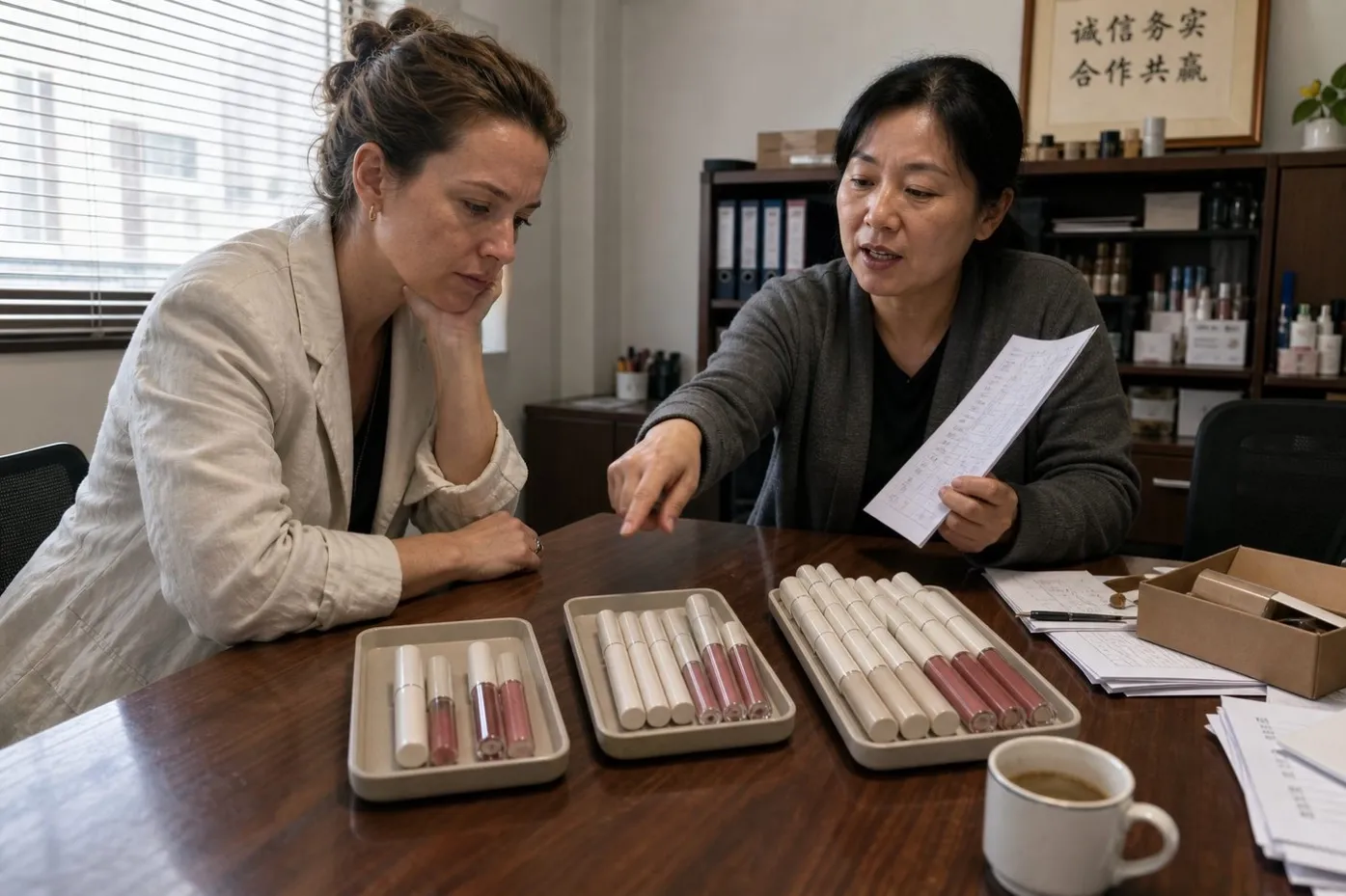
For an order where manufacturing capability is material, buyers can request a current walkthrough or other verifiable evidence and ask how the proposed quantity, product type and project schedule would be handled. Capacity, MOQ and timing remain project-specific confirmations.
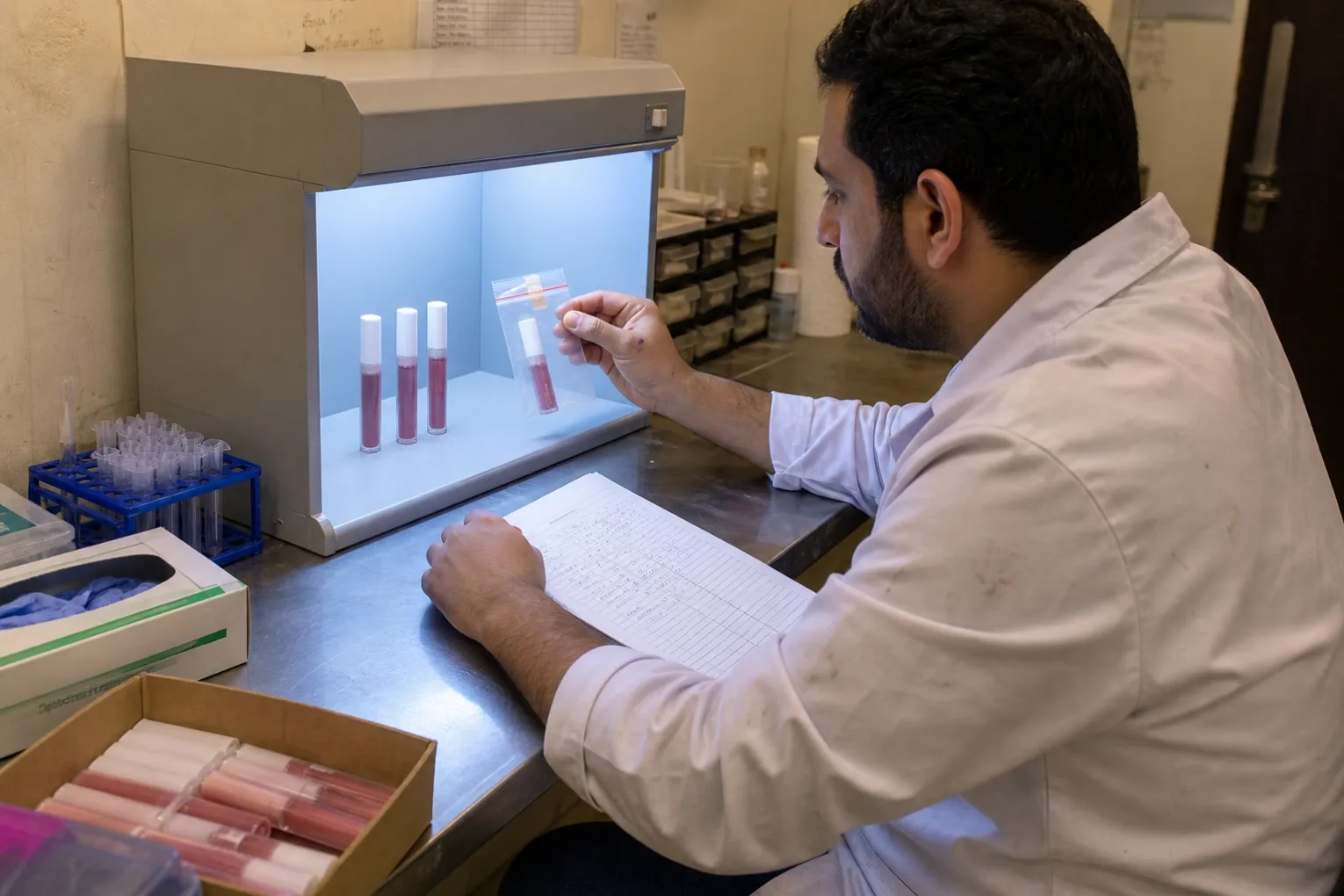
Run the walkthrough in this order
- Raw material storage. Ask to see incoming pigment and base storage. Look for labeling, lot numbers, and organized shelving — traceability starts here.
- The filling line, running. An idle line proves nothing. Ask to see your product category actually being filled, even for a relevant unbranded production run.
- The QC station. Look for retained sample shelves, inspection sheets, and calibration logs on measuring equipment.
- Hygiene practice. Watch for PPE, hairnets, and changing areas consistent with GMP certification claims, not just clean walls in the lobby.
- The warehouse and outbound area. Stacked, labeled cartons for real export orders are hard to stage on short notice.
A live walkthrough can help a buyer understand the facilities and process being represented, but it should be combined with legal-entity, documentation and project-scope checks rather than treated as stand-alone proof.
Conclusion
Use a layered verification process before making a material commitment: confirm the legal entity, review the relevant documents, define the sample and approval standard, and keep project-specific commercial terms in writing.