Ready-Stock Makeup Wholesale: How Mixed Orders, Shades and Packing Work
How ready-stock makeup wholesale actually works: mixed orders across shades, how to give your shade breakdown, and what packing confirms before dispatch.

A buyer sends an enquiry for ready-stock makeup: twelve shades of a lip gloss, a mixed carton, shipped this month. The supplier replies with one question that decides everything: which shades, and how many of each? The buyer who answers that question in the same message usually has a quotation by the end of the week. The buyer who replies " assorted, you pick" waits longer, and often receives an assortment chosen by the warehouse rather than by the market.
Ready-stock makeup wholesale is the fastest route from enquiry to shelf, and it is also the route where the specification matters most. Because the goods already exist, nothing about the product can be changed, not the shade, not the formulation, not the print on the component. What you control is the selection: which shades, in what quantities, packed how, and shipped where.
This guide walks through how a ready-stock order actually works: what you can mix, how to give a shade breakdown a supplier can quote from, what packing confirms before dispatch, and which details stay fixed because the stock is already produced. For a fuller private-label programme with custom shades and packaging, the private label route is a separate decision with its own minimums.
What Ready-Stock Means, and What It Does Not
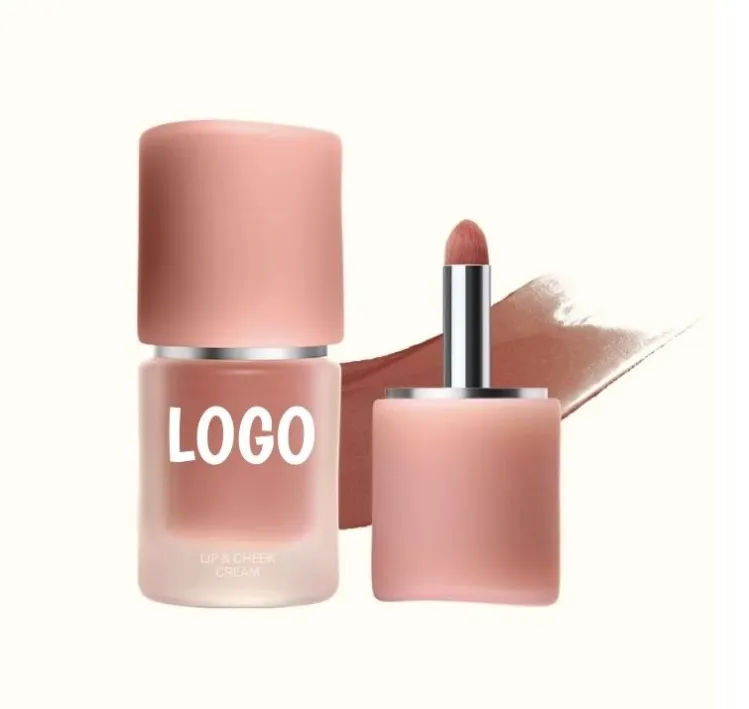
Ready stock means the product is already manufactured and packed in its existing configuration. The formula is fixed, the shade is fixed, and the component printing is whatever the stock carries.
It does not mean that any quantity can be broken out of that stock, or that the packaging can be relabelled for your market. Stock is produced in batches, and the batch configuration, shade range, component finish, packing format, is what ships. Buyers who need their own logo on the component or a custom shade are describing the custom route, which starts from different minimums and a sampling round.
How to choose: ready stock when the product itself is the decision and speed matters; custom when your brand has to be on the product. Both are legitimate, mixing them up is what causes disputes.
How Mixed Orders Work Across Shades
Mixed orders are the normal case in ready-stock makeup, not an exception. A single-order-SKU enquiry is the unusual one.
The mechanics are simple once stated. Each shade is a stock line with its own available quantity. A mixed order draws from several shade lines in one carton, and the practical constraints are three: the minimum per order, the minimum per shade line drawn, and the available balance at the moment you order.
The minimum per order is confirmed per order, it depends on the product category and the current stock position, so ask for it in writing with your quotation. The minimum per shade exists because picking and packing a shade has a floor below which the handling cost outweighs the goods. And availability moves: a shade list sent on Monday may be short one colour by Thursday, which is why every serious quotation lists availability as confirmed-at-order, not guaranteed-in-perpetuity.
How to choose: build your shade list with substitutes named in advance — "shade A, or B if A is short". That one habit removes a full round of emails from every order.
Giving a Shade Breakdown a Supplier Can Quote From
The shade breakdown is the document that turns an enquiry into a quotation. It does not need to be formal; it needs to be specific.
For each shade: the shade name or code as the supplier lists it, and the quantity you want. Totals matter less than the per-shade numbers, because the per-shade numbers are what the warehouse picks against. A breakdown that says "100 lip glosses, mixed" forces the supplier to guess the mix; a breakdown that says shade-by-shade quantities gets a same-week quotation.
Then add the four details that complete the picture: your destination country, your packing preference from the options the stock carries, your target dispatch window, and any compliance documents your market requires. None of these change the product, they all change the quotation.
Cost impact: a complete breakdown gets one quotation; an incomplete one gets questions, and every round of questions is a week of shelf time.
What Packing Confirms Before Dispatch
Packing in ready-stock makeup has two layers, and buyers routinely confirm only one.
The first layer is the product packing, how each unit is packed as manufactured: capped, wiped, boxed or unboxed. This is fixed by the stock configuration. The second layer is the carton packing, how many units per carton, carton dimensions, and gross weight. This is what your freight forwarder quotes against, and it is the layer that decides whether your landed cost per unit matches the estimate.
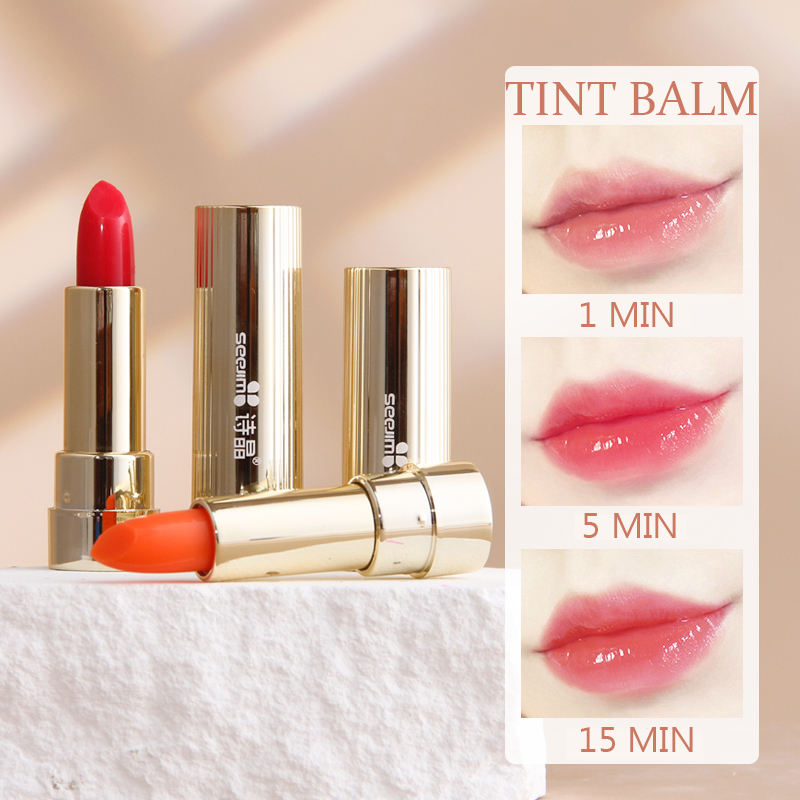
Ask for both in writing: units per carton, carton dimensions, gross weight per carton, and how mixed shades are arranged inside the carton. Mixed orders need the packing list to be shade-aware, a carton where the shades are mixed loose turns your receiving process into a sorting job.
When to use: confirm packing at quotation, not at dispatch. The packing list is also the document your receiving team checks against, so it does double duty as a quality control.
Which Details Stay Fixed, and How to Work Around Them
Three details stay fixed in ready stock, and each has a legitimate workaround.
The shade range is fixed, you cannot add a colour that was never produced. The workaround: build your range from the shades that exist, and if a missing shade is essential, check whether the custom route covers it economically at your quantity.
The component print is fixed, stock components carry whatever print the original batch ran. The workaround: applied labels on the outer packaging, which carry your brand without touching the stock. The article on confirming shade, texture and packaging details covers how these packing confirmations are documented before bulk.
The documentation set is fixed, what exists for the batch is what exists. The workaround: ask for the specification sheet with its units stated and any test reports on the product as sold, available upon request. Labelling for your destination market remains your responsibility as the brand placing the product there.
How to choose: list which of the three fixed details would block your launch. If none of them do, ready stock is your route. If one of them does, price the workaround before you abandon the speed advantage.
Ready stock trades customization for speed, and the trade is worth it when the product itself fits your market. Confirm the shade breakdown, the packing and the documentation in one pass, and the fastest route in the category is also the cleanest one.
Send the shades, the quantities per shade and your destination, and we will confirm availability, packing and freight in one quotation. We coordinate it with the long-term manufacturing suppliers behind your [private label programme](/private-label).
Build your shade listFrequently Asked Questions
Can I mix different shades in one wholesale order?
Yes, mixed orders across shades are the normal case in ready-stock makeup. Give a shade-by-shade quantity breakdown rather than a single mixed total, because the per-shade quantities are what the warehouse picks against.
What is the minimum order for ready-stock makeup?
The minimum is confirmed per order and depends on the product category and current stock position. Ask for it in writing with your quotation, together with any minimum per shade line drawn from stock.
Can I add my logo to ready-stock makeup?
The component print is fixed by the stock configuration. Branding on outer packaging through applied labels is the usual workaround; printing on the component itself belongs to the custom route, which carries its own minimums and sampling round.
How do I know which shades are still available?
Ask for a current shade list with available quantities at enquiry time, and treat availability as confirmed-at-order. A shade list is a snapshot, not a guarantee, naming substitute shades in advance keeps the order moving when a line runs short.
What packing information should I confirm before dispatch?
Units per carton, carton dimensions, gross weight per carton, and how mixed shades are arranged inside the carton. These four confirm your freight quotation and give your receiving team the packing list to check against.
Do ready-stock orders come with documentation?
The specification sheet for the batch, with units stated, and any test reports on the product as sold are available upon request. Labelling content and any registration required for your destination market sit with the brand placing the product on that market.
How fast can a ready-stock order ship?
Dispatch moves quickly once the shade breakdown and packing are confirmed, because nothing is being manufactured. The variables are carton confirmation and freight, which is why both belong in the first quotation rather than after it.
Conclusion
Ready stock rewards buyers who specify. A shade-by-shade breakdown, carton-level packing data and the documentation set confirmed at quotation turn the fastest route in cosmetics into the cleanest one, and the reorder into a confirmation instead of a negotiation.