What to Ask a New Supplier For: QC Records, Sample History and Factory Proof
Self-reported claims are not evidence. What a first-order buyer can actually request from a new supplier, what real QC records look like, and how to tell a document from a template.
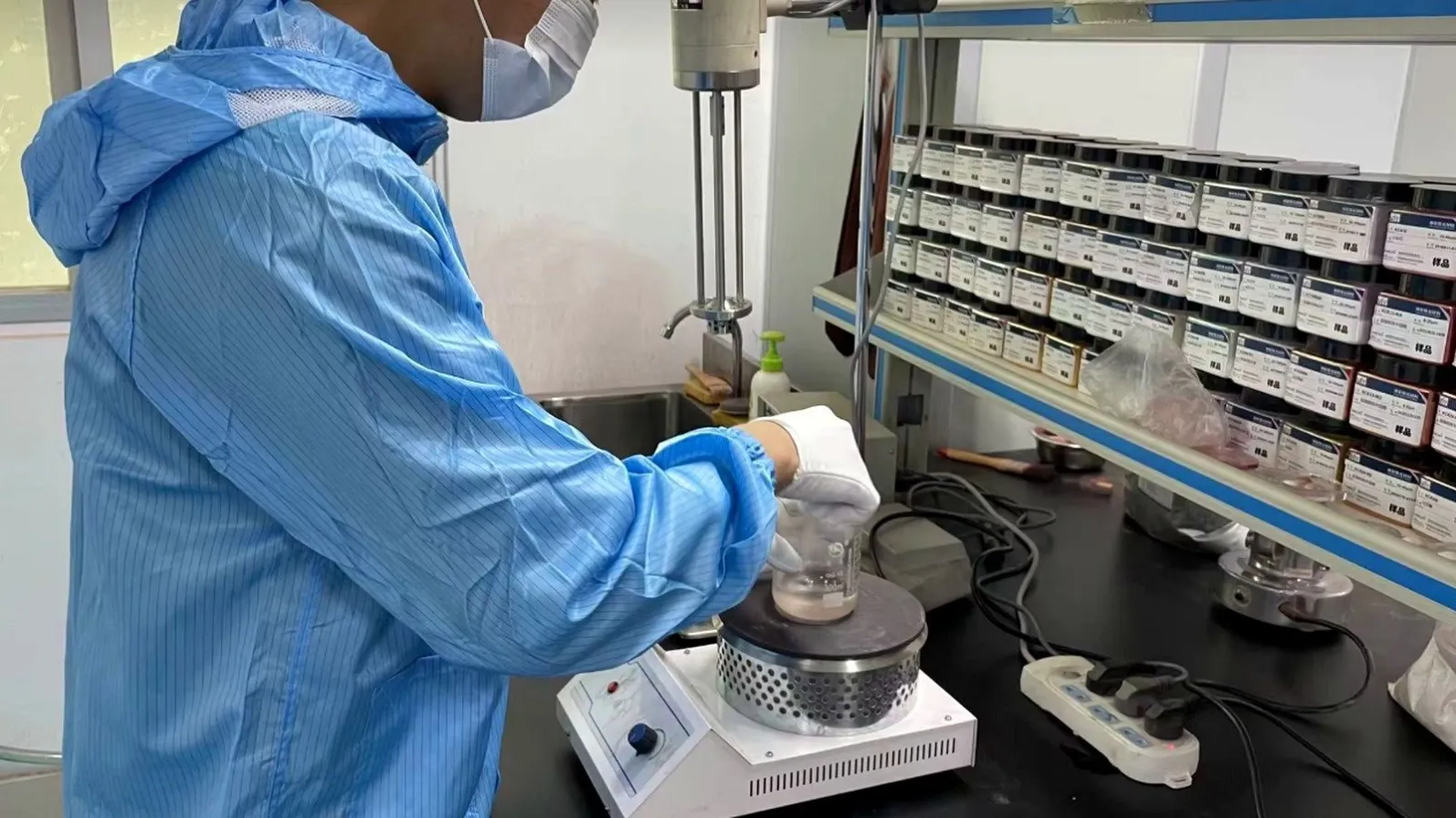
Every supplier says the same things on the first call: experienced, quality-focused, export-tested, happy to support your brand. None of it is evidence. Evidence is a document with a batch number on it, a date, and a name of the person who signed it, and the gap between the first list and the second is where first orders get lost.
This is not a trust problem; it is a verification problem. Buyers who have run one bad order do not become cynical, they become specific. On public sourcing boards, the buyers who ask the sharpest questions are almost always the ones who have been burned — "have you sold this product to customers in the United States before" and "do you have any quality-control reports or inspection information" are the questions of people who learned that a confident supplier and a documented supplier are different things.
The good news: the documents that answer these questions exist at every serious supplier, and asking for them costs nothing. This guide covers what to request, how to read what comes back, and how to tell a real document from a template wearing a logo.
Request the spec sheet for your exact SKU and one batch-level QC record on every first order, regardless of size. The response speed and specificity of the first reply is itself evidence about how the supplier works and what later stages will feel like.
The Five Documents Worth Requesting
Not everything a supplier can send is worth reading. These five are.
Batch-level QC records. The inspection results for a specific production batch of the product you are buying, not a general quality statement. A real one shows the batch number, inspection date, sample size, defect categories with counts, the pass/fail threshold applied, and who inspected.
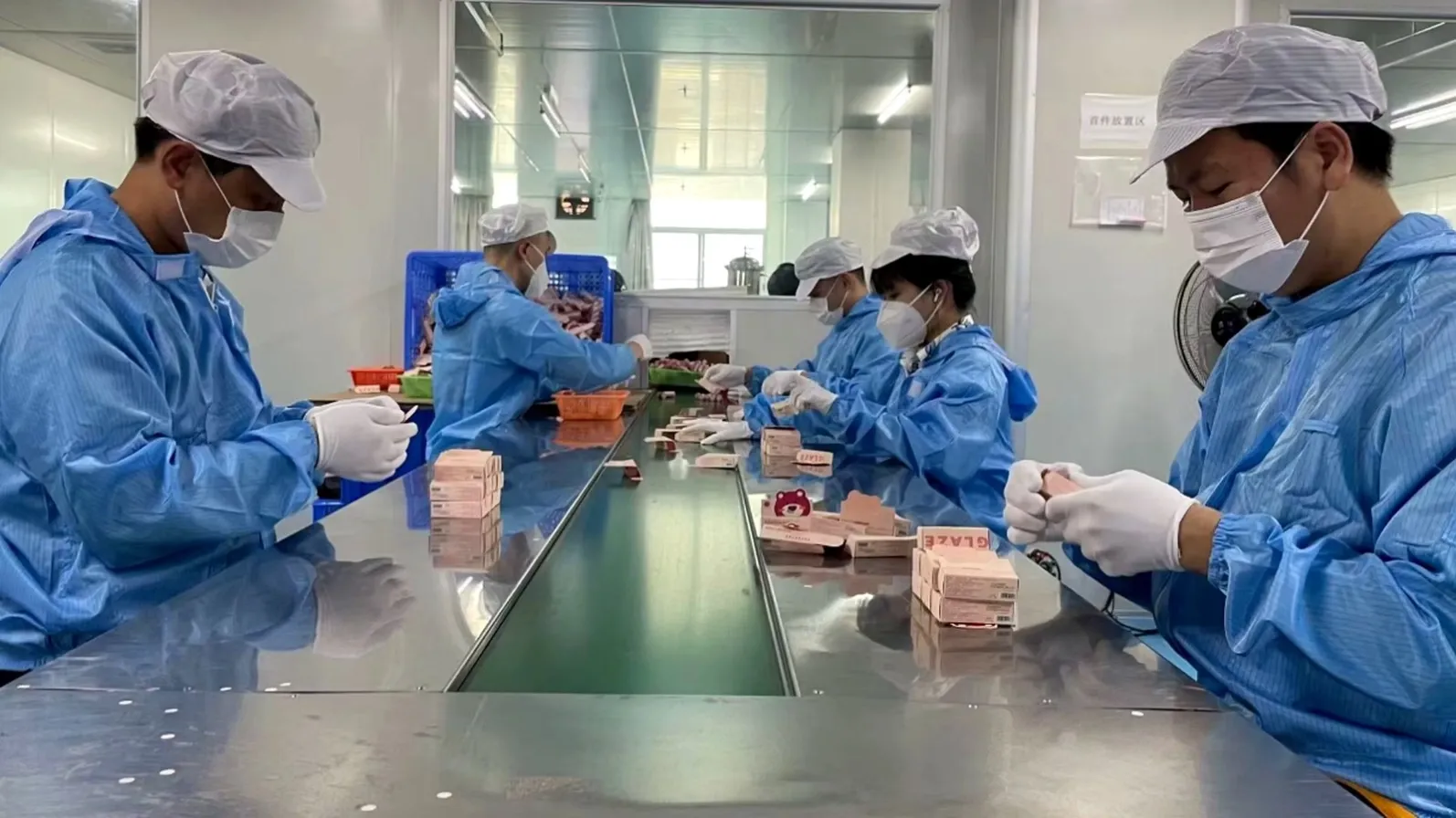
Inspection reports with sampling detail. If the supplier uses third-party or internal inspectors, the report states the sampling plan: how many units were pulled, from which cartons, at what stage. A report without a sampling plan is a description, not an inspection.
The size chart or spec sheet for your SKU. The measured specification of the exact product you are ordering, dimensions, materials, packaging configuration. This is the document your sample approval compares against, and the one that resolves "the bulk doesn't match the sample" disputes.
Prior-order references or market history. Evidence the supplier has actually shipped this product category to buyers in markets with requirements similar to yours. This can be shipment references, redacted invoice samples, or platform history, the format matters less than whether the specifics check out.
Certification or test documents, where relevant to your market. For children's products shipping to the US, CPSIA-related testing documentation is not optional reading, it is the category's compliance baseline, and it is a standard line in any US children's-product file. Certifications and test documents in general are provided upon request, the correct ask is for the document, not for the claim.
When to use: request documents one and three (batch QC and spec sheet) on every first order regardless of size. The rest are situational, but all five cost nothing to ask for, and the response speed and specificity of the first reply is itself evidence about how the supplier works.
How to Read a QC Record
A QC record that passes review usually contains the same elements. Learning to spot the missing one is most of the skill.
Batch number and date. The record belongs to a specific production run, not to "our quality system in general". Undated records describe a process, not a product.
Sample size and method. How many units were inspected and how they were selected. A record that says "100% inspection" on a hand-finished product is describing intent; a record that states the sampling plan is describing what happened.
Defect categories with counts. Real records show what was found, not just that it passed. A record with zero defects in every category on a hand-painted product is either a very good day or a very thin inspection, the defect history over several batches tells you which.
Threshold and verdict. The acceptance standard applied (for example, an AQL-style critical/major/minor classification with counts), and the explicit pass or fail decision. A record without a stated threshold cannot be checked against anything.
Signature or inspector identity. Who did the inspection, in what role. Anonymous records are hard to verify and easy to fabricate.
Cost impact: none directly, but the records are what make the sample-to-bulk consistency question answerable. If a dispute arises between sample approval and bulk delivery, these documents are the entire negotiation.
Telling a Real Document From a Template
Templates exist and some suppliers send them sincerely, believing a generic document answers a specific question. The tells are consistent:
No batch number or a generic one. "Batch: 2024" on a document dated 2025 is a template. Real batch numbers are specific to a run.
No product specificity. A QC record for "nail products" rather than your SKU, your shape, your packaging configuration. The document describes a category, not your order.
Photos that do not match the document's claims. Stock photos of a different product, a different era, or a different packaging. Compare the document's photos against the sample you physically hold.
Round numbers everywhere. Defect counts of exactly zero, sample sizes of exactly 100, dates that are always the first of the month. Real operations produce real numbers, and real numbers are not round.
A refusal to answer specifics. The most informative response of all. A supplier who sends a generic document and declines to provide the batch-level record for your specific order has answered the question, just not in the way they intended.
Round numbers, undated records and category-level certificates are the tells of a template. Ask for the batch number, the sampling plan and the inspector identity; a working supplier answers within a day, and the answer is checkable.
What a Good Answer Looks Like
The response that builds confidence is not perfect paperwork, it is specific, dated, and self-consistent. A supplier who replies with a spec sheet for your exact SKU, a recent batch QC record with real numbers, and an honest "we haven't shipped this exact design to the US before, but here is the compliance documentation and the market history for the category" has told you more than a supplier with a glossy capability deck. The second supplier sounds better and says less.
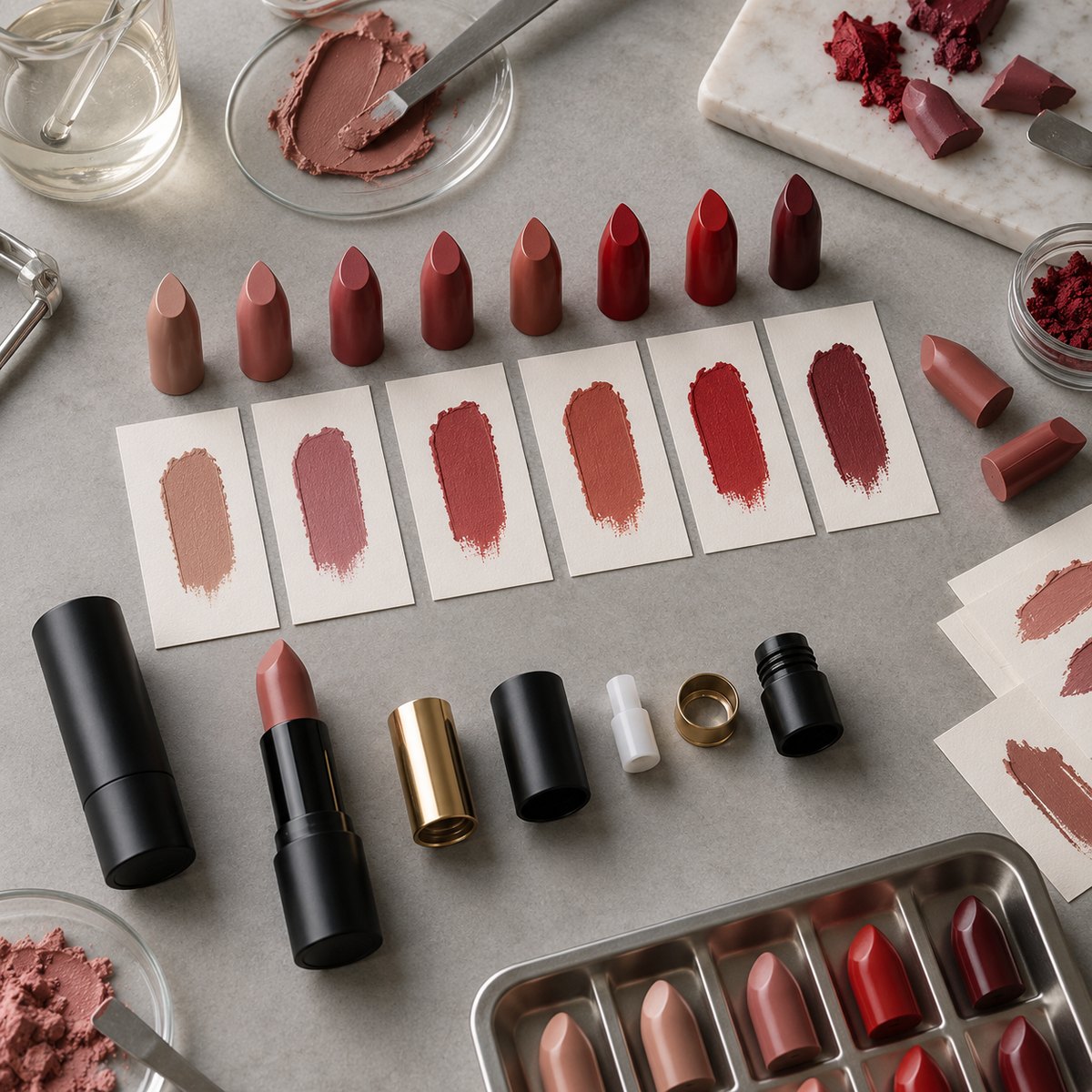
This is also the standard we hold ourselves to at ZONO Beauty. We are not a single factory, we coordinate long-term manufacturing suppliers across formula, packaging, sampling and production, and everything we claim about those suppliers is backed by documents you can request: batch QC records, spec sheets for your SKU, sample history, and compliance documentation where your market requires it. All of it is available upon request, and the team responds to document requests within one business day. If you are evaluating us as a supplier, ask for the documents, the request is part of the process, not an imposition.
How to choose: send the document request as part of your first inquiry, before you discuss price. A supplier who answers document questions clearly and quickly is showing you the working style that will show up in every later stage; one who deflects is showing you that too. Contact us with your product questions and the document list, we would rather you check than wonder.
---
Send your product questions and the document list, and ZONO Beauty will return the spec sheet for your exact SKU, available batch-level QC records and market-specific compliance documentation, all available upon request. We coordinate long-term manufacturing suppliers rather than operating a single factory, and the documents are how you verify what we coordinate.
Request the document listFrequently Asked Questions
What documents should I ask a new supplier for on a first order?
At minimum: the spec sheet for your exact SKU and a batch-level QC record. Beyond that, sampling plans, market history, and market-specific compliance documents where relevant. All are reasonable to request before ordering.
What if the supplier only sends a generic quality certificate?
A generic certificate describes a system, not your product. Ask specifically for the batch-level record for the SKU you are ordering. How they respond to the specific ask is more informative than the generic document.
What is an AQL-style QC record?
An inspection report that classifies defects as critical, major and minor, states how many units were sampled, and gives a pass/fail verdict against stated thresholds. The numbers should be real, counts from an actual inspection, not round defaults.
How do I verify a supplier's claim that they have shipped to my market before?
Ask for specifics that can be checked: which category, roughly when, and what documentation accompanied those shipments. Vague market claims that cannot survive one follow-up question are marketing, not history.
Should I ask for documents before or after discussing price?
Before. Document requests are free, they take a day, and the response quality tells you how the supplier handles written detail, the same detail discipline that sample approvals and bulk consistency depend on later.
What can ZONO Beauty provide?
Batch-level QC records, spec sheets for your specific SKU, sample history, and compliance documentation relevant to your market, all available upon request. We coordinate long-term manufacturing suppliers rather than operating a single factory, and the documents are how you verify what we coordinate.
Conclusion
Verification is not cynicism, it is specificity. Ask for documents by name, read the batch-level detail, and the supplier who answers clearly is the one whose sample approval and bulk delivery will also hold up.