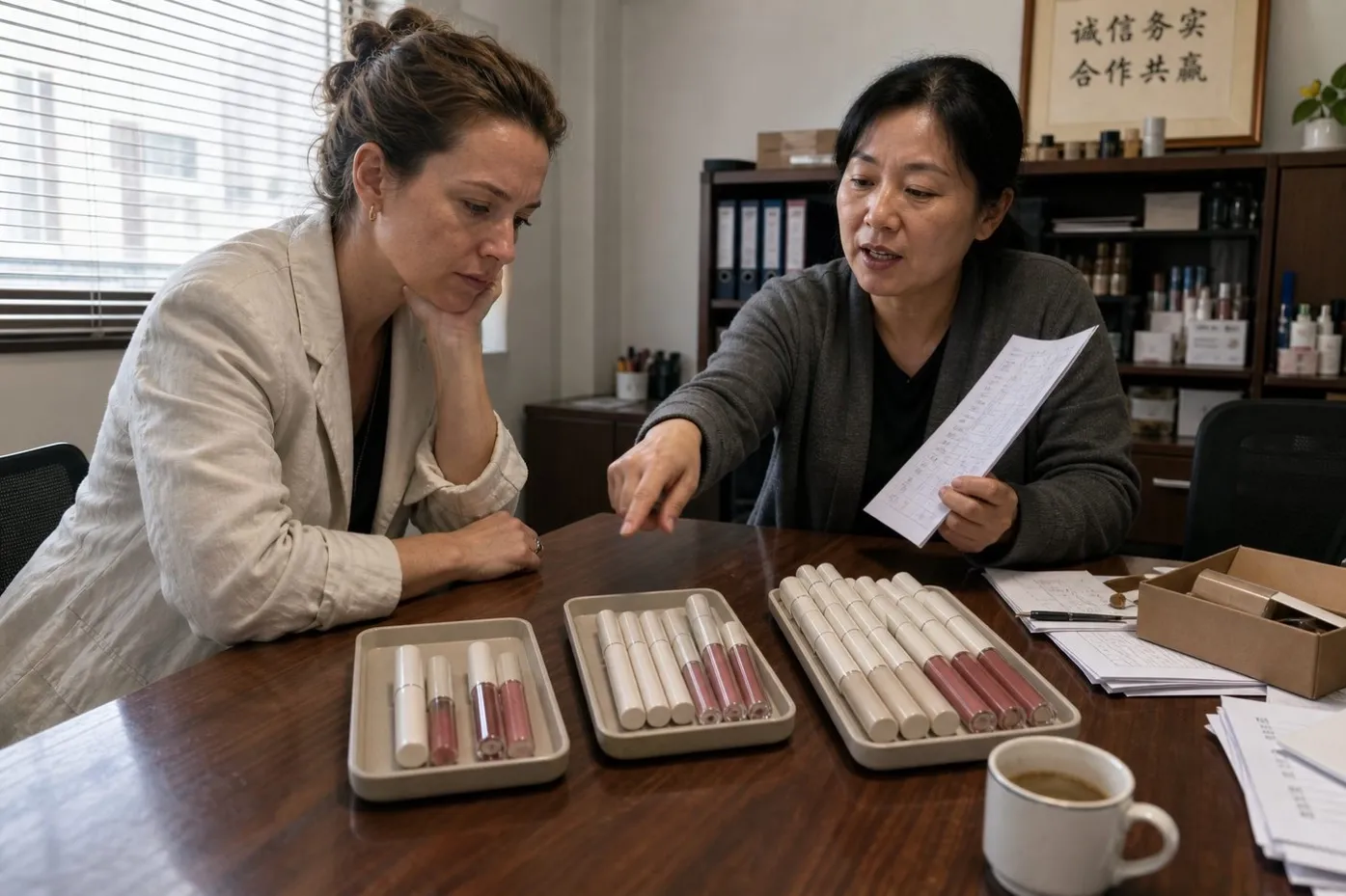
How to Negotiate a Lower MOQ for Lip Makeup Products on a Budget?
A buyer framework for discussing lip makeup MOQ: identify project drivers, request written alternatives, and compare the resulting trade-offs.
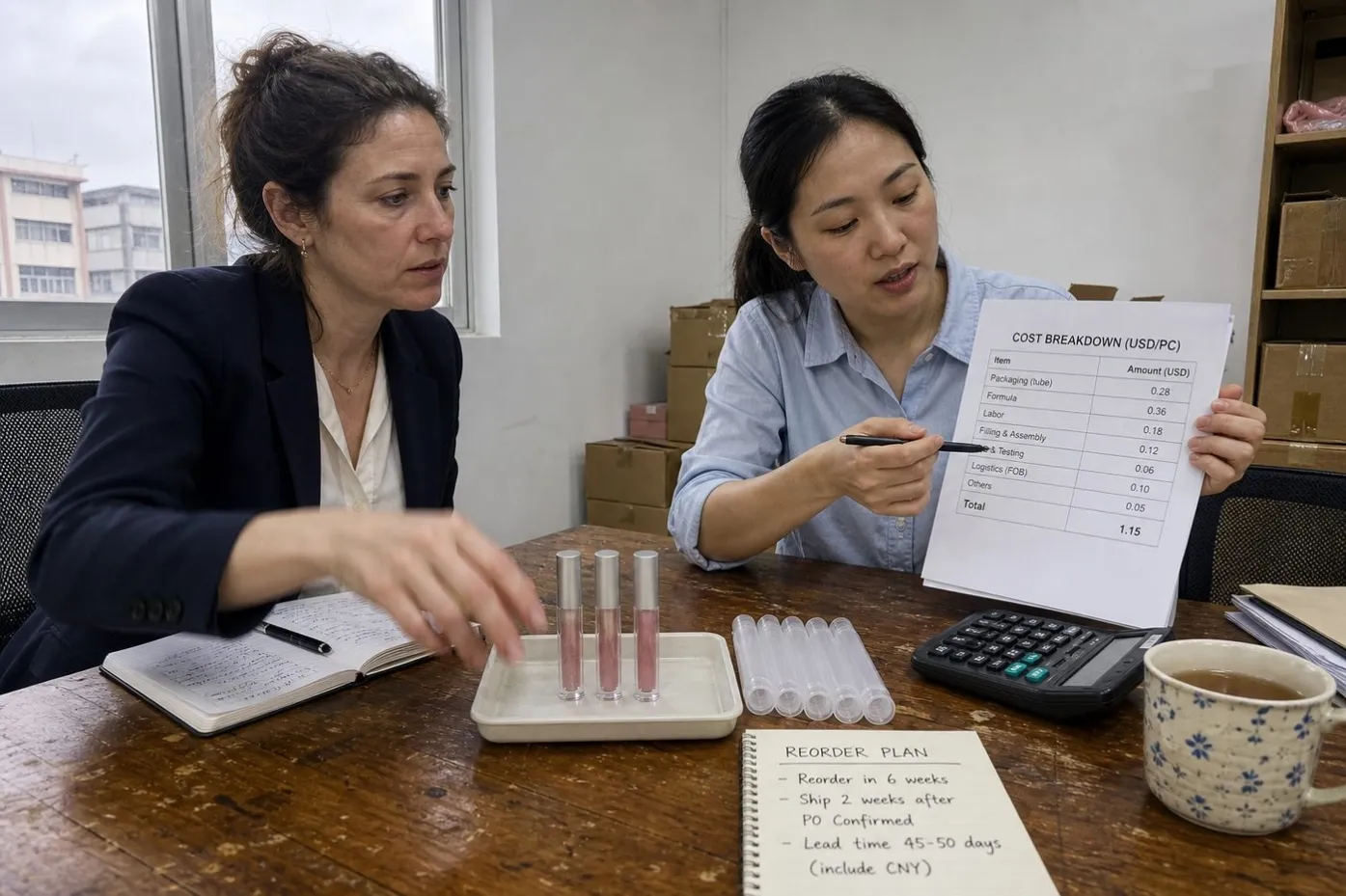
Trying to negotiate a lower MOQ for lip makeup products on a budget? Start by identifying which part of the brief drives the quantity requirement instead of treating MOQ as one fixed number.
To discuss a lower MOQ for lip makeup products, ask which part of the brief drives the quantity requirement. Then ask whether a stock formula, standard packaging, fewer shades, a setup charge, or another lower-complexity option changes the supplier's minimum and what trade-off applies.
A high minimum can put pressure on a launch budget and create inventory risk. Do not simply demand a lower quantity. First ask which part of the specification drives the MOQ - formula, packaging, shade count, testing, or another factor - and then discuss the specific trade-off with the supplier.
Why do lip makeup suppliers set such high MOQs in the first place?
A changeover may require cleaning, calibration, setup, materials, and quality checks before a single tube is filled. Ask the supplier which parts of your requested configuration create those requirements.
MOQ is a project-specific commercial term, not a universal number. Ask the supplier which elements of the brief drive the quoted minimum, whether a lower-complexity configuration is available, and which commercial or technical trade-offs would apply.
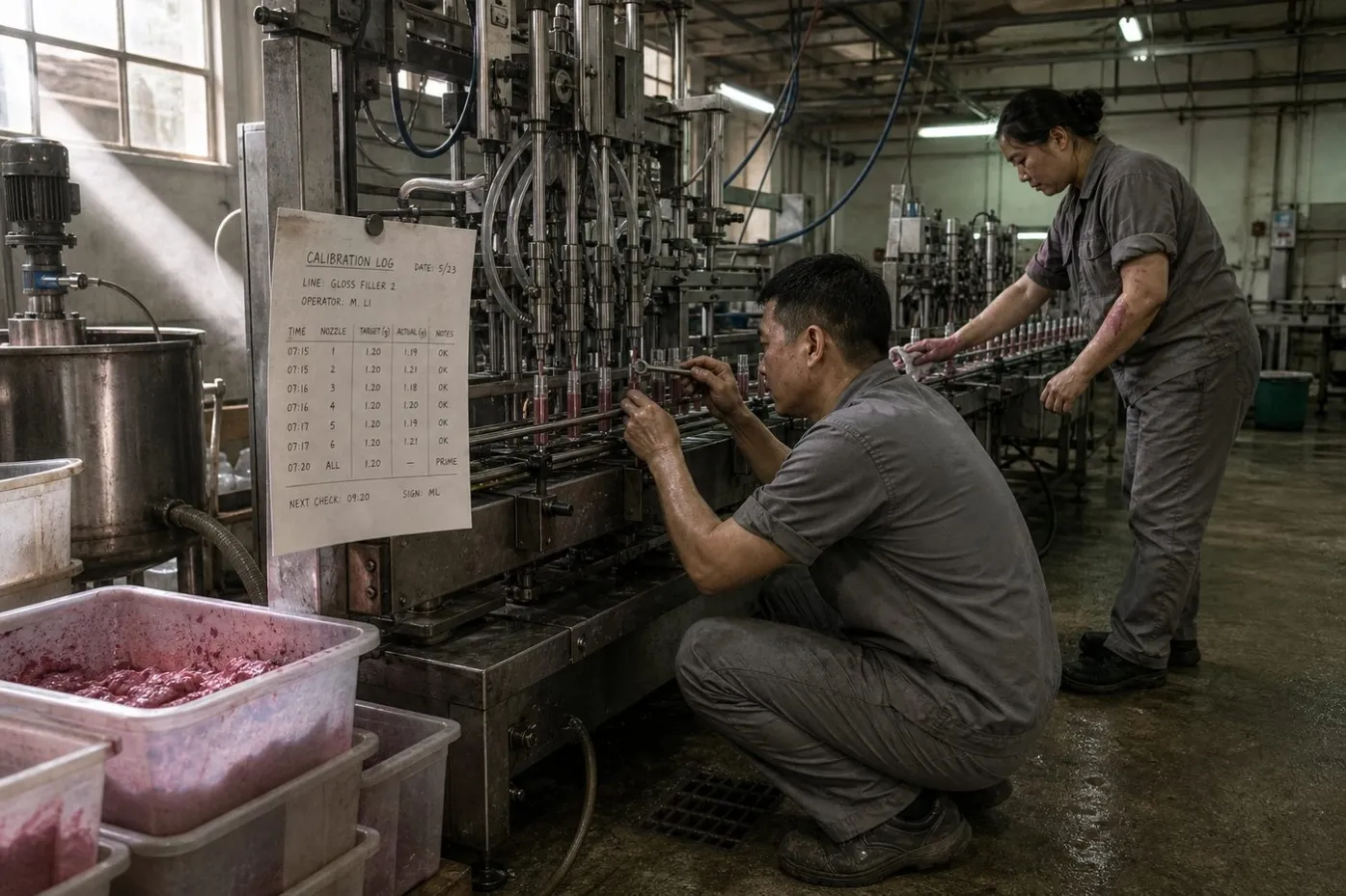
Production setup can involve cleaning, calibration, materials, and quality checks. Ask the supplier which parts of the requested configuration create the minimum-order requirement and which changes could affect it.
The four cost blocks behind a lip makeup MOQ
| Cost block | Supplier question | Decision option to discuss |
|---|---|---|
| Formula batch | How does the requested formula route affect the quoted minimum? | Ask whether a stock or existing route is available and what scope would change. |
| Packaging components | How do the selected tube, applicator, decoration, and component source affect the minimum? | Ask which existing components are available and what terms apply. |
| Shade count | How does the proposed shade split affect the quote and minimum? | Ask for alternate shade splits or a phased launch quote. |
| Testing and compliance | Which evidence, testing, or quality requirements are applicable and how are they quoted? | Confirm any existing configuration, evidence scope, and adviser requirements before deciding. |
Find the link that inflates your number
Before negotiating, identify the cost driver. If the quoted minimum comes from a custom tube mold, changing the formula may not address it. Ask the supplier directly: which element of my brief sets this MOQ? Do not assume the quoted MOQ is either fixed or flexible; ask which options would change it and what trade-off each option creates.
What can I offer a supplier in exchange for a lower MOQ on lip oil or lip tint?
Before asking for a lower MOQ, decide what you can trade: a stock component, fewer shades, a simpler decoration method, a higher unit price, or another lower-complexity configuration.
Discuss lower-complexity options with the supplier: stock formula, standard tubes, fewer shades, a possible setup charge, or another commercial trade-off that the supplier confirms in writing. Do not promise a price, payment method, or reorder until the commercial terms have been approved.
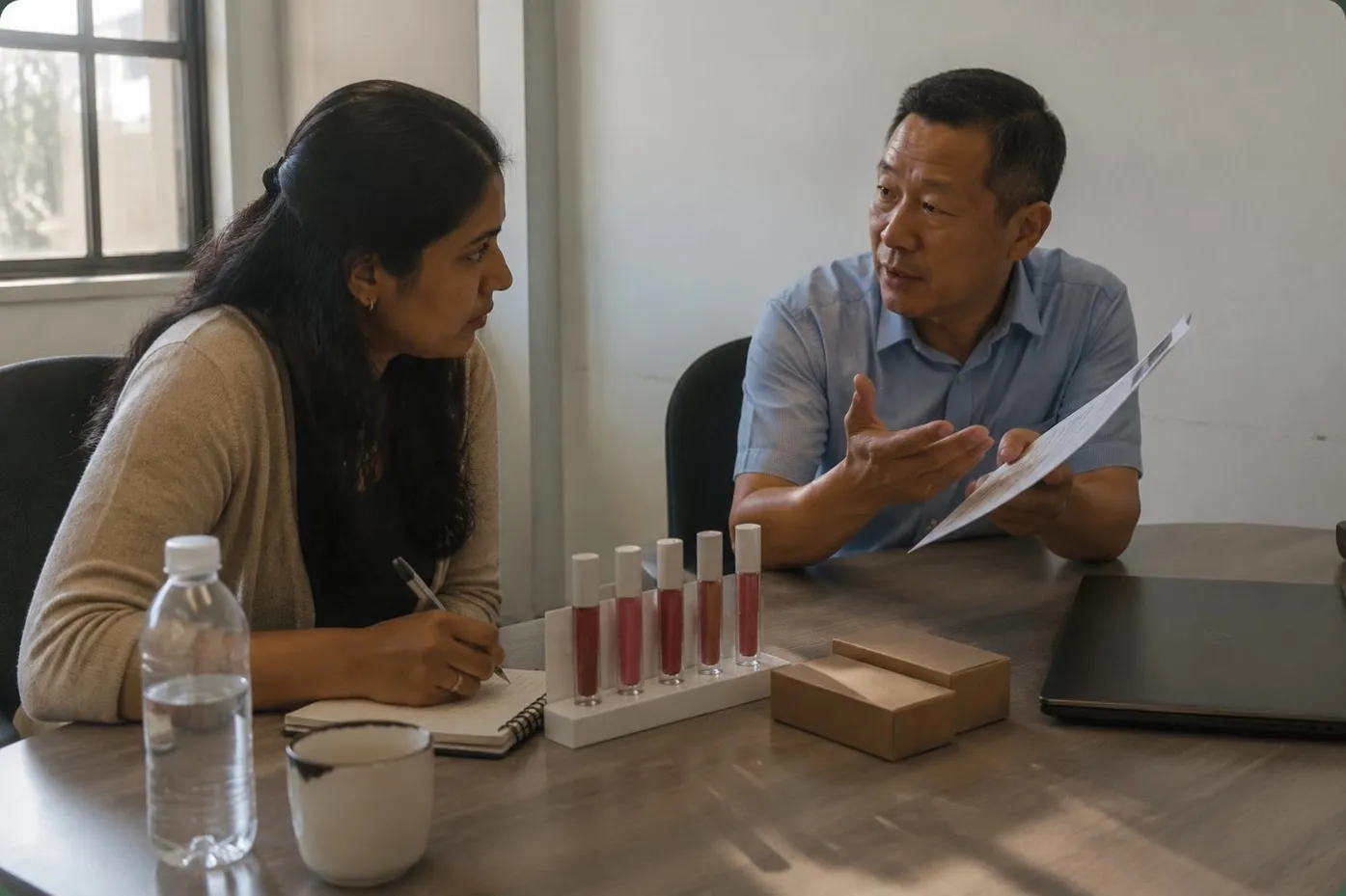
A lower-MOQ discussion is more concrete when the buyer identifies what can change in the brief and what cannot. Use the following options as questions for the supplier rather than assumptions about what it will accept.
The exchange table: what you give, what you get
| What you offer | Question to put to the supplier | Decision record to request |
|---|---|---|
| Stock formula and stock packaging | Would an existing formula and component route change the quantity or terms for this project? | Written scope, formula and component version, quantity, and commercial terms |
| Supplier-specific trial configuration; request a written revised quote | What lower-complexity trial configuration, if any, can you quote? | Written revised quote, conditions, and acceptance criteria |
| Setup fee | Is a setup charge available as an alternative commercial structure? | Written charge basis, revised quantity, and scope |
| Reorder commitment with a 12-month forecast | Would a documented forecast change any commercial options, and what commitment would be required? | Supplier response, timing, and any conditions in writing |
| Off-peak or piggyback production | Is there an alternative production or shipment arrangement that the supplier is willing to quote? | Exact configuration, timing, quantity, and commercial terms |
Consolidate SKUs and think in batches
Instead of demanding a low minimum per shade, ask whether a shared-base configuration, stock components, a smaller shade count, or a phased packaging plan is workable for the project. Each option changes cost, inventory, and compatibility questions. Use a clear request: "This is a market-validation trial. Which lower-complexity configuration can you quote, and what scope, evidence, and commercial terms would apply?"
Will a lower MOQ push up my per-unit price or affect formula-to-packaging quality?
A smaller first run and a higher quote can create a cash-versus-margin trade-off. Compare both sides with supplier-specific costs and the buyer's sales plan.
A lower MOQ may change unit price or other commercial terms. Ask the supplier for a revised quote and confirm the formula, packaging, testing, and inspection scope instead of assuming a lower quantity changes quality in a predictable way.
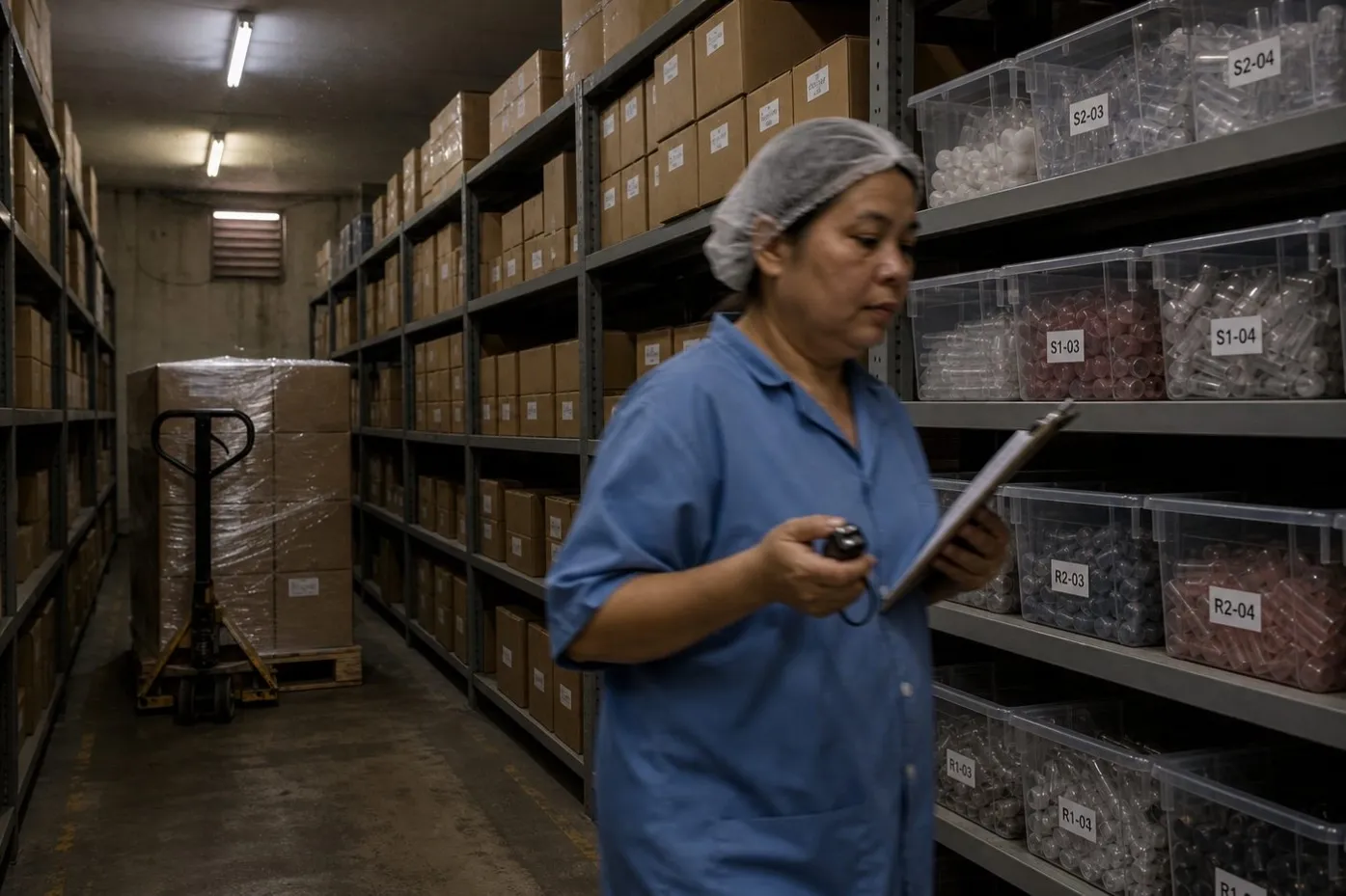
Quantity tiers reflect supplier-specific cost assumptions. Ask the supplier to explain the driver for each tier and compare the total project cost, not the unit price alone.
What the price tiers really look like
| Order size | Unit price effect | What to watch |
|---|---|---|
| Full standard MOQ | Baseline quote | Compare total project economics and cash exposure from confirmed inputs |
| Trial configuration, if supplier confirms it is available | Request supplier-specific commercial terms | Confirm the second-order price in writing |
| Very small pilot batch | Request supplier-specific commercial terms and setup scope | Check whether shipping per unit destroys margin |
A common objection is that a lower MOQ is not always the best deal. Calculate the landed cost per unit, including shipping, sample production, and testing fees. If the revised commercial terms push margin below a sustainable level, a smaller order may only delay the problem.
Protect quality with three numbers in writing
Always get three figures documented: the production MOQ, the units you will actually receive, and the units you pay for, including any samples and testing allocation. A "low MOQ" quote can hide extra costs in the gap between those numbers. A small trial should not be assumed to remove the need for suitability or quality checks. Discuss the requested compatibility evidence and inspection scope before approving a trial configuration.
Should I work with a sourcing partner to negotiate a lower MOQ across multiple factories?
The lowest quoted MOQ is only one input. Compare the supplier's written scope, formula and packaging evidence, communication process, and target-market documentation for the configuration you need.
Consider what support you need when you compare suppliers. Define who will own supplier communication, formula-to-packaging review, evidence collection, and issue escalation before choosing direct sourcing or coordination support.
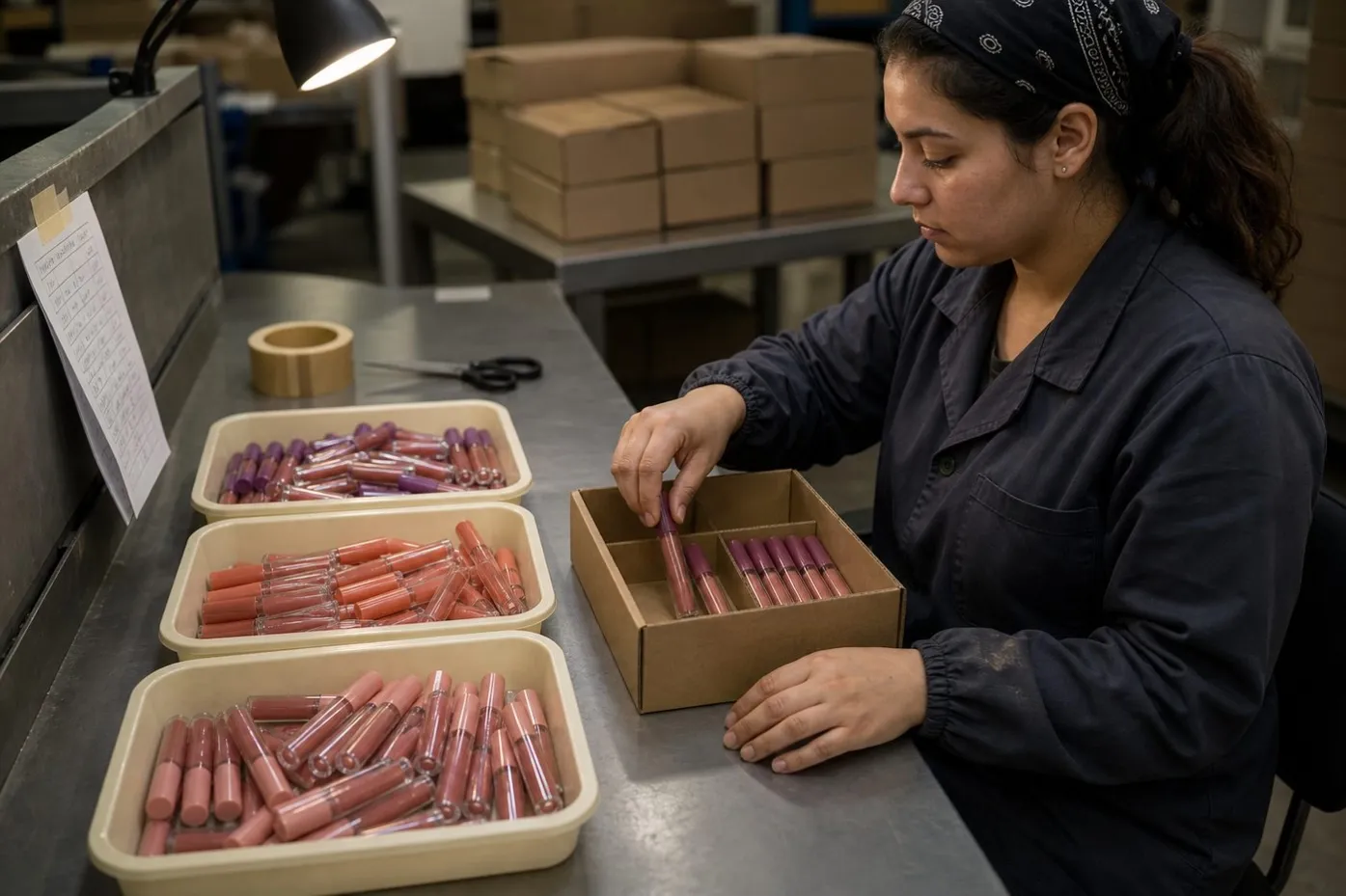
Suppliers can differ in formula options, packaging options, order constraints, and project support. Compare the evidence for the specific configuration you need instead of choosing based on a headline MOQ alone. Use this sequence to prepare a multi-supplier MOQ discussion:
- Diagnose the MOQ driver. Break the brief into formula, packaging, shades, and testing, then ask the supplier which element sets the number.
- Match by fit, not by headline MOQ. Ask each supplier which existing components and formula options suit your lip oil, gloss, or tint specification, and request the detail needed to compare the answers.
- Structure the trade. Put the possible trial volume, commercial terms, and any future-order discussion into a written request for the supplier to approve or decline.
- Verify before shipment. Sample production gets compared against bulk goods for color, texture, and packaging fit, so the trial batch matches what you approved.
A coordination partner may add a margin, and a buyer should compare that scope with the complexity of the project. Ask who owns supplier communication, formula-to-packaging review, evidence collection, and issue escalation before deciding whether direct sourcing or coordination support fits the project.
Conclusion
Do not treat a headline MOQ as the only decision point. Identify the project-specific driver, ask for written alternative configurations, and compare their scope, evidence, price, and inventory exposure before approving a first order.
Next step: Turn the buyer's brief into a written alternative-configuration request, review relevant private-label development options, then discuss your lip makeup project when you are ready to compare the replies.