Lip Gloss Wholesale and Private Label: Three Sourcing Routes Compared
Lip gloss is the easiest colour category to private-label. Stock, matched and custom formula routes compared, with the MOQ and packaging decisions that shape each one.
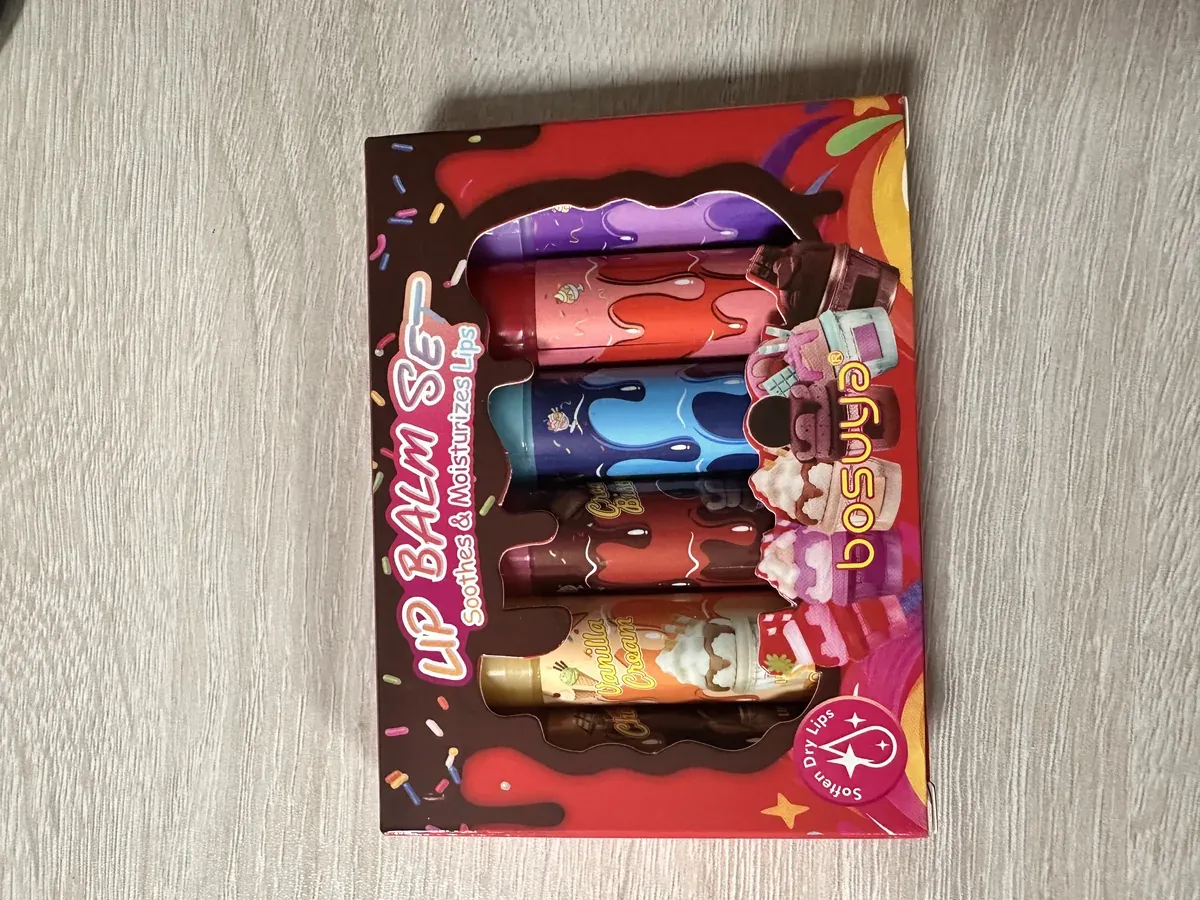
Lip gloss carries the friendliest entry economics in colour cosmetics: the formulas are mature, the components come in stock shapes, and the category forgives small first orders in a way lipsticks and foundations do not. That combination is why lip gloss is usually the first private-label SKU a beauty brand launches.1
The route you choose decides everything else: stock formula moves in weeks with your logo on a stock tube, matched formula adds a shade-matching step, and full custom development buys uniqueness at the cost of a longer runway and a higher minimum.
Sourcing from the Shantou cluster, the three routes compare as follows.
Route One: Stock Formula, Your Brand
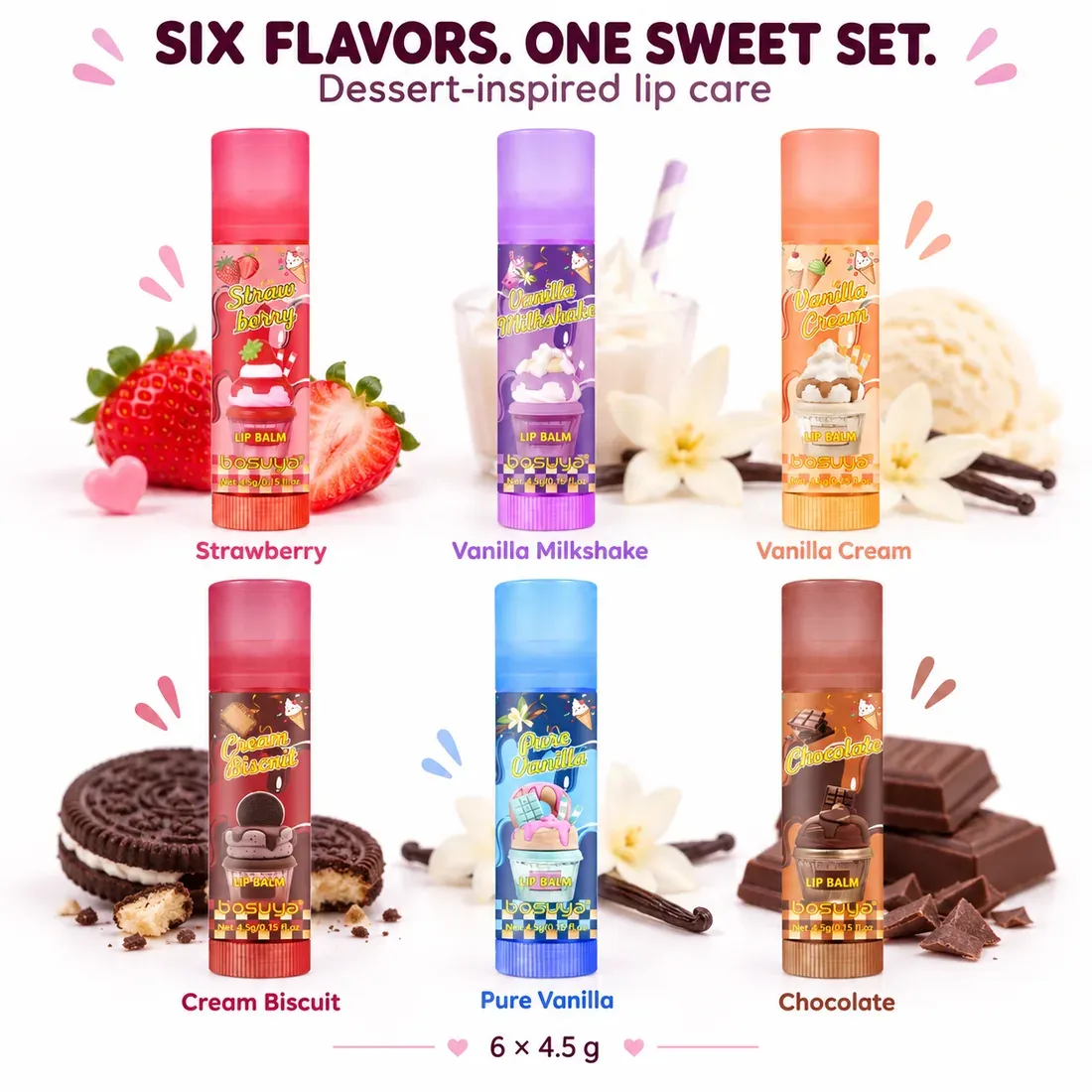
Stock formulas are finished gloss bases already in production, paired with stock tubes. You select shade and tube, place your logo and packaging, and the order moves in weeks. Minimums for stock colour cosmetics start from a few hundred units, which makes this the test route: a brand can validate a shade story across a real market without betting a production run on it.
| Route | What you get | Typical minimum | Time to market |
|---|---|---|---|
| Stock formula | Proven gloss base, stock tube, your logo and box | A few hundred units | Weeks |
| Matched formula | Your reference shade matched onto a stock base | A few thousand units | Weeks plus matching round |
| Custom development | Formula developed to your brief and component | From 6,000 units | Months; includes stability steps |
Route Two: Matched Formula
Matched sits between stock and custom: you send a reference product or a shade target, and the base is adjusted to match. The matching round is the schedule risk, because match-approve cycles run on physical samples. Brands choose matched when a signature shade matters to the positioning but a full custom programme does not.
What to send for a useful match: the reference product sealed and labelled, the finish expectation (glass, gloss or cushion), and the flavour or scent direction. The more the reference is described in writing, the fewer rounds the match takes.
Route Three: Custom Development
Custom gloss means formula developed to a brief: wear feel, shine profile, scent and active claims all specified. Minimums start from 6,000 units and the timeline includes development rounds plus stability and compatibility checks between formula and component. Labelling and claims follow the cosmetics rules of your destination market, from the US federal Title 21 requirements to the EU cosmetic regulation. Custom earns its cost when the gloss is the brand, not an accessory to it.234
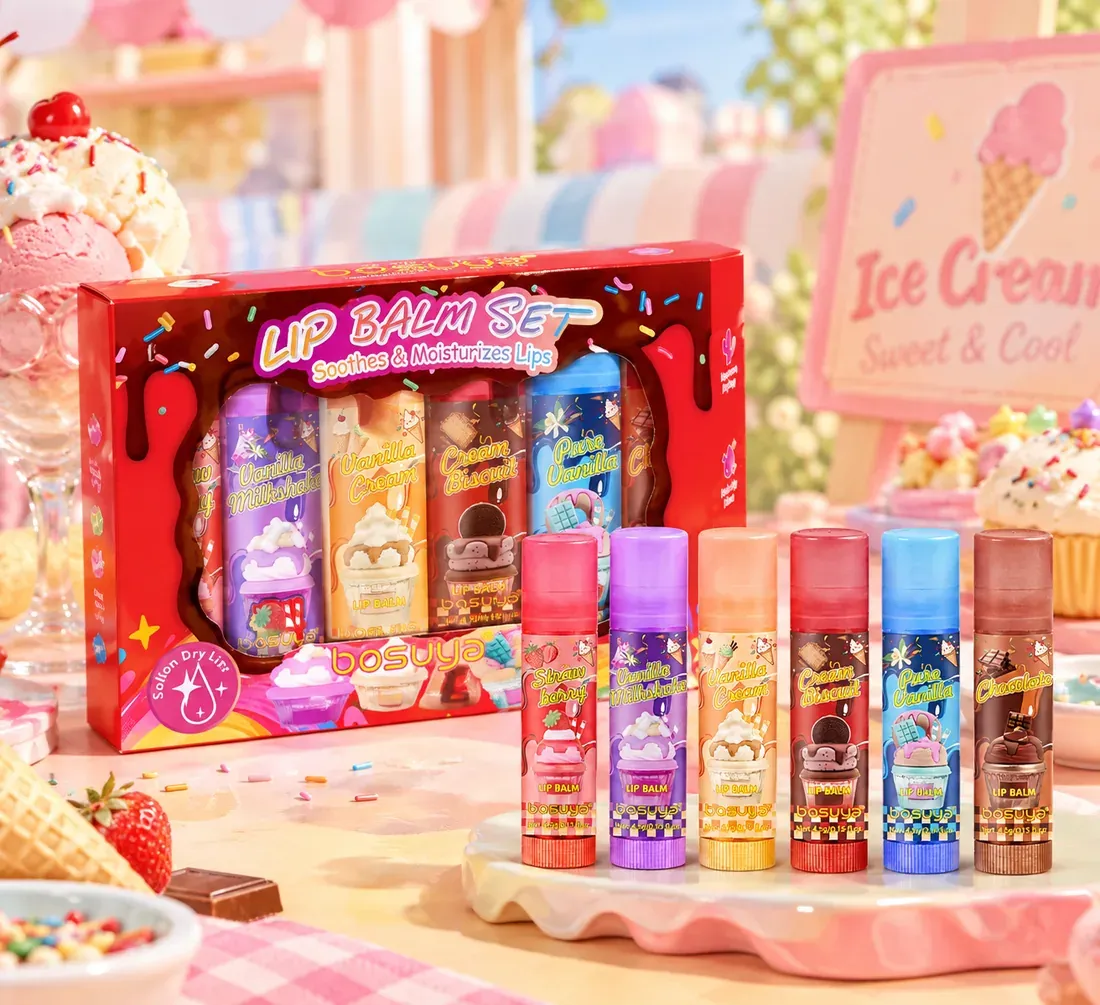
Match the route to the question you are actually asking: stock answers can this sell, matched answers can we own this shade, custom answers is this our signature. Spending custom money on a stock question is the most common first-order mistake in the category.
What to Send for a Line-by-Line Quotation
The quality of a lip gloss quotation tracks the quality of the brief. A useful first contact names the destination market, the route you are leaning toward, and enough shade and component direction for the supplier to quote real options instead of ranges.
- Destination market, so labelling and compliance expectations are scoped from the start
- Route intent: stock, matched or custom, even if it is only a lean
- Shade direction: a reference product, a Pantone-style target, or a named finish
- Component preference: tube shape, wand or doe-foot, squeeze or stick
- Rough first quantity, honestly stated, so the route fits the number
- Packaging intent: stock box to start, or branding assets if custom is planned
- Timeline target, including any launch date the order must clear
With those seven lines, the reply that comes back is a quotation rather than a questionnaire: formula line, component line, packaging line and lead time, each with its own minimum and its own assumptions stated. From there the negotiation is about line items, not about uncovering basics one email at a time.
| Quotation line | What it should state | What moves it |
|---|---|---|
| Formula | Route, shade reference, unit price at your quantity | Matching rounds; custom development |
| Component | Tube shape, applicator, decoration | Plating and custom tooling |
| Packaging | Box format, print, insert, its own minimum | Custom structure versus stock box |
| Lead time | Production window per the confirmed route | Matching rounds; stability checks |
Send one complete brief and expect one complete quotation. Every missing line in the brief becomes a round of emails, and each round costs a week, which is how a stock-formula order that should ship in weeks quietly becomes a two-month conversation.
Packaging: The Second Half of Every Quote
Packaging is quoted and minimum'd separately from formula, and it follows the same stock-versus-custom logic: stock tubes and stock boxes from a few hundred units, custom tooling and printed components from 6,000. Decoration choices, print, hot stamp, spray or plating, change component minimums line by line, which is why the quotation should list formula, component and packaging as separate lines rather than one blended number.
Two route-specific notes close the gap between quotation and reorder. First, keep the shade standard from the winning order: whatever the approved sample is, reference it by number and date in the reorder, because gloss batches drift and a named standard is what makes drift visible. Second, plan the second order around the first one's evidence: the shade that sold, the tube that moved and the price point that cleared tell you exactly what the follow-up order should be, and the follow-up is where private-label margin actually shows up.
Timing matters as well. Gloss is a gifting category twice a year, and the orders that arrive at warehouses in time for those windows are placed months earlier. A brand that validates on stock formula in spring has enough runway to matched formula for autumn and to a custom hero SKU the following year; the same brand starting the conversation in October spends its first year learning the calendar.
A word on exclusivity, because every brand asks it: stock formulas are shared by design, and that is what keeps their minimums low. What a brand can own outright from the start is the combination, its shade selection, its tube choice, its box, its name, which in practice differentiates far more sales than formula chemistry does. Brands that need formula exclusivity as a legal matter are asking the custom route's question, and the custom route prices that in from 6,000 units.
The Shantou cluster shortens every one of these routes. Component suppliers, formulators and fillers sit within the same industrial area, so a matching round that takes a courier week elsewhere takes days, and a packaging decision can be checked against physical stock components before it is quoted. Working with one coordinator across those suppliers is what turns the cluster's density into calendar time.
Send ZONO Beauty your market, your shade direction and rough quantity, and we will reply with the route that fits, the components available and a line-by-line quotation.
Request a lip gloss quotationFrequently Asked Questions
What is the lowest minimum for private-label lip gloss?
Stock formula with stock tube starts from a few hundred units with your logo and box. Custom development starts from 6,000 units per SKU.
Can I use my own logo and packaging?
Yes. Logo printing applies to stock components, and custom packaging is quoted separately with its own minimum by component and format.
How long does a matched shade take?
Weeks plus the matching round. Sending a sealed reference and a written finish brief keeps it to the shorter end.
Is 6,000 units always the custom minimum?
It is the confirmed starting point for full custom development; the final minimum is stated per SKU because formula and component each carry their own. Stock routes stay in the hundreds, which is why they remain the testing route.
Do you help with compliance documentation?
Destination-market labelling and documentation are part of the quotation conversation: send the market with the brief and the applicable requirements are scoped line by line rather than left to discover at customs.
What finishes does lip gloss come in for private label?
Crystal, clear, matte and high-shine bases across tubes, squeeze formats and wands, with tinted balms and lip oils in the same family. Finish choice is part of the route conversation, not a separate product decision.
Conclusion
Lip gloss stays the easiest first step into private-label colour for one reason: the three routes let a brand buy exactly as much commitment as its evidence supports. Start stock, match what proves itself, and reserve custom for the shade the brand cannot be without.