Can Production Photos Show Whether Custom Press-On Nails Match Your Design?
Compare custom press-on nail production photos with your reference, give precise design feedback, and identify what still needs a physical sample.
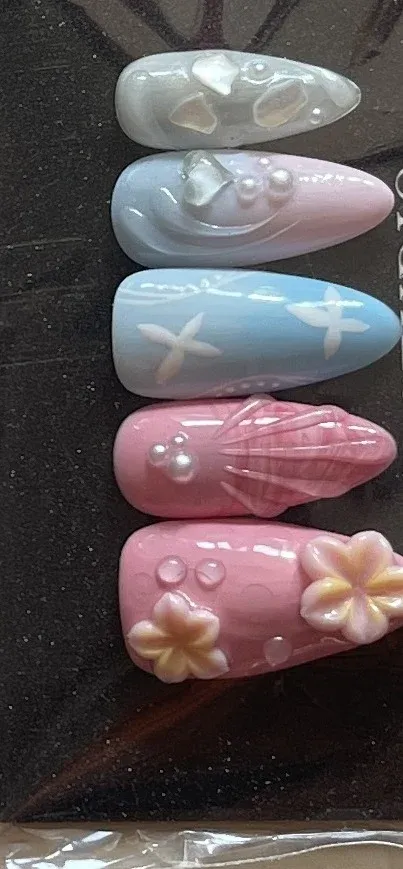
Production photos can help you compare visible design details with an agreed reference. They give you a practical way to discuss placement, proportions and finish before the next step, while leaving fit, feel and wear performance for an appropriate physical evaluation.
One overseas ZONO client explained her confidence in a simple way: she sent back a screenshot showing her reference design beside a work-in-progress photo from a nail artist. Seeing the design take shape gave her something concrete to assess, even though she was buying from a distance.
For a beauty brand, retailer or online store, that is the useful role of a progress photo. It connects the design request to the work being discussed. The next question is how to make that comparison clear enough to act on.
Which details in the reference must stay consistent?
A reference image communicates an overall direction, but it may contain several different priorities. Perhaps the important feature is the position of a charm, the balance between fingers, or the depth of a translucent colour.
Before requesting a custom version, mark the details that matter to your collection. If you provide several images, explain what you want from each. Confirm that you have permission to use the artwork you submit.
| Design priority | What to specify | What a useful photo should show |
|---|---|---|
| Shape and length | The intended shape and a clear length reference | A consistent view of the whole nail |
| Layout | Which details belong on which nails | The complete set in an identified order |
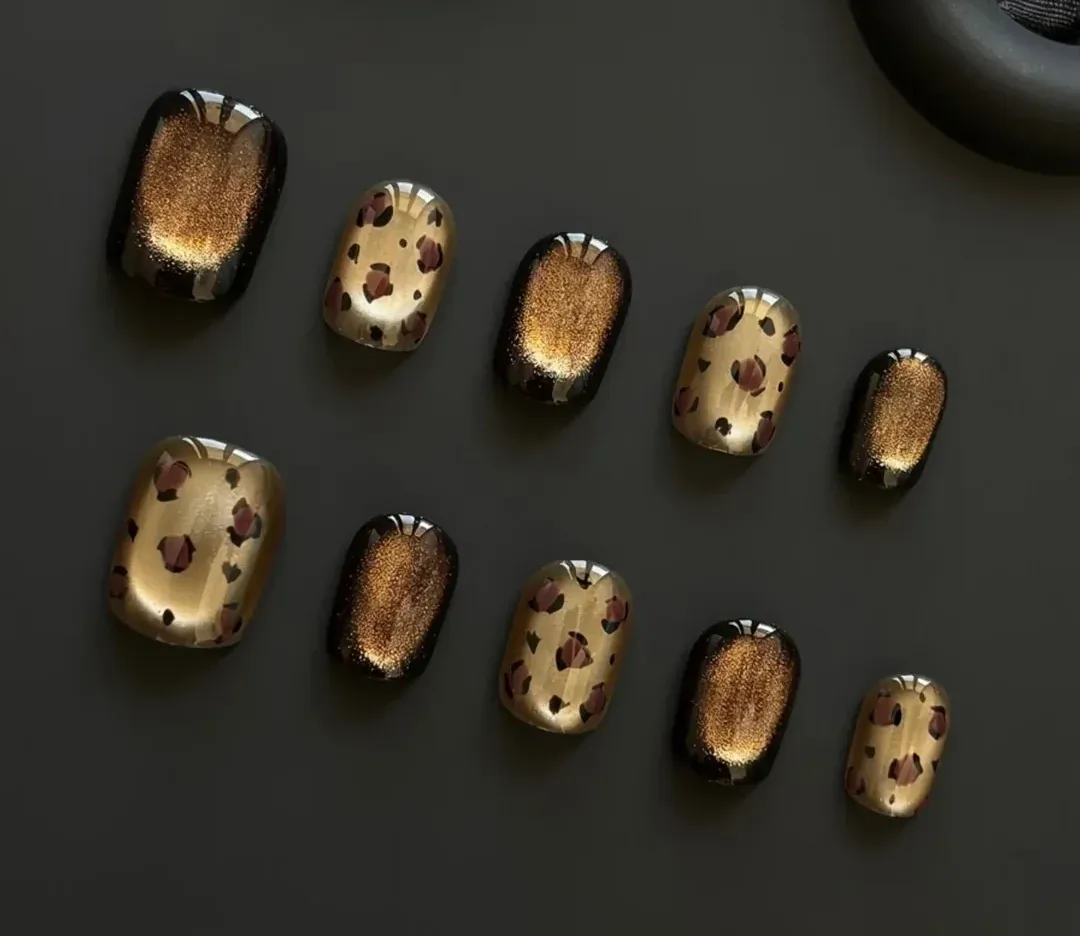
| Decoration | Position, orientation and relative size | A close view and a side view where relevant |
| Colour and finish | The reference and the features needing attention | Comparable lighting, with uncertain differences flagged |
When exploring ZONO's press-on nail options, keep your selected product references separate from the changes you want to discuss. An example of a style is not automatically an agreed custom specification.
What makes feedback useful to the maker?
Ask which design version and stage a photograph represents. A work-in-progress image may show unfinished details; a photograph sent for final visual review serves a different purpose. Agree what you are reviewing before deciding whether it is acceptable.
Then give feedback that identifies the exact nail and feature. For example:
On the ring-finger nail in reference version B, please move the main decoration closer to the centre. Keep the current direction of the smaller details. Please show the revised placement before we decide on this point.
This is an illustrative feedback example, not a record of a customer order. Its value is specificity: it names the reference, identifies the change and explains which detail should remain.
Keep the photo, comments and response together. If another version arrives, label it clearly so an earlier image does not become the approval reference by mistake.
What cannot be settled from photographs?
Lighting, reflections and screens can change the appearance of colour and finish. A frontal photograph may also conceal the profile of a raised decoration or the edge of a nail.
Request another view when the question is visual. When the question concerns physical fit, feel, attachment or wearing experience, discuss a suitable sample and evaluation method. Our sample review checklist helps separate observed details from questions that remain open.
A visual approval should say what has been accepted. “The decoration placement in this photograph is accepted” is more precise than an unqualified “everything approved.” Confirm separately what must be resolved before sampling or production proceeds.
What should you send with your design inquiry?
Send the reference image, intended sales channel, shape and length direction, quantity by design, and a short list of must-match details. Add packaging needs and explain which points you need to review remotely.
Share your design brief with ZONO and ask what review materials are available for the proposed project. The review stages, views and approval responsibilities should be agreed for that order. A useful photo supports that conversation; the written record keeps the decision clear.