Bridal Press-On Nails: What Sells for Weddings and Who Buys It
Bridal is the lowest-competition nail search with real buying intent behind it. The styles weddings need, the salon and shop opportunity, and how trials keep returns near zero.
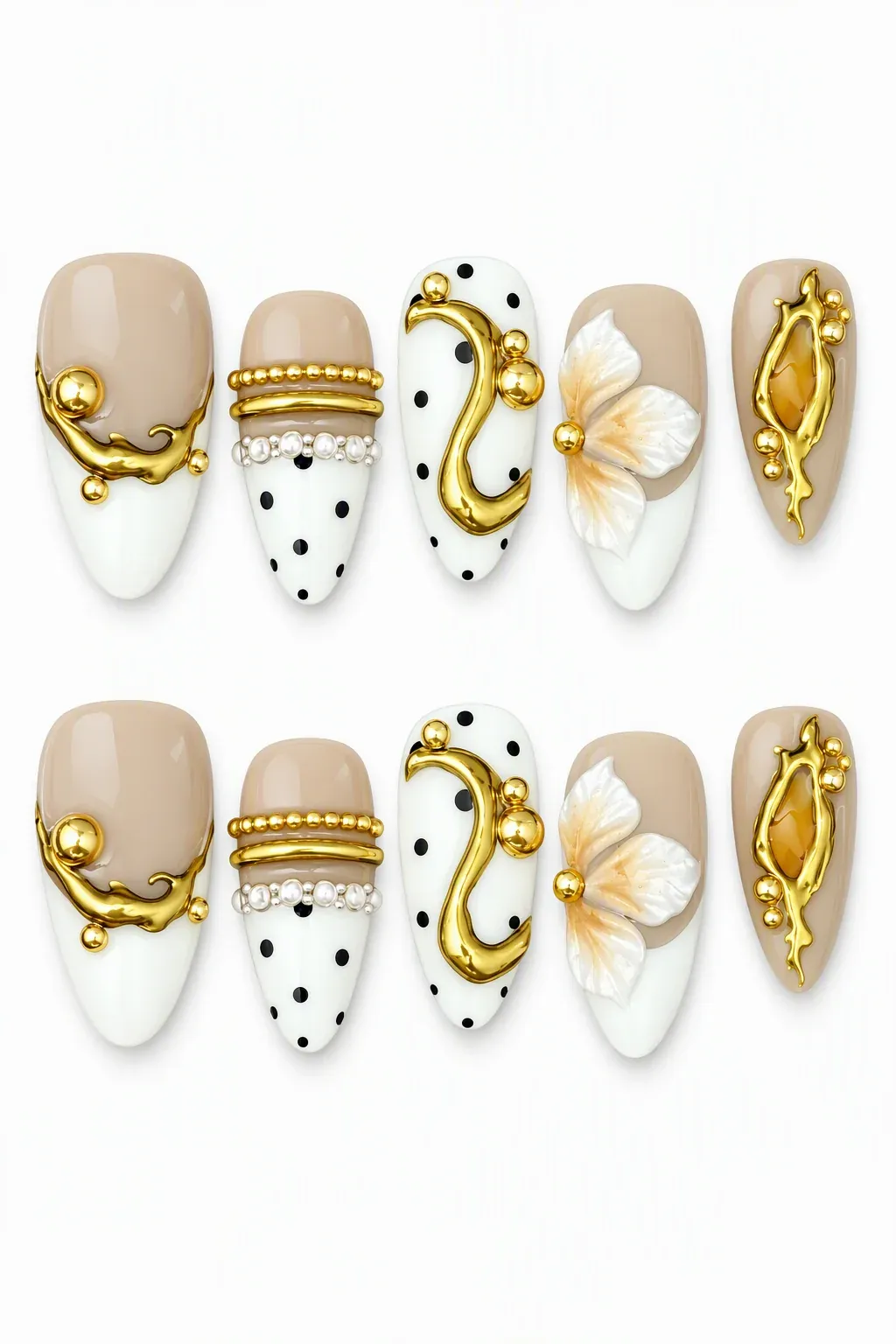
Wedding-day nails carry an unusual combination for a product category: a hard deadline, a photography requirement and a buyer who has already spent months planning details. Press-on nails answer all three, which is why bridal has become the most focused opportunity in the category.1
A bridal buyer is not shopping for nails, she is shopping for certainty: the set must photograph well, survive the whole day and match the dress. Every listing, sample and instruction that reduces uncertainty converts better than any discount.
This guide covers the styles that work under wedding photography, the two buyer groups behind bridal search, and the trial process that turns a nervous first purchase into a repeat order.
What Wedding Photography Demands
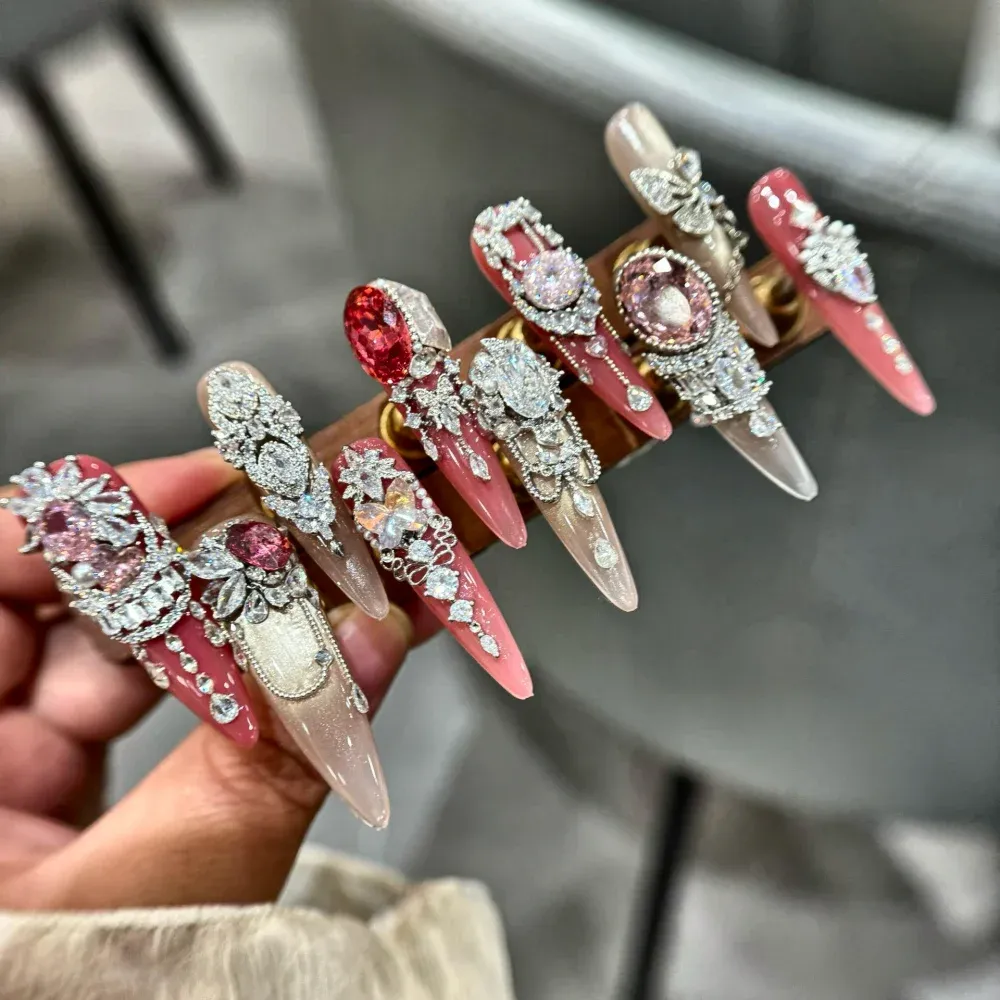
Wedding photos are taken in daylight, against white fabric, with the hands in frame holding bouquets and rings. Under those conditions, soft shades win: blush nude, pearl, sheer pink and classic French tips read clean in daylight and never compete with the dress. Heavy glitter and dark tones photograph harsher and date faster in the album.2
| Style | Why it works at a wedding | Watch-out |
|---|---|---|
| Blush nude | Reads clean against white and ivory in any light | Confirm undertone; pink-leaning flatters most gowns |
| Pearl finish | Catches light in ring and bouquet shots | Ask for daylight photos, studio flash flattens the effect |
| French tips | Timeless in albums; suits every dress style | Edge sharpness is the quality tell |
| Gold accents | Pairs with gold jewellery and warm palettes | Keep accents sparse so nails stay bridal, not party |
| Long coffin or stiletto | Elegant in close-up shots | Application quality decides the silhouette |
The Two Buyers Behind Bridal Search
The first buyer is the bride herself: she searches for her own wedding set, orders weeks ahead, and often buys a backup set in the same order. The second buyer is the trade: bridal shops, beauty studios and wedding planners who want to offer complete bridal packages without hiring a nail technician. The trade buyer orders repeatedly and needs consistent styles in stock, which makes them the more valuable long-term customer for a retailer considering a wholesale bridge.
For a salon or bridal shop, the economics are straightforward: a press-on set extends the service ticket without adding chair time, and a small branded display converts waiting time into sales. Stock styles start from 100 sets total, and custom boxes and branded packaging start from 300 sets, which lets a single studio carry its own labelled bridal line.
Sell bridal as a package, not a product: the wedding set, the backup set and the touch-up card in one listing answers every worry a bride has, and packages convert uncertain first-time buyers far better than a single set ever will.
The Trial That Removes the Risk
Every bridal first-timer has the same fear: will they stay on? The answer is a timed trial. Apply the set two or three days before the wedding using the full preparation routine, wear it through a normal day including handwashing and sleep, and confirm the hold. The trial doubles as a fit check: any edge that catches now gets filed before it matters.4
Suppliers help the trial by shipping application materials with the order. Ask what is included: adhesive or tabs, the preparation wipe and a filing tool are the difference between a confident first application and a guess. For salon and shop buyers, the same trial becomes a service: a bridal consultation that includes a fit check turns the sale into an appointment.
The Bridal-Party Extension
The wedding set is the anchor sale, but the party around it multiplies the basket. Bridesmaids, mothers of the couple and shower guests all sit inside the same colour family, which turns one bridal listing into a group order with a natural size: the bride's feature set, matched softer sets for the party, and a spare for the friend who forgot hers until the morning.
Retailers capture this in two ways. Online, a bridal-party bundle, one feature set plus three or five softer sets at a small break, lifts the average order without touching the product itself. In salon and shop settings, the consultation does the same job in person: the trial appointment for the bride becomes a fitting moment for the whole party, and the order grows at the desk rather than in the listing.
The event calendar extends beyond the wedding day itself. Engagement shoots, bridal showers and the rehearsal dinner each carry their own photo moments, and each is a reason to buy a second set in the same family. A range that plans for the wedding week, rather than a single wedding day, doubles the occasions a buyer has to return.
Sell the wedding week, not the wedding day: the feature set, the party sets and the event spares belong in one offer. Buyers planning a wedding are already assembling a group, and the listing that assembles it for them wins the whole basket.
For retailers already selling press-ons, bridal is a re-merchandising exercise before it is a buying one: the nude, pearl and French stock that already sits on the wall is the bridal collection, renamed, photographed in daylight and listed for the audience that is searching with a date in mind. A dedicated bridal landing slot costs an afternoon and converts search intent that is already arriving at the store unfocused.
The wholesale bridge comes next. A salon or bridal shop that stocks the collection at retail is the natural second customer: they already buy the same styles in single sets for trials, and a 100-set stock mix lets them carry the winning styles under their own label. Retailers who capture that bridge turn their own listing photography into a B2B asset: the shop that found your bridal slot at retail is the shop most likely to ask who supplies it, and the answer is a wholesale relationship that reorders every wedding season.
Photography rule one for bridal specifically: shoot the trial, not just the product. A worn shot two days into a trial answers the durability question in the buyer's own visual language, and it doubles as the social proof that a nervous first-time buyer reads before ordering. Retailers who publish real trial timelines in their listings report fewer pre-sale questions and faster conversions, because the listing has already answered what the buyer was going to ask.
Send ZONO Beauty your wedding-season window and the styles you want to carry, and we will confirm availability, application kit contents and a quotation for the range.
Request a bridal quotationFrequently Asked Questions
How far before the wedding should press-on nails be applied?
The night before or the morning of, after a successful trial two or three days earlier. The trial is what makes the timing safe, and it doubles as the fit check for the whole party.
Do bridal sets need custom packaging?
Not to start. Stock packaging works for the bride; custom branded boxes start from 300 sets and become worthwhile once the line proves sell-through.
Can a bridal shop carry its own labelled nail line?
Yes. Stock styles from 50 sets total with branded packaging from 300 sets; send the styles and the label brief and we confirm the quotation.
What do bridal-party bundles usually include?
The common shape is one feature set for the bride plus matched softer sets for the party, sometimes with a spare for a late addition. The bundle works at any quantity because it is a listing structure, not a production change.
Do bridal sets need stronger adhesive?
Not stronger, better applied. The trial-plus-routine described above is what carries a wedding day; the adhesive already in the kit holds a full event when the nail surface is prepared properly and the set is sized well.
Compliance wording closes the section. A bridal listing sells certainty, and overstated claims undo it: wear-time promises belong on evidence, material claims belong in the specification the supplier confirms, and the photography should show what actually ships. Bridal buyers read listings more carefully than any other segment in the category, which makes precision the cheapest conversion tool a bridal range has, and the habit costs nothing but a second read before publishing.
Conclusion
Bridal rewards the supplier who sells certainty: photograph in daylight, sell the trial, package the backup. Do those three things and the lowest-competition search in the category becomes its most loyal repeat business.